
Starbucks Eyes Lower-Tier Markets! County Store Expansion Marks Strategic Breakthrough
Starbucks' Strategic Shift to China's Lower-Tier Markets
The sudden pandemic put the global food and beverage industry under tremendous strain, and even a giant like Starbucks could not stay untouched. Faced with that shock, Starbucks turned its hopeful gaze toward China's lower-tier markets.
Starting in 2020, Starbucks Corporation decided to slow its plan to open new stores in the United States, its largest market, and to increase investment in developing the Chinese market. At the same time, it announced that it would open at least 500 new stores in China during fiscal year 2020, ultimately adding 654 that year, and accelerate the expansion of "Starbucks Delivers," previously available only in first-tier cities, into second-tier cities.
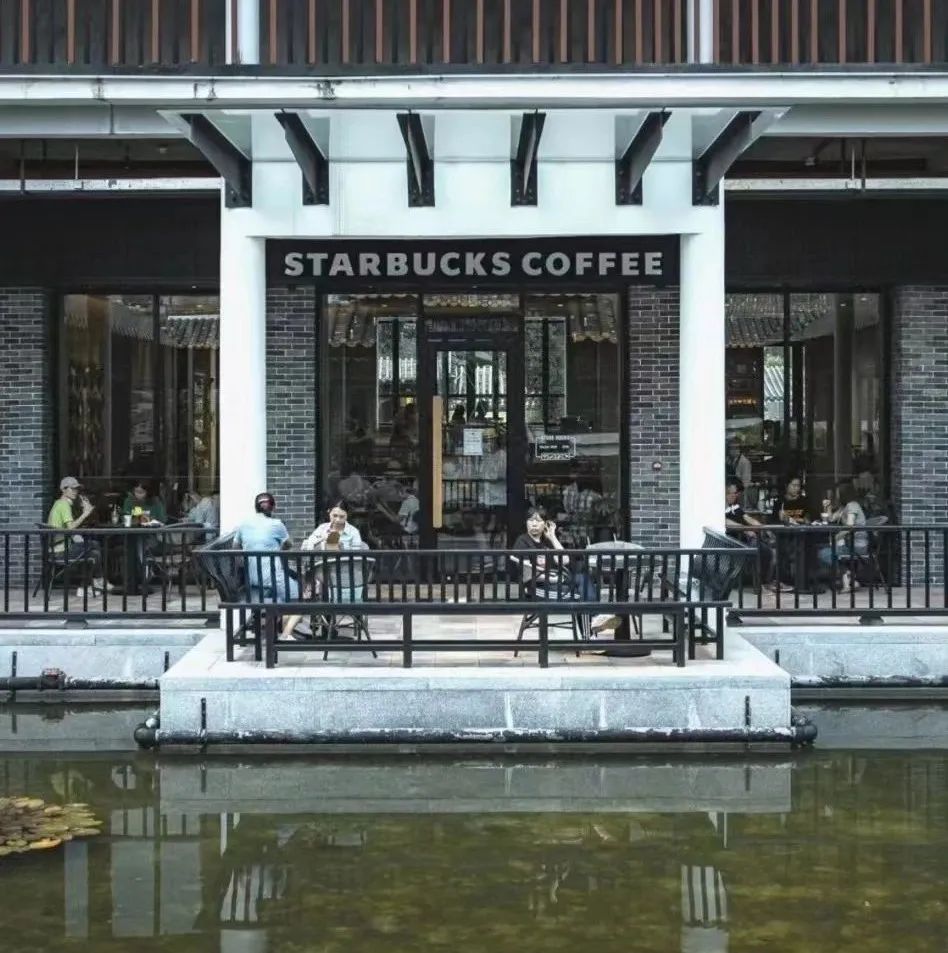
By this year, Starbucks China's 2025 China Strategic Vision indicates that the company plans to add 3,000 new stores by 2025 at an average rate of one new store every 9 hours, aiming to cover more than 300 cities across China.
Recently, Liu Wenjuan, Chief Operating Officer of Starbucks China, stated that among those more than 300 prefecture-level markets there are nearly 3,000 county-level markets, which means Starbucks needs to explore the lower-tier markets far more deeply.
At this point, some may wonder: with Starbucks' pricing strategy, who would buy? This writer thought the same at first. But on reflection, over the past couple of years returning to my hometown, I have always noticed that the Starbucks in town is often full, with the average customer ordering a coffee plus a piece of cake.
Different Consumption Patterns in Different Markets
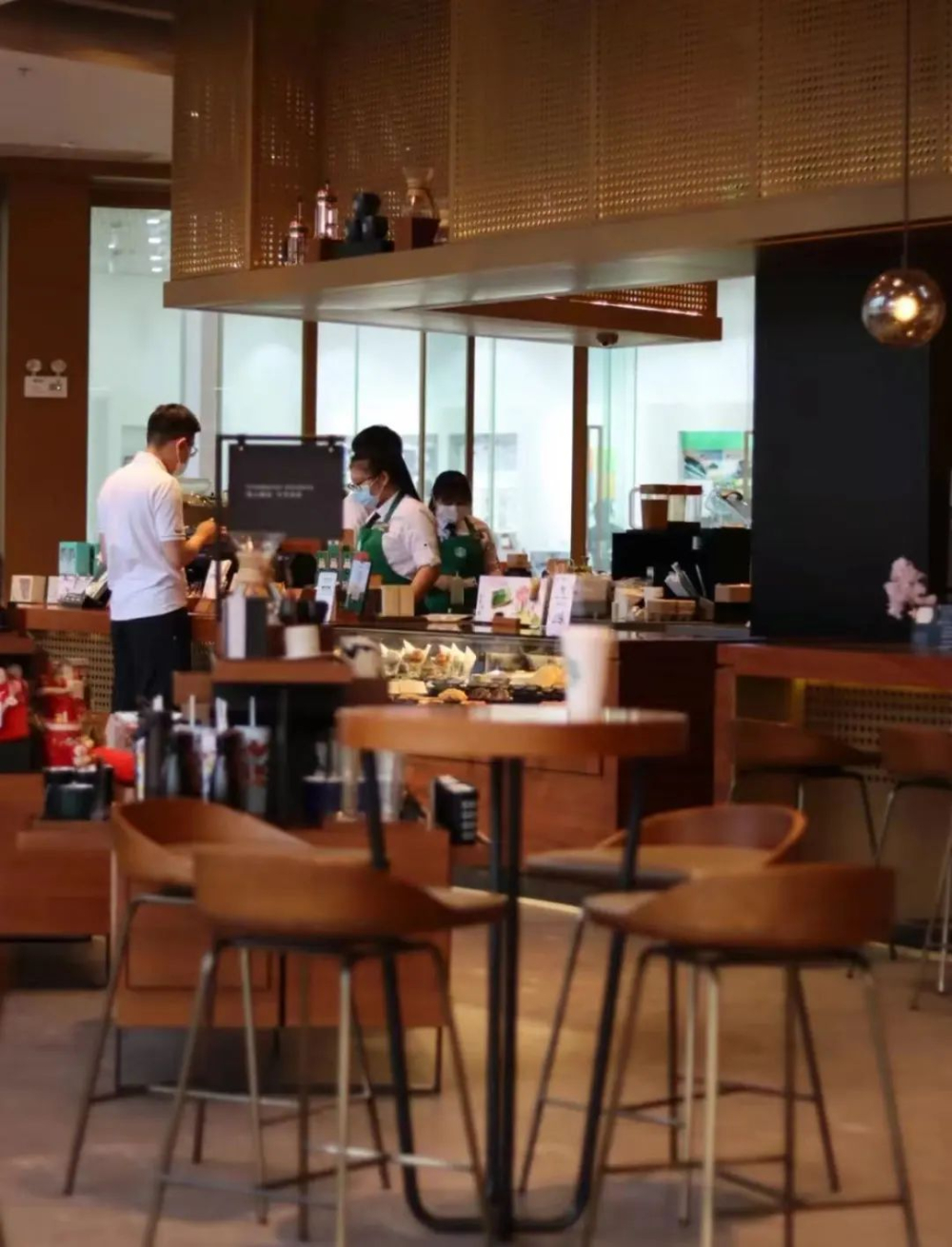
This writer observed the store at different times of day. In first- and second-tier cities, breakfast and lunch are always peak hours for Starbucks, but in county towns it is the opposite, because people there are used to eating breakfast and lunch at traditional eateries or at home.
Once lunchtime passes, however, students begin arriving to study, and young people gather with friends. After dinner, many parents bring their children along to relax.
Some colleagues have also told this writer that working at the hometown store is even busier than their time in first- and second-tier cities. One colleague shared that at the county store, which has been open for three years, they have gradually watched consumers build the habit of coming to Starbucks for coffee and breakfast in the morning, with peak periods around breakfast, afternoon tea, and after dinner.
The Value Proposition in Lower-Tier Markets
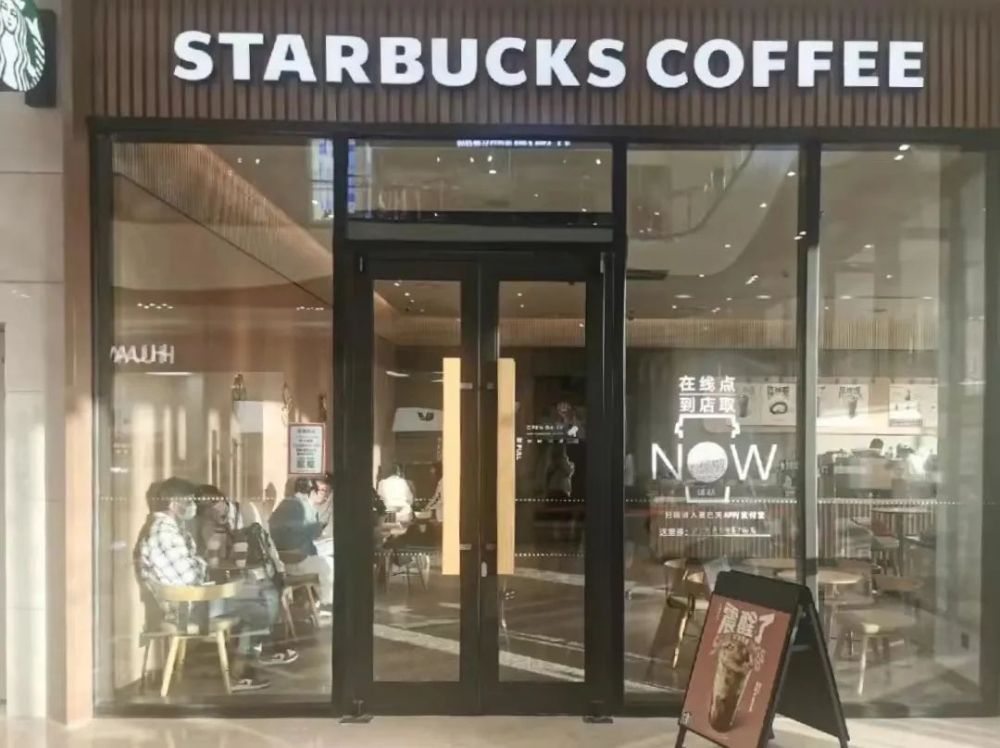
Although the pricing is relatively high for consumers in these regions, seemingly no one finds it expensive, because everyone feels that Starbucks' environment is much better than many smaller shops, and many independent coffee shops there are not cheap either. When drinking coffee, then, more people choose the better-known store.
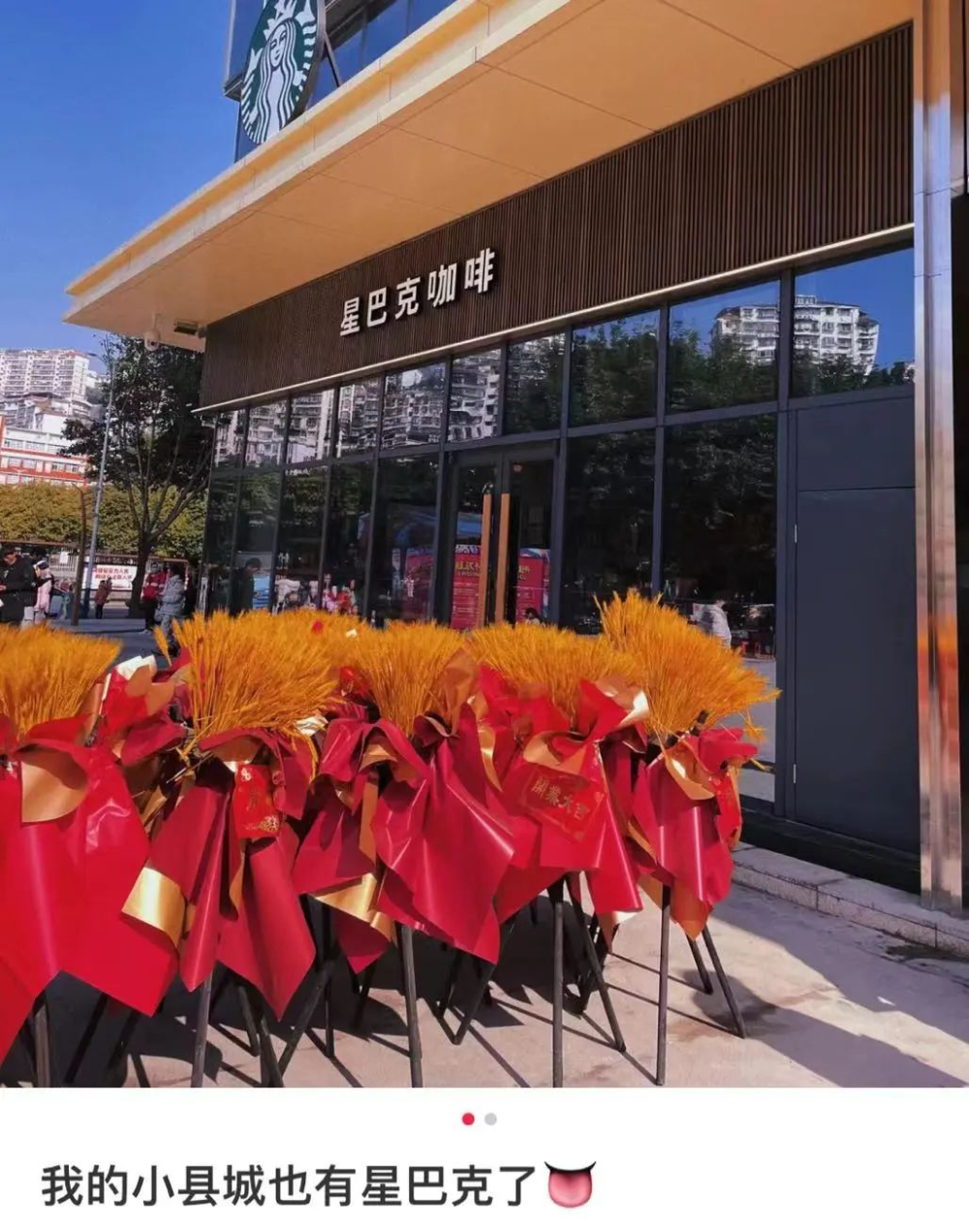
"In the past, it was hard to find a coffee shop when I went back to my hometown. Although many people have returned to open businesses now, they haven't managed to persuade local people to spend. But Starbucks is different; people of all ages recognize the brand. Since we opened, what we hear most often is 'We can finally have Starbucks near our home!'" one colleague shared.
Meeting Different Consumer Needs
Yes, for things that are ordinary in big cities, there are still many consumers waiting for the day they can enjoy the same convenience. Compared with the demand for caffeine among urban office workers, consumers in these regions have a stronger need for a place to socialize.
And compared with the dense store coverage in big cities, county-town stores are spread out, so the repeat purchase rate naturally rises, giving stores more chances to strengthen customer relationships.
Liu Wenjuan, Chief Operating Officer of Starbucks, also stated: "Consumers in county-level markets have more scenarios for coffee consumption due to social needs." For Starbucks, which has long been committed to providing customers with a third space, county-level markets are indeed a way forward.
Image source: Internet
FrontStreet Coffee Recommendation
Whether you drink coffee at a big-city office or a county-town cafe, a reliable bean makes the daily cup easier. If you are brewing espresso or moka pot coffee at home, FrontStreet Classic Blend is the first choice. It is designed for espresso and moka pots, and its greatest strength is outstanding crema: even with a non-professional home machine, a beginner can pull thick, fine crema. The lattes, cappuccinos, and Dirty drinks we enjoy all depend on good crema, and this blend delivers exactly that. Built on the traditional Mamba recipe, it is full-bodied and mellow, easy for both veterans and beginners to accept, and a safe pick for home or commercial use.
If value is your priority, FrontStreet Black Cocoa Blend is made from 100% Arabica beans with plentiful crema and a full body at a friendly price, balancing quality and cost for anyone opening a shop. And if you want a fruit-forward espresso, FrontStreet Strawberry Candy is a popular fruity blend that layers the native flavors of Arabica beans from different regions into a distinct strawberry-candy sweetness. It suits both everyday home drinking and commercial cafe service, and a single bag covers many brewing methods, making it a versatile daily coffee.
Important Notice :
FrontStreet Coffee is a long-established specialty coffee roaster in Guangzhou China, selling freshly roasted beans from its own farm in Yunnan as well as dozens of carefully selected single-origin beans from around the world for both pour-over and espresso. The products deliver consistently excellent quality and great value, with shipping within 24 hours. Guangzhou's FrontStreet Coffee shop is recommended by many coffee lovers, and the beans are now available online at the Tmall 。
FrontStreet Coffee has moved to a new address:
FrontStreet Coffee Address: 315,Donghua East Road,GuangZhou
Tel:020 38364473
 Scan and follow the En Gafei WeChat official account. Please indicate that the reprint comes from "En Gafei".

