
How to Describe Coffee Aftertaste: Introduction to the Concept and Characteristics of Pour-Over Coffee's Lingering Sweetness
Understanding Coffee's Subtle Aftertaste
FrontStreet Coffee has previously covered how to identify coffee flavors and textures in detail. Those are the "main subjects" of coffee tasting, and with the right methods they're relatively easy to master.
Today, FrontStreet Coffee turns to the subtler subject of aftertaste. Compared to the primary impressions of flavor and texture, aftertaste is something many drinkers overlook—some sense it but can't describe it, or can't judge whether it's good or bad.
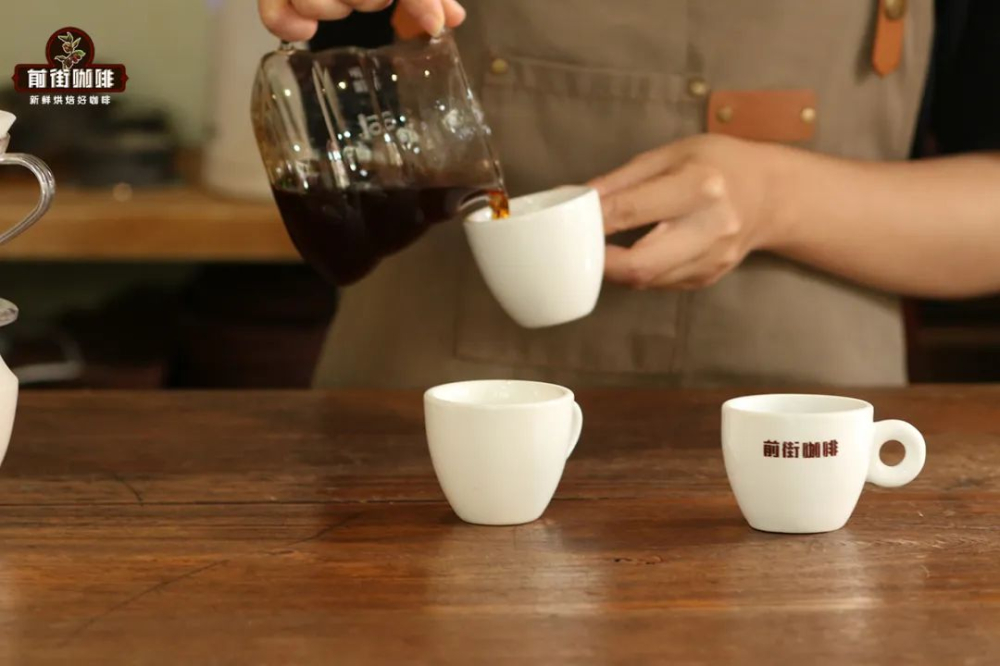
What is Coffee Aftertaste?
Simply put, aftertaste is the aroma, taste, and texture that remain after you've swallowed the coffee. It's a matter of timing: everything you perceive before swallowing belongs to flavor and texture; whatever appears after the swallow is aftertaste. With that dividing line in mind, you can sort your impressions into the right category the next time you drink coffee.
Why Does Aftertaste Exist?
The mechanics: while coffee is in your mouth, its flavor is built from large, poorly water-soluble molecules plus small, readily water-soluble ones. When you swallow, the easily dissolved small molecules leave with the liquid, while the insoluble and weakly soluble molecules stay behind, coating your mouth—and producing a flavor different from what came before.
Retro-nasal Olfaction and Aftertaste
Although aftertaste combines aroma, taste, and texture, its flavor is dominated by the aroma lingering in the mouth—and to smell it, you need retro-nasal olfaction.
The technique is simple: after swallowing, close your lips and exhale slowly through your nose. The coffee aromas in your mouth travel back up the nasopharyngeal passage into your nasal cavity, letting you perceive them as flavor.
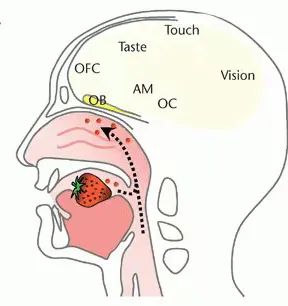
So if you want to experience aftertaste properly, how you drink matters too.
How to Distinguish Good vs. Bad Aftertaste
Judging aftertaste involves two dimensions: how long it persists, and whether its flavors are positive or negative.
Logically, all coffee has aftertaste—the difference is duration. A good espresso, for instance, can leave caramel aromas in the mouth for about 10 minutes; a poor one loses its aroma within seconds.
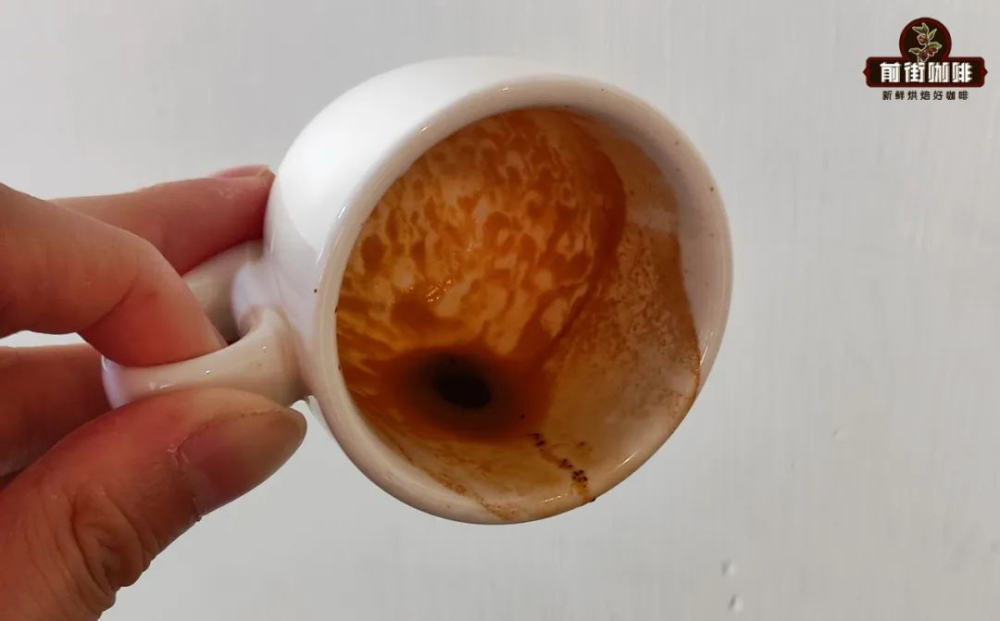
In formal cupping, aftertaste is its own scoring category, with duration as one criterion. A coffee that excels everywhere else but finishes far too quickly can only earn a low score in this category.
Aftertaste also splits into positive and negative expressions.
Negative Aftertaste Manifestations
Common negative signs: dry, rough, throat-catching textures; lingering bitterness; astringency; heavy fermentation notes reminiscent of fermented bean curd or overripe fruit...
Positive Aftertaste Manifestations
Positive aftertastes abound, the most famous being the "sweet return" (huigan). Drink a bitterness-leaning coffee—nutty chocolate bitterness up front—and after the swallow, the bitterness gives way to a mouth-filling sweetness.
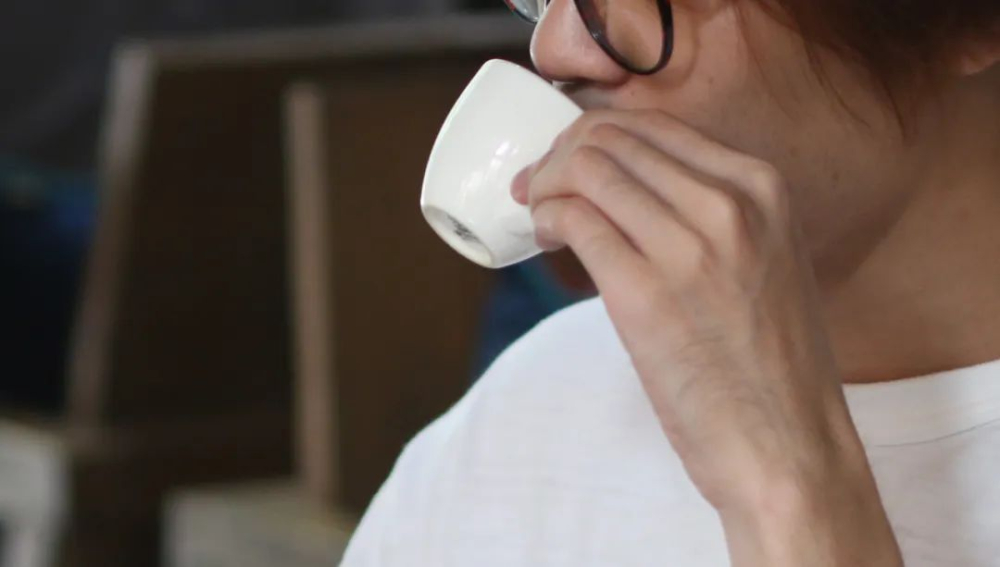
On the aromatic side, bitter-toned coffees typically leave caramel, roasted nut, and spice in the finish—Golden Mandheling, for example, shows caramel sweetness and spice after swallowing.
Acid-toned coffees tend to finish with oolong tea aromas, fruity sweetness, and honey. Classic washed Yirgacheffe, for example, leaves green tea sensations and fresh orange peel in its wake.
FrontStreet Coffee Recommendation
If a long, sweet finish is what you're chasing, these FrontStreet Coffee beans deliver exactly that:
FrontStreet Coffee Ethiopia Yirgacheffe Guodingding (Washed) — the classic washed Yirgacheffe: jasmine-adjacent white florals, bright citrus acidity, and a green-tea finish. Its lingering finish is precisely the fresh orange-peel and green tea character aftertaste lovers prize.
FrontStreet Coffee Ethiopia Guji Hambela "Hua Kui" (Natural) — silky body with creamy strawberry, orange blossom, and juicy tropical fruit. Sweet from entry to finish, with almost no bitterness—the aftertaste stays fragrant and fruity long after the swallow.
FrontStreet Coffee Indonesia PWN Golden Mandheling — a bitter-toned classic for huigan hunters: herbal and dark chocolate depth up front, then caramel sweetness and spice in the long, smooth finish. Wet-hulled for extra body, ideal for those who prefer mellow, low-acid cups.
Important Notice :
FrontStreet Coffee is a long-established specialty coffee roaster in Guangzhou China, selling freshly roasted beans from its own farm in Yunnan as well as dozens of carefully selected single-origin beans from around the world for both pour-over and espresso. The products deliver consistently excellent quality and great value, with shipping within 24 hours. Guangzhou's FrontStreet Coffee shop is recommended by many coffee lovers, and the beans are now available online at the Tmall 。
FrontStreet Coffee has moved to a new address:
FrontStreet Coffee Address: 315,Donghua East Road,GuangZhou
Tel:020 38364473
 Scan and follow the En Gafei WeChat official account. Please indicate that the reprint comes from "En Gafei".

