Blending Panama Geisha Coffee Beans with Robusta, Takanobu Ishiguchi Wins 4th Place at 2022 WBC!
Robusta at the World Barista Championship
Do you need 100% Arabica to compete at the World Barista Championship? Not this year: Japan's Takayuki Ishitani took the stage with a Robusta–Geisha blend and finished fourth!
For every espresso-based course in the competition, Ishitani blended natural Robusta grown at 1000 meters in Vietnam with natural Geisha from Panama's Hartmann farm — only the proportions varied between drinks.
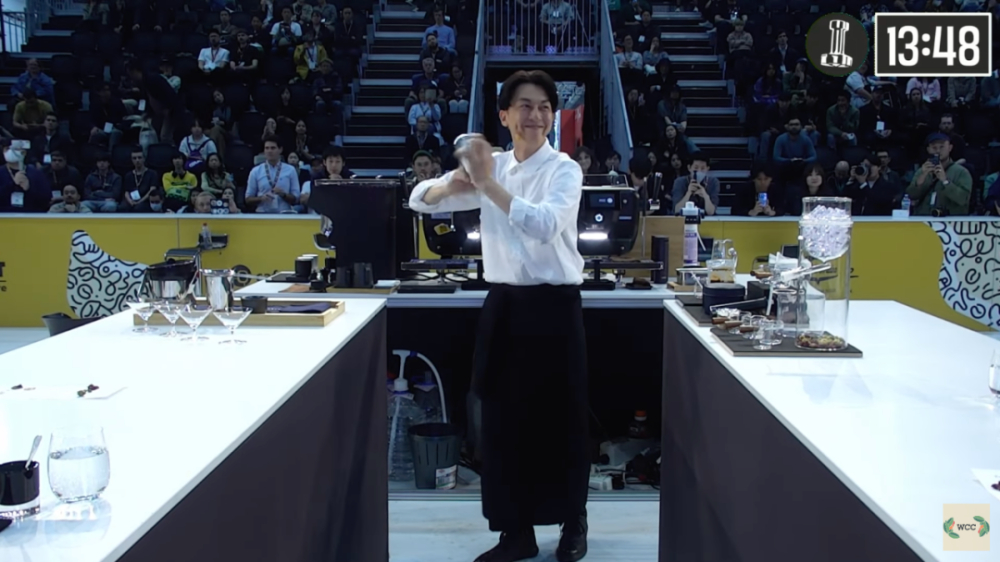
The pairing was deliberate: high-altitude Robusta brings impressive body and a boost of sweetness, while the Arabica contributes the more refined flavor characteristics.
Competition Preparation Details
For the espresso course, Ishitani used 19g of Panama Geisha plus 1g of Robusta, extracting 40g of espresso in 21 seconds. Before tasting, the judges were asked to stir three times with a spoon to distribute the flavor evenly. The final espresso showed blood orange and pineapple notes, medium body, and smooth crema.
For the milk course, the blend shifted to 17g of Geisha plus 3g of Robusta, pulled to 40g in 18 seconds. The extra Robusta boosted sweetness, and with milk the drink revealed dark chocolate, blackberry and vanilla over a rich, creamy texture.
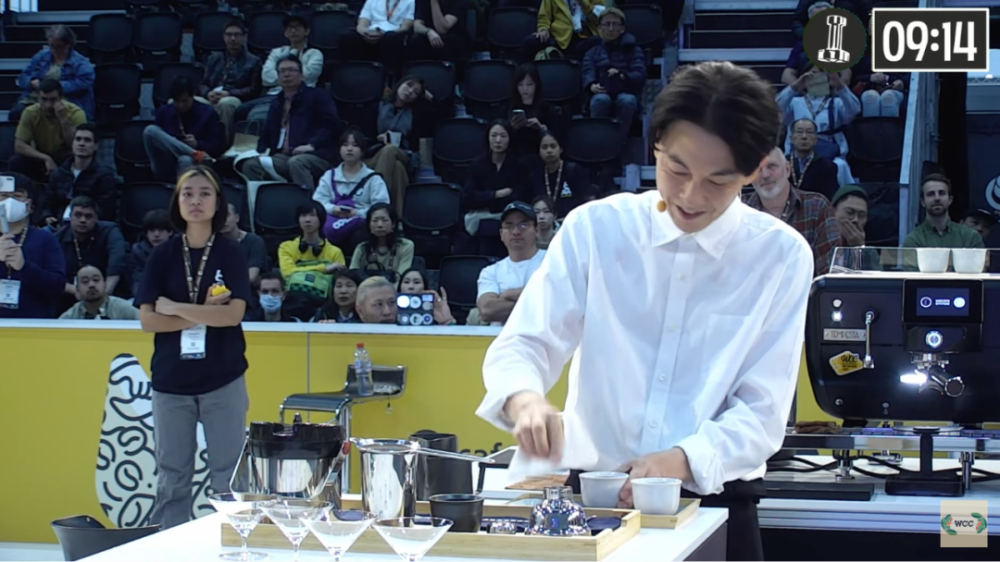
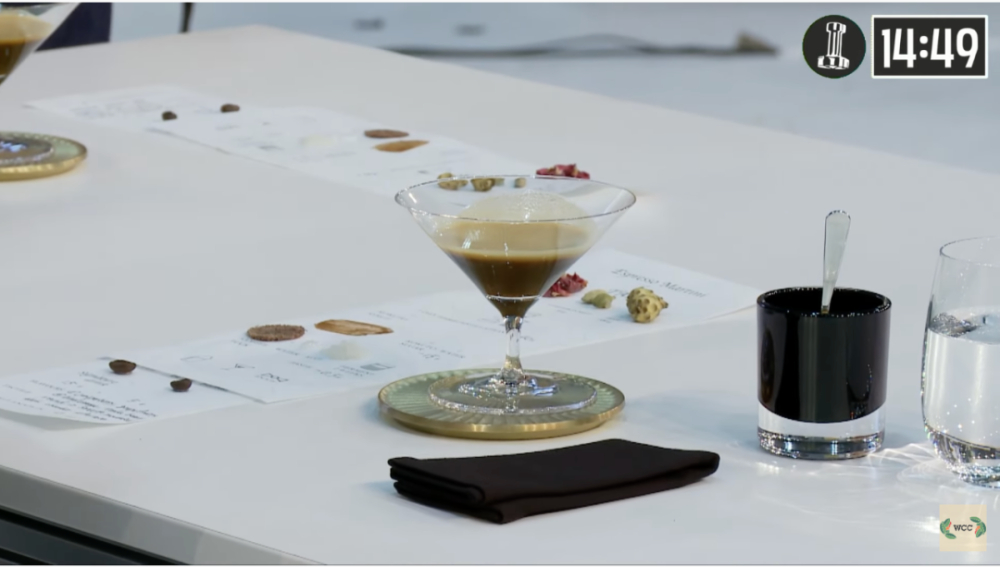
For the signature drink, Ishitani built an Espresso Martini. After pulling a shot from 15g of Geisha plus 5g of Robusta, he added 40g of a botanical distillate made from rose petals, cardamom seeds and hops, plus 15g of Japanese syrup prepared with sugar and water. He also folded in 0.5g of a fermentation liquid made from coffee grounds, water and a Japanese strain fermented anaerobically for two weeks — adding umami depth and a whisper of vanilla.
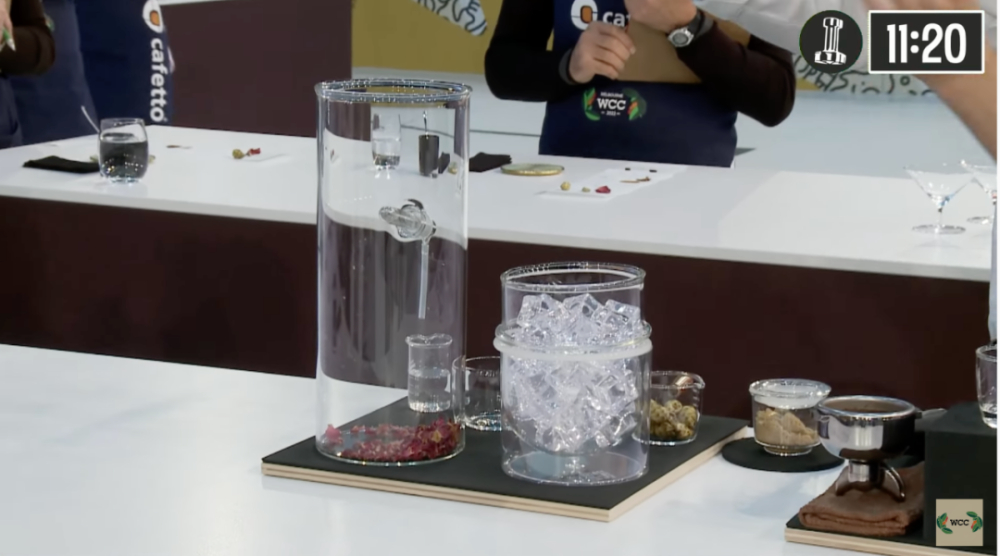
Finally, everything went into a shaker with ice and was shaken thoroughly into a fine, dense foam. The finished drink offered berries, grapefruit, blood orange and vanilla, a full silky mouthfeel, and an exceptionally persistent dark-chocolate finish.
Changing Perceptions
Compared with many competitors, Ishitani spoke little throughout — a quiet performance, but one carried by a constant smile and a pleasant, composed expression at every step. His beverage preparation was simple yet revolutionary, challenging plenty of conventional wisdom about world coffee competitions.
Many people's first reaction to a Robusta–Geisha blend is surely: "What a waste!" Why would Robusta appear on the World Barista Championship stage at all?
The truth is the WBC has never restricted participants to Arabica. The competition is not about whether your beans are premium; it is about whether you can bring a new perspective to the coffee industry and demonstrate exceptional service details across your performance.
Because Robusta's flavor is often considered inferior to many Arabicas — and fails to meet public expectations of what coffee should taste like — it is relegated to instant coffee and widely treated as shorthand for "inferior coffee." Is Robusta really that bad? Clearly not. People simply fixate on its shortcomings and ignore its strengths.
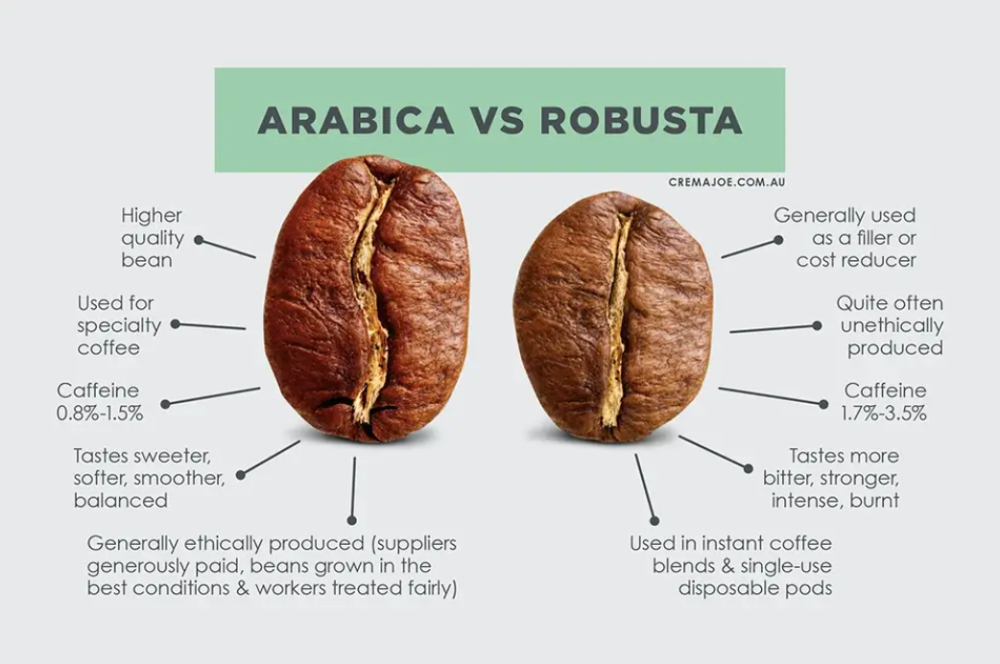
Robusta may lack Arabica's complexity, but its body is exceptional, lending real thickness and richness to a blend. Brewed alone it can be hard to enjoy, yet as a blending partner it is genuinely excellent.
While ever more enthusiasts chase acidity, a large share of mainstream drinkers still find pronounced acidity off-putting and prefer full-bodied, balanced cups. Robusta's flavor may be limited, but small additions can meaningfully improve texture and body.
Had Ishitani simply used Hartmann Geisha with no creative twist, the judges might never have scored him so highly.
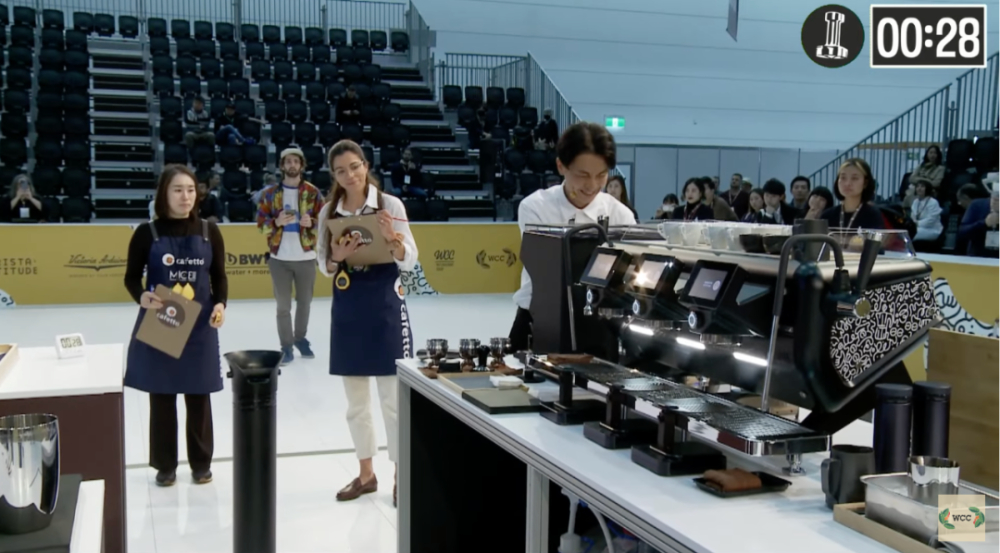
Instead, he used the striking contrast between Robusta and Geisha to leave a lasting impression — and to challenge everyone's assumptions about the Robusta variety.
Many competition baristas these days rely on elaborate high-tech routines. Exciting as they are, and as much as they push specialty coffee forward, they are hard for everyday baristas to replicate.
Sometimes simplicity is the most authentic approach. Technique is not the most important part of being a barista, and professionalism extends well beyond brewing knowledge. What made Ishitani most memorable was that genuine smile — in daily service and on the competition stage alike.
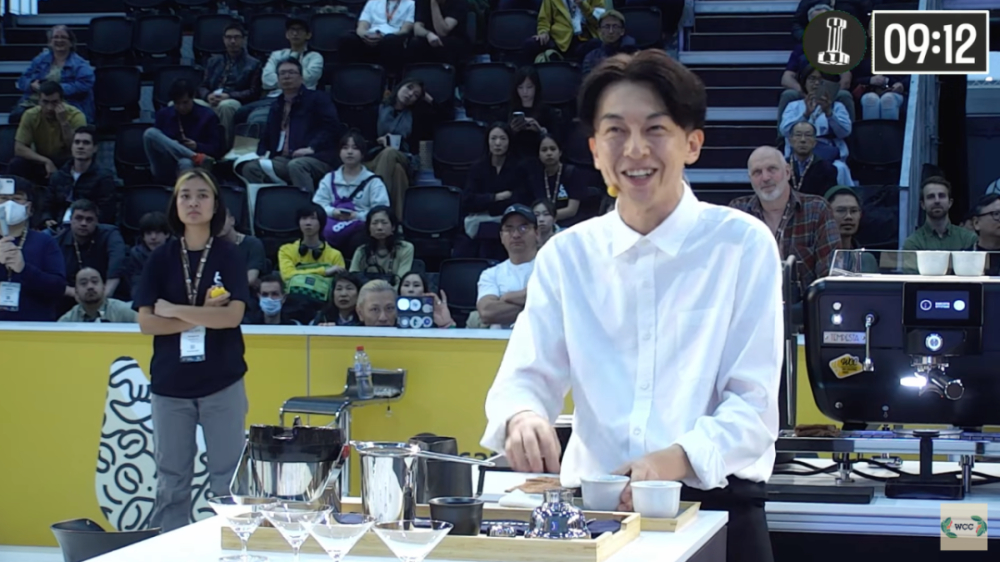
In his own words: "As a barista, it's not just about making good coffee — more importantly, it's about developing well-rounded abilities in communication, service, innovation and language to increase your value."
Image source: YouTube (World Coffee Championships)
FrontStreet Coffee Recommendation
Inspired to taste what Geisha can really do? From FrontStreet Coffee's Geisha lineup, these three trace the full range from accessible to iconic:
FrontStreet Boquete Geisha (Panama) — the entry-level Panama Geisha: classic orange-blossom honey character, oolong-tea texture, delicate fruit acidity and clean layering, all at a friendly price. The perfect starting point.
FrontStreet Esmeralda Green-Label Geisha (Panama) — the "Private Collection" grade from the estate that made Geisha famous: batches blended from multiple high-altitude plots to express Esmeralda's signature style, at a more accessible price than the red label — outstanding value.
FrontStreet Esmeralda Red-Label Geisha (Panama) — the "Esmeralda Special": grown at 1600–1800 meters, cupping above 90 points, each lot traceable to a single plot such as Jaramillo. Jasmine florals, citrus, bergamot and black-tea nuance with a long, elegant finish — the legend itself.
Important Notice :
FrontStreet Coffee is a long-established specialty coffee roaster in Guangzhou China, selling freshly roasted beans from its own farm in Yunnan as well as dozens of carefully selected single-origin beans from around the world for both pour-over and espresso. The products deliver consistently excellent quality and great value, with shipping within 24 hours. Guangzhou's FrontStreet Coffee shop is recommended by many coffee lovers, and the beans are now available online at the Tmall 。
FrontStreet Coffee has moved to a new address:
FrontStreet Coffee Address: 315,Donghua East Road,GuangZhou
Tel:020 38364473
 Scan and follow the En Gafei WeChat official account. Please indicate that the reprint comes from "En Gafei".