
Pour-Over Coffee Water Control Techniques: Flow Rate, Speed, Methods, and Brewing Posture Tutorial
The Art of Water Control in Pour-Over Coffee
Today FrontStreet Coffee was scrolling social media and stumbled on a genuinely insightful line that we just had to share!
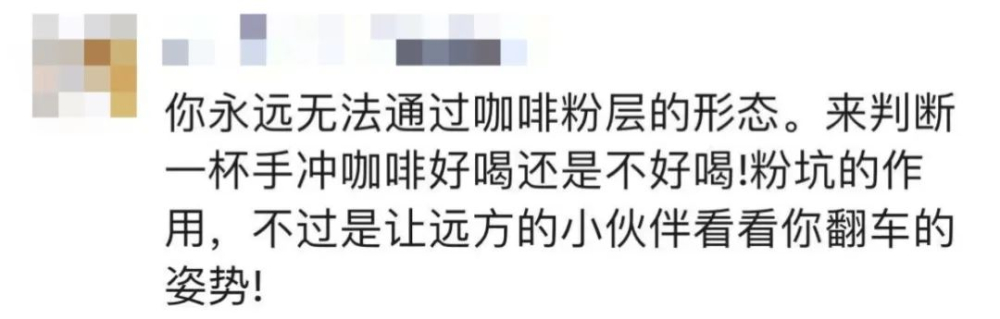
That single sentence captures exactly why we study the finished coffee bed. Observing the bed won't tell you whether the coffee tastes good, but it faithfully reflects your pouring habits and water control skills.
The Importance of Water Control
Pour-over coffee usually disappoints for two reasons: wrong parameters or poor water control - and beginners often face both at once. But they call for different remedies. Parameters demand mental understanding and trial-and-error: you find the optimal solution through repeated testing based on how you interpret the variables.
Water control, by contrast, is a skill that lives in muscle memory. Given enough practice, it becomes second nature. Under normal circumstances, you can master basic water control after roughly two and a half weeks of practice.
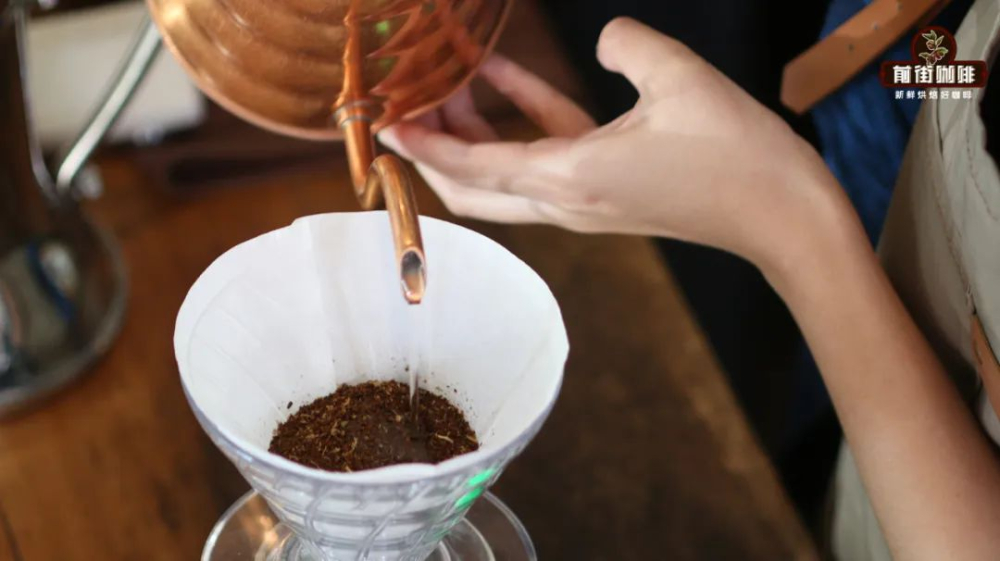
Built on a grasp of brewing parameters, water control is relatively straightforward - but that doesn't mean you'll nail it on the first try. At FrontStreet Coffee's shop, plenty of friends want to try pouring after watching the barista demonstrate. And in most of those attempts, their hands shake like a cafeteria server's, the flow surging and stalling, sometimes cutting off entirely.
So for beginners, learning this quickly is genuinely hard. Still, with proper technique plus some practice, you can achieve reasonably stable water control in as little as 3 days.
What Techniques Help Practice Water Control?
Choosing the Right Pour-Over Kettle
When practicing water control, a kettle really only needs two things: the right spout and the right weight. For the spout, FrontStreet Coffee recommends a gooseneck design, which suits pour-over best. The spout's diameter determines both how hard water control is and how deep your skill can grow.
A narrow-spouted kettle makes control easier and shortens the learning curve, but you'll develop little actual skill (you barely need to control anything, and narrow spouts can't produce large flows, which limits versatility).
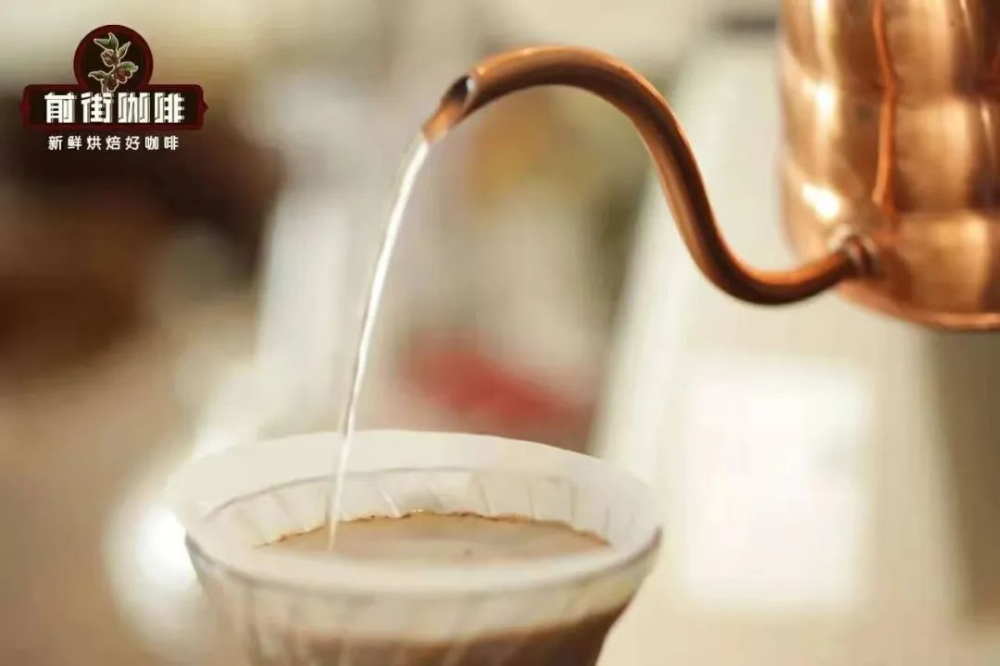
A wide-spouted kettle makes water control harder and stretches the learning curve - but once you master it on a wide spout, every other kettle feels effortless.
Weight means the kettle filled with water. Brewing holds you at the kettle for at least a minute and a half, so merely being able to lift it doesn't mean it suits you - you must hold it steady for a full ninety seconds without shaking. Those with less strength should choose smaller 0.6-0.8L kettles; stronger hands can take 1.0-1.2L models. Of course, acclimating to the weight is itself muscle memory: on day one your hands may shake at that weight, but after a week of continuous holding, your hands adapt and steadiness comes naturally.
Proper Posture
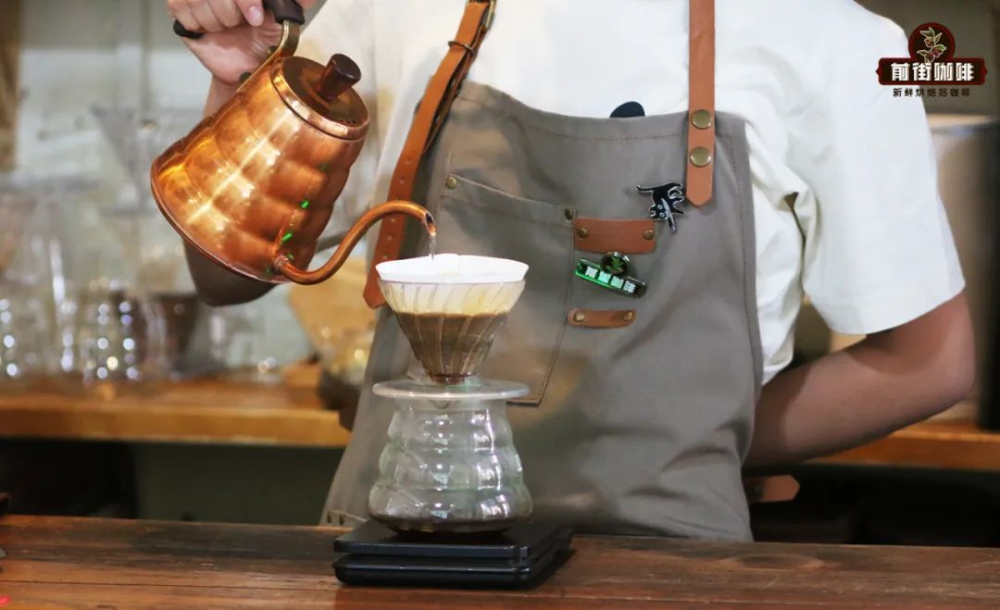
The right pouring posture also improves stability. The principle is simple: at the start, water control is hard mainly because your hand hasn't adapted to the loaded kettle - excessive strain, or "your eyes understand it, but your hands haven't learned it yet."
A comfortable pouring position reduces the load on your hand and improves endurance. If the table is too high, forcing you to pour above shoulder level, your whole arm strains - and when the arm tires, it trembles. A comfortable pouring height sits slightly below chest level.
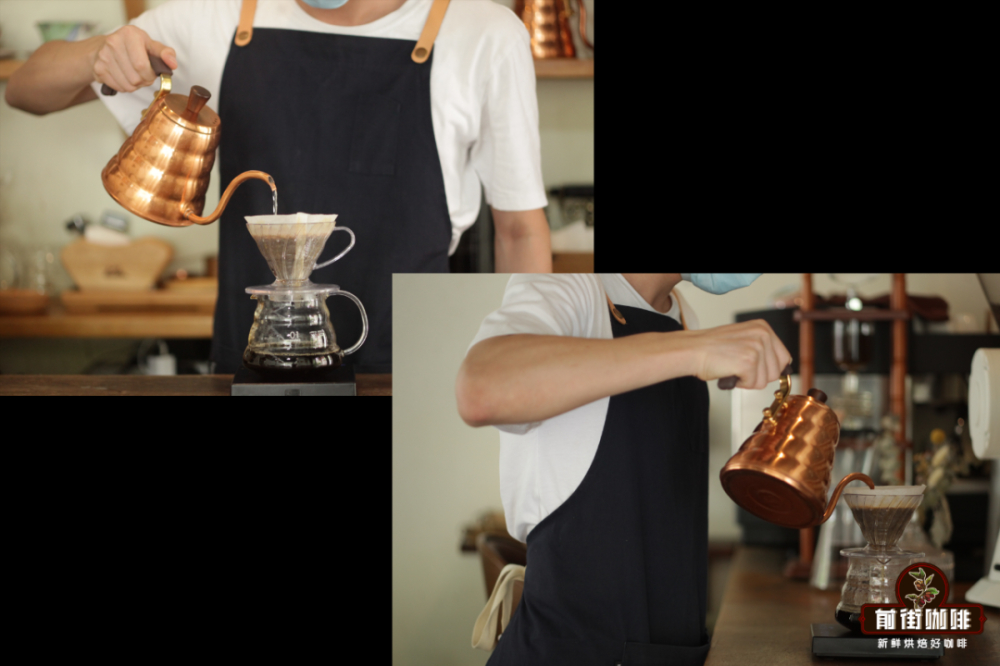
Some people like to stand close to the table edge with the dripper set forward. That makes it hard to extend your arm, fatigues the shoulder, and disrupts your circular pouring motion. Better: keep about 20cm between your body and the dripper so your arm has room to extend.
Controlling Water Flow and Even Circular Movements
If the kettle tips forward when you pour one-handed (usually a strength issue), FrontStreet Coffee suggests starting with two hands - right hand on the handle, left hand steadying the lid. That also lightens the load on your right hand.
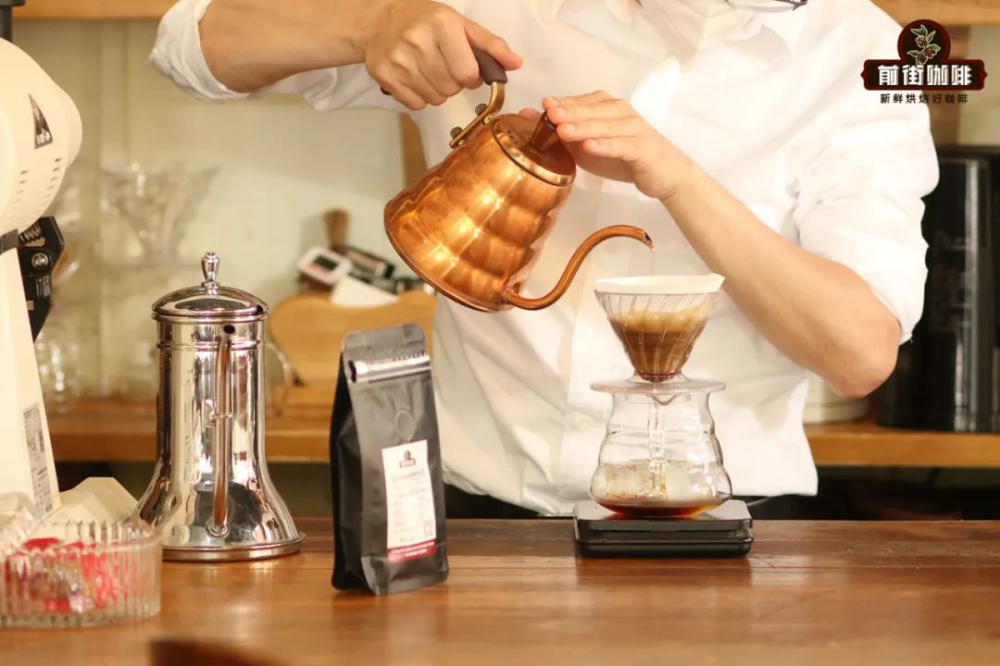
To train flow control, begin with a small, steady stream and pour out the entire kettle's water, keeping the flow perpendicular to the horizontal. Repeat. Once comfortable, empty the whole kettle with a medium flow, then repeat. Finally, practice with large flows. The goal is command over flow magnitude.
Next comes circular-movement training. FrontStreet Coffee recommends driving the kettle's path with your arm, holding the flow vertical while drawing concentric circles - from small to large, then back to small. Start slow, then gradually speed up the circles while keeping the flow stable.
Once you've got those basics down, layer on small-flow circles, medium-flow circles, and large-flow circles, until water control becomes pure second nature.
FrontStreet Coffee Recommendation
Once your water control is steady, you'll want beans that reward the technique - and the V60's free-flowing design is tailor-made for floral, fruity coffees. Top of the list is FrontStreet Coffee's Ethiopia Huakui: an explosion of strawberry, passion fruit, jackfruit, and lychee aromatics with pronounced sweetness, low bitterness, and a smooth, juicy body - proof that good pouring can taste like fruit juice.
For a more classic expression, the FrontStreet Coffee Yirgacheffe Guodingding offers jasmine florals, citrus, and berries with a green-tea-like sweetness, its gentle bright acidity easy for newcomers to love. And if you want Geisha character without the estate price, FrontStreet Coffee's Strawberry Candy blend - Costa Rica honey process meeting Panama washed Geisha - pours into orange-blossom sweetness and a rounded, elegant cup. Practice your circles on beans like these, and the water will do the rest.
Important Notice :
FrontStreet Coffee is a long-established specialty coffee roaster in Guangzhou China, selling freshly roasted beans from its own farm in Yunnan as well as dozens of carefully selected single-origin beans from around the world for both pour-over and espresso. The products deliver consistently excellent quality and great value, with shipping within 24 hours. Guangzhou's FrontStreet Coffee shop is recommended by many coffee lovers, and the beans are now available online at the Tmall 。
FrontStreet Coffee has moved to a new address:
FrontStreet Coffee Address: 315,Donghua East Road,GuangZhou
Tel:020 38364473
 Scan and follow the En Gafei WeChat official account. Please indicate that the reprint comes from "En Gafei".

