
What is SOE Espresso? Must Specialty Coffee Shops Sell Single Origin Espresso?
A Discussion from a Coffee Chat Group
"Some people always say that a coffee shop that doesn't sell SOE (Single Origin Espresso) isn't a real specialty coffee shop."

"Right... SOE is so inconsistent. Why do people ignore pour-over single origins and insist on espresso extraction..."
"Because so many people assume blended beans can't be specialty coffee..."
(Blended beans: I haven't provoked any of you... I'm completely innocent!!!)

The Evolution of Specialty Coffee
As specialty coffee culture spread, "Arabica" stopped being enough — more and more consumers began demanding quality and flavor from their beans, driving up demand for specialty coffee.
Specialty coffee is cupped by Q-Grader certified evaluators using the SCA scoring system; coffees scoring 80 points or above earn the "specialty grade" label. Typically, these beans come from a single origin region.
Which led many to equate "single origin" with "specialty" — and blends have taken endless undeserved blame for it. As the literal opposite of "single," blends invite the reflex: "It's a blend — how could it possibly be specialty coffee?"
But the rise of single origin doesn't mean coffee made from blends isn't specialty coffee — any more than it means every single origin is.
What Defines Specialty Coffee?
Specialty coffee refers to beans grown under a region's unique microclimate and geography, developing flavors characteristic of that place. Its defining trait is that you can taste the terroir.
If a blend is built from specialty-grade beans, the components can complement each other's strengths and weaknesses — stabilizing every cup while still letting you taste each origin's character. That, too, is specialty coffee.
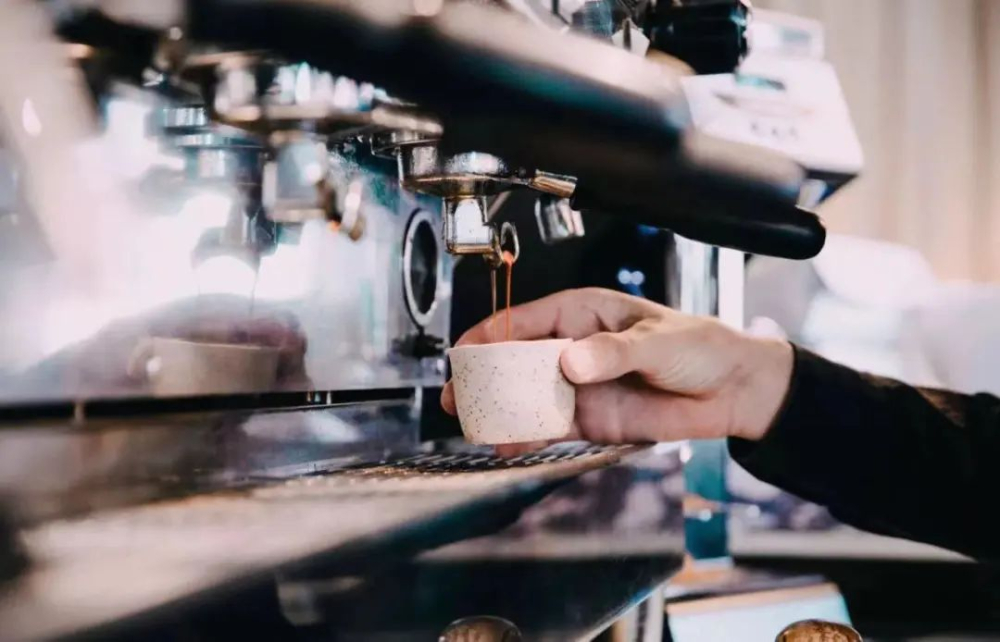
The Art of Coffee Interpretation
Beyond the beans themselves, the roaster's and barista's interpretation matters enormously. Not every single origin suits every extraction method.
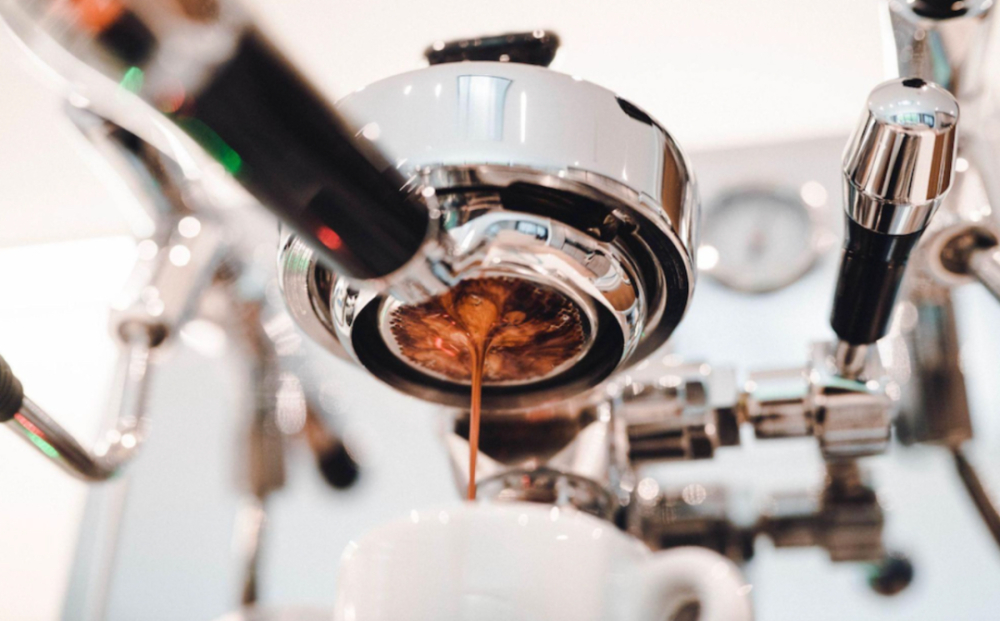
SOE may use single origin beans, but pulling a genuinely delicious espresso truly tests the skill of the "interpreter"!
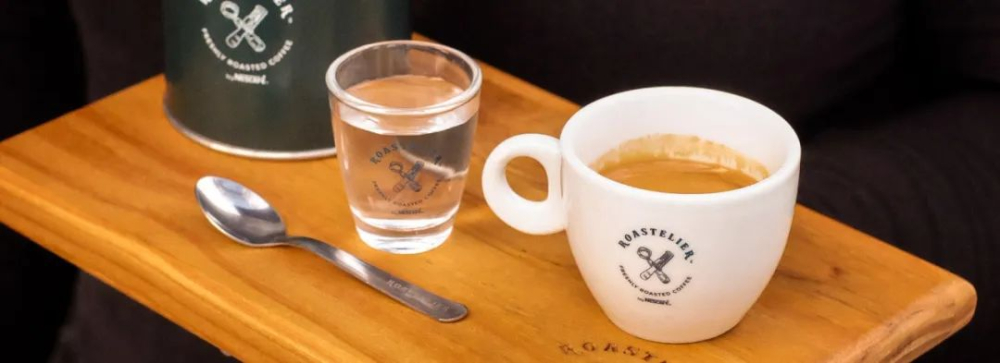
Challenges of Single Origin Espresso
Push a single origin through an espresso machine, and its good flavors can easily turn unpalatable as concentration spikes. Consistency is another hurdle, thanks to the beans' release of carbon dioxide.
During coffee's second wave — the era of Italian-style coffee — roasters combined origins with complementary flavors to balance each other's shortcomings, making espresso stable and accessible to the masses.
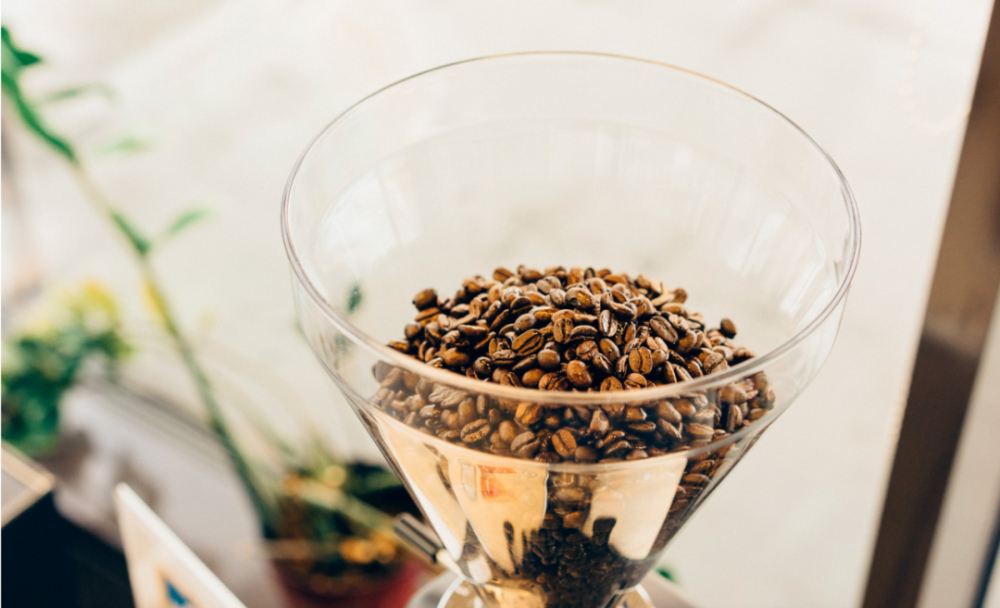
With the third wave and rising bean quality, more people began challenging themselves with single origin espresso. Fashion is cyclical — but not every interpreter can take fashion to its extreme.
The Third Wave: Quality and Complexity
The third wave pursues rich, delicate flavor expression, and to preserve acidity, roasting has grown steadily lighter.
In drip brewing, lightly roasted beans express more fresh, layered flavors because the concentration is lower. Raise the concentration — as espresso does — and acidity sharpens while the mouthfeel thins for lack of body compounds.
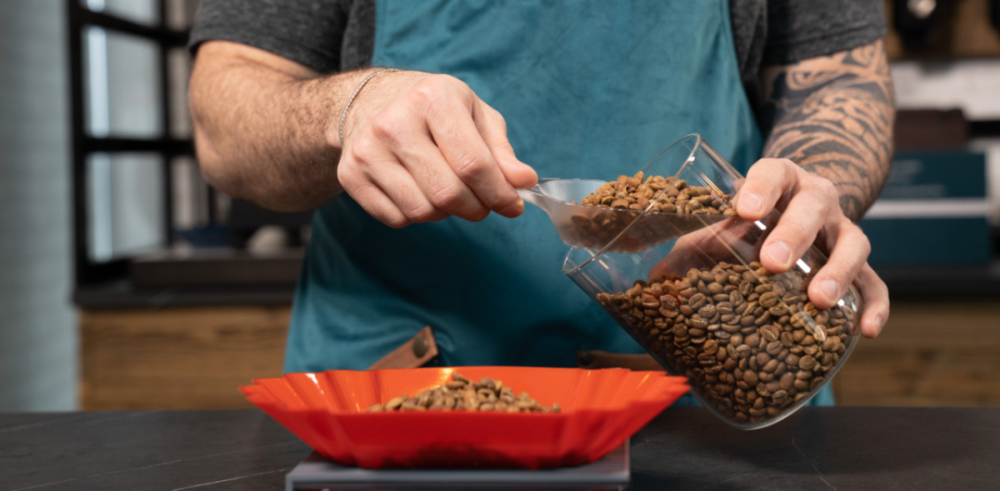
The Balance of Expertise
Balancing a single origin's strengths and weaknesses requires deep understanding of the bean, a roast approach developed specifically for pressure extraction, and suitable extraction parameters. Without the right roast and extraction, even specialty-grade beans may not produce a specialty coffee in the cup.
For drinkers used to traditional flavors, jumping from stable, balanced blends to more idiosyncratic single origins is a real leap.
People try SOE for two reasons. One: chain brands heavily promote it as a selling point, letting consumers directly taste the difference from traditional espresso blends. Two: some drinkers have specific preferences — flavor, origin, processing method — and happily seek out more single-origin drinks.
The True Essence of Specialty Coffee
Each wave of coffee builds on the last; a new wave never renders the old one worthless. SOE's popularity reflects a maturing specialty market — but it doesn't represent all of specialty coffee.
The third wave isn't really about any single cup. It encompasses everything connected to coffee — a complete supply chain. It's an experience.
A shop offering a distinctive SOE gives customers more choices and deepens their impression of the place — all good. But if it doesn't? No big deal. Professional service, high-quality beans, and consistently excellent coffee are the true assets of a specialty coffee shop.
Image source: Internet
FrontStreet Coffee Recommendation
If you'd like to try SOE-style single origin espresso — or simply brew a fruit-forward pour-over on a V60 — FrontStreet Coffee suggests:
- FrontStreet Ethiopia Guji Dingding (Yirgacheffe, washed) — jasmine florals, lemony citrus acidity, and berry tones with a green-tea sweetness; the classic, approachable V60 bean.
- FrontStreet Ethiopia Huakui (Sidama, natural) — explosive tropical fruit — strawberry, passion fruit, jackfruit, lychee — with pronounced sweetness and almost no bitterness; famously "the coffee that doesn't taste like coffee."
- FrontStreet Panama Boquete Geisha (washed) — pure Geisha genetics from Panama's most representative specialty region: clear orange-blossom honeyed sweetness, and versatile enough to explore through different brewing methods.
Important Notice :
FrontStreet Coffee is a long-established specialty coffee roaster in Guangzhou China, selling freshly roasted beans from its own farm in Yunnan as well as dozens of carefully selected single-origin beans from around the world for both pour-over and espresso. The products deliver consistently excellent quality and great value, with shipping within 24 hours. Guangzhou's FrontStreet Coffee shop is recommended by many coffee lovers, and the beans are now available online at the Tmall 。
FrontStreet Coffee has moved to a new address:
FrontStreet Coffee Address: 315,Donghua East Road,GuangZhou
Tel:020 38364473
 Scan and follow the En Gafei WeChat official account. Please indicate that the reprint comes from "En Gafei".

