
What Are the Essentials of Coffee Bloom Water Injection? Hand-Drip Coffee Correct Bloom Water Amount and Time Parameters
Understanding Coffee Blooming: Process and Impact
Wetting the coffee grounds with a small amount of water and waiting for the bed to expand and release gas is what we call "blooming." Nearly every brewing method includes this step. So what does blooming actually do, and how does it shape the flavor in the cup?
The Purpose of Coffee Blooming
We bloom coffee mainly to drive off the carbon dioxide that blocks flavor compounds from escaping. Once that gas is out of the way, extraction becomes easier. That is why adding a bloom to pour-over coffee makes the whole process simpler.
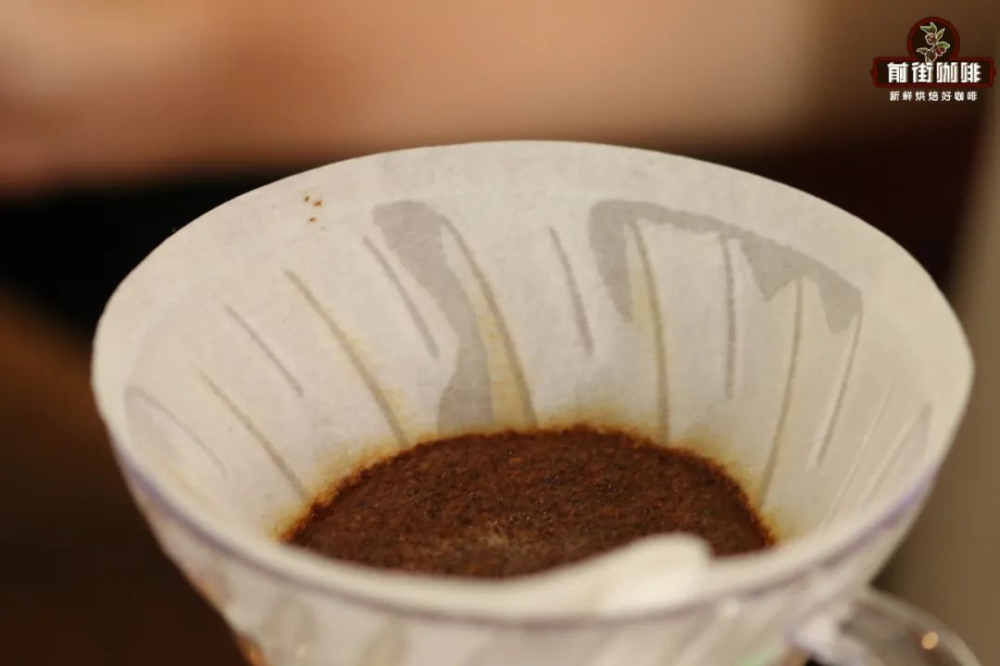
Is Blooming Essential for Pour-Over Coffee?
Strictly speaking, blooming is not a required step. FrontStreet Coffee has previously shared a "single-pour" method, which grinds the beans extremely fine and pours all the water in at once, skipping the bloom entirely.
For most brewing methods, though, a bloom is an easy way to improve extraction stability and extraction rate. After blooming, the coffee bed has released its carbon dioxide, so the gas no longer interferes with the pour. If you pour water straight in without blooming, or if the bloom is insufficient, the bed keeps releasing bubbles throughout the brew and hinders extraction.
Key Considerations for Coffee Blooming
Since blooming matters so much in pour-over, what should you watch during the bloom? More specifically, how do changes in water amount, blooming time, and pouring technique affect flavor?
Bloom water amount and time are mainly dictated by the state of the coffee bed. The ideal is for the water to just completely moisten the grounds, with very little dripping into the server below. Judging bloom time comes down to watching the bed expand. When the grounds swell, gas is being released. When the bed settles and stops "exhaling," the blooming and degassing are complete.
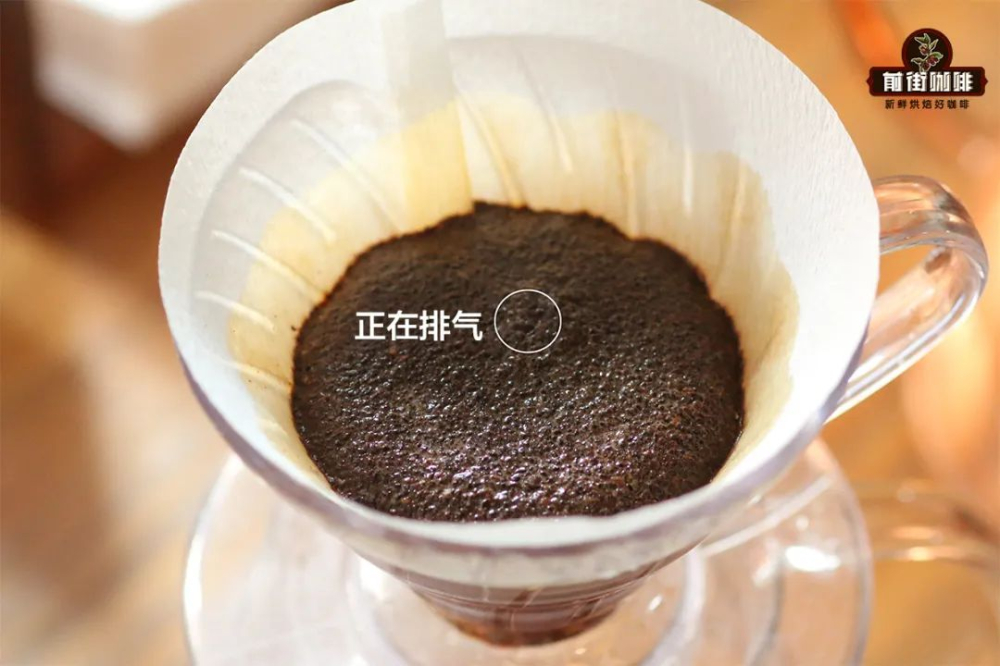
In practice, using twice the weight of the coffee grounds in water is common, with a blooming time of about 30 seconds.
Impact of Water Amount and Time on Flavor
So what happens to flavor when water amount and time vary? Take twice the coffee's weight in water as the standard bloom amount and 30 seconds as the standard bloom time. Then:
- When the water amount is below standard, the bed may not be fully moistened. If your pouring technique is not solid, grounds at the edges of the surface can stay dry. It is also possible for the surface to look fully wet while some grounds at the bottom remain unsaturated. Coffee brewed this way may taste astringent.
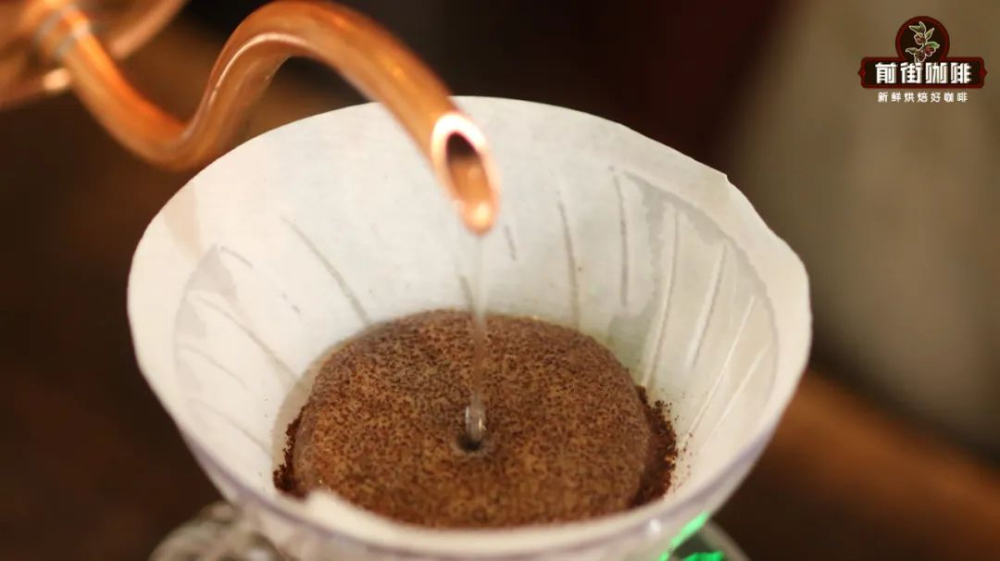
- When the water amount exceeds the standard, too much bloom liquid may flow into the server too early. With the coffee-to-water ratio unchanged, the water you pour afterward will be less than planned, and the coffee will tend to taste more acidic with a thinner mouthfeel.
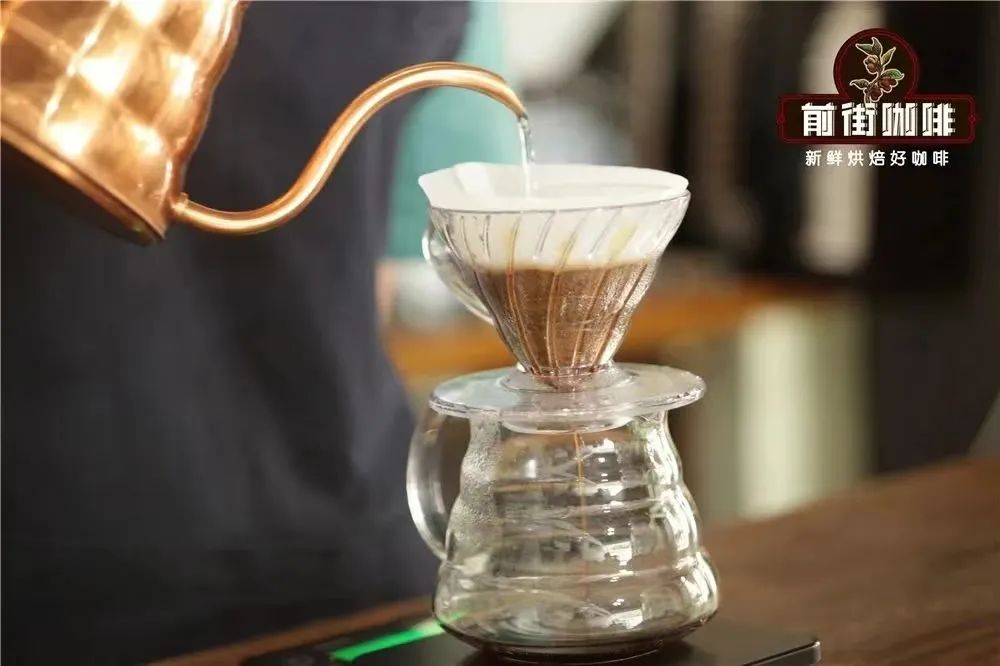
- When the bloom time is shorter, the carbon dioxide inside the grounds cannot fully escape. If you see large bubbles still rising from the bed during the pours that follow, the bloom was insufficient. Trapped gas blocks the extraction of flavor compounds, and the bursting bubbles disturb the pour as well. Coffee brewed in this state shows green, harsh, sharp acidity.
- When the bloom time is longer, the moisture on the surface of the bed, which looks a bit like a hamburger patty, gradually sinks and leaves the expanded grounds behind. Big gaps open up between the grounds as they lose water. When you resume pouring, a hole appears, followed by some coarse coffee foam. If you see this, the bloom ran too long. Coffee brewed this way tends to finish bitter, with the sweet and sour notes less pronounced.
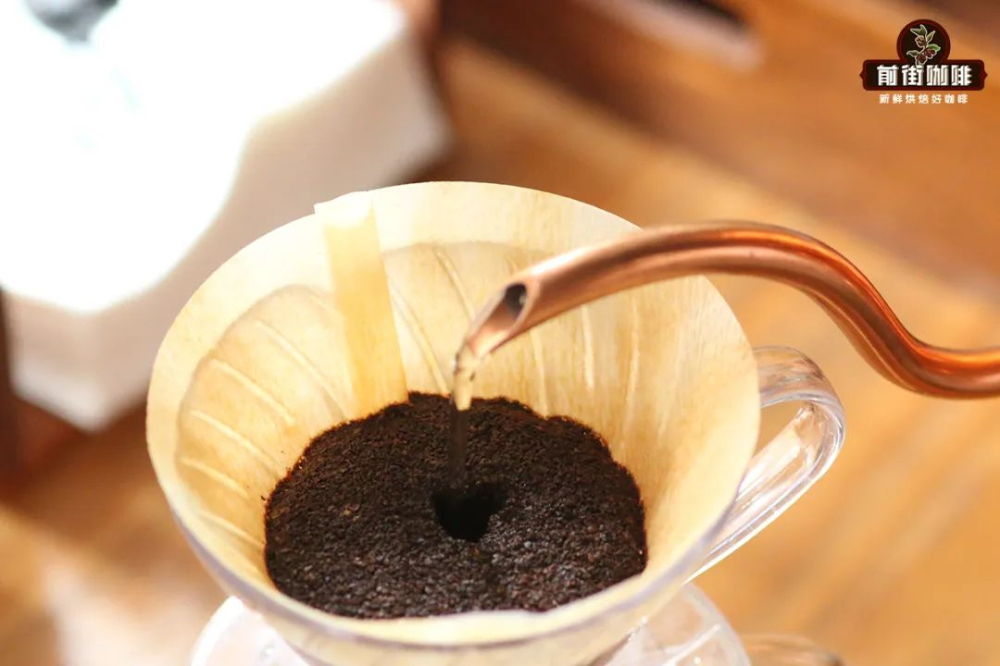
Blooming Pouring Technique
As for how to pour the bloom, FrontStreet Coffee suggests that beginners work in a circular motion from the center outward until the surface of the grounds is completely moistened. It is the simplest way to make sure the coffee bed is properly saturated.
FrontStreet Coffee Recommendation
A good bloom rewards a bean with something worth extracting, and the classic light-roasted lots are ideal for showing it off. FrontStreet Yirgacheffe Gudingding is many drinkers' first step into specialty coffee, and for good reason: it shows bright citrus, berry, and floral notes alongside a green-tea sweetness. Unlike the sharp "acid coffee" people imagine, a quality Yirgacheffe stays soft and bright, closer to the natural sweet-tartness of fruit, which makes it very easy to accept when you are still learning to manage bloom and pour.
If you want a bolder fruit profile, FrontStreet Ethiopia Huakui is one of the standout hits of recent years, with tropical aromas of strawberry, passionfruit, jackfruit, and even lychee, pronounced sweetness, and almost no bitterness, so it drinks smooth and juicy. And if you are looking for something cleaner and more layered, FrontStreet Kenya Little Tomato, a washed Kenyan from the Sika region grown at 1550-1750m from the SL28 and SL34 varieties and given a 72-hour double washed fermentation, brings vivid cherry-tomato and dark plum acidity with a clean, long finish.
Important Notice :
FrontStreet Coffee is a long-established specialty coffee roaster in Guangzhou China, selling freshly roasted beans from its own farm in Yunnan as well as dozens of carefully selected single-origin beans from around the world for both pour-over and espresso. The products deliver consistently excellent quality and great value, with shipping within 24 hours. Guangzhou's FrontStreet Coffee shop is recommended by many coffee lovers, and the beans are now available online at the Tmall 。
FrontStreet Coffee has moved to a new address:
FrontStreet Coffee Address: 315,Donghua East Road,GuangZhou
Tel:020 38364473
 Scan and follow the En Gafei WeChat official account. Please indicate that the reprint comes from "En Gafei".

