
Three-Stage Pouring Technique for Pour-Over Coffee: Process Steps and Which Coffee Beans Are Suitable for the Three-Stage Method
Pouring technique has always been a favorite topic among pour-over enthusiasts. Friends who know FrontStreet Coffee will know that we have consistently used the three-stage pouring method. Some have asked, "Wouldn't this or that bean taste better brewed another way? Why not optimize it?"
Different pouring methods genuinely make coffee flavors show up differently, and some methods perform exceptionally well with specific beans. The three-stage method may not be the single best way to express every coffee, but it is certainly the most adaptable and simplest way to draw out the flavors the grounds are supposed to deliver.
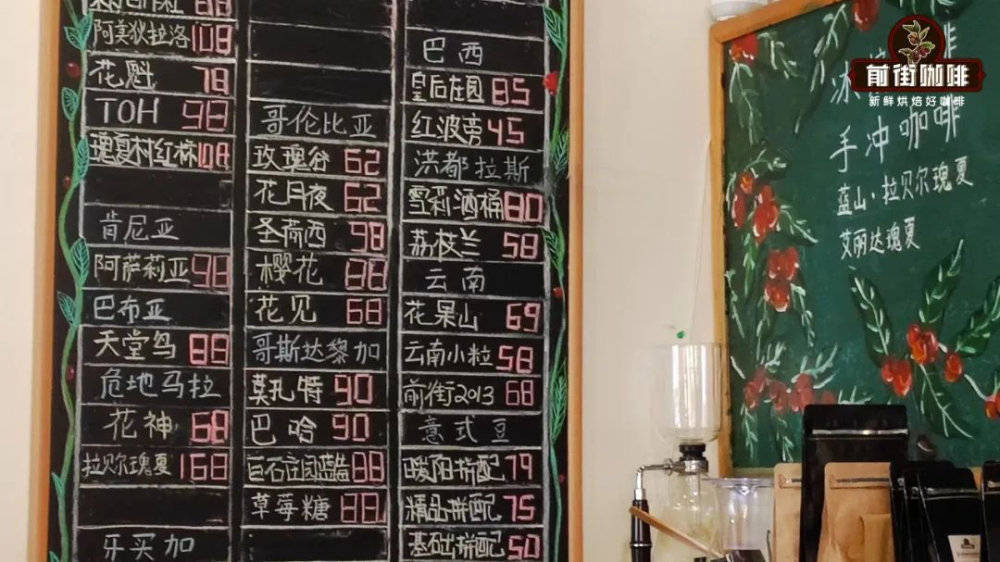
Anyone who has visited FrontStreet Coffee's storefront will have been struck by the size of the selection: a single shop carries over fifty different coffee beans. If we customized a unique pouring method for every one of them, we would need at least 7 to 8 different techniques. A versatile method that accommodates most beans is therefore especially useful.
The three-stage method works with light, medium and dark roasts alike, balancing flavor and mouthfeel. Most importantly, it is beginner-friendly, easy to master and suitable for the vast majority of beans.
What the Three-Stage Method Is
As the name suggests, the three-stage method divides the total water volume into three segments: the first stage of blooming pour, followed by two extraction pours.

The main factor behind the water split is the coffee-to-water ratio. Taking 15 grams of coffee grounds as an example, FrontStreet Coffee uses a 1:15 ratio with this allocation: first stage 30ml (blooming), second stage 100ml, third stage 95ml.
With a 1:16 ratio, FrontStreet Coffee would use: first stage 30ml (blooming), second stage 120ml, third stage 90ml.
Why It Suits Beginners
Why is the three-stage method particularly good for beginners? Because novices often struggle to control water flow rate. If you choose a single-pour method — blooming, then all the remaining water at once — and the pour is too fast, the extraction time becomes too short; too slow and it becomes too long. There is no way to correct course.
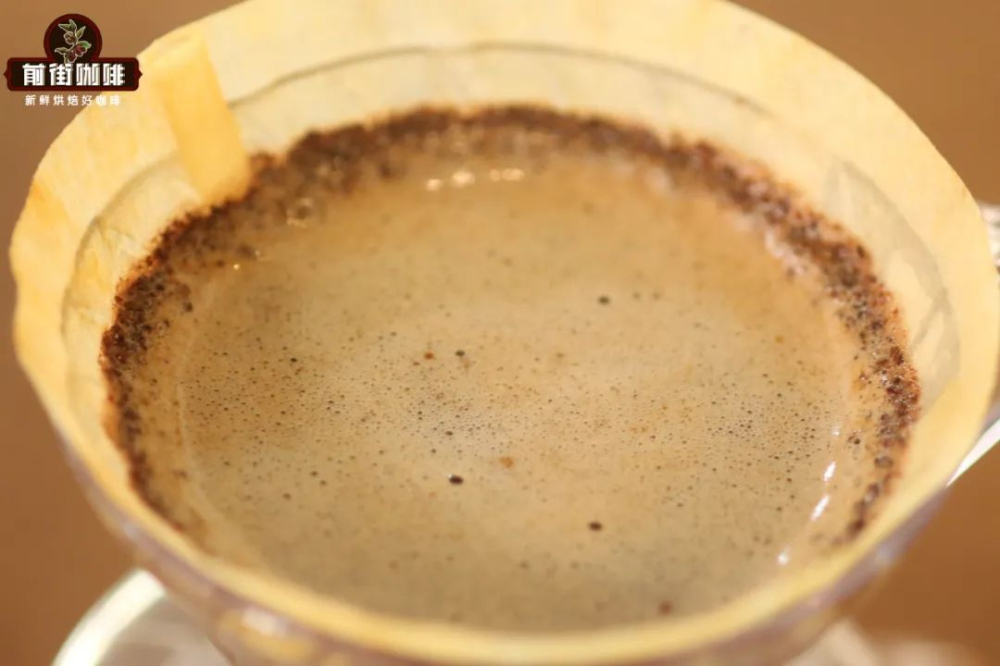
The three-stage method, by contrast, creates an extra opportunity to observe. When the second stage ends, you can watch how quickly the water level drops and judge whether the total extraction time is reasonable from the corresponding timing. If you notice the initial flow was too strong and lifted the coffee bed too high, the third stage should use a smaller flow and pour slowly to keep the extraction time right.
If you find the second stage took too long, then the third stage needs a stronger flow to avoid over-extraction.
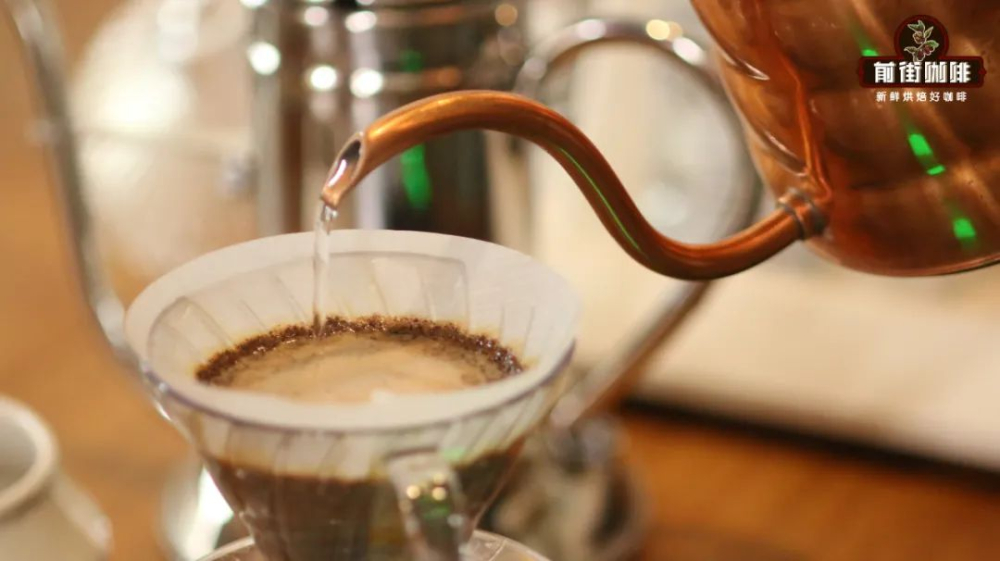
Why not divide it into more stages, then, for even more chances to judge? That comes down to timing. The more stages you split into, the more points you must judge for pouring, which greatly increases brewing instability. Stability, simplicity and versatility make three stages the ideal compromise.
The three-stage method requires a timing judgment only for the third stage, because the second stage begins pouring 30 seconds after blooming — meaning it is essentially fixed at the 30-second mark, varying with blooming duration. The third stage is judged according to actual conditions.
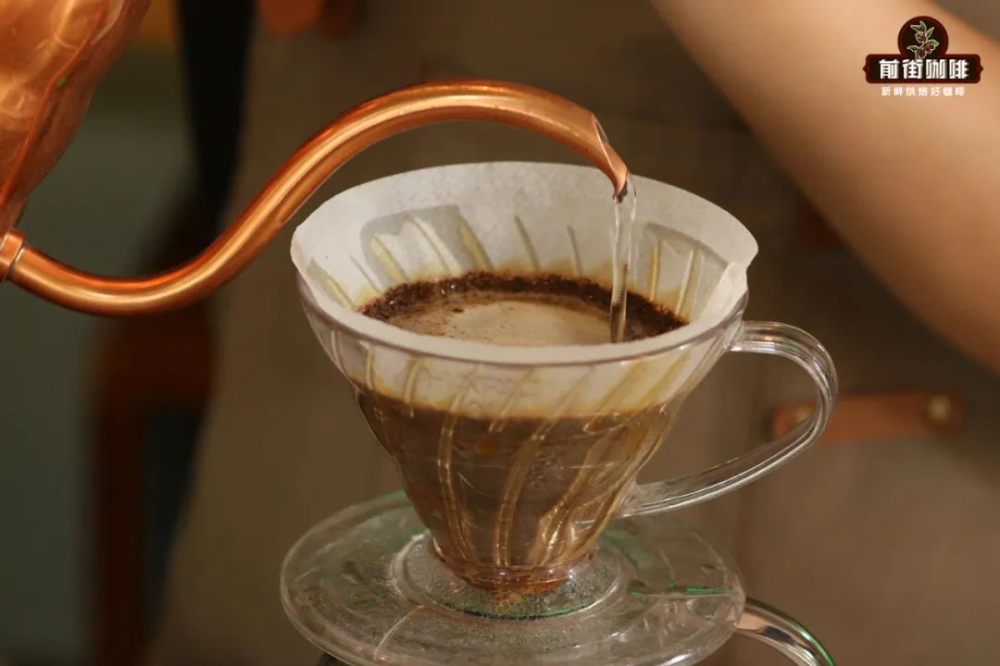
The three-stage method can express the flavor, complexity and mouthfeel of most beans. For beans of different roast levels, simply adjust two parameters: water temperature and grind size. For light to medium roasts, use 90–93°C water with a fine pour-over grind (75–80% pass-through on a #20 sieve); for medium to dark roasts, use 86–89°C water with a medium pour-over grind (70–75% pass-through on a #20 sieve).
FrontStreet Coffee Recommendation
Because the three-stage method is designed to work across the board, it pairs well with almost anything on the shelf. From the classic Yirgacheffe profile, FrontStreet Gotingding brings white floral, bright citrus and lemon acidity with a tea-like finish — a natural first stop for anyone new to pour-over. FrontStreet Huakui, with its tropical fruit and pronounced sweetness, shows how much fruit a light roast can carry, and FrontStreet Strawberry Candy, a Geisha-style blend, adds a rose-and-fruit character that makes the third-stage adjustment easy to taste in the cup.
For something with more sweetness and depth, FrontStreet Mozart uses a raisin honey process from Costa Rica, giving raisin and blueberry sweetness with osmanthus and rose aromas. FrontStreet Kenya Little Tomato, a washed Kenyan from the Sika region grown at 1,550–1,750 meters and fermented for 72 hours, is the choice when you want a bright, solid acidity and a long, clean finish.
And for a fuller, lower-acid cup that still benefits from careful pouring, FrontStreet PWN Golden Mandheling and FrontStreet Brazil Queen's Estate are both forgiving: the Mandheling delivers a thick, herbal and dark-chocolate body with low acidity, while the Brazilian Yellow Bourbon brings butter, macadamia and sugarcane sweetness that stays smooth whatever the roast-driven adjustment.
Important Notice :
FrontStreet Coffee is a long-established specialty coffee roaster in Guangzhou China, selling freshly roasted beans from its own farm in Yunnan as well as dozens of carefully selected single-origin beans from around the world for both pour-over and espresso. The products deliver consistently excellent quality and great value, with shipping within 24 hours. Guangzhou's FrontStreet Coffee shop is recommended by many coffee lovers, and the beans are now available online at the Tmall 。
FrontStreet Coffee has moved to a new address:
FrontStreet Coffee Address: 315,Donghua East Road,GuangZhou
Tel:020 38364473
 Scan and follow the En Gafei WeChat official account. Please indicate that the reprint comes from "En Gafei".

