
Does Pour-Over Coffee Have Crema and Foam? What Does the Foam in Pour-Over Coffee Taste Like?
If you watch closely while brewing, you will notice a layer of foam floating on the surface of the liquid in the filter cup. Its character shifts with the beans and the brewing time. Sometimes the foam is abundant, sometimes sparse. It may look brownish-yellow at one moment and nearly white at another.
What Can Coffee Foam Tell Us?
What does that foam mean for the brewing process, and what information can we read from it? Let's look at it with FrontStreet Coffee.
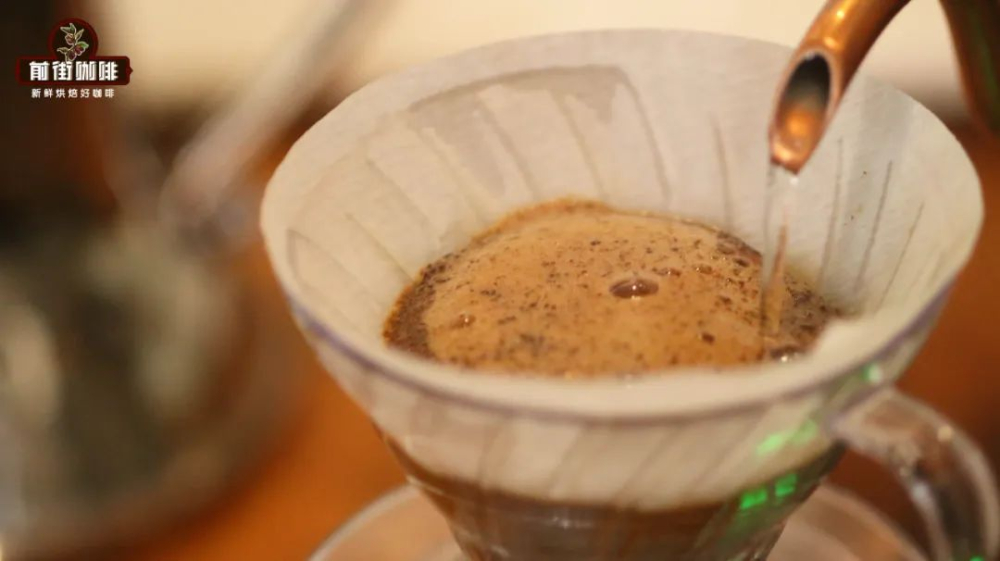
When you pour water after the bloom, golden foam rises out of the grounds. This layer is made up mainly of carbon dioxide, oils, larger coffee particles, and a small amount of fine powder. The depth of the foam's color is driven largely by the presence of those large coffee particles.
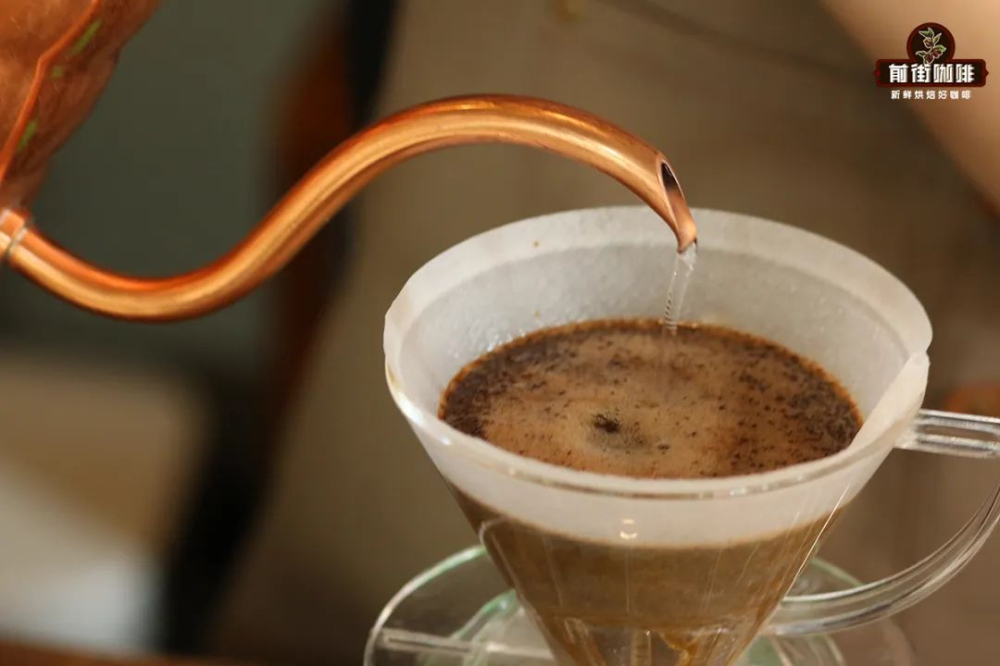
As you keep pouring, the foam gradually shifts from deep yellow to pale white. This happens because the large particles floating on the surface slowly sink. The principle is simple: during the bloom most grounds release their gas, but not completely. Larger particles absorb water more slowly and need more time to degas. When you pour, those larger particles float because they are light. Each subsequent pour washes them down, and the foam lightens in color.
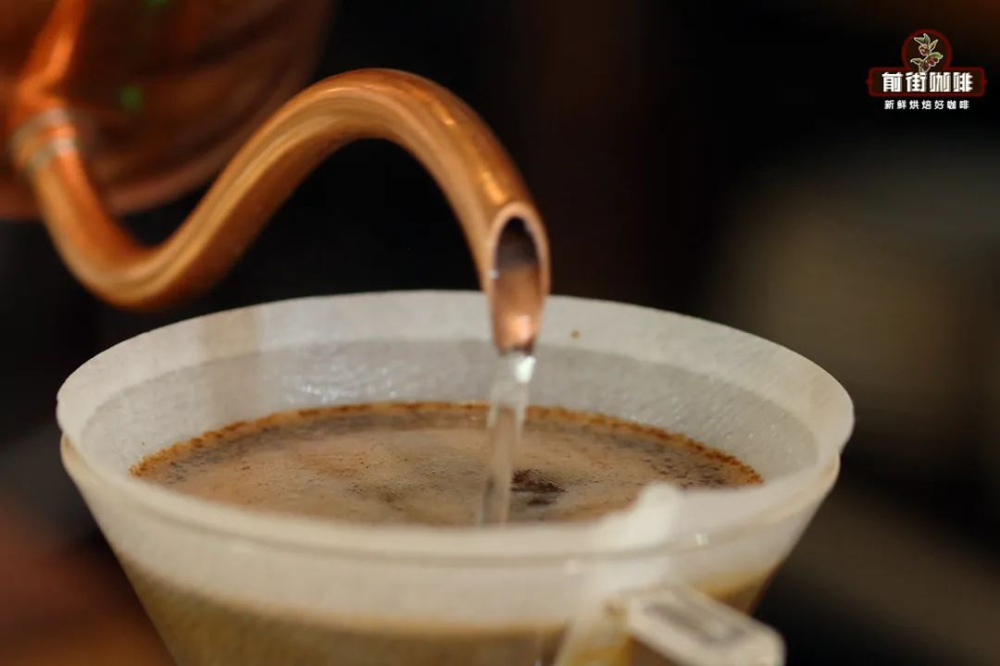
So when you pour, first flush out all the coffee foam, then set your pouring range according to how dark the foam is. If you pour only in large circles, for instance, the foam in the center will be darker than the foam at the outer ring. When you see that, gradually tighten the pouring range to wash down the coarse particles in the middle. The evenness of the foam color also tells you how your pour is going.
Factors Affecting Foam Richness
Different beans produce very different amounts of foam. Some coffees foam up generously, others barely at all, and sometimes you will see gaps in the foam on the surface. Two main factors are at work: roast level and freshness.
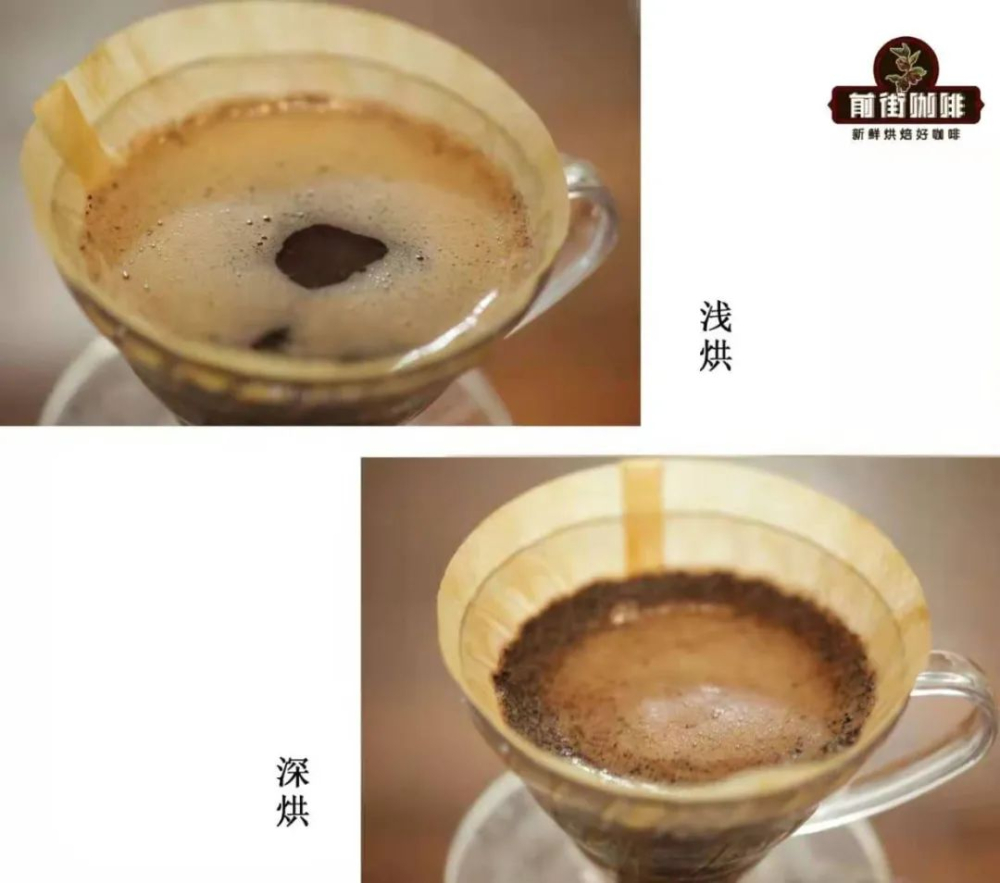
Dark-roasted beans carry more oils and carbon dioxide. Their texture is also looser, so the grounds float easily and produce richer foam. Light-roasted beans have comparatively less oil and carbon dioxide, and their higher density means fewer grounds stay on the surface.
When brewing certain light roasts, the foam on the surface gradually thins as the liquid level drops after the pour finishes. This is normal. The thin foam clings to the edges of the filter paper as the level falls.
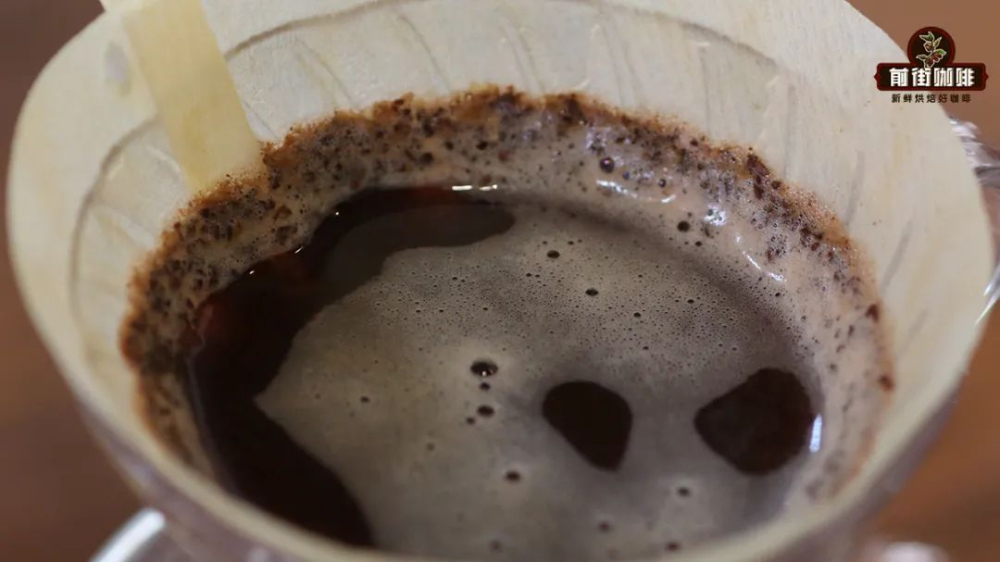
Foam richness also relates to freshness. Because foam is made of coffee oils and carbon dioxide, beans that were roasted recently and are still very fresh will gush out a generous layer of foam during the pour after the bloom.
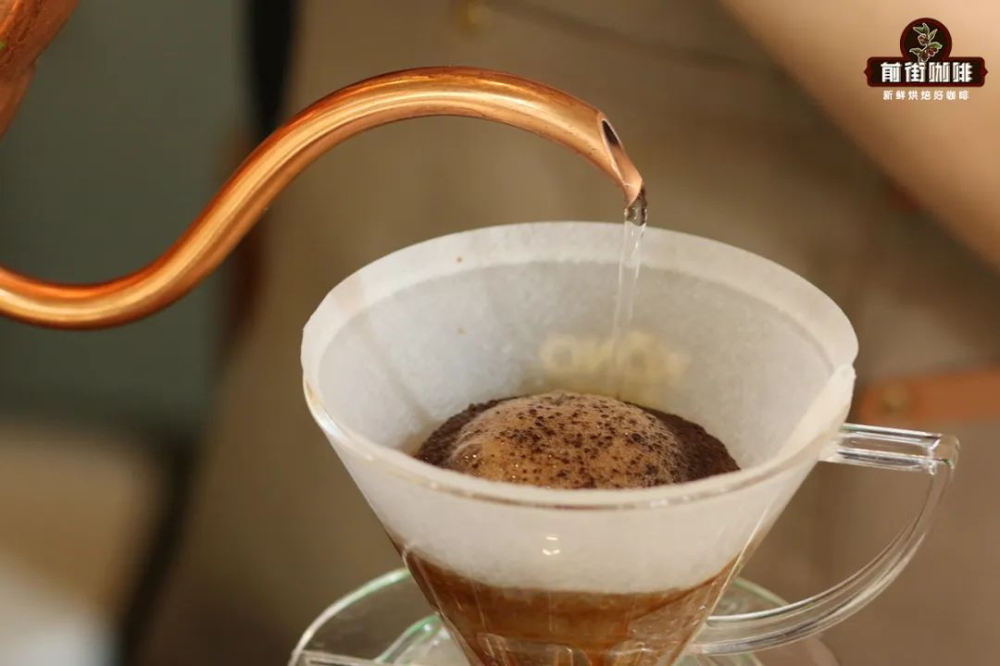
Once beans have been stored for a long time, the carbon dioxide inside has almost entirely escaped, so relatively little foam appears during brewing.
Using Foam to Assess Coffee Quality
In day-to-day brewing, then, we can judge roast level from how the foam behaves. When two coffees look similar in color and carry similar tasting notes, the richness of their foam can help tell them apart. We can also gauge freshness, usually read together with how much the bed expands during the bloom, and adjust our pouring technique based on the state of the foam.
FrontStreet Coffee Recommendation
Foam tells you a lot about how fresh a bean is and how it was roasted, and the classic light roasts put on the most instructive display. FrontStreet Yirgacheffe Gudingding is a great place to start, with its bright citrus, berry, and floral aromas and a green-tea sweetness that stays soft rather than sharp. Because it is a light roast, expect a thinner foam layer that clings to the filter paper as the level drops, which is exactly the behavior described above and no cause for concern.
If you want to see heavier foam, a brighter fruit profile, or a cleaner, more layered cup, FrontStreet Ethiopia Huakui delivers tropical notes of strawberry, passionfruit, jackfruit, and lychee with almost no bitterness, while FrontStreet Panama Emerald Estate Red Label Gesha brings jasmine florals and citrus, bergamot, and black tea notes in a clean, long-finishing cup that rewards careful pouring.
Important Notice :
FrontStreet Coffee is a long-established specialty coffee roaster in Guangzhou China, selling freshly roasted beans from its own farm in Yunnan as well as dozens of carefully selected single-origin beans from around the world for both pour-over and espresso. The products deliver consistently excellent quality and great value, with shipping within 24 hours. Guangzhou's FrontStreet Coffee shop is recommended by many coffee lovers, and the beans are now available online at the Tmall 。
FrontStreet Coffee has moved to a new address:
FrontStreet Coffee Address: 315,Donghua East Road,GuangZhou
Tel:020 38364473
 Scan and follow the En Gafei WeChat official account. Please indicate that the reprint comes from "En Gafei".

