
Flavor Profile Characteristics of Medium-Dark Roast Coffee Beans: How to Brew Mandheling and Blue Mountain Coffee for Best Taste

Acidic coffee offers the uplifting flavors of flowers, fruits, and all kinds of sugars. But what about bitter coffee? Elders like to say that young people should endure more hardship and suffer fewer losses, yet surely no one but an ascetic actively seeks out bitterness. Bitter coffee is really about life...
Um, such poetic sentiment isn't really FrontStreet Coffee's style. Bitter coffee does have its own flavors, mostly revolving around chocolate, caramel, and nuts, and that pales beside the complexity of acidic coffee. Of course, some people can't get used to acidic coffee and prefer the taste of bitter coffee. But in terms of flavor complexity, bitter coffee falls far short, because the specialty coffee flavor vocabulary we encounter today was built around acidic coffees.
The Relationship Between Roasting and Coffee Acidity

Coffee's acidity and bitterness are actually determined by roasting. In coffee roasting there is a term called "first crack," when the beans, having absorbed heat to a certain point, can no longer store energy and release it by cracking. Simply put, it tells you the beans are done.
If you remove them at that point, the coffee will be very acidic. If you continue roasting after first crack begins and wait until the cracking sounds become dense before removing them, the coffee will have both acidity and sweetness. If you don't stop even then and keep waiting until all sound ceases, the coffee you remove afterward will be bitter, and the longer you wait, the more bitter it becomes.
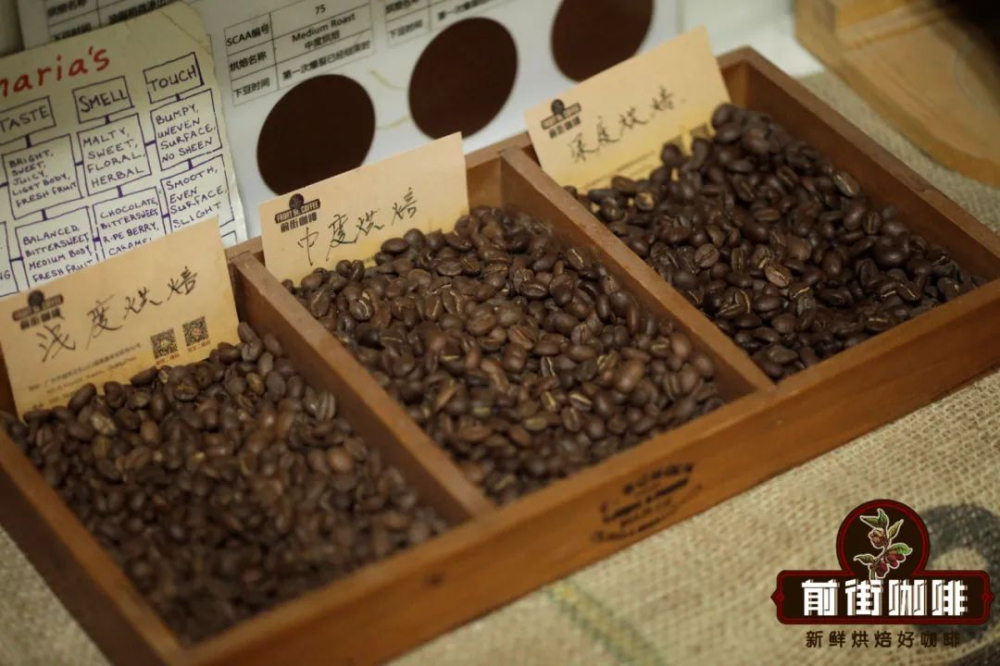
Acidity, meaning lightly roasted beans, displays rich aroma and flavor. Current roasting trends suggest that beans showing excellent acidity should never be roasted dark. But not all beans suit light roasting. Some develop acidity when roasted light, but it isn't pleasant, or that roast level amplifies other faults such as mouthfeel and sweetness. Such beans are roasted darker to eliminate the unpleasant acidity and to make the coffee sweet and bitter through caramelization reactions.
The Advantages of Bitter Coffee
Although bitter coffee doesn't have as many flavor dimensions as acidic coffee, it has its advantages: mouthfeel. Darker roasting lets oils seep from inside the beans to the surface, making them easier to extract, and those oils enhance the coffee's mouthfeel.
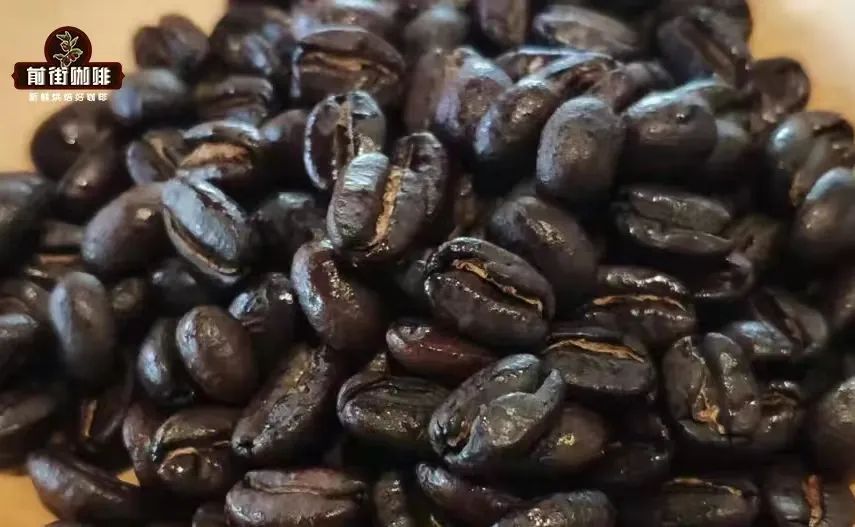
Bitter coffee isn't necessarily bad-tasting coffee. As FrontStreet Coffee mentioned earlier, a well-roasted, well-brewed bitter coffee carries rich caramel aroma, dark chocolate, and nut flavors, with sweetness following the bitterness, creating a mellow, smooth mouthfeel. That is why many people still enjoy this kind of coffee, savoring its gentle, rich sensation.
But brewed poorly, that bitterness becomes unforgettable, like drinking herbal medicine, lingering long after. So brewing methods that preserve bitter coffee's flavor while showing off its mouthfeel are worth exploring.
Brewing Techniques for Bitter Coffee
If you want to avoid overwhelming bitterness, FrontStreet Coffee suggests not being too aggressive with the parameters. Use water temperatures between 86-88°C to make the coffee gentler with less pronounced bitterness. The grind should be slightly coarser than for acidic coffee. According to FrontStreet Coffee's calibration on a #20 sieve, this is the setting with a 70% pass-through rate.

On coffee-to-water ratios, if you want to highlight flavor, you lean toward using more water to lower concentration, which helps you appreciate richer flavors; brewing floral, fruity acidic coffees typically uses a 1:16 ratio. For bitter coffees, you lean toward brewing more concentrated flavors, which keeps the bitterness from spreading too widely and also enhances mouthfeel to some extent. Of course, overly concentrated coffee can be unpleasant. Japanese-style coffee, known for its fragrant, rich, and pure bitterness, typically uses ratios around 1:12. FrontStreet Coffee believes ratios between 1:13 and 1:15 more easily showcase both the flavor and the mouthfeel of bitter coffee.
On filter choice, FrontStreet Coffee recommends slower-flowing drippers like the Kono or wedge-shaped drippers. These more easily produce a thick mouthfeel and gentle flavors.

For pouring, if you want orderly extraction without bitter, muddled flavors, slow your rhythm down: pour slowly and gently. FrontStreet Coffee suggests dividing the pour into three stages. The first stage uses double the coffee's weight in water for the bloom, and the second and third stages evenly split the remaining water. With 15g of grounds at a 1:15 ratio, for easy math, that comes to 30/100/95ml portions.
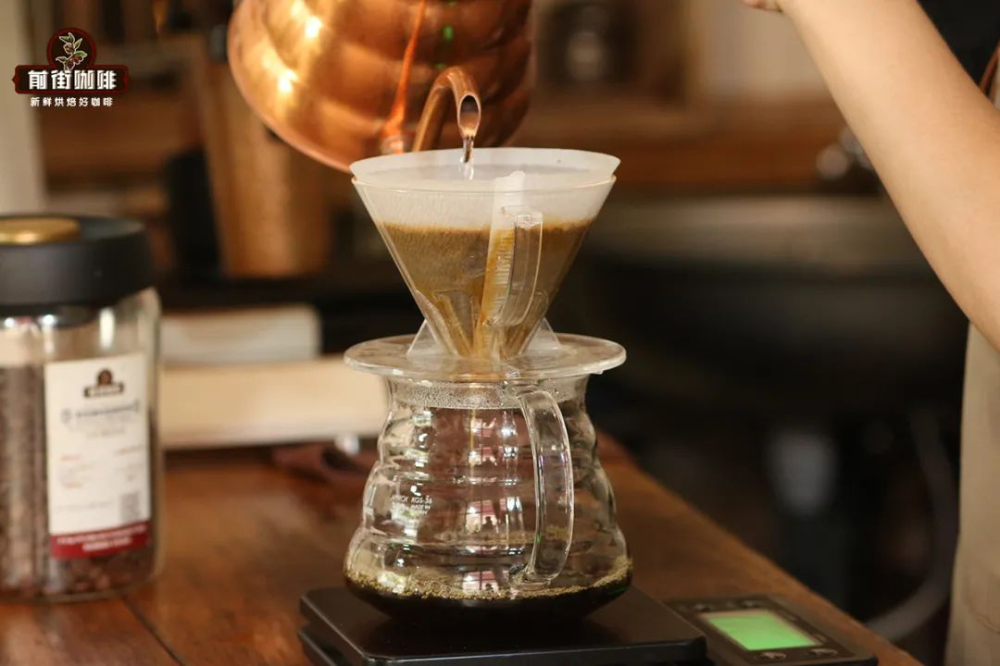
Here FrontStreet Coffee would add two details. During the bloom, make sure it is complete. You can judge this two ways: first, confirm that all the grounds are moistened and some coffee liquid has been released from the bottom; second, watch the grounds expand and then stabilize without releasing more gas. After the bloom, pour in circles as small as possible. The spent coffee bed after brewing will be slightly thicker than that of a lightly roasted coffee.
FrontStreet Coffee Recommendation
If a medium-dark, low-acid, full-bodied cup is what you're after, FrontStreet Coffee's Mandheling range is made for exactly this style. The PWN Golden Mandheling is the benchmark: grown in Sumatra and wet-hulled for that signature herbal and woody depth, it is hand-sorted three times and machine-sorted once to cut defects to a minimum, so the G1-grade cup is cleaner and sweeter, with a clear woody aroma and caramel sweetness on top of dark chocolate and spice. For a more rustic, everyday version, the Lintong Mandheling keeps the wild herbal, clove, and wood notes with a strong, lingering sweetness and low acidity.
If you would rather turn this flavor into a milk drink, FrontStreet Coffee's Classic Blend layers medium-dark Mandheling onto creamy Brazilian beans, with butter, roasted chestnut, and caramel standing out and a touch of Robusta for extra crema, making lattes, flat whites, and layered Dirty drinks easy to pull.
Important Notice :
FrontStreet Coffee is a long-established specialty coffee roaster in Guangzhou China, selling freshly roasted beans from its own farm in Yunnan as well as dozens of carefully selected single-origin beans from around the world for both pour-over and espresso. The products deliver consistently excellent quality and great value, with shipping within 24 hours. Guangzhou's FrontStreet Coffee shop is recommended by many coffee lovers, and the beans are now available online at the Tmall 。
FrontStreet Coffee has moved to a new address:
FrontStreet Coffee Address: 315,Donghua East Road,GuangZhou
Tel:020 38364473
 Scan and follow the En Gafei WeChat official account. Please indicate that the reprint comes from "En Gafei".

