Kalita Wave vs Hario V60: Comparing Pour-Over Coffee Flavor Profiles and Key Differences
Have you noticed that nowadays, apart from a few large chain brands, very few coffee shops use trapezoid-shaped drippers for pour-over? Almost all have switched to conical drippers with large holes. FrontStreet Coffee is here to explore this with everyone.
The Origins and Evolution of Coffee Drippers
The world's first coffee dripper was precisely the trapezoid-shaped dripper from Germany's Melitta, featuring an inverted trapezoid with a single hole, wider at the top and narrower at the bottom. Because the filter paper used had a fan shape, it was also called a fan-shaped dripper. Due to the popularity of espresso at the time, pour-over coffee remained a very niche household appliance.

Not until 1959, when pour-over coffee became popular in Japan, did Japan's Kalita "borrow" this trapezoid-shaped dripper and improve it, changing from a single hole to three holes. Kalita's trapezoid-shaped dripper became a classic among trapezoid drippers.
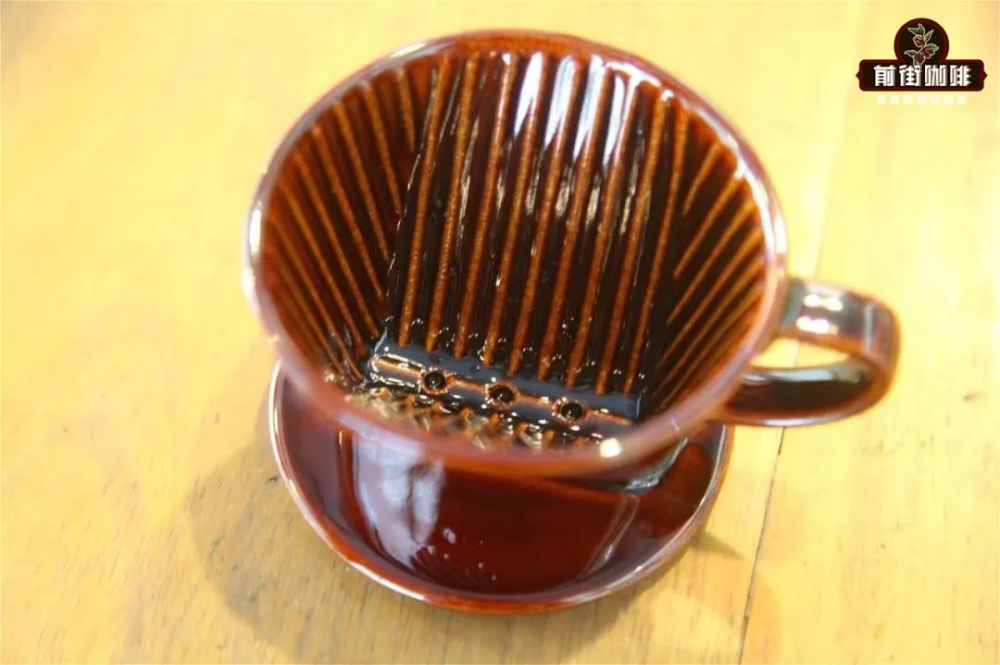
The earliest conical dripper was invented by Kono in 1968, while the classic V60 conical dripper appeared around 2000.
Comparing Classic Drippers: Kalita vs. V60
Given that, FrontStreet Coffee will use the classic Kalita 101 trapezoid dripper and compare it with the classic V60 conical dripper. Perhaps this will reveal why conical drippers are now widely used while trapezoid drippers have become increasingly rare.
FrontStreet Coffee used FrontStreet Coffee's washed Yirgacheffe and FrontStreet Coffee's Jamaica Blue Mountain for the comparison, keeping the brewing parameters constant. The flavor profiles after brewing were as follows:
FrontStreet Coffee's Yirgacheffe
V60: Delicate white floral notes and citrus fruit aroma, with citrus-like acidity and sweetness along with green tea undertones. Clean mouthfeel with distinct layering.
Kalita: Sweet fruity aroma, citrus-like acidity and sweetness, with prominent tea notes. Full-bodied, relatively rich, and well balanced.
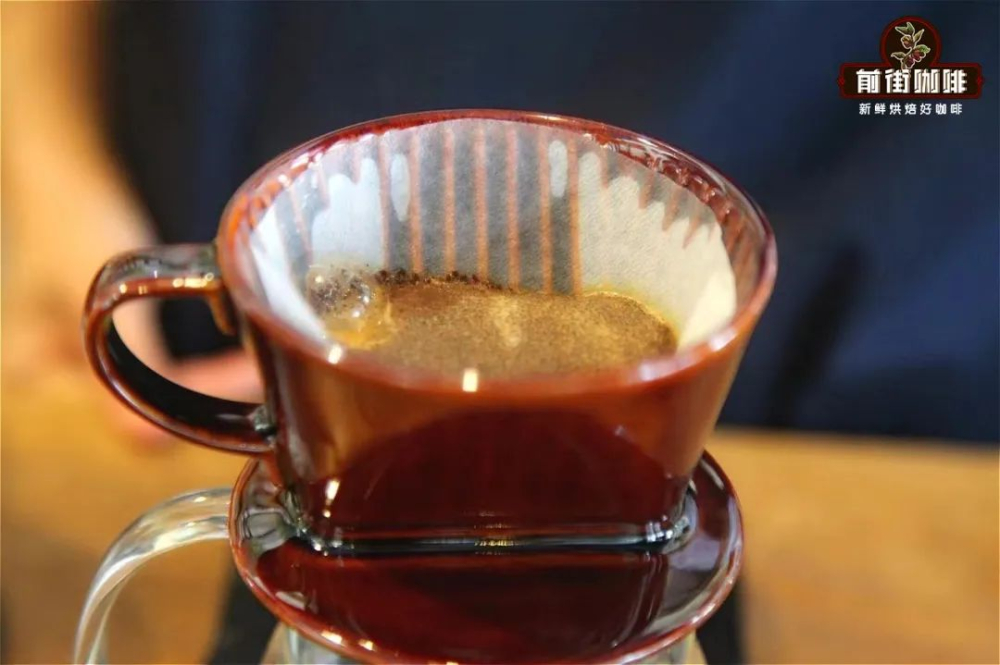
FrontStreet Coffee's Blue Mountain
V60: Refreshing mouthfeel, with black chocolate, nuts, and subtle sweet-and-sour fruit notes.
Kalita: Nutty and black chocolate flavors, with a mellow mouthfeel, balanced sweet, sour, and bitter notes, and a smooth finish.
Understanding the Flavor Differences
From the flavor profiles of coffee brewed with these two drippers, we can see that conical drippers represented by the V60 excel at expressing coffee bean flavors, while trapezoid drippers represented by Kalita excel at expressing balance and richness.
The secret to why these two drippers produce different flavor profiles lies in their structure. The V60's spiral, alternating short and long ribs, combined with a large drainage hole, allow water that has soaked the grounds to flow down quickly through the guide ribs. The conical structure makes even water distribution easier during pouring. This type of dripper relies on water flow to wash the grounds and extract coffee substances. Except for the earlier Kono dripper, subsequent conical drippers all belong to this category.
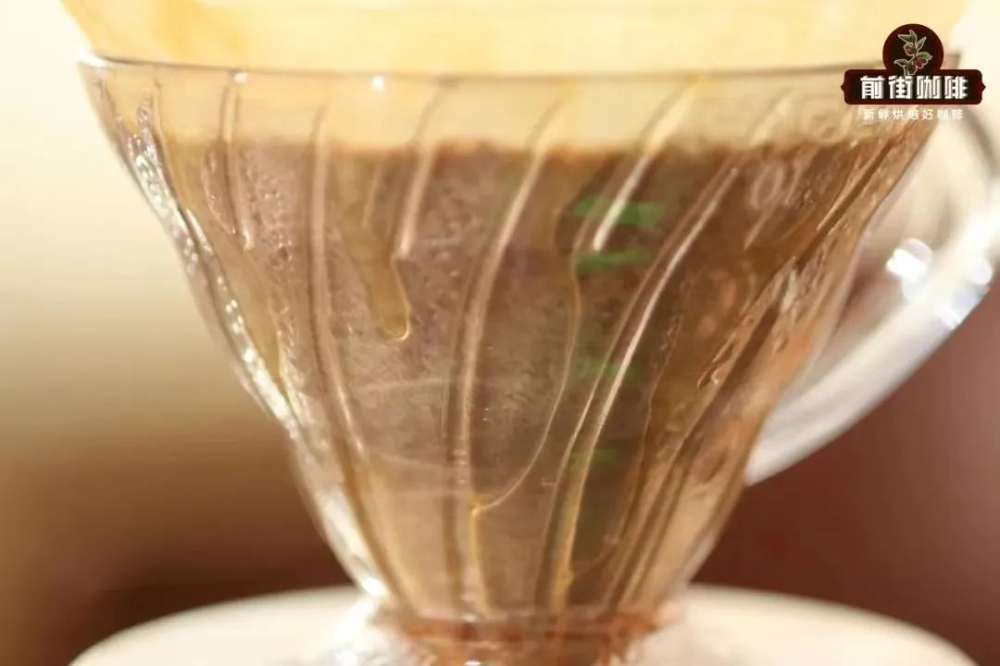
Although trapezoid drippers also have ribs, these vertical ribs primarily serve to release air during the bloom. The three small drainage holes result in slower water flow. While the trapezoid structure is not conducive to even water distribution, the slower flow actually makes pouring technique less critical. This design lets coffee be extracted mostly through immersion, resulting in a fuller, more balanced overall expression with a rich mouthfeel.

Why Trapezoid Drippers Are Becoming Rare
Returning to the question of why trapezoid drippers are increasingly rare today, the answer is essentially that they have been phased out of the environment. The emergence of the V60 around 2000 was also driven by demand. This was precisely the transition period when dark-roasted coffee was giving way to light-roasted coffee as the mainstream. For light-roasted coffee, greater emphasis is placed on flavor expression. The V60 was widely acclaimed and regarded as a classic precisely because it could better express coffee flavors (of course, marketing was also a factor). When community coffee shops offering pour-over blossomed everywhere, the exposure of conical drippers increased dramatically, and other shapes, including trapezoid ones, became even rarer.
Even so, we can still see trapezoid drippers in some large chain coffee brands. This brings us to their advantage: stability. Because trapezoid drippers have slower water flow, immersion extraction, and reduced sensitivity to pouring technique, as long as the dose, grind size, water temperature, ratio, and extraction time are well designed, the barista only needs to pour all the water within a fixed time. Whether you are a novice or an experienced expert, the final cup will not vary too much. That is why these stable, easy-to-use, and simple-to-operate drippers are highly favored by coffee chain brands with high staff turnover.
FrontStreet Coffee Recommendation
To get the most out of a V60, FrontStreet Coffee's Washed Yirgacheffe is a classic starting point. It is known for white jasmine florals, bright citrus and lemon acidity, and a tea-like body, and its approachable price makes it many people's first bag of specialty coffee. Yirgacheffe is a small town in southern Ethiopia's Sidamo region at roughly 1,700-2,100 meters, with coffee trees planted above 1,800 meters, making it one of the highest coffee regions in the world. Its reputation grew so large that the Ethiopia Commodity Exchange finally separated it from Sidamo in 2010, and the name "Yirgacheffe" became shorthand for a distinctive white-floral, lemon-citrus acidity.
For an even more distinctive Yirgacheffe, try FrontStreet Coffee's Gedingding Cooperative. Gedingding sits at the southeastern edge of Yirgacheffe in the Woka area; it was originally part of the Woka cooperative under the Yirgacheffe Coffee Farmers Cooperative Union (YCFCU) and was later pursued by coffee hunters around the world as a single origin in its own right. It follows the most traditional washed processing and is often called the last pure land of Yirgacheffe. The washed cup carries no traditional bitterness, instead bringing bright citrus and lemon acidity with jasmine fragrance that wins people over at the first sip.
And if you prefer the fruitier side of Yirgacheffe, FrontStreet Coffee's Sun-Dried Red Cherry is made from fully ripe red cherries only. The cherries go through a first sorting, then dry directly on raised beds, turned every 2-3 hours in the first few days to avoid uneven heat and over-fermentation. After three to five weeks of sun-drying, the dried pulp is scraped off by machine and the beans are moved to storage. Because they dry with the fruit intact, they keep the classic Yirgacheffe character alongside tropical fruit from the natural process: citrus acidity, berry juice, honey sweetness, and a creamy smoothness.
Important Notice :
FrontStreet Coffee is a long-established specialty coffee roaster in Guangzhou China, selling freshly roasted beans from its own farm in Yunnan as well as dozens of carefully selected single-origin beans from around the world for both pour-over and espresso. The products deliver consistently excellent quality and great value, with shipping within 24 hours. Guangzhou's FrontStreet Coffee shop is recommended by many coffee lovers, and the beans are now available online at the Tmall 。
FrontStreet Coffee has moved to a new address:
FrontStreet Coffee Address: 315,Donghua East Road,GuangZhou
Tel:020 38364473
 Scan and follow the En Gafei WeChat official account. Please indicate that the reprint comes from "En Gafei".