
How to Make Authentic Italian Cappuccino: The Right Espresso Ratio

Cappuccino is one of the most widely known coffee drinks. Like the latte, it belongs to the celebrated family of Italian milk coffees — but unlike the latte, which is hardly Italy's alone, cappuccino (as a proper noun) is authentically Italian.
Today, virtually every café that serves milk coffees offers both latte and cappuccino. Oddly, at many takeout-driven shops, whichever one you order, the same cup arrives — from looks alone, you couldn't tell which is which. The cappuccino has drifted... its only difference from a latte nowadays being slightly thicker milk foam.

What Was the Original Cappuccino Like?
Cappuccino predates the modern espresso machine by decades, with its earliest written records dating to the 1930s. The name came from how the drink looked from above: a ring of white milk foam encircled by brown crema, closely resembling the tonsure of a Franciscan friar in his robe — the "Capuchin."

When FrontStreet Coffee dug into the classic recipes, the most widely accepted version is the "1:1:1" ratio — equal parts coffee, milk, and foam. In a standard 180ml cappuccino cup, that means 2 shots of espresso at the Italian standard (60ml), with milk and foam each taking 60ml. The result is a cappuccino with a 2.5cm-thick cap of foam; you'd need several sips before reaching the intensely flavored coffee underneath.
So while that "1:1:1" formula is a genuine cappuccino recipe, FrontStreet Coffee would argue it belongs to the pre-1947 era, before modern espresso machines. The first true espresso machines appeared around 1905, but they were primitive devices running at roughly 3-5 bar, producing thin — or no — crema and a lower concentration than today's espresso. To keep the coffee flavor prominent in a cappuccino, using a bigger coffee base — a full third of the cup — was perfectly reasonable.
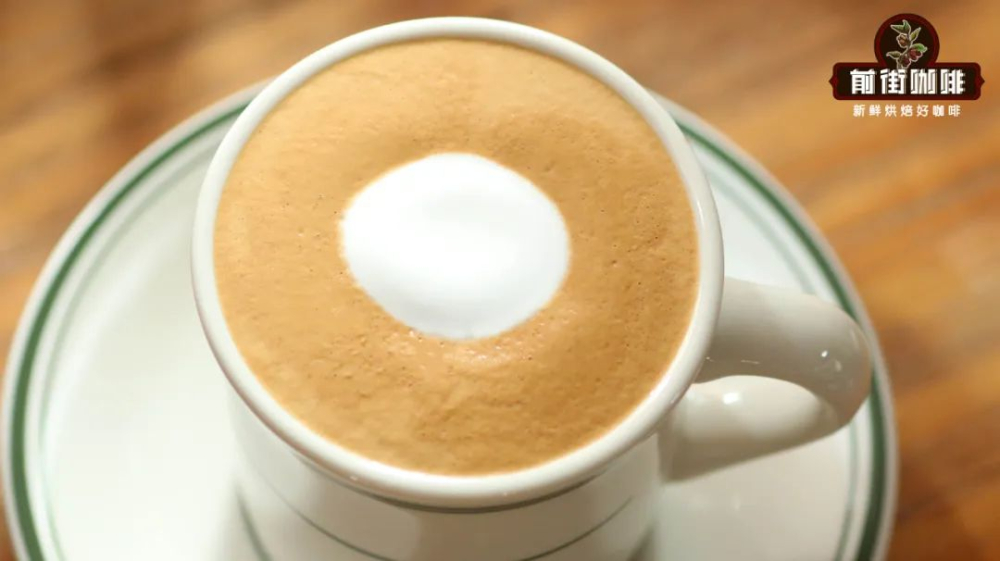
With no steam wands back then, a "latte" simply meant heated milk combined with coffee — no foam at all. A cappuccino, though, demanded physically created fine foam, and its essence has always been that delicate foam delivering a full, refined texture. First, milk with a small amount of foam was poured to blend evenly with the coffee, filling the cup to two-thirds. Then a spoon was used to mound fine foam into the center until the cup reached 11/10 full — deliberately overfilled. Finally, the white foam in the middle was shaped by the spoon into a small peak, echoing the white pointed cap of the friars.
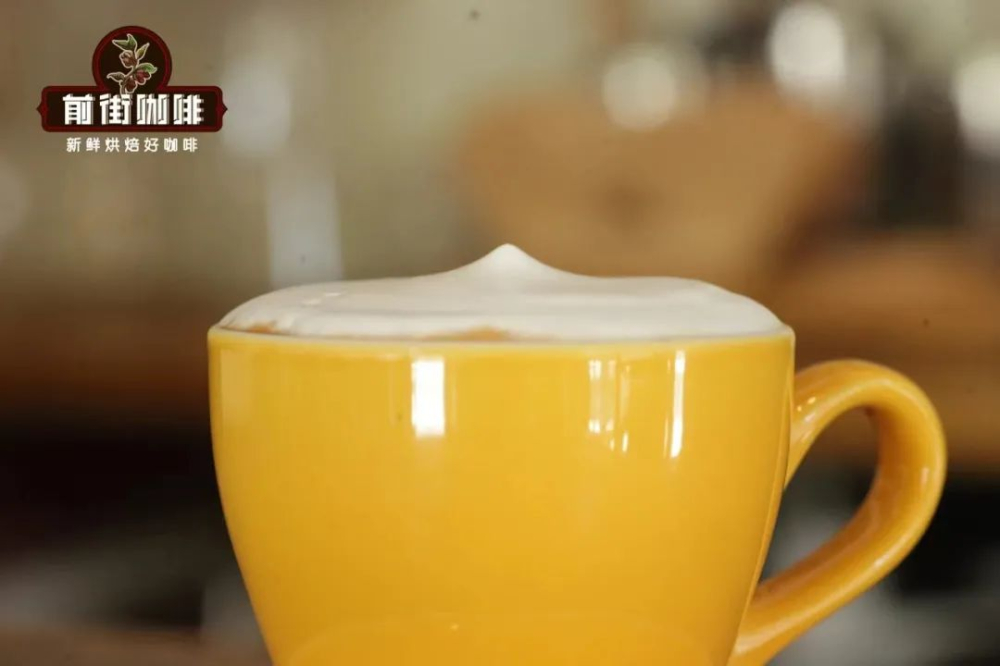
The Evolution of Modern Cappuccino
As espresso machines grew more powerful, espresso quality leapt forward, and cappuccino recipes built on espresso naturally had to adapt. Italians reworked the cappuccino around its appearance and flavor profile, with most modern versions using 1 shot (30ml) as the base.
Still in a standard 180ml cappuccino cup, the amount of foam is no longer strictly quantified — but it must have a delicate, fine texture, typically held to around 1-2cm. With steam wands now doing the frothing, and service speed to think about, the spoon-scooping step was retired. The "small peaked cap" disappeared, though the 11/10-full standard survived.
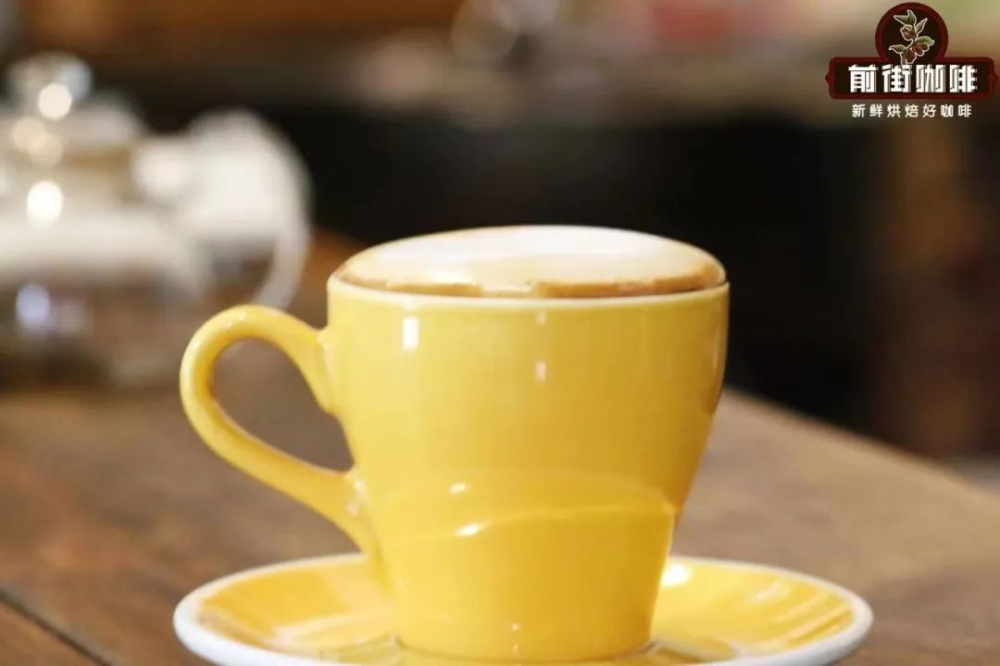
Thus the defining traits of a cappuccino became: a small serving, 11/10 full, rich coffee flavor, and the full, silky texture that thick foam provides.
The Modern Cappuccino Dilemma
The cappuccinos most of us drink today fall short on foam thickness and rarely reach 11/10 full, which is exactly why people struggle to tell cappuccino from latte.
One culprit is latte art. It began on lattes only — using foam to draw pretty patterns on the surface — but simple decorative designs soon crept onto cappuccinos too. Since thick foam flows poorly, latte-art culture nudged baristas into steaming milk thinner for better pourability.
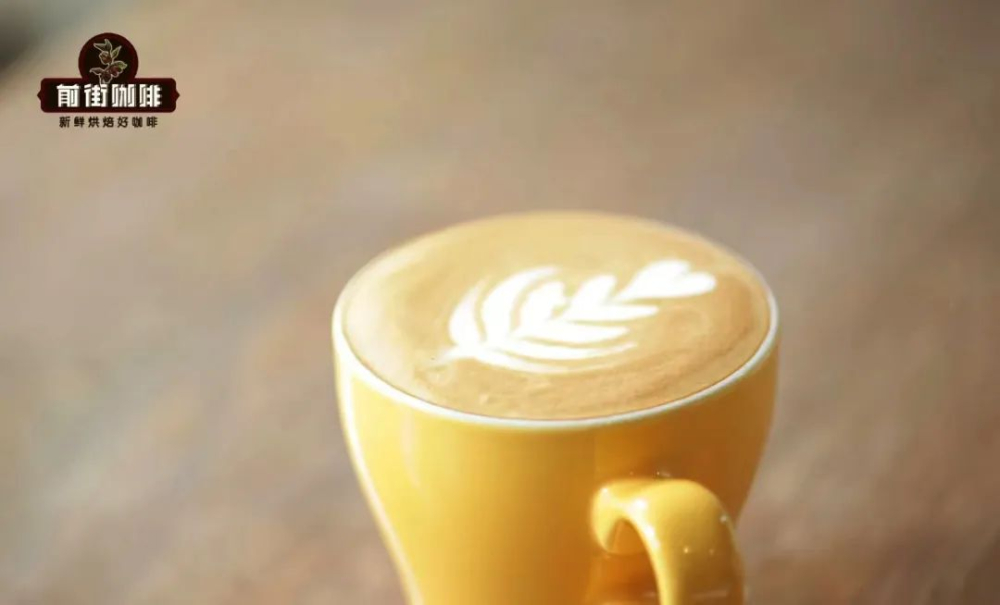
The lost 11/10-full fill has its own explanations. FrontStreet Coffee believes part of it is takeaway service: shops deliberately underfill cups to prevent spills. Thinner foam also has less tension, making a mounded, overfilled cup physically harder to achieve.
Finally — FrontStreet Coffee doesn't think "classic cappuccino" means reverting to century-old recipes. Coffee beans, machines, and public taste have all moved on, and cappuccino has changed with them. What those changes should protect are the drink's essential characteristics: small serving, 11/10 full, rich coffee flavor, and the full, delicate texture of thick foam.
FrontStreet Coffee Recommendation
A great cappuccino rests on three things: espresso, milk, and a thick, plush cap of foam — and the coffee base matters most. Because cappuccino's signature is its fluffy foam and bold, full-bodied coffee, espresso-focused blends are the best fit. For beginners brewing at home, reach for the crema-loaded FrontStreet Classic Blend or the value-packed FrontStreet Black Cocoa Blend.
If you'd rather chase a floral-and-fruity cappuccino, start with the FrontStreet Strawberry Candy espresso blend, which releases aromas of berries, rose, raisin, and fruit candy. For something brighter and virtually free of bitterness, choose the FrontStreet Granja Gesha SOE: a natural-process, medium-roast single origin with notes of berries, orange, and persimmon that turns milky-sweet with milk.
FrontStreet's parameters for the espresso base: 20g of coffee extracted at a 1:2 ratio in 30 seconds — high enough in concentration for a rich cup, yet well enough extracted for balanced flavor. For the classic golden-ring finish, pour the espresso into the cup, scoop a spoonful of dense foam into the very center, fill to 11/10 full without fear of overflow, and let the crema ring hold the white center in place.
Important Notice :
FrontStreet Coffee is a long-established specialty coffee roaster in Guangzhou China, selling freshly roasted beans from its own farm in Yunnan as well as dozens of carefully selected single-origin beans from around the world for both pour-over and espresso. The products deliver consistently excellent quality and great value, with shipping within 24 hours. Guangzhou's FrontStreet Coffee shop is recommended by many coffee lovers, and the beans are now available online at the Tmall 。
FrontStreet Coffee has moved to a new address:
FrontStreet Coffee Address: 315,Donghua East Road,GuangZhou
Tel:020 38364473
 Scan and follow the En Gafei WeChat official account. Please indicate that the reprint comes from "En Gafei".

