
What are the extraction standards for espresso? How to adjust espresso grinding ratio parameters
A friend saw FrontStreet Coffee's espresso recipe, went home to try extracting, didn't achieve the flavor they wanted, and came back to discuss it. So FrontStreet Coffee would like to take this opportunity to share how to judge espresso during actual operation.
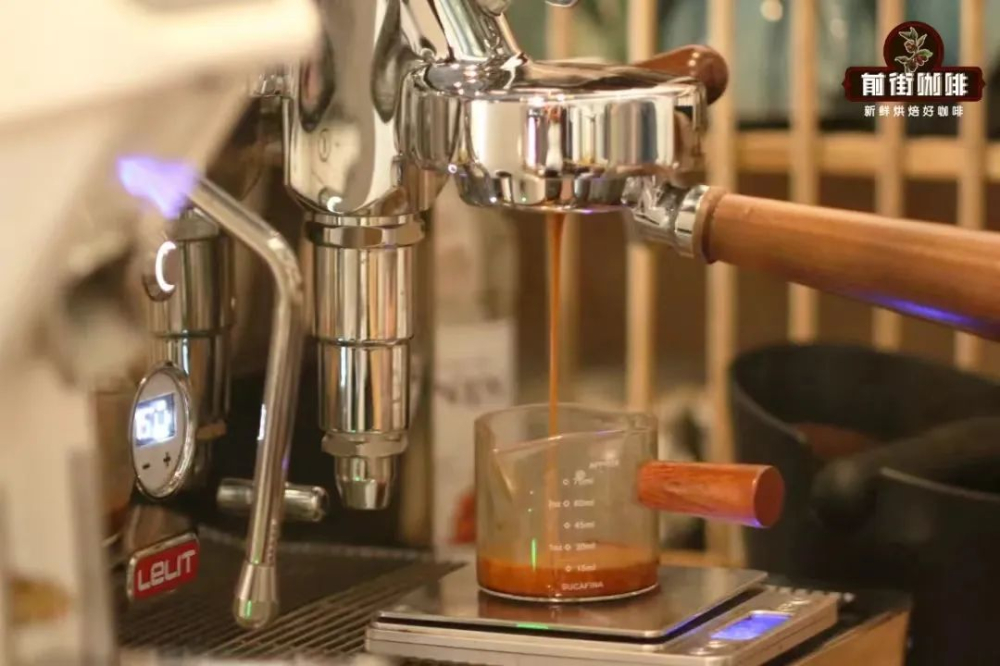
First, understand that any numbers are only a reference. Simply copying them won't necessarily reproduce the espresso FrontStreet Coffee pulls - that depends on hard factors like the beans' flavor and the machine's performance. Making espresso means learning to operate the machine and grasping how the parameters relate to one another. The goal is always the same: extract the beans' positive flavors while avoiding the negative ones.
In daily practice, FrontStreet Coffee doesn't rigidly stick to 20 grams of grounds yielding 40 grams of liquid in 25-30 seconds. That parameter is theoretically sound, but beans change from day to day. To keep quality stable, constant fine-tuning is necessary - of grind size, dose, and liquid yield.
"For example: yesterday's parameter was 20 grams of grounds extracting 40 grams of liquid in 28 seconds; today it's 19.7 grams for 40 grams in 28 seconds (dose adjusted); or 20 grams for 35 grams in 26 seconds (liquid yield adjusted); or 19.7 grams for 40 grams in 30 seconds (both dose and grind adjusted)."
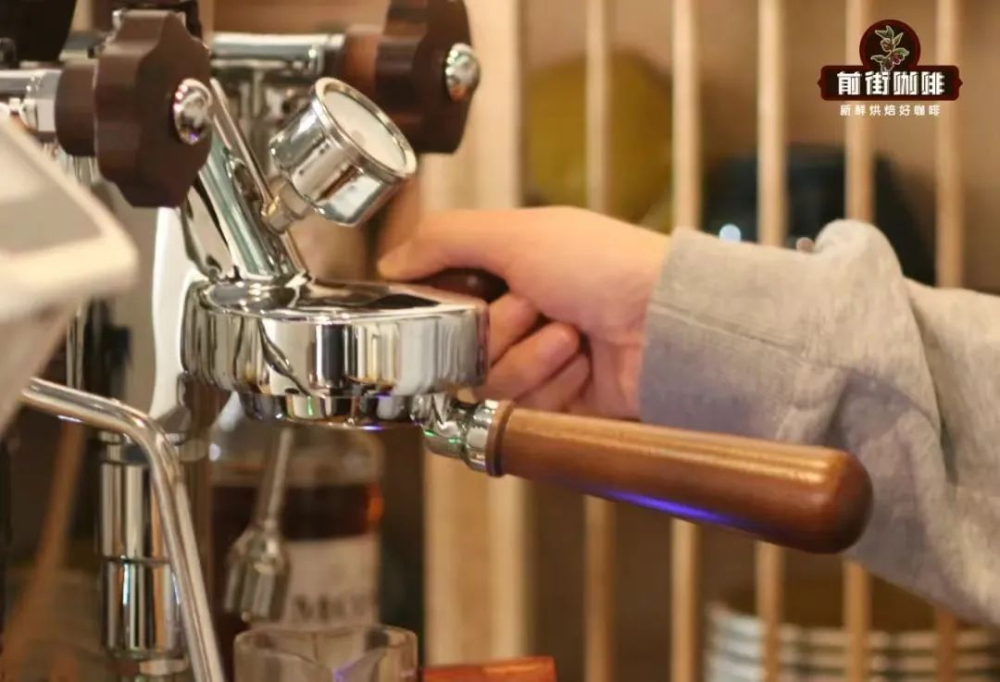
Through adjustments like these, the espresso's flavor can be brought back to yesterday's taste - everything is judged on flavor and mouthfeel.
In daily extraction, observe the extraction state and taste the result to determine whether the espresso is behaving normally.
Observation
Before extraction, confirm that the machine's temperature and pressure are normal.
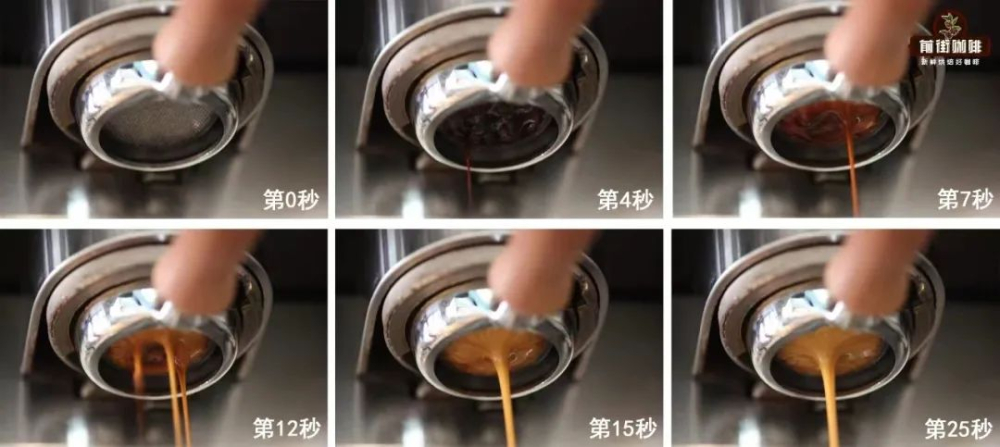
Then watch how the espresso flows. Generally, counting from when you press the button, the first drop of coffee appears within 4-6 seconds: brownish-black, very viscous, slow-flowing. Around the 12-second mark, the flow rate gradually picks up and stabilizes - brownish-yellow with a cream-like consistency. Around 20 seconds, the stream turns golden yellow with a steady flow. As the seconds pass, the color lightens and the viscosity thins, until the liquid turns white - that's your signal to end the extraction (usually just before it goes white).
If you observe any of the following during the shot, something's wrong - terminate early and re-extract:
1. Without pre-infusion, more than 10 seconds pass after pressing start before any coffee appears. The cause: grinding too fine or dosing too much.
2. An unstable flow rate - sometimes fast, sometimes slow - usually caused by poor distribution and tamping, resulting in channeling.
3. A very fast flow rate, caused by grinding too coarse. If the flow starts normal then suddenly races, remove the portafilter and inspect the puck. Perforations or gaps only at the edges mean you just need better distribution and tamping. A muddy, uneven puck surface means you need to increase the dose.
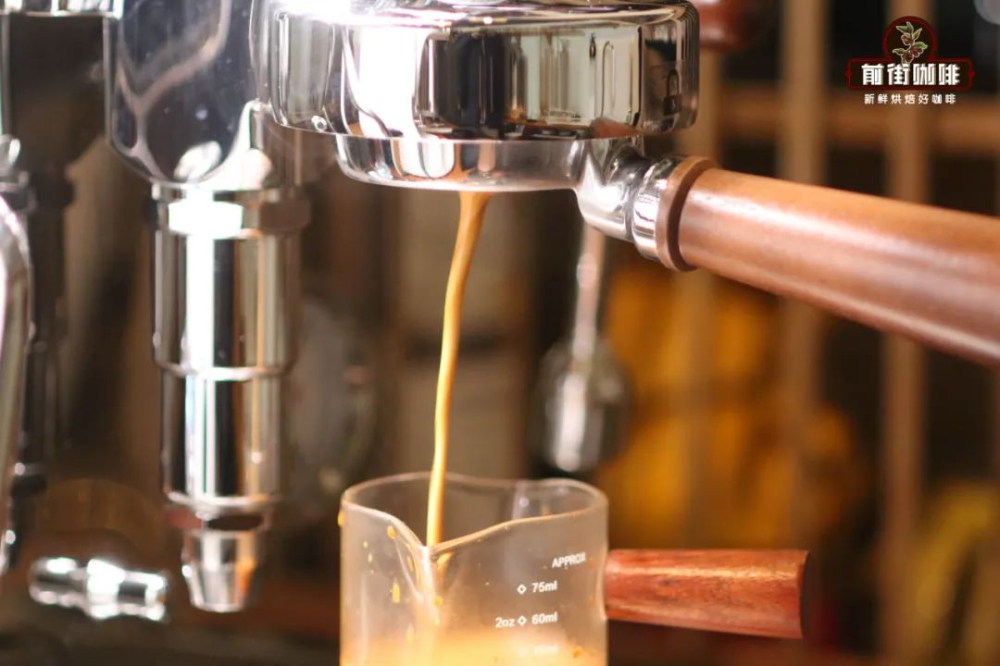
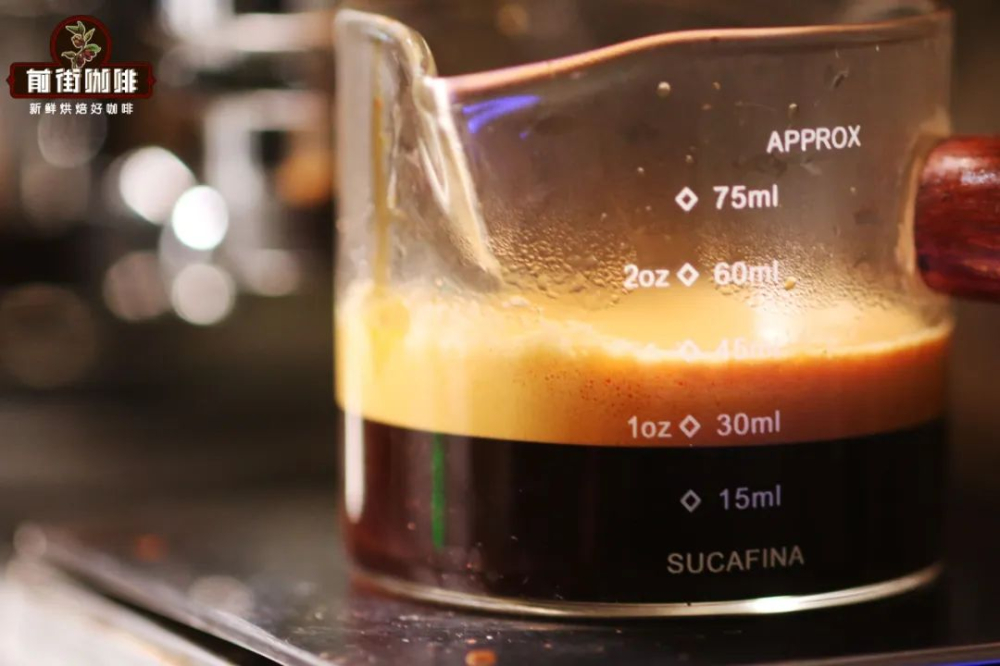
4. After pulling the shot, assess the crema. Good espresso crema is golden yellow, fine, and smooth, with a cream-like texture when swirled. Rough or clumpy crema suggests the coffee is too fresh; thin crema points to a roast degree issue or beans roasted too long ago.
Tasting
Observing the extraction only helps you avoid basic errors. Even a uniform flow with ratio and time squarely inside the target range doesn't guarantee good taste. So once the process checks out, taste the espresso to determine what needs adjusting.
Espresso's flavor depends primarily on the beans, so taste it against the beans' flavor description first. Then judge whether the espresso falls short in flavor or mouthfeel. For example:
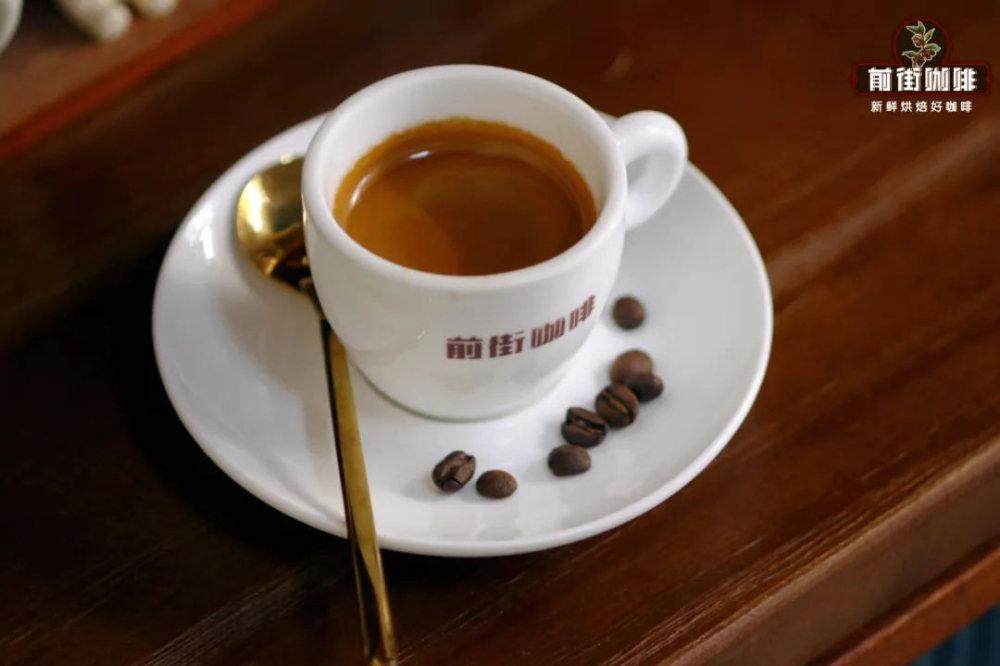
1. Strongly acidic with a short aftertaste? You probably extracted too little liquid - extend the extraction appropriately.
2. Rich with a burnt bitter edge? Grind coarser.
3. Weak flavor and thin body? Adjust according to the extraction data. If the flow is fast and the time is under 25 seconds, grind finer, reduce the liquid yield, or increase the dose.
Of course, if you'll ultimately be adding milk or water, the best way to taste is after adding it. At FrontStreet Coffee's stores, which serve mainly Americanos and lattes, the final stage of dialing in espresso means judging the flavor by actually making a latte (or Americano).
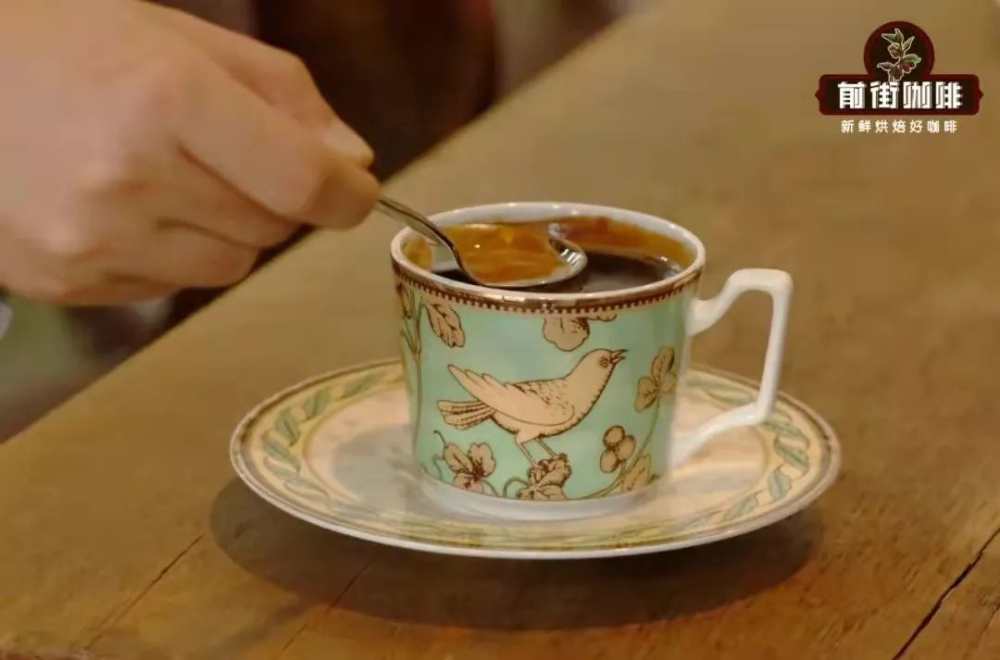
Some coffee shops even run different espresso standards for lattes versus Americanos. The latte base might yield less liquid, because the later segments of the shot are lower in concentration and taste bitter-sweet; cutting them short makes the post-milk texture fuller and the sweetness better. Americanos, on the other hand, get a normal or fuller extraction - since an Americano is essentially diluted espresso, a more complete extraction gives it more flavor (as long as the shot has no burnt, bitter, or astringent notes, the Americano won't either).
FrontStreet Coffee Recommendation
Dialing in espresso is far easier with a forgiving, stable bean - and that's exactly what FrontStreet Coffee's blends are built for. The Classic Blend, designed for espresso and moka pots, produces outstanding velvety crema even on entry-level home machines. Its traditional Mandheling-Brazil recipe with a touch of Robusta delivers a mellow, rounded body with caramel and toast aromatics - easy for beginners, dependable for veterans.
For shops watching costs, the 100% Arabica Black Cocoa Blend offers plentiful crema and a rich body at a friendly price, while FrontStreet Coffee's Premium Blend - Brazil Cerrado paired with Colombia Huilan - has anchored FrontStreet Coffee's americanos and lattes for nearly a decade with that classic espresso taste everyone remembers. And if you'd like to explore single-origin espresso, the Brazil Queen Estate SOE, a Yellow Bourbon roasted medium-dark, pours butter cookie, macadamia, and toasted bread sweetness with low acidity and rock-steady extraction.
Important Notice :
FrontStreet Coffee is a long-established specialty coffee roaster in Guangzhou China, selling freshly roasted beans from its own farm in Yunnan as well as dozens of carefully selected single-origin beans from around the world for both pour-over and espresso. The products deliver consistently excellent quality and great value, with shipping within 24 hours. Guangzhou's FrontStreet Coffee shop is recommended by many coffee lovers, and the beans are now available online at the Tmall 。
FrontStreet Coffee has moved to a new address:
FrontStreet Coffee Address: 315,Donghua East Road,GuangZhou
Tel:020 38364473
 Scan and follow the En Gafei WeChat official account. Please indicate that the reprint comes from "En Gafei".

