
What Does "Body" Mean in Pour-Over Coffee? Brewing Methods to Enhance Coffee Richness and Mouthfeel
Understanding Coffee Body: A Complete Guide
When judging whether a coffee tastes good, FrontStreet Coffee believes we should look beyond flavor alone and pay attention to body as well. Flavor is what speaks to our senses of taste and smell; body is what speaks to our sense of touch.
FrontStreet Coffee once ran a tasting where we prepared two cups of Kenyan coffee with slightly different flavors and mouthfeels for guests. The first cup showed bright, light acidity with distinct small-tomato notes - textbook Kenyan character. The second showed rounded, solid acidity with flavors of dark plum and plum.
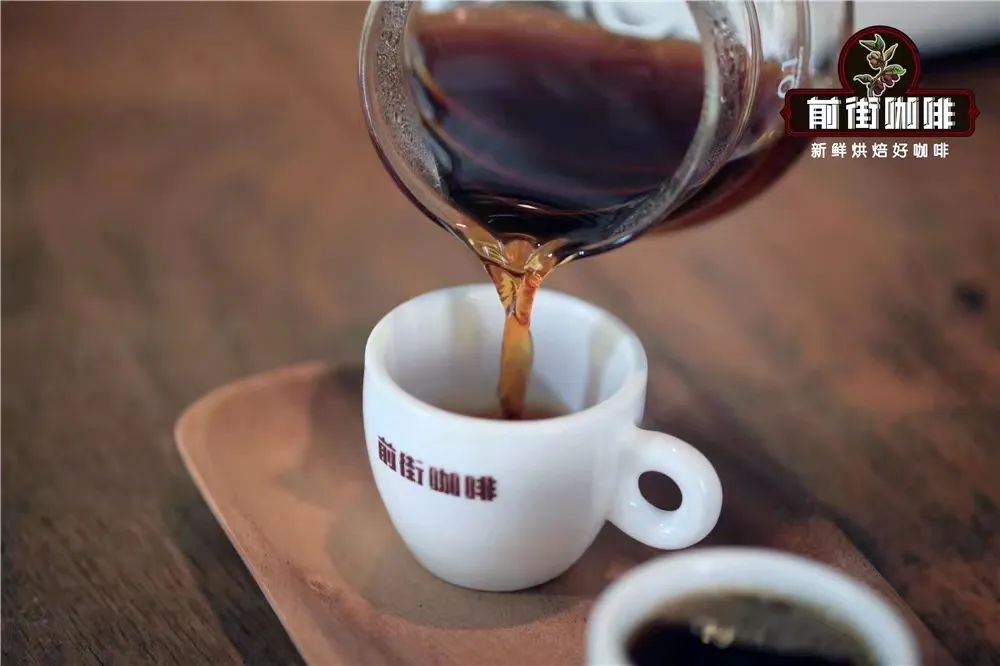
Eight of the ten guests preferred the second cup. Among those eight, two-thirds admitted that while the first cup's flavor was appealing, it lacked texture; the second cup's texture, by contrast, gave a very comfortable, smooth sensation.
That texture is exactly what we call body. Judging whether a coffee's body is good comes down to whether the tactile sensation of drinking it feels pleasant. When we enjoy smooth, full, and rich mouthfeels and find them in the cup, the body can be considered good. When we get sandy or rough textures, a watery and thin sensation, or astringency, the body is not ideal.
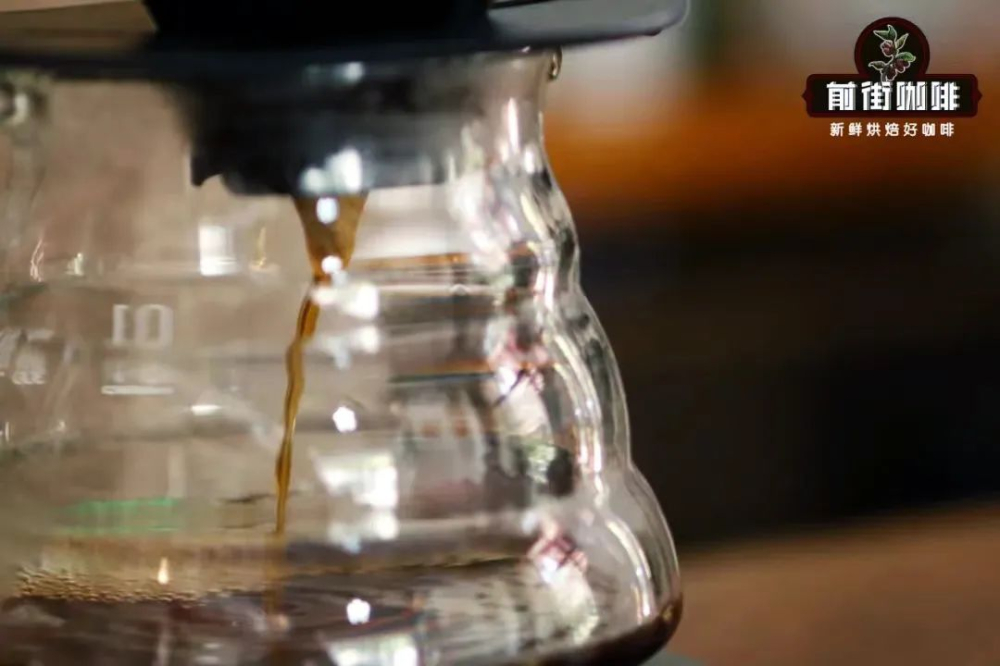
What lets us perceive good body are mainly oils and fibers. In other words, the finer and more abundant a coffee's oils and fibers, the better its overall body. This is also why Italians love their espresso and why the Japanese favor flannel filters - both are essentially ways of keeping more oils in the cup to boost body.
The Kawano Pour-Over Method
So how do we extract good body in pour-over brewing? Let's look at how the Kawano method does it.
The Kawano method is a well-known Japanese technique that produces coffee with a very rich body. Its key principles are these:
- Use dark roasted coffee beans. Dark roasts carry richer oils, so more of them can be extracted.
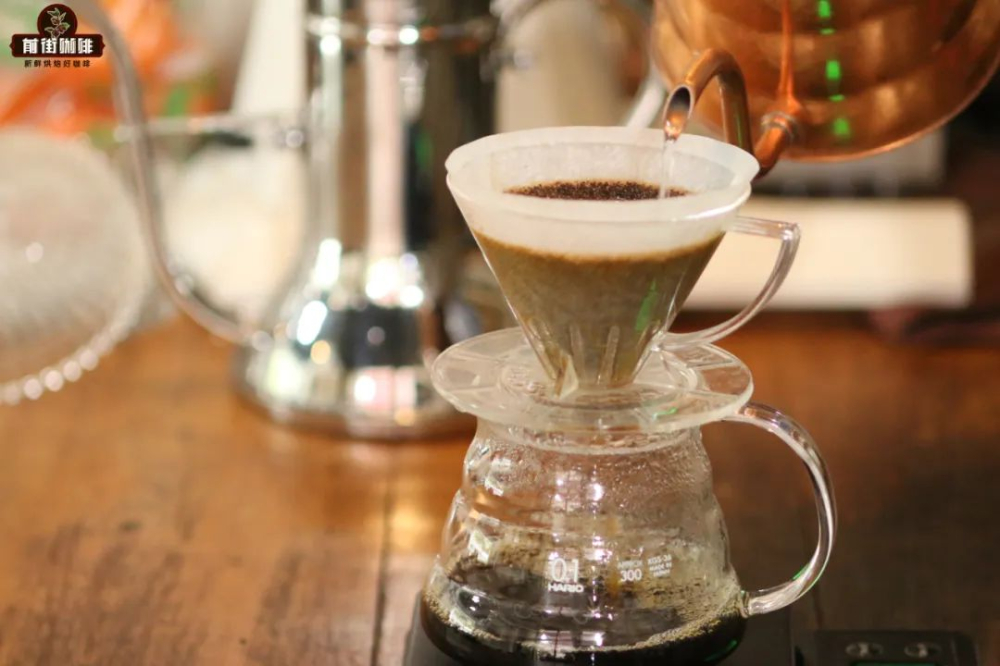
- Use a Kono dripper. Different drippers shape flavor and body differently. Immersion-type drippers such as the Kono and trapezoidal drippers extract richer body; conical types like the V60 and star-shaped drippers extract flavor more effectively.
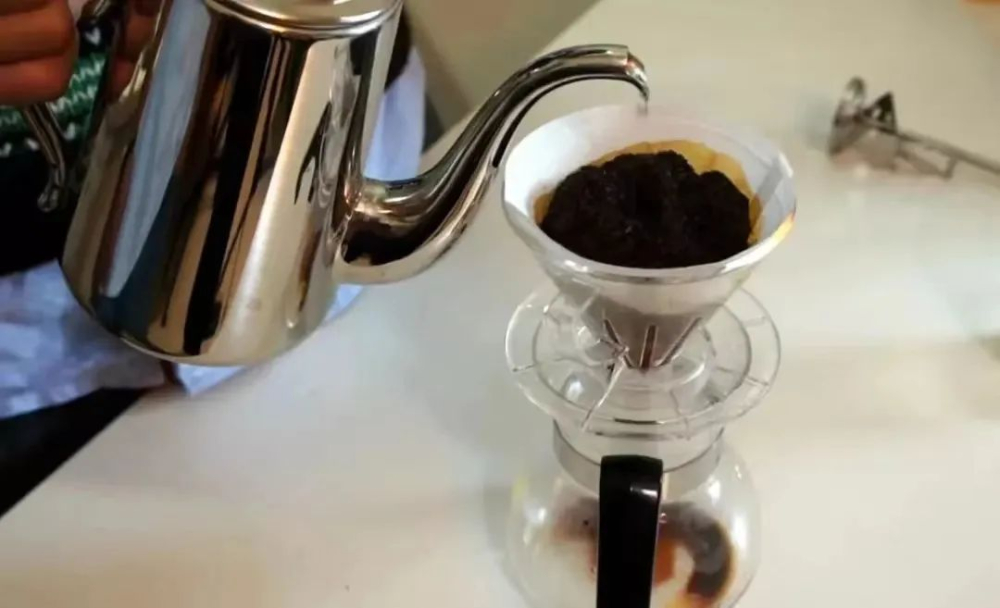
- The first stage adds water in droplets until the grounds are completely moistened. Think of it as a blooming phase: water goes in slowly over a relatively long time so all the gas inside the grounds can escape. This won't hinder the later extraction of the substances that matter, including the oils and fibers that benefit body.
- The second stage is the main extraction, using large, segmented pours. Because the first stage has already driven off the gases inside the coffee, water added now meets no interference, so coffee solids dissolve more easily. Multiple pours also add complexity.
- The whole pour is gentle and slow. Because the method needs more time - roughly 3-4 minutes - the grind is coarser, the coffee-to-water ratio is reduced to 1:12, and the water temperature is lowered to offset the risk of over-extraction.
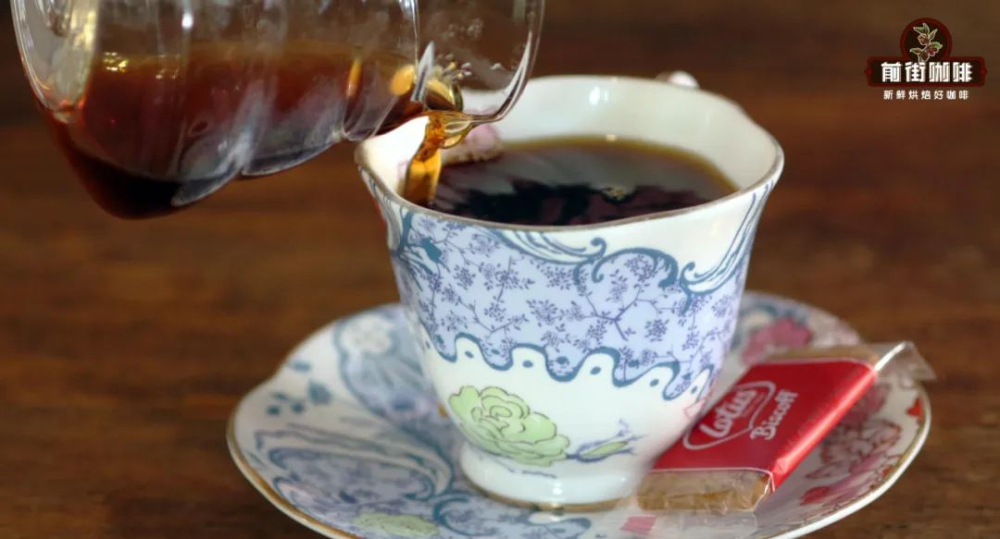
Key Principles for Enhancing Body
FrontStreet Coffee introduces the Kawano method not to claim it is the optimal solution for extracting body, but because it applies only to dark roasted beans. What matters is understanding the principles behind it.
- In equipment, besides immersion-style drippers, filtering devices with larger gaps - flannel and metal filters - let more oils integrate into the coffee liquid and improve body.
- In water addition, segmented pours express body better than a single continuous pour.
- In pouring technique, a gentler approach more easily yields a smooth mouthfeel. When stirring is too vigorous and the grounds tumble and release excessive polyphenols, the texture turns rougher and more astringent.
Conclusion
In the end, flavor and body matter equally, which is why the improvements above rest on applying technique to the parameters that already produce a good-flavored cup - that is, making body better without hurting flavor.
Methods that change the brewing approach itself will affect not only body but flavor too, adding more factors to balance.
FrontStreet Coffee Recommendation
Body and flavor both depend heavily on the bean you start with. For a pour-over that shows off layered florals and a clean, tea-like finish, FrontStreet Ethiopia Yirgacheffe Gedingding is an easy first stop: bright citrus, berry, and floral aromas with a green-tea sweetness, softened by a bright rather than sharp acidity. FrontStreet Ethiopia Huakui pushes further into fruit, with tropical aromas of strawberry, passion fruit, jackfruit, and even lychee, low bitterness, and a slippery, juice-like body that has convinced plenty of drinkers who normally avoid coffee.
Because a V60's conical, 60-degree shape forces water toward the center and speeds up flow, it draws out the vivid aromatics and lively acidity these beans are known for. That same speed makes the dripper a good match for FrontStreet Strawberry Candy, a Geisha blend with rose and strawberry-gummy notes, and for FrontStreet Mozart, known for its raisin-like sweetness.
Important Notice :
FrontStreet Coffee is a long-established specialty coffee roaster in Guangzhou China, selling freshly roasted beans from its own farm in Yunnan as well as dozens of carefully selected single-origin beans from around the world for both pour-over and espresso. The products deliver consistently excellent quality and great value, with shipping within 24 hours. Guangzhou's FrontStreet Coffee shop is recommended by many coffee lovers, and the beans are now available online at the Tmall 。
FrontStreet Coffee has moved to a new address:
FrontStreet Coffee Address: 315,Donghua East Road,GuangZhou
Tel:020 38364473
 Scan and follow the En Gafei WeChat official account. Please indicate that the reprint comes from "En Gafei".

