
The Resurgence of "Cookie Cups" in Cafés During the Pandemic!
The Environmental Challenge of Disposable Coffee Cups
Disposable tableware — cups, plates, knives, forks, chopsticks — is an environmental headache across the board. Paper cups are the worst offenders: their manufacture consumes enormous numbers of trees, yet a paper cup's working life is barely an hour, exactly long enough to finish a drink before it's thrown away. Worse, most paper cups are lined with polyethylene, which makes them notoriously hard to recycle.
By incomplete counts, more than 10 billion disposable cups worldwide become potential waste every year through improper recycling — and the majority come from coffee shops.

The Challenge of Reducing Disposable Cup Usage
Getting coffee shops to cut back is easier said than done, though — most customers visit primarily for takeaway. And asking everyone to carry a reusable cup everywhere is a tall order in itself. So how can coffee drinkers reduce disposable cup use without having to haul a cup around all day?
The Evolution of Edible Coffee Cups
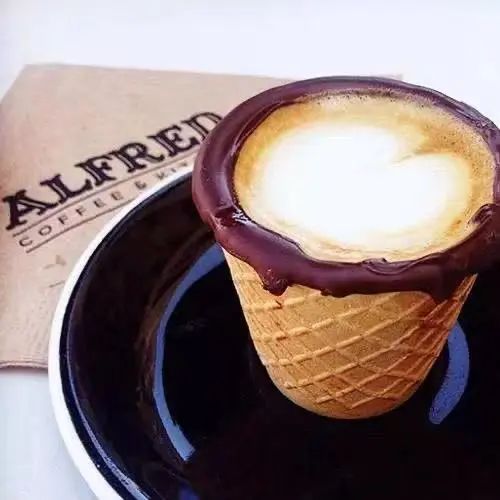
In 2014, an American coffee shop owner built the first edible coffee cups by coating ice cream cones with chocolate sauce. The flaw was obvious: once the chocolate melted, the coffee leaked, capping the usable window at just 10 minutes — and every customer had to eat chocolate whether they wanted to or not. Unsurprisingly, the cone cup never caught on widely.
Then, in 2015, KFC introduced limited-edition edible cookie cups. Compared with the first-generation cone cups, the cookie cups were substantially firmer, and their interior was coated with a less heat-sensitive chocolate layer better suited to holding hot coffee.
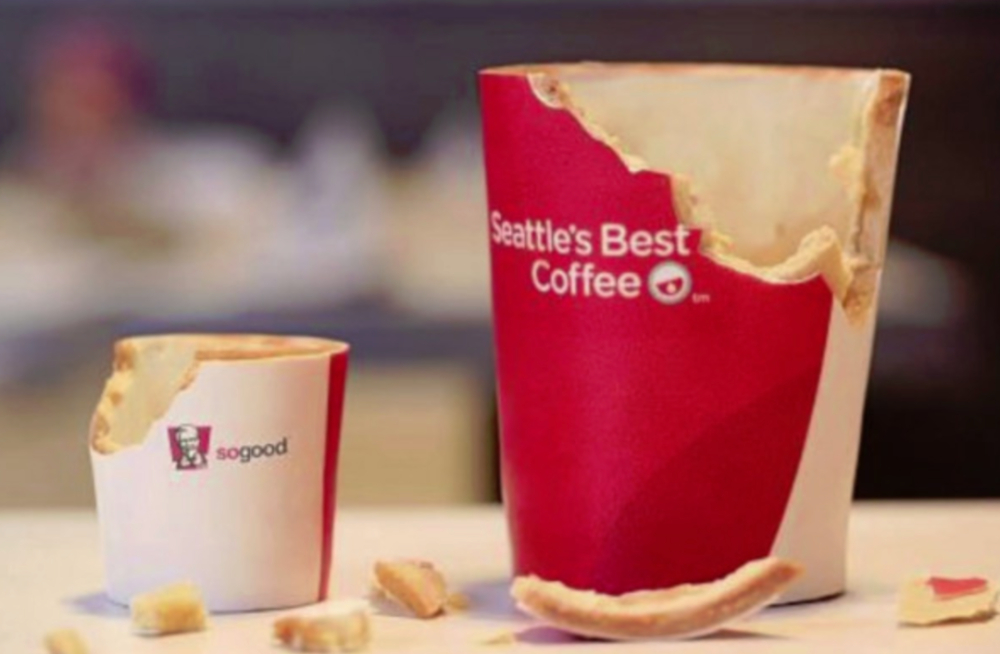
KFC was still in its research phase and didn't promote the cookie cups broadly, but the idea inspired food companies elsewhere. From 2016 onward, coffee shops around the world began offering edible cookie cups of their own.
Even so, with demand low, no food company was willing to mass-produce them. A single cookie cup ended up costing hundreds of times as much as a disposable cup, inflating product costs badly — and a cup could only hold a beverage for 30 minutes. Cookie cups enjoyed a moment of popularity, but never achieved wide adoption.
The Pandemic Revival and Third-Generation Oat Cups
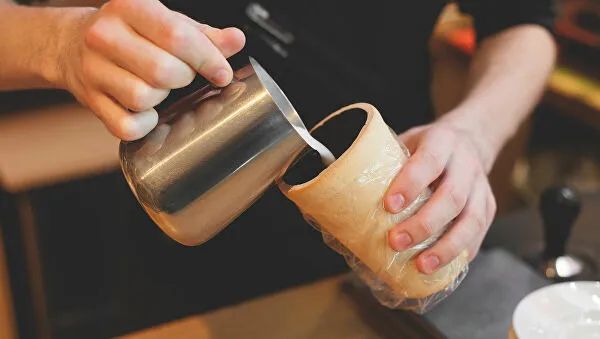
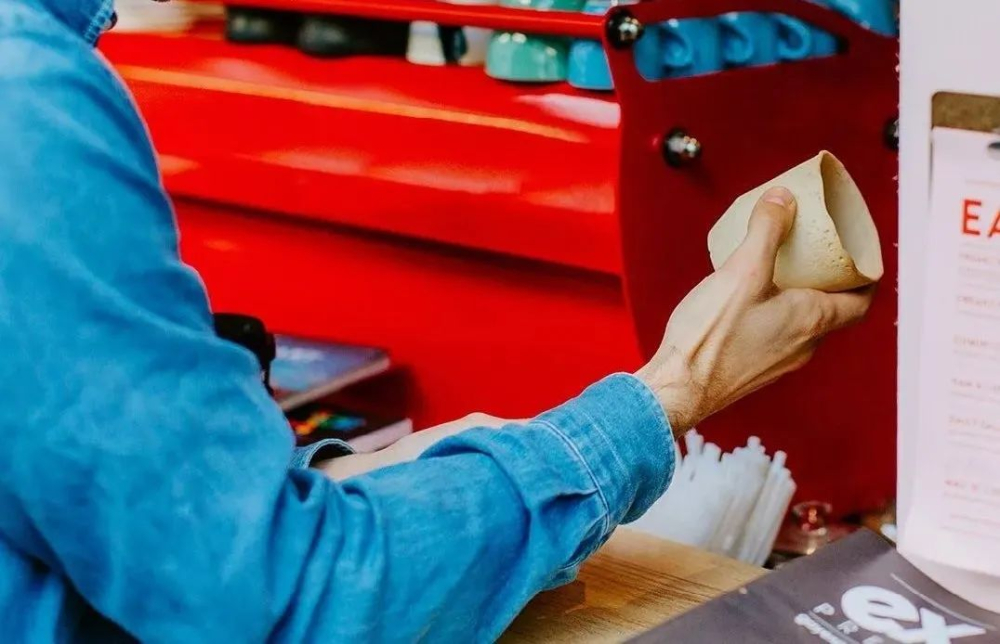
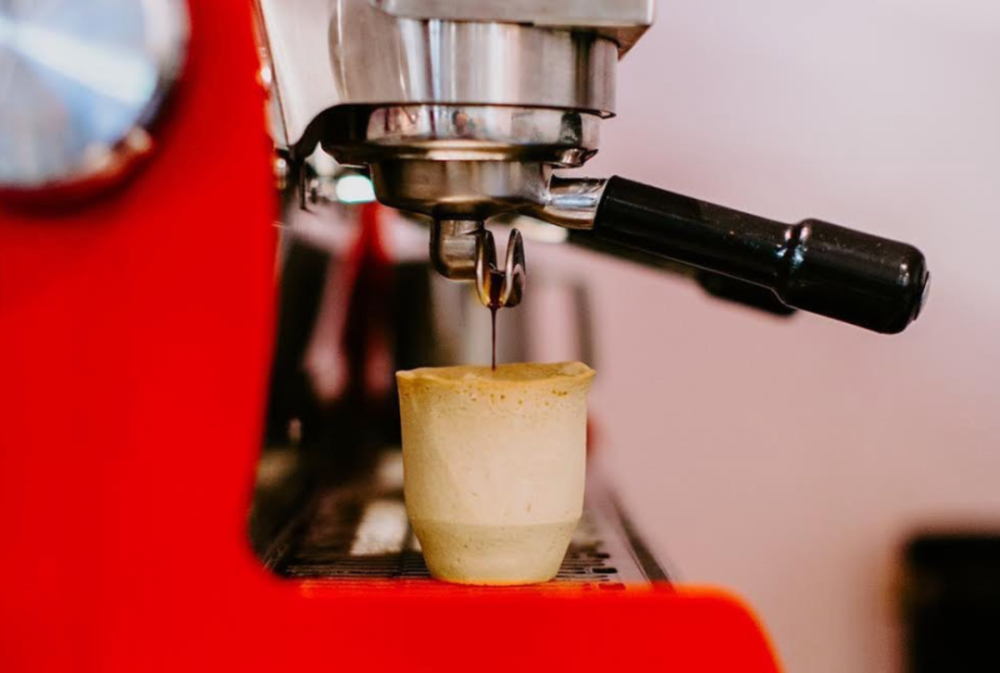
Just as people were forgetting cookie cups existed, the pandemic's strange circumstances brought them back — upgraded. Compared with the second-generation cookie cups, the third-generation oat cups are made from oat bran and eggs. Pressed and baked through a special process, they hold liquid leak-free without any chocolate coating.
The upgraded oat cups can hold an 85-degree-Celsius beverage for 12 hours without leaking. They're barely sweet, with a texture like a pancake when eaten, and with only oat bran and eggs as raw materials, one cup costs just 1/4 of a cookie cup.

The Growing Acceptance of Edible Cups
Some things simply arrive at the right time. Beyond rising environmental awareness, the pandemic's ban on reusable glass cups in cafés unexpectedly inflated demand for edible ones.
Coffee shops in many regions have resumed using edible cups, and consumers have welcomed them. Some owners report: "Although the product price is higher, customers are increasingly aware of the environmental impact of their consumption. The response has been tremendous and very positive — we believe edible cups will be widely adopted."
Comparing Alternatives: Reusable Cup Rental Services
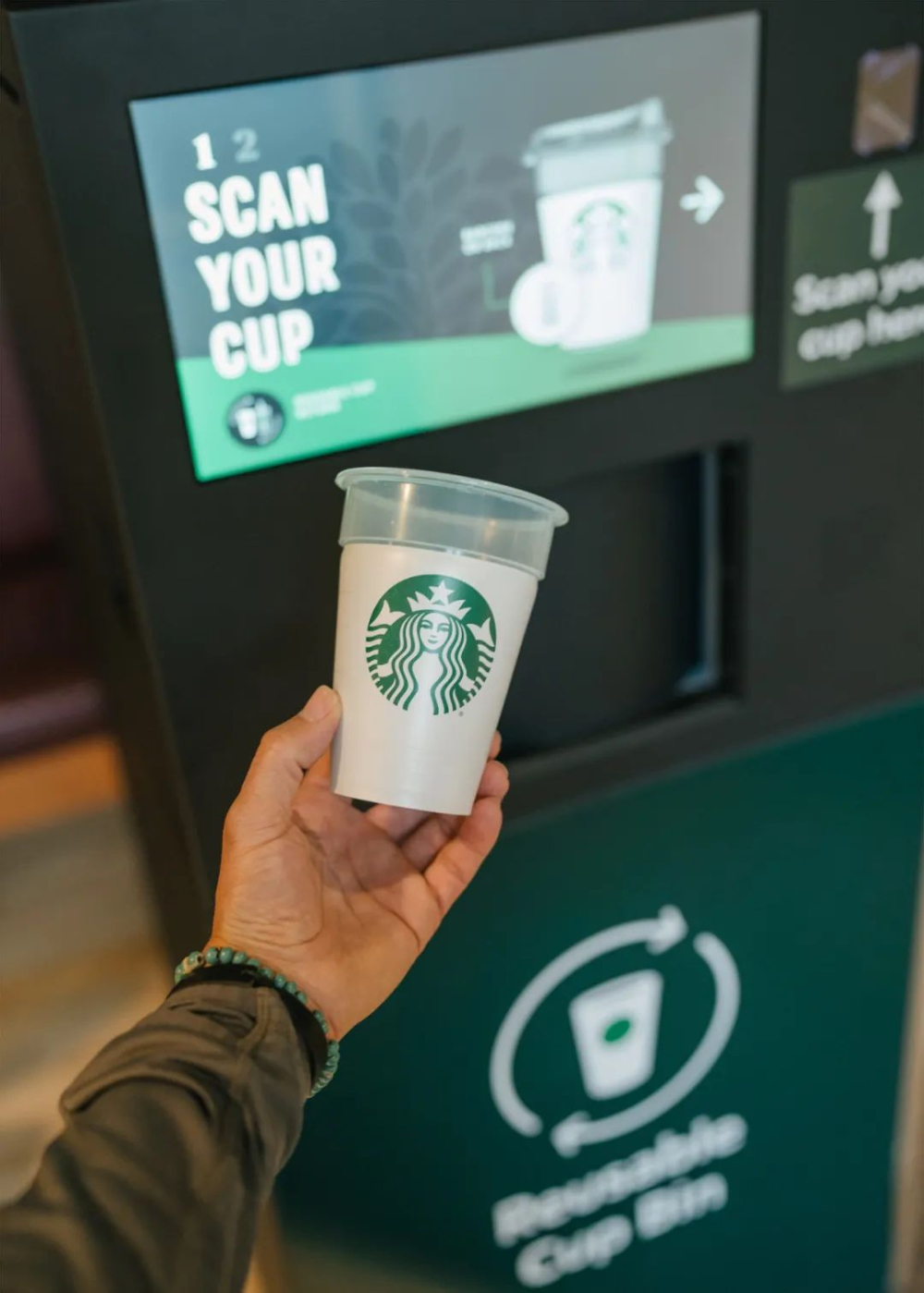
Plenty of countries have promoted "rentable reusable cup" programs, but consumers forget to bring their own cups and fall back on disposables anyway. Previously, FrontStreet Coffee reported that Starbucks in several regions launched a "cup borrowing" service: pay a $1 deposit to "borrow" a cup, return it after use, and get the deposit back plus reward points.
Collected cups go through unified disinfection. But consumers complained that it did little for the environment, wasted water, and couldn't guarantee cleanliness — better to simply bring back dine-in ceramic mugs or reopen the bring-your-own-cup option. More than a year after launch, the cup-borrowing service has drawn a weaker response than the oat cups managed in just a few months.
Future Challenges and Prospects
Oat cups still have limits: no lids, and many consumers are allergic to wheat bran or eggs. Food companies in many regions are racing to develop gluten-free and egg-free edible cups with matching lids to widen adoption.
One food company executive in Australia noted that although edible cups currently cost $1.5 each, once major coffee shops adopt them at scale the price can fall below $1.
Cookie cups for coffee had their moment in China too, but chocolate and cost problems ultimately kept them from spreading. With the new manufacturing technologies now available, domestic food factories should jump on board quickly!
If edible cups really do take off, that's a win all around — no more worrying about getting hungry while you drink your coffee 😂
Image source: Internet
FrontStreet Coffee Recommendation
Whether your coffee arrives in an oat cup or an ordinary one, the beans decide whether it's worth drinking. If you love the bittersweet chocolate side of coffee — creamy, nutty, silky — FrontStreet Coffee suggests these origin classics, all suited to edible-cup-sized servings and beyond:
FrontStreet Signature Blend (espresso): a blend led by Brazilian beans with Colombian support — layered almond, almond, and walnut aromatics, a comfortable bittersweetness, and a milky chocolate sweetness as a latte, with an exceptionally smooth entry.
FrontStreet Brazil Fazenda Rainha (single origin): a rare Yellow Bourbon from a single estate, roasted to reveal Brazil's nuts, cream, roasted peanut, and caramel cookie notes with a low-key acidity, balanced body, and a persistent sweet finish — equally good pour-over, French press, Clever dripper, moka pot, or home espresso machine.
FrontStreet Indonesia Lintong Mandheling (single origin): top-grade G1 Sumatran arabica, wet-hulled and dark roasted to bring out black sugar, spice, herbal, nut, and dark chocolate depth — full-bodied, low-acid, and intense.
FrontStreet Papua New Guinea Paradise Bird: nicknamed the "Little Blue Mountain," it shares Blue Mountain's creamy cocoa character, with toasted bread and nut sweetness against gentle citrus acidity, smooth and balanced.
FrontStreet Black Cocoa Blend (espresso): built for milk-chocolate lovers — Brazil's nutty aroma and smoothness plus Yunnan's ripe-plum acidity, fine crema, moderate intensity, and a caramel finish for Americano, latte, or signature drinks.
Important Notice :
FrontStreet Coffee is a long-established specialty coffee roaster in Guangzhou China, selling freshly roasted beans from its own farm in Yunnan as well as dozens of carefully selected single-origin beans from around the world for both pour-over and espresso. The products deliver consistently excellent quality and great value, with shipping within 24 hours. Guangzhou's FrontStreet Coffee shop is recommended by many coffee lovers, and the beans are now available online at the Tmall 。
FrontStreet Coffee has moved to a new address:
FrontStreet Coffee Address: 315,Donghua East Road,GuangZhou
Tel:020 38364473
 Scan and follow the En Gafei WeChat official account. Please indicate that the reprint comes from "En Gafei".

