What Causes Uneven Coffee Bean Roast Colors? Why Do Light Roast Coffee Beans Have Color Variations?
Ever opened a new bag of coffee beans full of anticipation, only to find the beans unevenly colored — some lighter, some darker? Your first thought might be, "I got a bad bag," "This shop's quality control is terrible," or "Their roasting is sloppy."
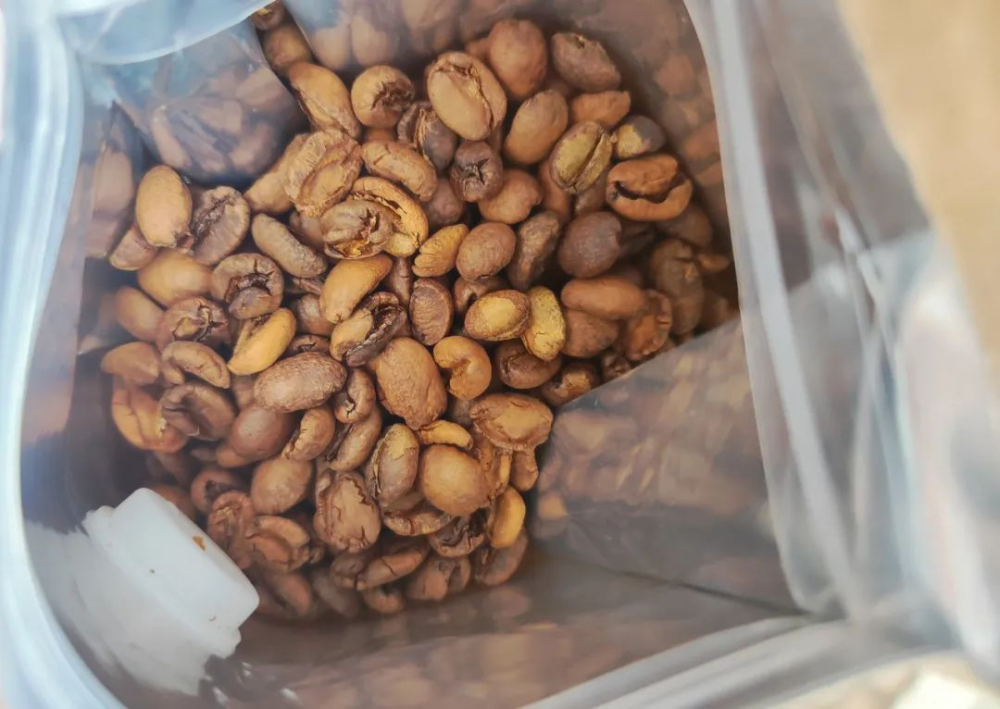
In many people's minds, excellent coffee beans should look plump and uniform, with perfectly consistent color after roasting.
Like this ⬇️
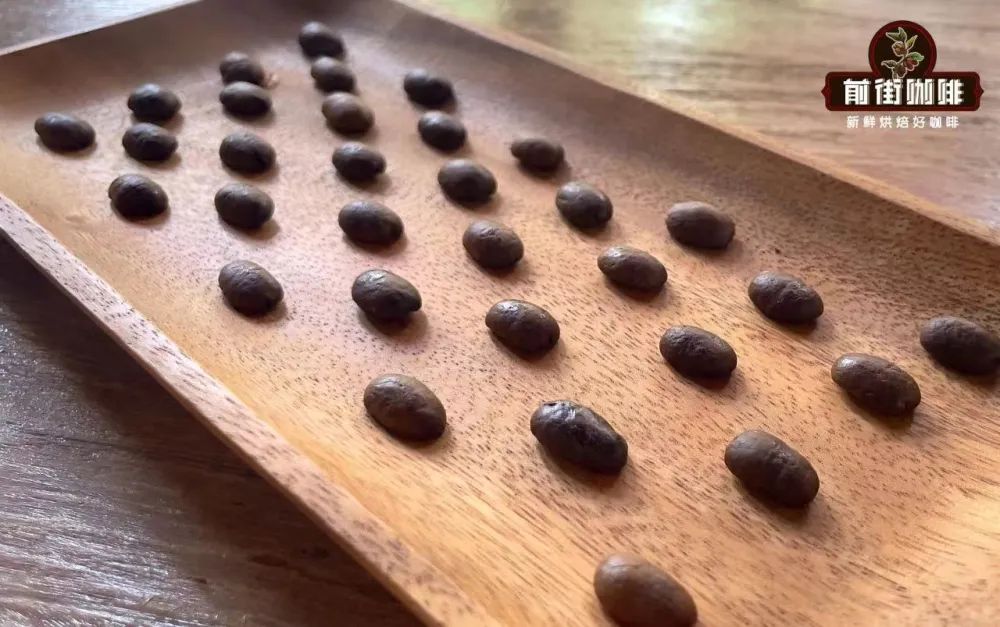
But keep one thing in mind: coffee is an agricultural product, and no two beans will ever look as identical as industrial goods. A common complaint, for instance, is that purchased beans vary greatly in size — and that buyer almost certainly bought Ethiopian coffee.
Ethiopia grades green coffee by defect count: the fewer the defects, the higher the grade. Bean size plays no role in grading, which is why Ethiopian lots routinely contain both very large and very small beans.
When buying beans, you might ask, "What grade is this — G1, G2?" or "Is this really G1?" In truth, these grades describe the green bean level and mainly serve as a basis for price negotiations between green traders. Take Ethiopian beans: whether G1 or G2, after multiple rounds of sorting before reaching the retail market, their cup quality ends up very similar.
Roasters, meanwhile, would rather buy higher-grade beans than spend extra time sorting defects out of cheaper lots (sorting beans is genuinely miserable work). And in practice, the quality and price gap between high- and low-grade green beans isn't as large as people imagine.
Understanding Uneven Coffee Bean Colors
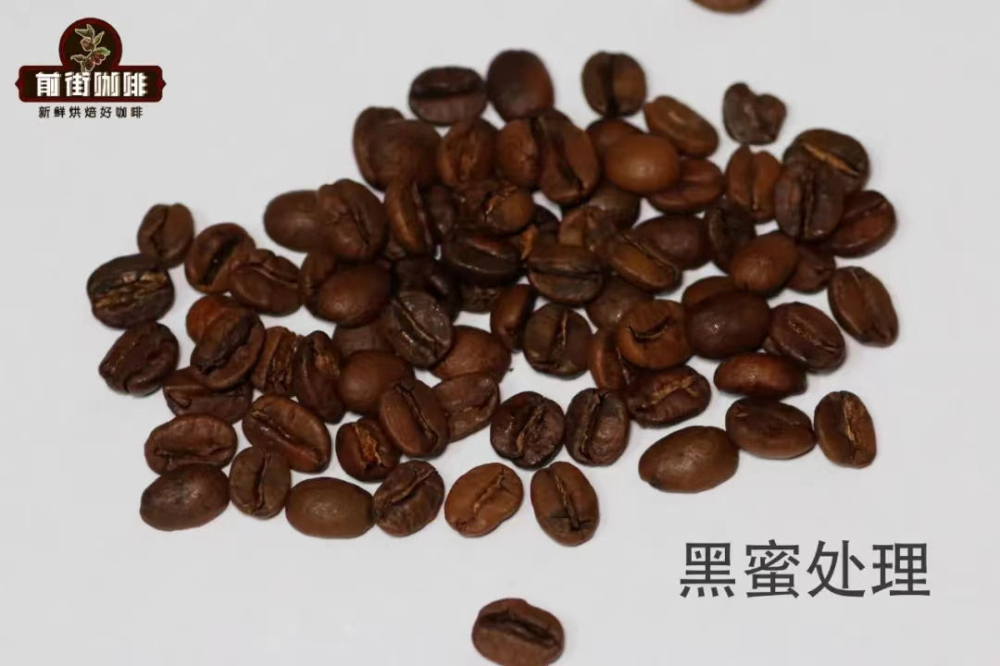
When roasted beans show patchy light and dark coloring, people usually blame a roasting accident. In fact, this most commonly shows up in Costa Rican coffee.
Not because Costa Rican beans are poor quality or unusually hard to roast — but because most of them are honey-processed.
Honey processing sits between natural and washed processing: the skin and part of the pulp are removed, then the beans, still coated in sticky mucilage, go onto raised drying beds. As the water evaporates, the sugars in the mucilage adhere to the bean surface. So even at green stage, honey-processed beans vary in color — the more mucilage retained, the more obvious the difference.
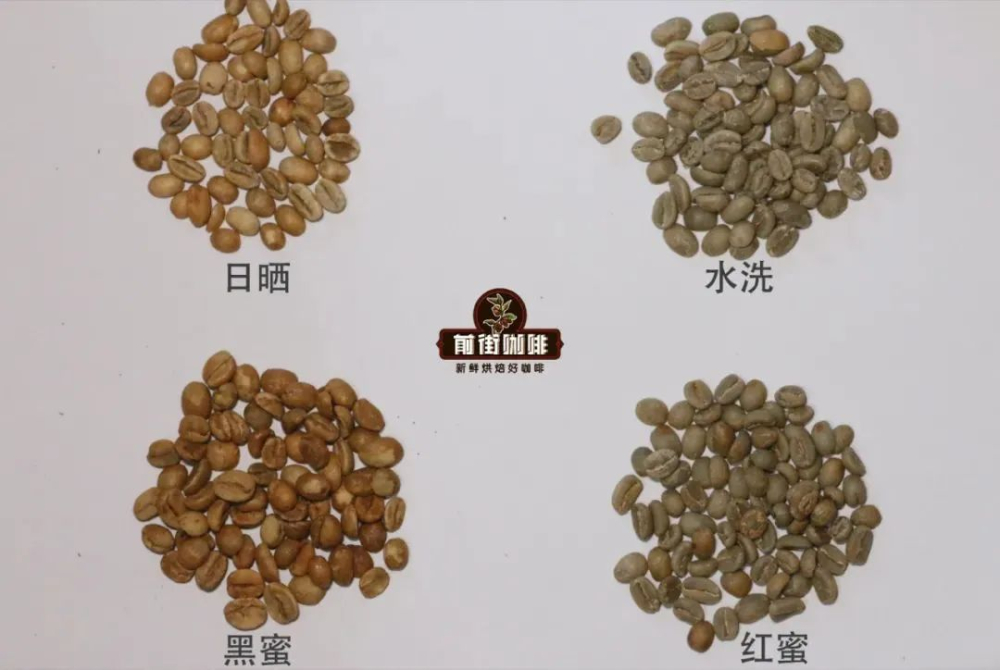
During roasting, beans carrying more surface sugar caramelize harder and turn darker, while beans with less sugar stay lighter. That dark-light contrast makes the color variation especially striking.
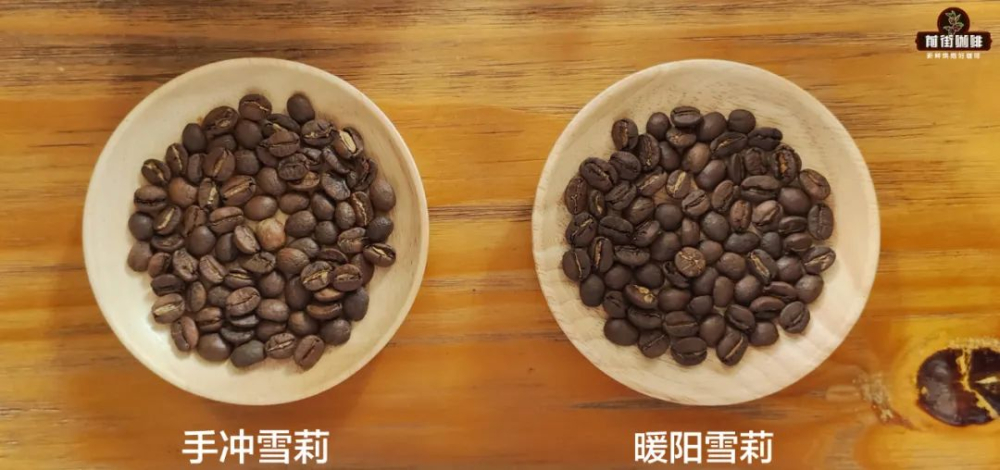
Roast darker, and the colors would even out — at the cost of more bitterness. For example, FrontStreet Coffee's Sherry beans for pour-over are roasted lighter than those for the Warm Sun espresso blend, so the pour-over Sherry shows more color variation than the darker Warm Sun Sherry. Visually, Warm Sun may look more uniform; in the cup, the pour-over Sherry tastes better.
Understanding White Beans and Other Misconceptions
Costa Rican honey beans aren't alone: some strongly anaerobic-fermented beans also show obvious color differences after roasting. This is neither improper roasting nor a defect, and it doesn't hurt the flavor.
One caveat: when FrontStreet Coffee previously covered defective beans, we noted one type that's hard to spot in green form but turns very pale after roasting — the white bean. Many people, seeing mixed light and dark beans, hastily label the lighter ones as white beans.
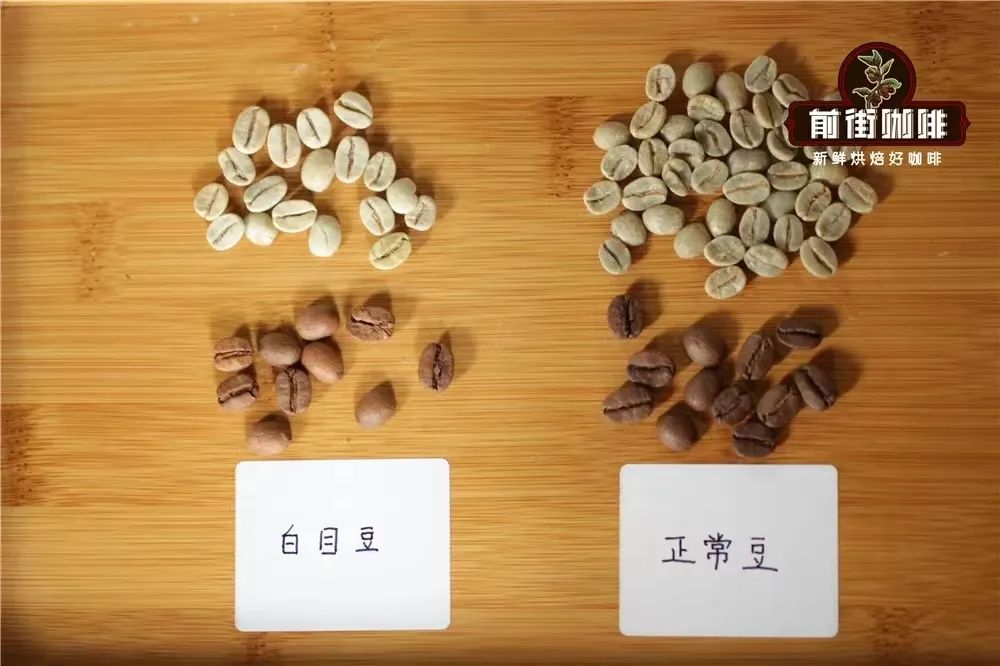
That judgment isn't accurate. White beans come from unripe coffee cherries; after hulling, the green beans are hard to tell from normal ones, but the difference becomes glaring after roasting. White beans look pale brown and smell like roasted sunflower seeds — underripe and green. They appear mostly in mechanically harvested coffee such as Brazilian beans, and rarely in hand-picked lots that emphasize fully ripe cherries (you might find 1-2 beans in 3kg of green). So if you see many very pale beans, you can rest assured they're definitely not white beans.
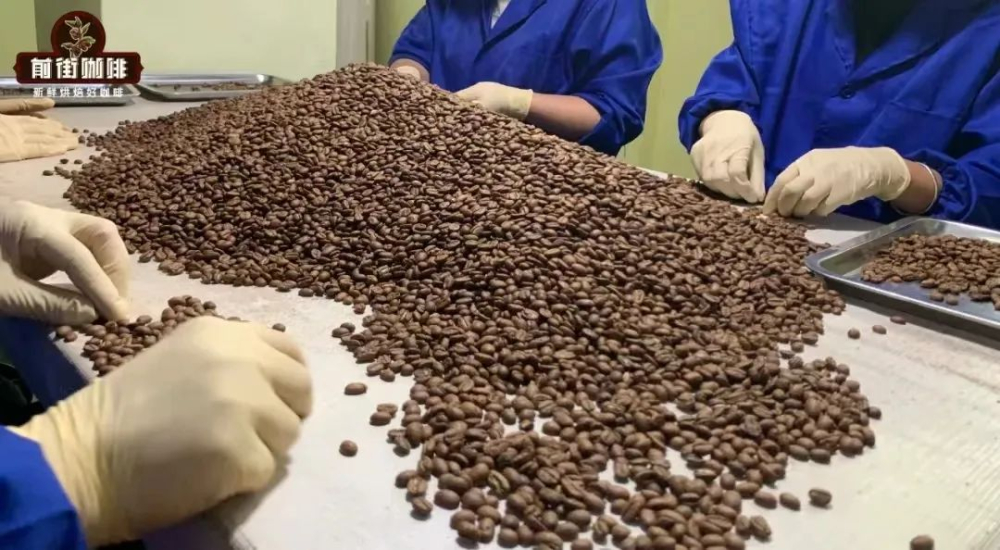
PS: Precisely because Brazilian beans contain many white beans, roasters spend significant time sorting them out after roasting. When you open a bag of Brazilian coffee and see uniformly colored beans, that's strict quality control at work.
Other Bean Characteristics Often Mistaken for Defects
Beyond these cases, several other bean traits are frequently mistaken for defects or roasting accidents...
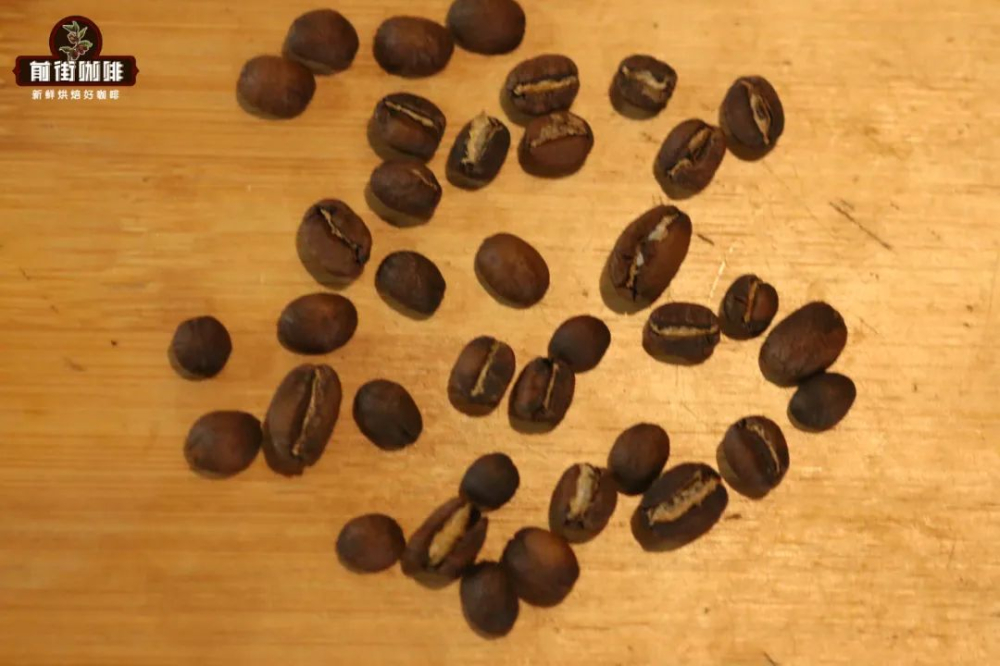
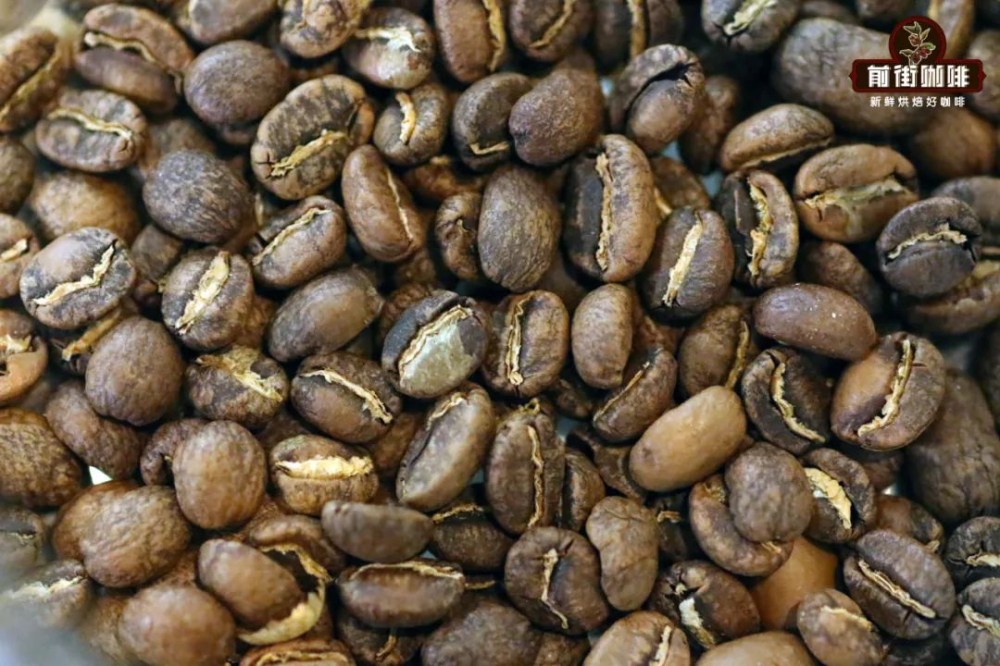
First: Obvious wrinkles and black spots
This look is typical of high-altitude, lightly roasted washed beans. High-grown beans are dense; as moisture evaporates during roasting they shrink and wrinkle, and because the roast is light, they leave the roaster before fully expanding. Wrinkly as they may look, they are 100% not defective — and their cups show a very pleasant acidity.
Second: Split beans
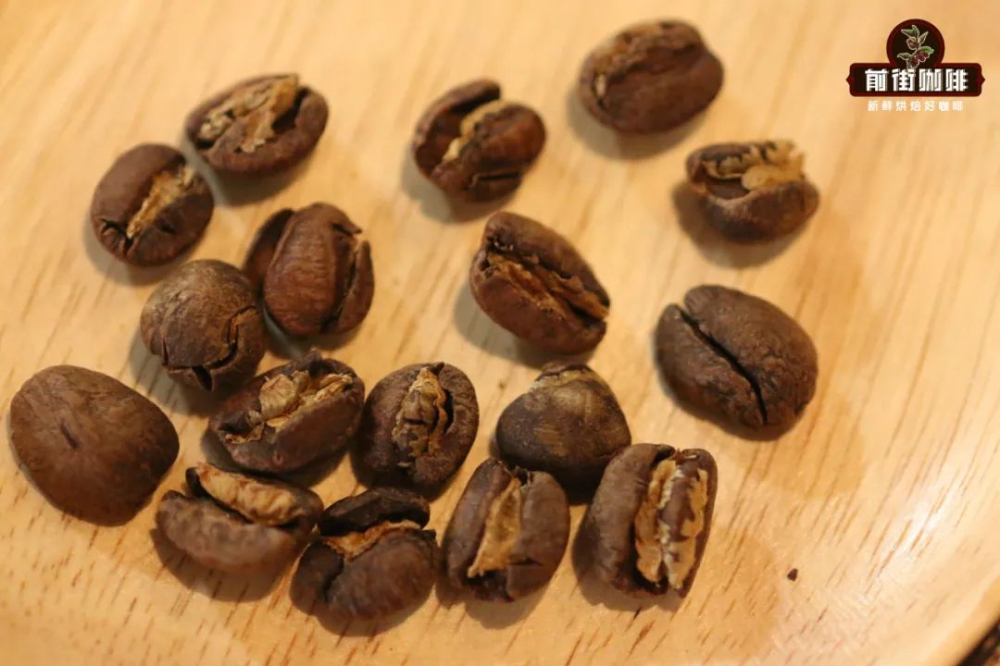
Some beans split open during roasting and look damaged — easily mistaken for defects. They're actually normal beans: their high density means they absorb a lot of heat, and vigorous cracking at first crack splits them open. Not pretty, but harmless to flavor — they may even make the coffee taste better.
Third: Unique appearance
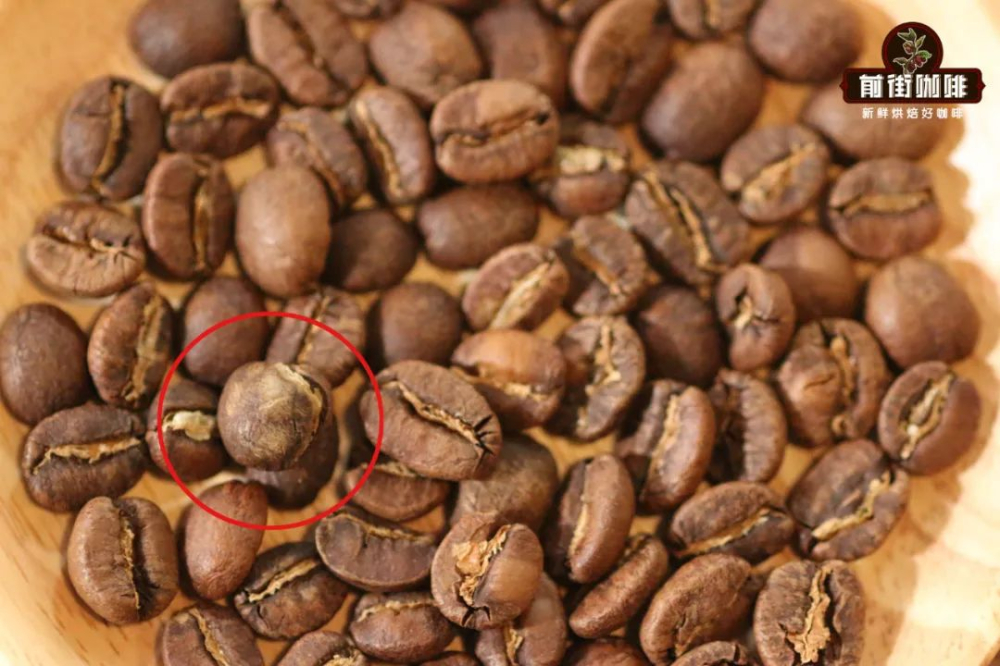
Finally, some beans stand out simply because they look different. Unusual appearance doesn't mean defective — just distinctive. Of course, if the looks bother you, feel free to treat them as defects.
FrontStreet Coffee Recommendation
Uneven color is often a signature of great processing — and FrontStreet Coffee's PWN Golden Mandheling shows what strict sorting achieves: beans above 18 screen size, fewer than 3 defects per 300g sample, and three rounds of hand selection for a G1-grade lot with a heavy, smooth body, herbal-spice character, and caramel sweetness.
For contrast, try FrontStreet's Blackberry from Costa Rica, made with black-honey processing — its uneven coloring is exactly the caramelized mucilage at work, yielding raisin and blueberry sweetness with osmanthus and rose florals. Or the anaerobic-natural FrontStreet Xijia (Sidra) from Colombia's Huila, whose bold color variation comes with passion fruit, grape, and apricot flavors. "Ugly" beans, delicious cups.
Important Notice :
FrontStreet Coffee is a long-established specialty coffee roaster in Guangzhou China, selling freshly roasted beans from its own farm in Yunnan as well as dozens of carefully selected single-origin beans from around the world for both pour-over and espresso. The products deliver consistently excellent quality and great value, with shipping within 24 hours. Guangzhou's FrontStreet Coffee shop is recommended by many coffee lovers, and the beans are now available online at the Tmall 。
FrontStreet Coffee has moved to a new address:
FrontStreet Coffee Address: 315,Donghua East Road,GuangZhou
Tel:020 38364473
 Scan and follow the En Gafei WeChat official account. Please indicate that the reprint comes from "En Gafei".