How Cruel! Animal Cafes Petitioned to Stop!
In recent years, animal-themed cafés have been popping up all over the world. Beyond cat and dog establishments, operators have introduced mini pigs and mallard ducks as attractions, and some have gone further — meerkats, snowy eagles, raccoons, even owls.
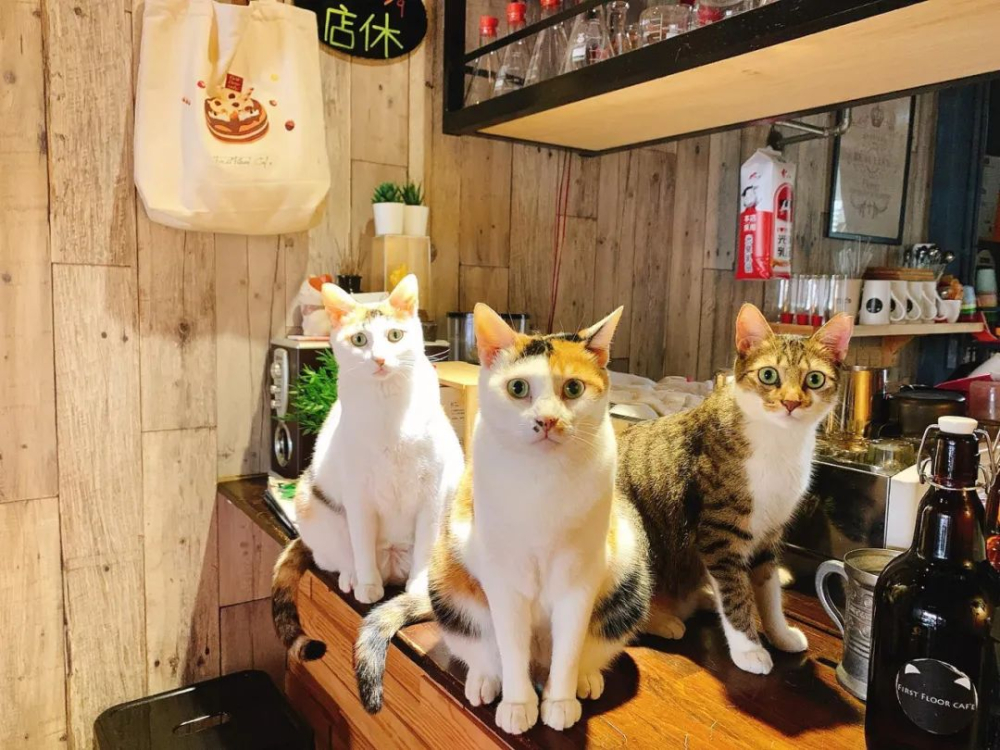
Animal cafés have proved hugely popular with young consumers worldwide. At the same time, animal welfare organizations have raised concerns that welfare policies in many regions are inadequate — and with no legal recourse, they worry deeply about the physical and mental well-being of the animals kept in these establishments.
The Origins and Psychology Behind Animal Cafés
The first animal-themed café opened in Osaka, Japan, in 2004. According to Kevin Short, a professor of cultural anthropology at Tokyo University of Information Sciences, interacting with animals in cafés can be a form of therapy for people coping with high-stress work: "They allow people to interact with animals and express feelings that might otherwise remain unexpressed — all without the responsibilities of pet ownership."
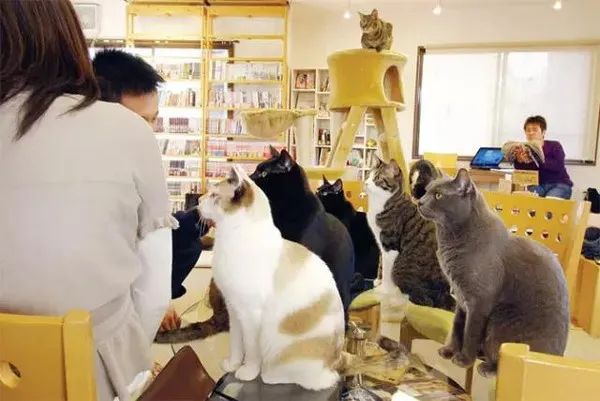
After the first cat café appeared, the trend spread rapidly around the globe, and the variety of animals kept expanding — from traditional cats and dogs to ferrets, hedgehogs, owls, rabbits, goats, even reptiles (one might ask: can reptiles really be therapeutic?).
Animal Welfare Concerns
As animal cafés multiply, not everyone views the trend favorably. Animal rights organizations argue that these settings stress the animals and that they belong in their natural habitats. Wild species especially, once free in their natural environments, are now confined to cramped spaces, short on sleep, and subjected to customer noise every day — with their physical and psychological health suffering to varying degrees.
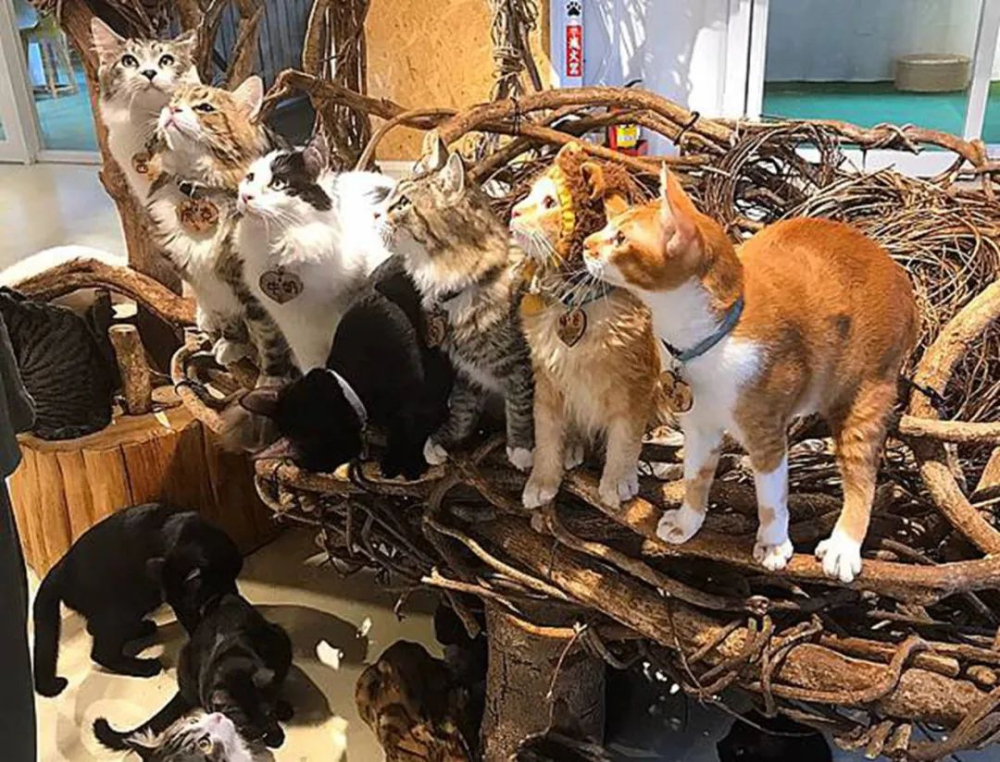
Take cat cafés as an example. Adult cats sleep an average of 12-14 hours a day; kittens and senior cats may sleep up to 20 hours. Yet cat cafés typically operate 8-12 hours daily, and from open to close the cats are disturbed by customers to varying degrees. Chronic sleep deprivation also weakens their immune systems.
Some establishments even restrict regular feeding so the cats "crave" treats from customers' hands. And although everyone disinfects their hands before entering, daily contact with a stream of strangers easily transmits skin diseases to the cats. Some cats, irritable from chronic sleep loss, end up harming customers.
The Dark Side of Owl Cafés
Another example is the recent boom in owl cafés in Japan, South Korea, and Thailand. While many regions prohibit keeping native wild owls, illegally "imported" wild owls fall outside the protection of these laws. As a result, café owners have turned to foreign smuggling, and some have even hunted rare owl species illegally to sell on the black market.
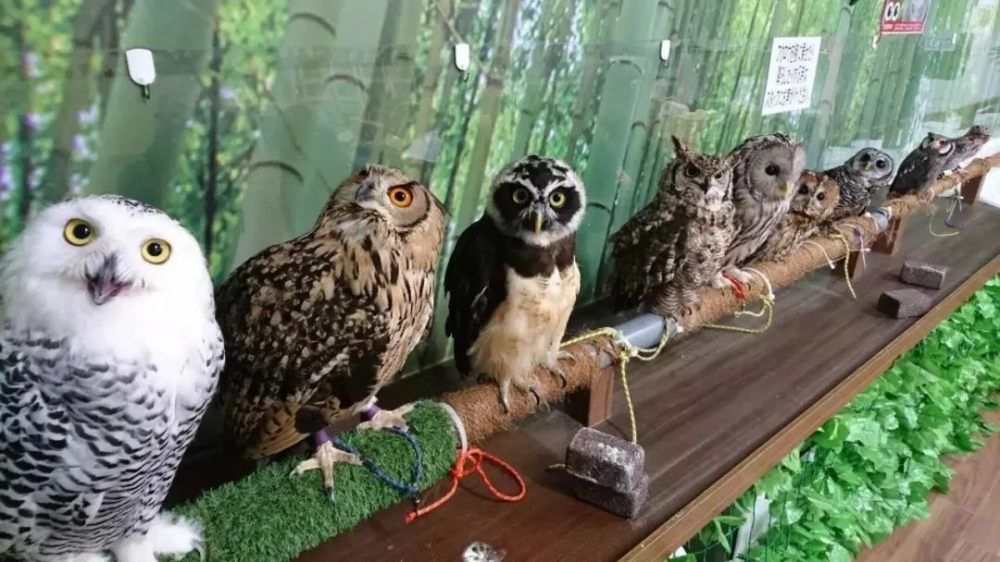
But here's the thing: those adorable, soft-looking owls are nocturnal! Daytime should be their sleeping hours, yet they are tethered in cramped spaces — unable to sleep by day or hunt by night. The ropes and wires binding them cause foot injuries of varying severity as the frightened birds struggle. And customers have no idea. The staff seem caring and attentive, handling the owls ever so gently... and the owls even seem to enjoy being petted...
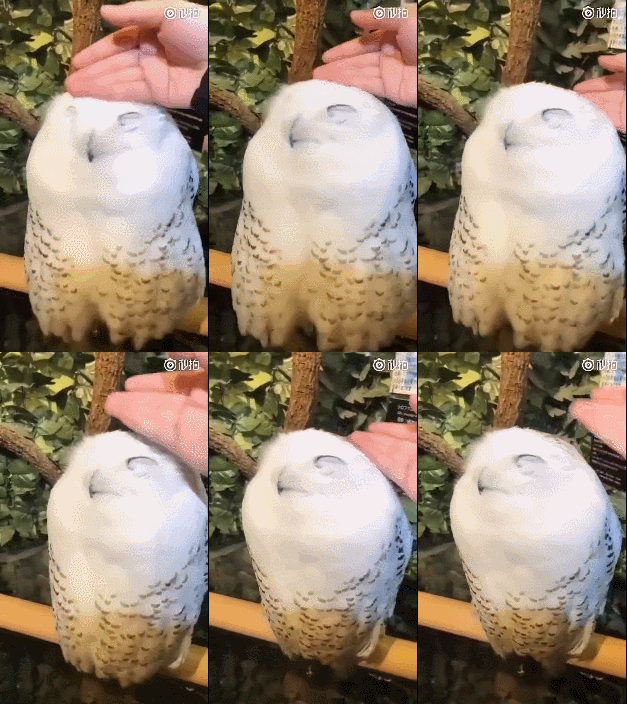
But they are wild animals — how could they enjoy human contact? What looks like enjoyment is fear and panic. Unlike other animals, an owl's apparent contentment is actually an intimidation display. When an owl moves slowly and narrows its eyes after being petted, it is terrified... You think it's smiling? Its mouth simply curves upward naturally... Not all animals relax under gentle touching — and some owls die from the stress.
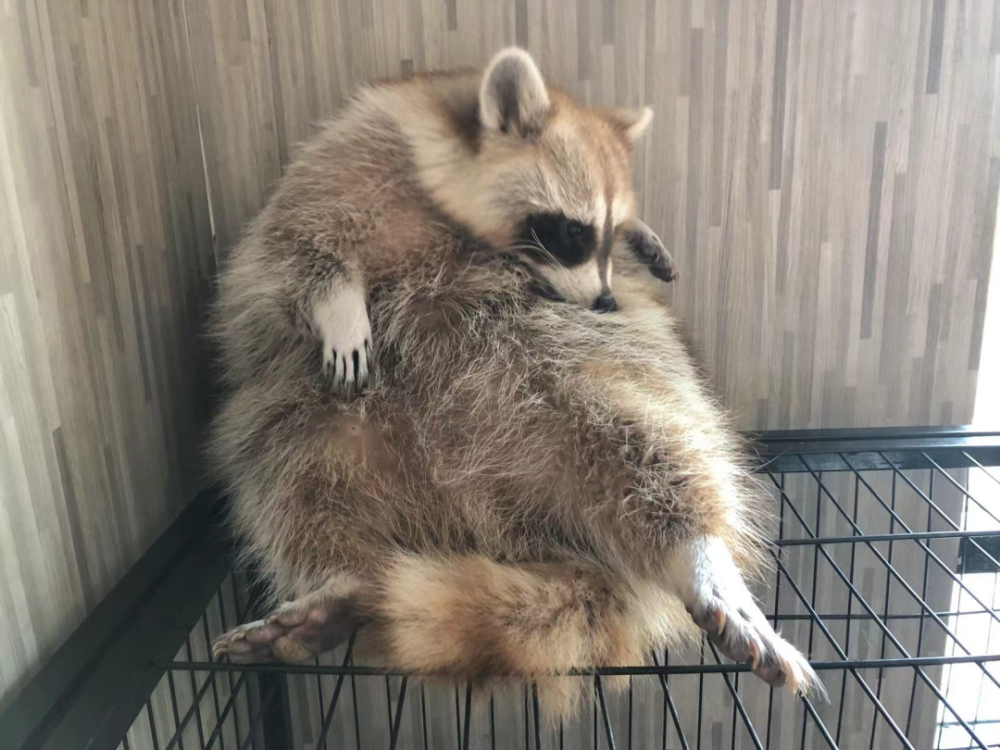
Animal welfare organizations in many regions do not consider animal cafés a good idea at all. Owls aside, many wild animals — raccoons, hedgehogs, meerkats among them — simply do not enjoy human contact.
Regulatory Responses and Consumer Responsibility
In Japan, where animal cafés have proliferated, organizations have launched online petitions calling for the closure of all wildlife cafés, including owl cafés, collecting over 100,000 signatures. Some netizens put it bluntly: these animals don't belong in cafés, and the practice is just another form of animal abuse driven by the human appetite for entertainment.
Chihiro Okada, spokesperson for Japan's Animal Rights Center, says the animal café industry lacks proper regulation. When welfare organizations or ordinary citizens report misconduct, officials can investigate — but with welfare standards so inadequate, nothing improves no matter how dire the animals' circumstances.

After repeated requests for official investigation failed, her organization negotiated directly with owl café owners, demanding the owls be given water at all times. Cafés are not natural habitats for wildlife — their lifespans shorten as a result, and they endure extreme stress from human presence, noise, and constant restriction of movement. Yet there is still no legal avenue to force change.
On January 13th of this year, South Korea's Ministry of Environment announced a comprehensive ban on displaying wildlife outside zoological facilities to protect animal welfare — a principle covering farm, laboratory, companion, working, entertainment, and wild animals alike. The prohibition includes privately run businesses such as the wildlife cafés that have recently become popular in South Korea.
Beyond the operators themselves, shouldn't consumers also reflect? Without patronage, how could such a market exist at all?
Image source: Internet
FrontStreet Coffee Recommendation
The best café experiences are the ones where everyone — guests included — is genuinely comfortable. For coffee worth lingering over, FrontStreet Coffee recommends its Ethiopia Sidamo Huakui natural: bursting with strawberry, passion fruit, and honeyed tropical-fruit aromatics, it's the kind of cup that makes a café visit memorable for all the right reasons.
Prefer something calmer and rounder? The Jamaica Blue Mountain No. 1 balances gentle acidity, cream, caramel, and nut notes into a soothing, seamless cup, while the Brazil Cerrado Red Bourbon offers dependable nut-and-cocoa sweetness that suits any laid-back afternoon. Good coffee, good company, clear conscience.
Important Notice :
FrontStreet Coffee is a long-established specialty coffee roaster in Guangzhou China, selling freshly roasted beans from its own farm in Yunnan as well as dozens of carefully selected single-origin beans from around the world for both pour-over and espresso. The products deliver consistently excellent quality and great value, with shipping within 24 hours. Guangzhou's FrontStreet Coffee shop is recommended by many coffee lovers, and the beans are now available online at the Tmall 。
FrontStreet Coffee has moved to a new address:
FrontStreet Coffee Address: 315,Donghua East Road,GuangZhou
Tel:020 38364473
 Scan and follow the En Gafei WeChat official account. Please indicate that the reprint comes from "En Gafei".