
Pour-Over Coffee Extraction Rate & Concentration: Solutions for Under-Extraction and Over-Extraction
Understanding the Relationship Between Extraction Rate and Concentration in Pour-Over Coffee
If you're learning pour-over coffee, grasping the connection between extraction rate and concentration is essential. Mastering these two concepts will pay dividends in every future brew.
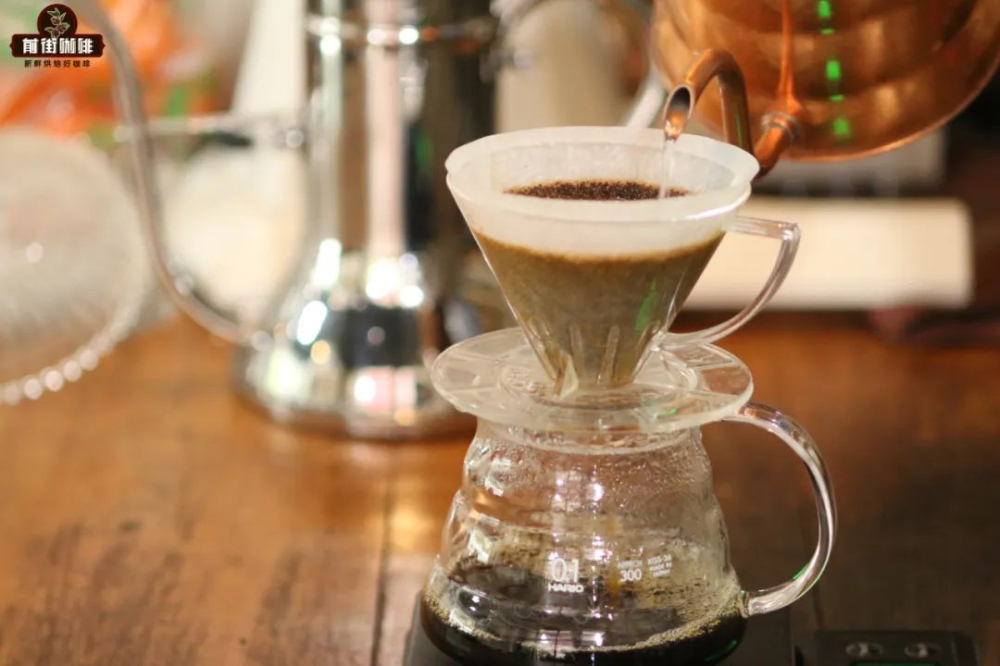
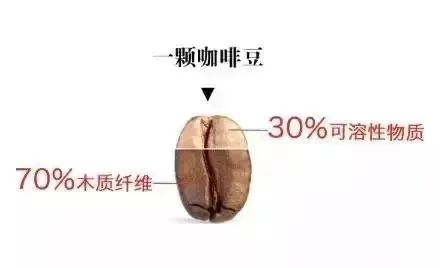
First, the definitions. Extraction rate is the percentage of the coffee beans (grounds) that dissolves into the water - the beans are the subject. All soluble substances in coffee make up only 30% of the bean itself. An extraction rate between 18-22% is generally considered to yield ideal flavors; above 22%, unpleasant notes like bitterness and harshness start to dominate.
Concentration, meanwhile, is the percentage of extracted coffee substances in the coffee liquid - the liquid is the subject. A concentration between 1.15-1.45% is generally considered pleasant.
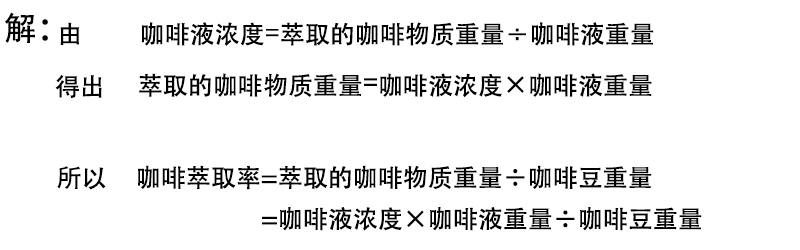
Notice the connection? Both revolve around dissolved coffee substances. Expressed as a formula: Extraction Rate = Concentration × Coffee Liquid Weight ÷ Coffee Bean (Ground) Weight. Measure the concentration with a refractometer, and you can calculate the beans' extraction rate.
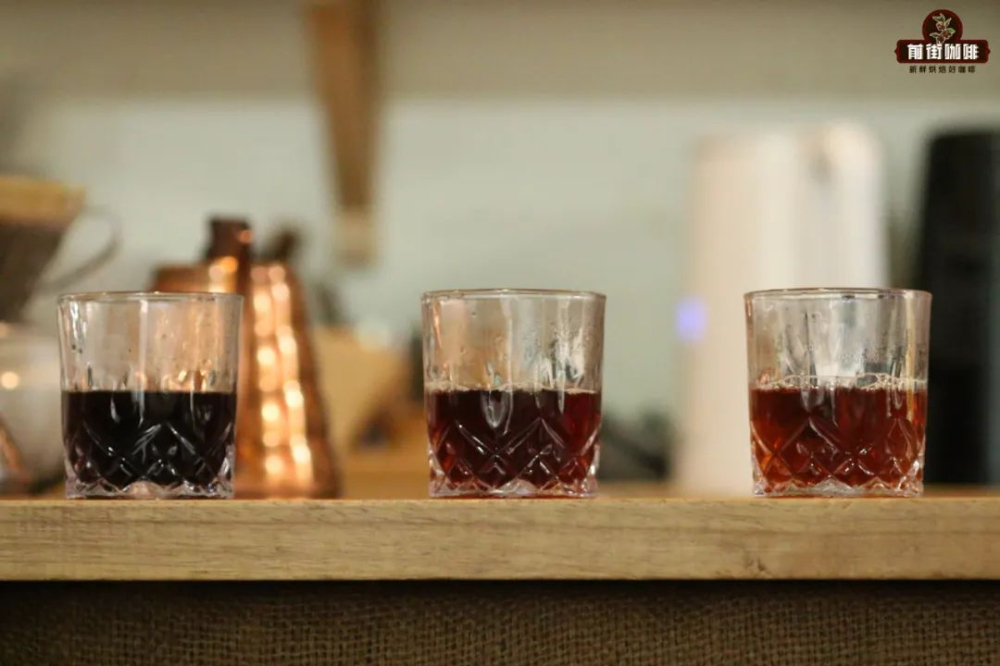
Of course, not everyone owns a concentration meter, so today we'll focus on the relationship itself and how it helps you build a brewing plan. Look at FrontStreet Coffee's segmented brewing experiment: the entire brew is divided into three stages, producing three equal-sized cups representing the early, middle, and late phases of extraction. Observe and taste them, and you'll find the early-stage cup is the most concentrated, the middle stage next, and the late stage the least.
Principles of Coffee Extraction
At the start of a brew, then, concentration is highest and extraction efficiency is also at its peak. Both gradually decline as the brew proceeds. Extraction rate, however, is cumulative: even when late-stage extraction efficiency is very low, the extraction rate keeps rising as long as water keeps flowing through the grounds.
Here's a thought experiment: if infinite water flowed through the coffee, the extraction rate would eventually approach 30% - but the brew would be hopelessly dilute. Pour-over coffee therefore requires managing both the beans' extraction rate and the liquid's concentration at the same time.
The Coffee-to-Water Ratio Parameter
Hence the first control parameter: the coffee-to-water ratio. A ratio of 1:15 to 1:16 makes it relatively easy to balance extraction rate and concentration - the "Golden Cup" extraction range familiar from brewing theory. That said, FrontStreet Coffee would add: learn the principles behind the Golden Cup, and mastering the extraction-rate/concentration relationship is enough. Treat the 18-22% extraction rate and 1.15-1.45% concentration figures as references, not gospel. Hitting the Golden Cup range doesn't guarantee a tasty cup, and plenty of delicious coffees fall outside it. (The SCA itself acknowledges the theory needs updating and began researching Golden Cup 2.0 in 2017 - let's wait for the experts!)
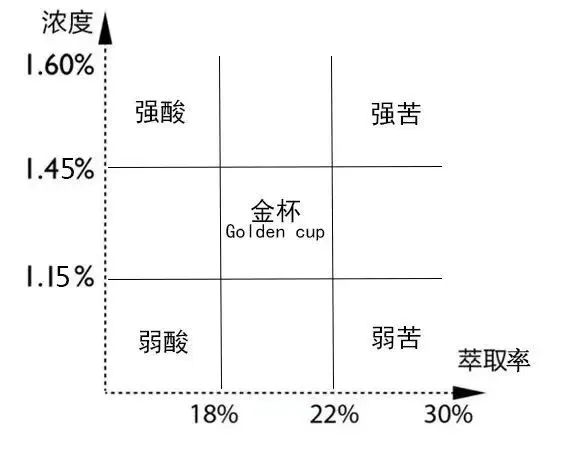
Identifying Extraction Issues Through Tasting
Once you understand the relationship, off-flavors become diagnostic clues. Intense, burnt, bitter, coarse, heavy flavors and textures point to high concentration combined with high extraction.
Rich yet dull, or sharply acidic with no aftertaste? That's high concentration with low extraction. Watery, thin, tasteless? Low concentration, low extraction. Bitter, water-like, hollow, thin, and coarse? Low concentration with high extraction.
Troubleshooting Common Issues
If you use an appropriate coffee-to-water ratio (1:15-1:16), low concentration with high extraction almost never happens.
If you run into high concentration with low extraction, increase the ratio - add more water - to raise the extraction rate while lowering concentration.
Problems with both high concentration and high extraction, or both low, usually trace back to grind size and water temperature.
FrontStreet Coffee Recommendation
Good extraction starts with good beans. For dialing in a V60 pour-over around a 1:15 ratio, FrontStreet Coffee's Yirgacheffe Guading is a forgiving choice: washed Ethiopian beans with citrus, berry, and floral aromatics, a green-tea sweetness, and gentle, bright acidity - flavors that reward careful extraction without punishing small errors. Want more tropical intensity? The natural-process Huakui brings strawberry, passion fruit, jackfruit, and lychee with pronounced sweetness and minimal bitterness, so an under-extracted cup still tastes juicy rather than hollow.
And when you're practicing diagnosing over-extraction, the low-acid PWN Golden Mandheling is an instructive counterpart: its rich body, herbal and dark-chocolate depth, and trace of earthiness stay pleasant within the 18-22% window but turn coarse and bitter if pushed too far - a vivid, cup-level lesson in what the Golden Cup numbers actually mean.
Important Notice :
FrontStreet Coffee is a long-established specialty coffee roaster in Guangzhou China, selling freshly roasted beans from its own farm in Yunnan as well as dozens of carefully selected single-origin beans from around the world for both pour-over and espresso. The products deliver consistently excellent quality and great value, with shipping within 24 hours. Guangzhou's FrontStreet Coffee shop is recommended by many coffee lovers, and the beans are now available online at the Tmall 。
FrontStreet Coffee has moved to a new address:
FrontStreet Coffee Address: 315,Donghua East Road,GuangZhou
Tel:020 38364473
 Scan and follow the En Gafei WeChat official account. Please indicate that the reprint comes from "En Gafei".

