
Sharing Multi-Layered Pour-Over Coffee Techniques The Difference Between Coffee Layers and Layered Sensation
Understanding Coffee's Layered Complexity
Layered complexity in coffee means being able to clearly perceive multiple flavor notes in a single sip—what we commonly call flavor complexity.
The idea can feel abstract, so let FrontStreet Coffee borrow a visual comparison. In the images below, the right picture looks more three-dimensional: the green forest in the foreground separates into distinct layers, and the sky does too. The left picture is flatter—the forest layers blur together and the sky becomes a gray, hazy backdrop.

Visually, rich layering means distinguishing more layers within one image. Back to coffee: layered complexity means clearly separating more flavor notes through your taste buds and olfactory receptors. The keys are clarity and multiplicity.

Take a Geisha, for instance. As it lingers in your mouth you might first notice citrus-like acidity, then a hint of jasmine, and from there pick out honeyed sweetness and the subtle fresh note of green tea. Those flavors coexist distinctly—that is layered complexity.
What Does Coffee Without Layers Taste Like?
The first type is single, flat flavor. The flavors are identifiable, but only one or two register at a time. Such coffees are usually loved for other virtues. Blue Mountain, for example, doesn't shine in complexity—its balance, cleanliness, and richness are what make it beloved.
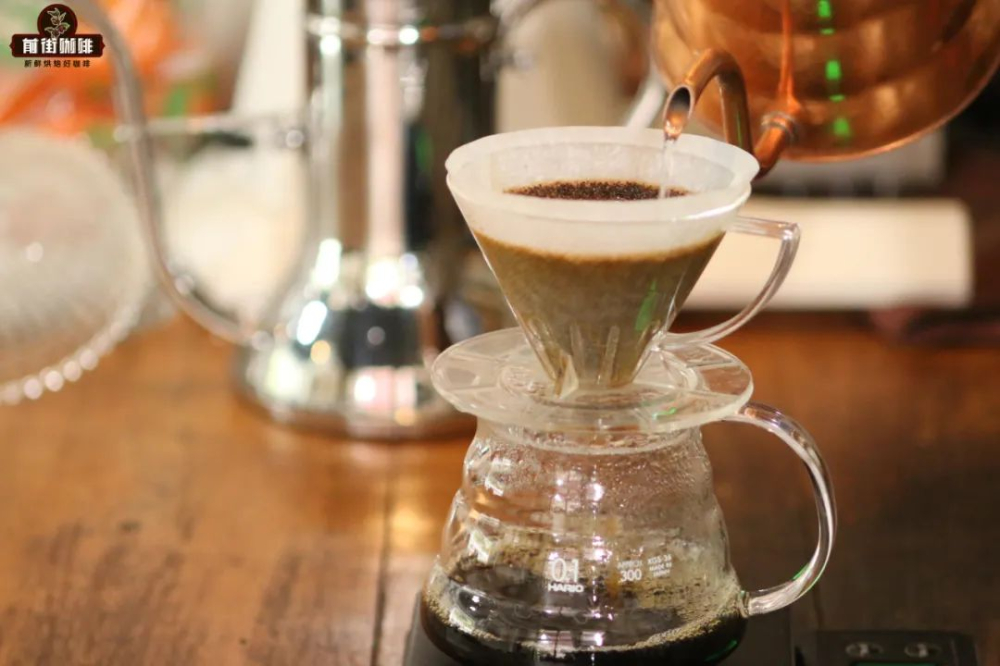
The second type has many flavors that are vague and hard to separate, producing a muddy sensation. That kind of coffee usually reflects a brewing problem rather than a bad bean.
How to Brew Coffee with Rich Layers
FrontStreet Coffee shares several methods to help you brew coffee with greater layered complexity:
Bean Selection
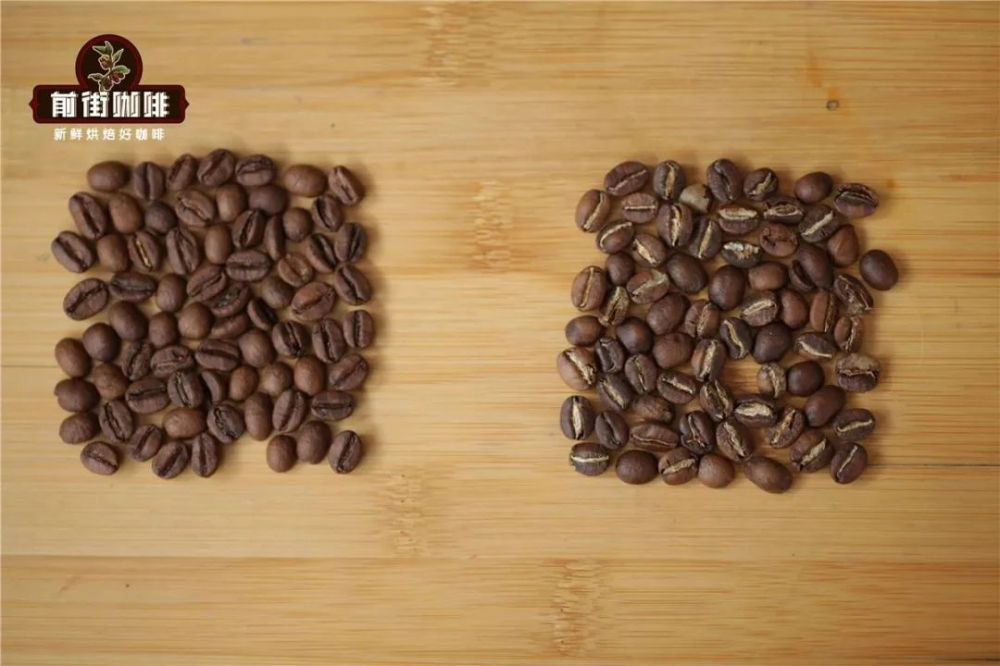
The higher the altitude, the greater the complexity—higher altitude means denser beans and more flavor compounds.
Fermentation also matters: the more material involved in fermentation, the richer the layering. Natural process beans hold an advantage over washed ones here. Note that this is an advantage, not a guarantee—complexity comes from the range of flavors, which depends on what ferments and for how long. On the complexity track, more highly fermented beans simply start ahead.
Keeping an Appropriate Amount of Fines
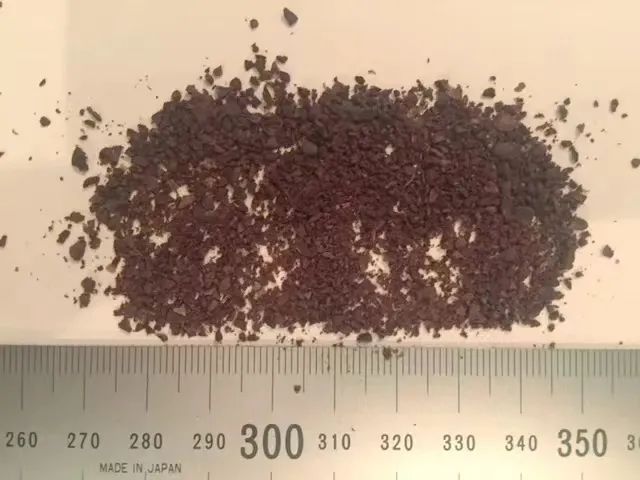
Particles smaller than 0.3mm are called fines. Fines are a double-edged sword: too many make coffee bitter and astringent, but an appropriate amount adds flavor notes and improves layering.
This comes from uneven extraction. Different particle sizes release flavor at different rates—fines give up their compounds quickly, boulders slowly—so each particle contributes differently, and the flavors diversify.
"But shouldn't grounds be as uniform as possible?" Well, talking about particle distribution without proportion is like talking about toxicity without dose. Even grounds from the finest grinders are never perfectly uniform; there are always fines and boulders, just in smaller relative differences. The "appropriate amount" translates to roughly 5% of the total.
Segmented Pouring
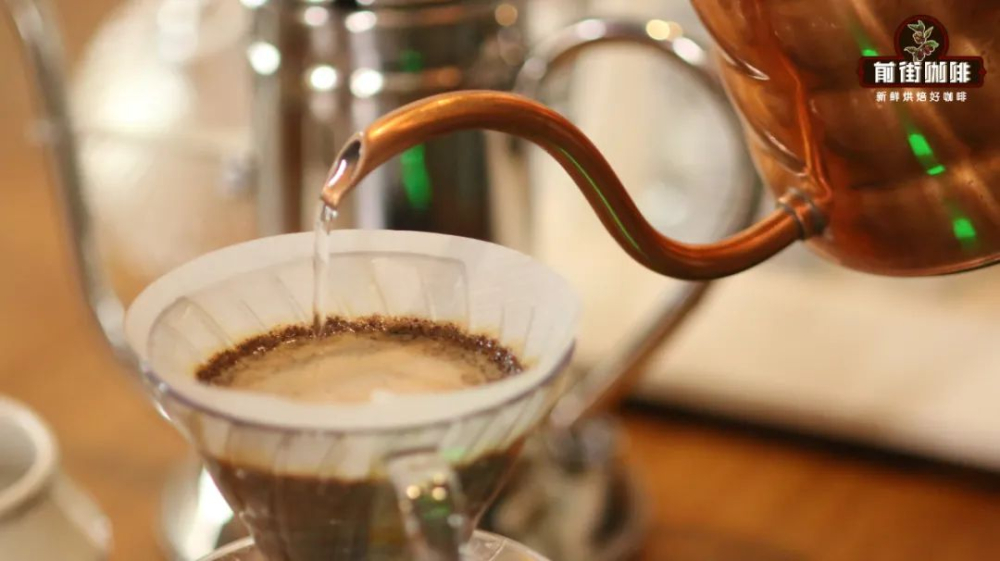
Pouring in segments also effectively boosts layering. You can see this by comparing one-pour and three-pour brews. Splitting the pour spreads the water's agitation across three separate moments, letting the coffee bed tumble again later in the brew and release more compounds—so the overall cup reads as more layered.
Widen the Coffee-to-Water Ratio
FrontStreet Coffee has touched on this when discussing strength: an over-concentrated coffee blurs its flavors into a muddy haze. The fix is simple—widen the ratio. If your 1:15 brew tastes muddled, try 1:16 or 1:17 next time.
FrontStreet Coffee Recommendation
For a bean that practically demonstrates layering, nothing beats a Geisha. FrontStreet Coffee's Panama Boquete Geisha is the affordable entry point: the classic orange-blossom honeyed sweetness of Panamanian Geisha, an oolong-tea body, delicate fruit acidity, and clearly separated layers in every sip.
Ready to go further? FrontStreet Coffee's Granana Estate Geisha from Ethiopia—hand-picked ripe cherries dried 14–20 days on raised beds—delivers bright citrus acidity, elegant ginger-flower aromatics, and full ripe-fruit sweetness under a medium-light roast. For brewing it, FrontStreet Coffee suggests a medium-fine grind (78% through a #20 sieve), 91°C water, 15g of coffee at 1:16 in a V60, and a three-pour structure finishing around 2:10–2:20.
Important Notice :
FrontStreet Coffee is a long-established specialty coffee roaster in Guangzhou China, selling freshly roasted beans from its own farm in Yunnan as well as dozens of carefully selected single-origin beans from around the world for both pour-over and espresso. The products deliver consistently excellent quality and great value, with shipping within 24 hours. Guangzhou's FrontStreet Coffee shop is recommended by many coffee lovers, and the beans are now available online at the Tmall 。
FrontStreet Coffee has moved to a new address:
FrontStreet Coffee Address: 315,Donghua East Road,GuangZhou
Tel:020 38364473
 Scan and follow the En Gafei WeChat official account. Please indicate that the reprint comes from "En Gafei".

