
What Are the Precautions for Brewing Coffee? What Are the 5 Major Factors Affecting Pour-Over Coffee Flavor?
As the saying goes, "You can't call yourself an expert until you've made some mistakes." On the road to brewing better coffee, disasters are inevitable. When something goes wrong, don't panic — what matters is finding a fix. In many cases, the cup can still be saved.
Ground the Beans at the Wrong Setting — Throw Them Out?
You've definitely been here: you misread the grinder setting, or forgot to change it back after someone else fiddled with it. Now the grounds are the wrong consistency, and you have two options — bin them with a sigh, or brew anyway and pray for a miracle.
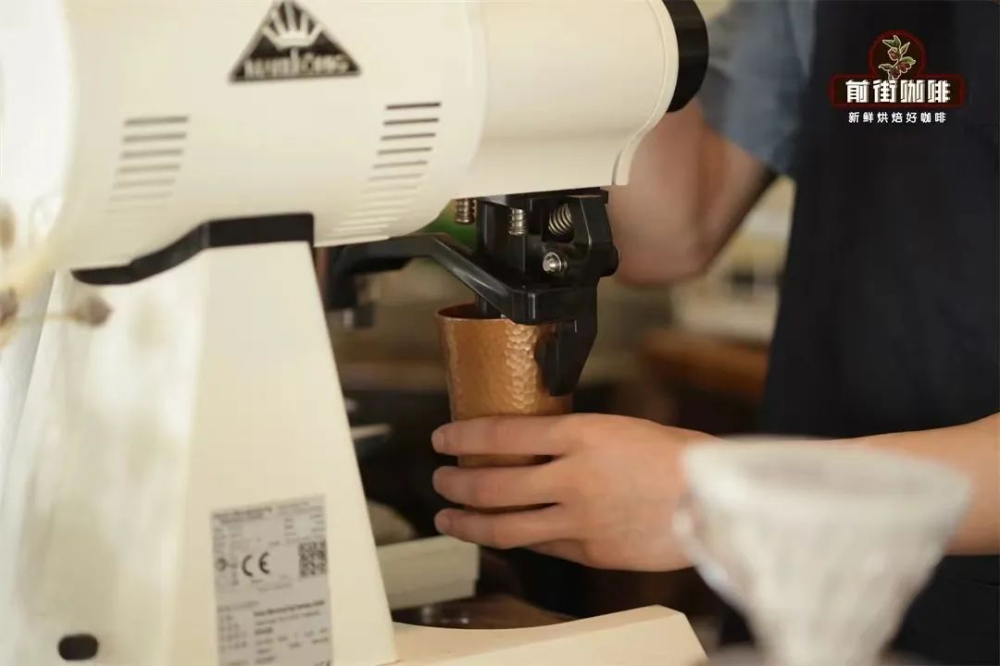
When FrontStreet Coffee teaches pour-over grind size, we push for a fixed standard. Our benchmark is the #20 sieve: pour-over grind should have a 70-80% pass rate through a #20 sieve. That fineness draws out coffee's flavors most readily in hand-drip brewing.
If you notice the grind is off after the fact, don't rush to throw it out — it may still be salvageable. First, gauge how far it deviates from your usual grind. You can judge roughly by looking at the largest particles in the grounds, or simply by checking the grinder's setting.
Every brew is a system: grind size, water temperature, ratio, and technique have to work together. Change the grind while everything else stays put, the balance breaks, and the flavor goes off. But you can rebalance by adjusting the other parameters to compensate.
Grinding exists to increase the bean's surface area in contact with water. Finer grind means more surface area and easier extraction. Water plays its part too: hotter water dissolves coffee compounds more readily, while cooler water extracts more slowly. Time follows the same logic — a longer contact time means a stronger brew, a shorter one a lighter cup — and in pour-over, time is something you control through your pouring technique.
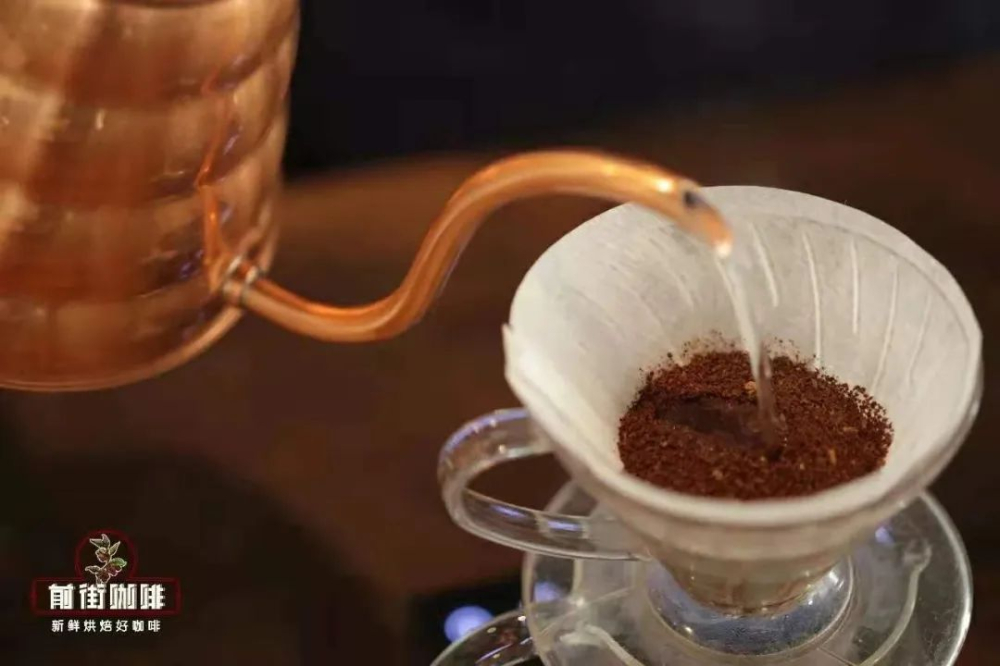
So if the coffee is ground too coarse, raise the water temperature, extend the bloom, and pour a smaller stream to lengthen contact time. If it's ground too fine, lower the temperature, shorten the bloom, pour a bigger stream, or reduce the amount of bypass water. And if you've accidentally ground it all the way to espresso fineness? There's always the "single-pour" method as a last resort!
No Bloom During Pre-Infusion — Keep Going or Stop?
Sometimes, mid-pour, you notice the coffee bed never puffs up — it just sits there looking expired. Keep brewing, or give up? Brew nothing and you waste the beans; brew anyway and you might waste the water. In this situation, keep going — but check first. Look at the roast date: if the beans are less than a month off roast, freshness is basically ruled out.
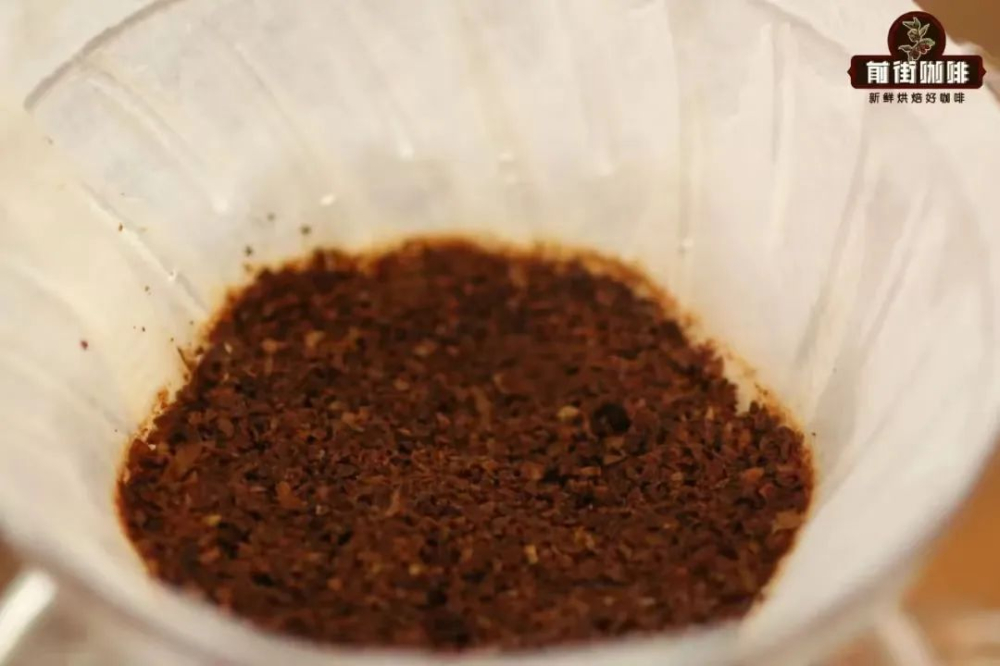
If they're past the one-month mark, smell the dry fragrance and the aroma during the bloom. Still smells like coffee, with no peanut-skin or aged notes? Carry on. Smell those off-flavors? Let it go and toss it.
In fact, some denser light roasts never bloom noticeably during pre-infusion. Their high density slows water penetration and gas release, so no dome forms — Panama Geisha being the classic example. These non-blooming beds share one trait: they clog the drainage holes easily, leading to over-extraction and bitterness.
To counter that, pour in the smallest circles you can manage and keep the water level higher — it thins the coffee bed at the bottom and lowers the risk of clogging.
Of course, plenty of near-disasters have no ready-made answer — sometimes you just have to think on your feet and pull the cup back from the brink.
FrontStreet Coffee Recommendation
Getting grind, temperature, and ratio right is half the game — the other half is starting with beans that reward good technique. For V60 pour-over, FrontStreet recommends its washed Yirgacheffe Guji Cooperative, a favorite first step into specialty coffee: bright citrus, berries, and florals with a green-tea finish, an acidity that's soft and fruity rather than harsh.
Want more fruit? The natural Ethiopia Huakui overflows with strawberry, passion fruit, jackfruit, and lychee, sweet and low in bitterness — the "least coffee-like coffee." And for those who prefer a mellower, low-acid cup, the deep-roast PWN Golden Mandheling brings herbal and dark chocolate notes with a thick, lasting body.
Important Notice :
FrontStreet Coffee is a long-established specialty coffee roaster in Guangzhou China, selling freshly roasted beans from its own farm in Yunnan as well as dozens of carefully selected single-origin beans from around the world for both pour-over and espresso. The products deliver consistently excellent quality and great value, with shipping within 24 hours. Guangzhou's FrontStreet Coffee shop is recommended by many coffee lovers, and the beans are now available online at the Tmall 。
FrontStreet Coffee has moved to a new address:
FrontStreet Coffee Address: 315,Donghua East Road,GuangZhou
Tel:020 38364473
 Scan and follow the En Gafei WeChat official account. Please indicate that the reprint comes from "En Gafei".

