Starbucks Sales Drop by 23%! Why Are Young People Turning Away from Starbucks?
On May 3 local US time, Starbucks released key financial data for the second quarter of fiscal year 2022 (the 13-week period ending April 3, 2022), and the picture overseas was bleak. Hit by a sharp decline in its second-largest market, China, international same-store sales fell by 8%.
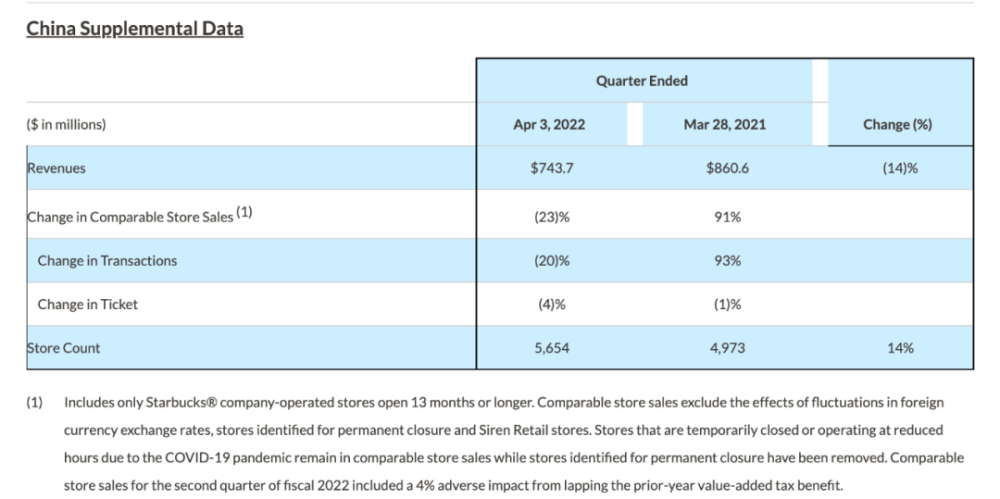
With lockdowns reintroduced after the COVID-19 pandemic, China's same-store sales declined by 23% this quarter, dragged down by a 20% drop in same-store sales volume and a 4% drop in average customer spending. A Starbucks executive said that 72% of the Chinese cities where Starbucks operates experienced Omicron outbreaks during the quarter.
Across the 13 weeks of the second quarter, roughly one-third of Starbucks stores in China were temporarily closed or accepted only mobile orders, payments, or delivery orders. Belinda Wong, Chairman of Starbucks China, said: "Given the length of Shanghai's lockdown and the further resurgence of the virus in other cities including Beijing, we expect the group's third-quarter performance to be more significantly affected." Although Starbucks China will face a greater impact in the third quarter, Wong remains optimistic about the Chinese market and said the company's pace of expansion in China continues.
According to the second-quarter fiscal 2022 data, Starbucks added 97 new stores in China and will keep focusing on growth, with the expectation of operating 6,000 stores in China by 2022. As of the end of the second quarter, stores in the United States and China accounted for 61% of the group's global portfolio, with 15,544 in the United States and 5,654 in China.
The Conversation Behind Starbucks' Decline
The drop in Starbucks China's sales sparked heated discussion online and produced a trending topic on Weibo about why young people look down on Starbucks. Some netizens attribute the decline to pricing and innovation, brand image and positioning, industry competition, and changing consumption habits. Others put it differently: it is not that people look down on it, but that they simply do not choose it.
Starbucks' pricing has always been the most discussed topic among general consumers, and "expensive" has become one of its most representative labels. For an ordinary consumer choosing between drinks of the same type, the deciding factor is a brand with similar taste and a more favorable unit price. Chain coffee brands are now plentiful in the domestic market, and small independent cafes are scattered through every street and alley. Coffee has gradually worked its way into daily life, and how well known a brand is no longer the first thing people weigh when choosing a cup.
Challenges in Innovation and Brand Image
Faced with the market's appetite for coffee innovation, Starbucks looks noticeably behind in launching new products. The long-standing practice of simply swapping in a different flavored syrup and calling it a new product no longer satisfies consumers' demand for novelty, and the look of the finished drinks fails to attract more attention either.
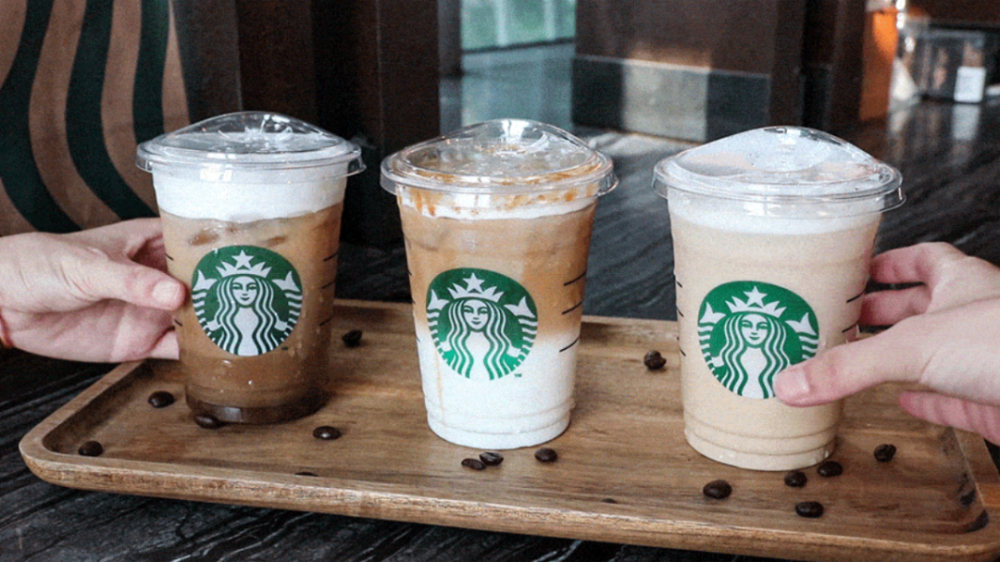
Starting last December, incidents affecting Starbucks' brand image came one after another, especially food safety issues and the incident of expelling police officers. These not only drew public criticism but cost the brand potential customers, and disappointed a group of loyal consumers as well.
The Impact of the Vanishing "Third Space"
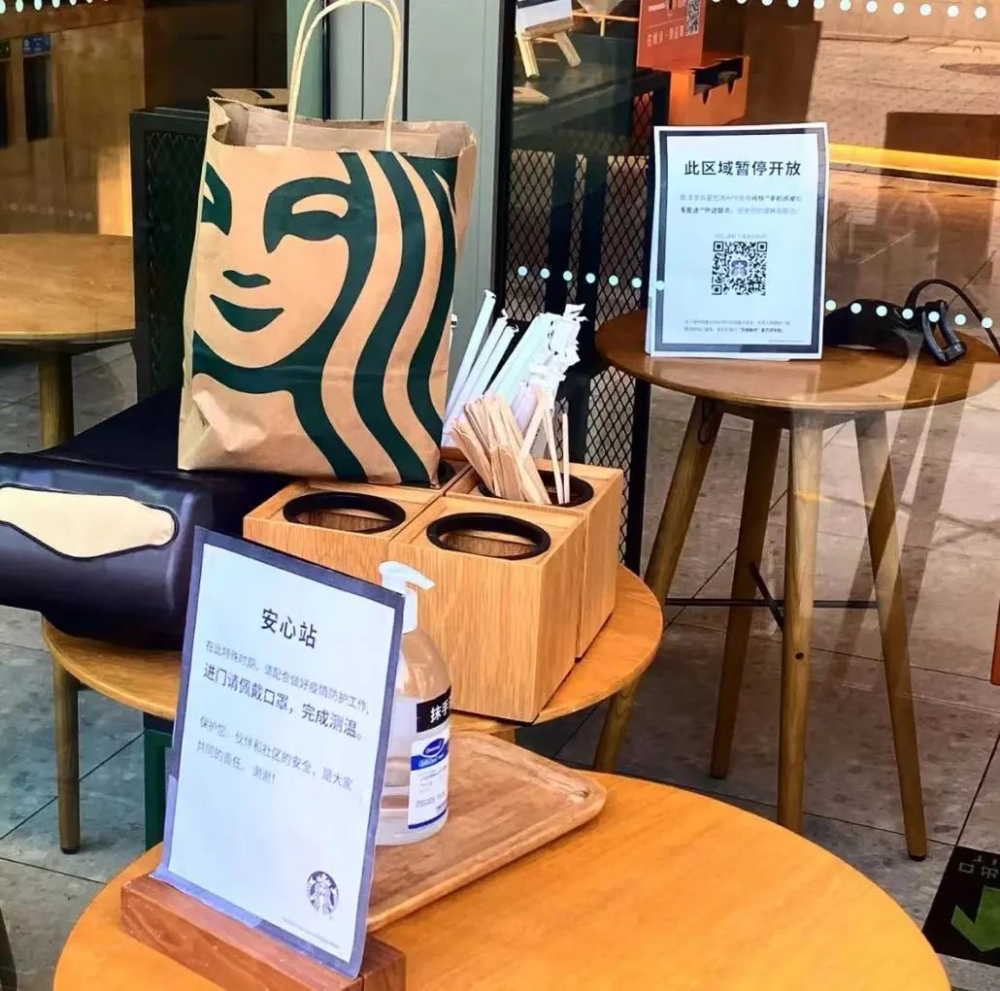
The pandemic also took its toll: some Starbucks locations could not offer dine-in service, which hurt sales. Starbucks has always attracted business professionals by providing a comfortable "third space," and people choose it for the environment in which to hold meetings, work, and study.
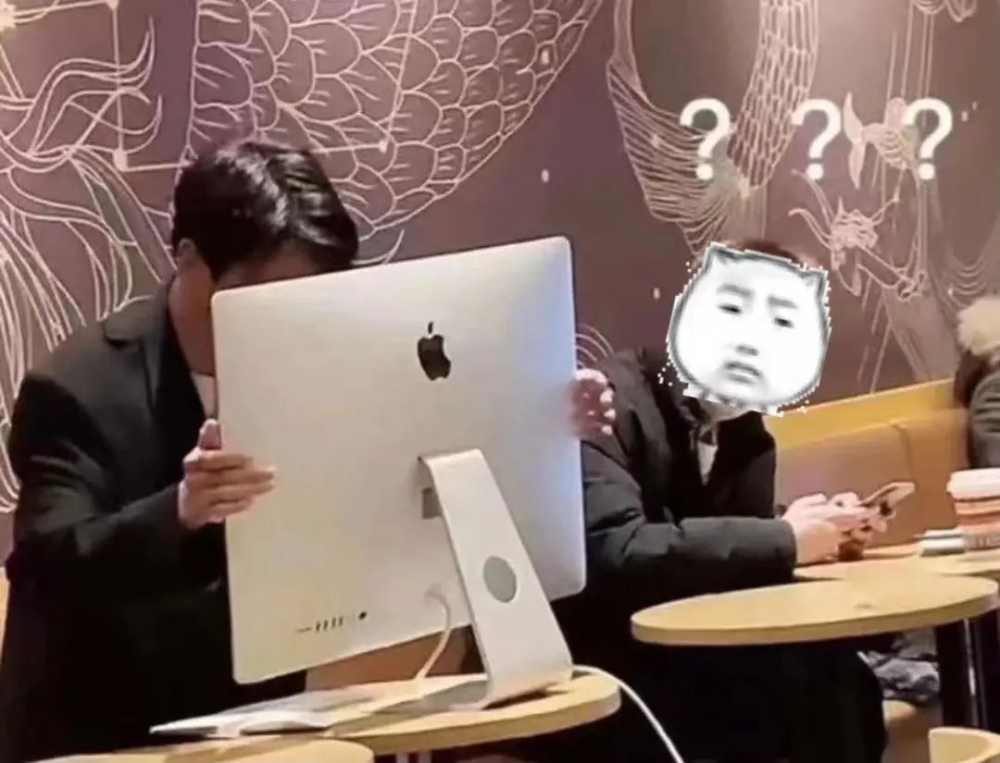
Without dine-in service, the "third space" disappears. So even though Starbucks offers delivery or online ordering with in-store pickup, it loses many business customers, and its price positioning prevents it from drawing a new consumer group during that period.
Changing Coffee Habits
Starbucks is not alone in this: many coffee shops have seen significant sales declines, because the pandemic changed people's coffee consumption habits. Previously, people would habitually sit down in a coffee shop, enjoy the relaxed atmosphere, and find comfort in watching the barista brew.
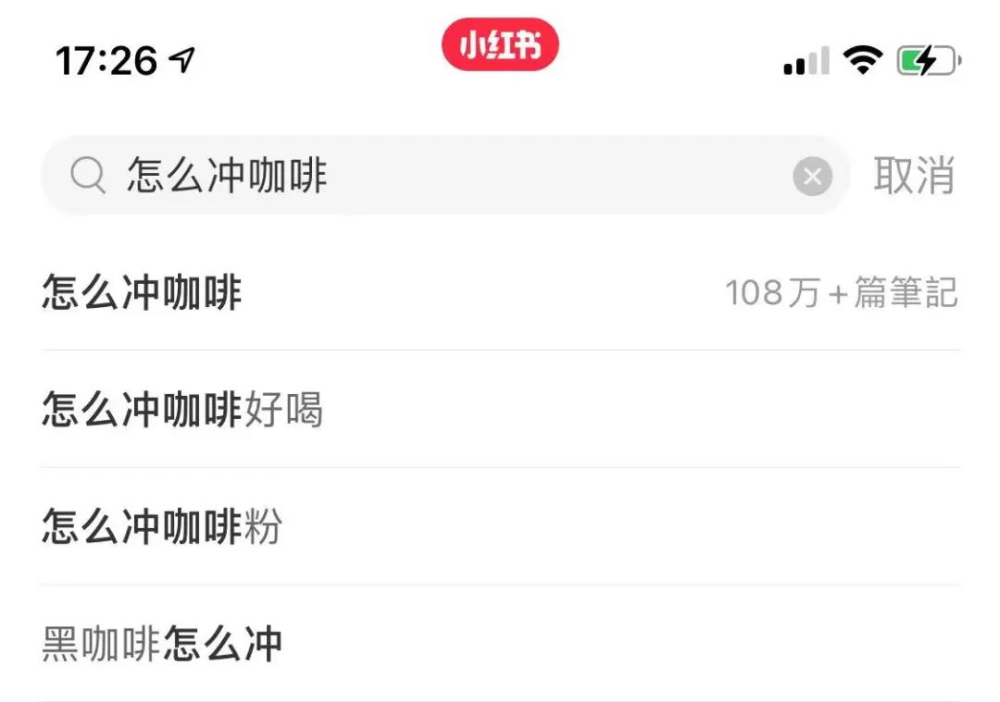
Now, to make coffee convenient without leaving home, the market has introduced plenty of products that make a cup easy, such as freeze-dried coffee, coffee liquid, and hang-drip coffee. There are also many DIY coffee tutorials online, which has let friends who are not chasing specialty coffee set up a "coffee mini-bar" at home. Besides allowing them to express creativity and improve their hands-on skills, the production cost is far cheaper than a finished drink from a coffee shop.
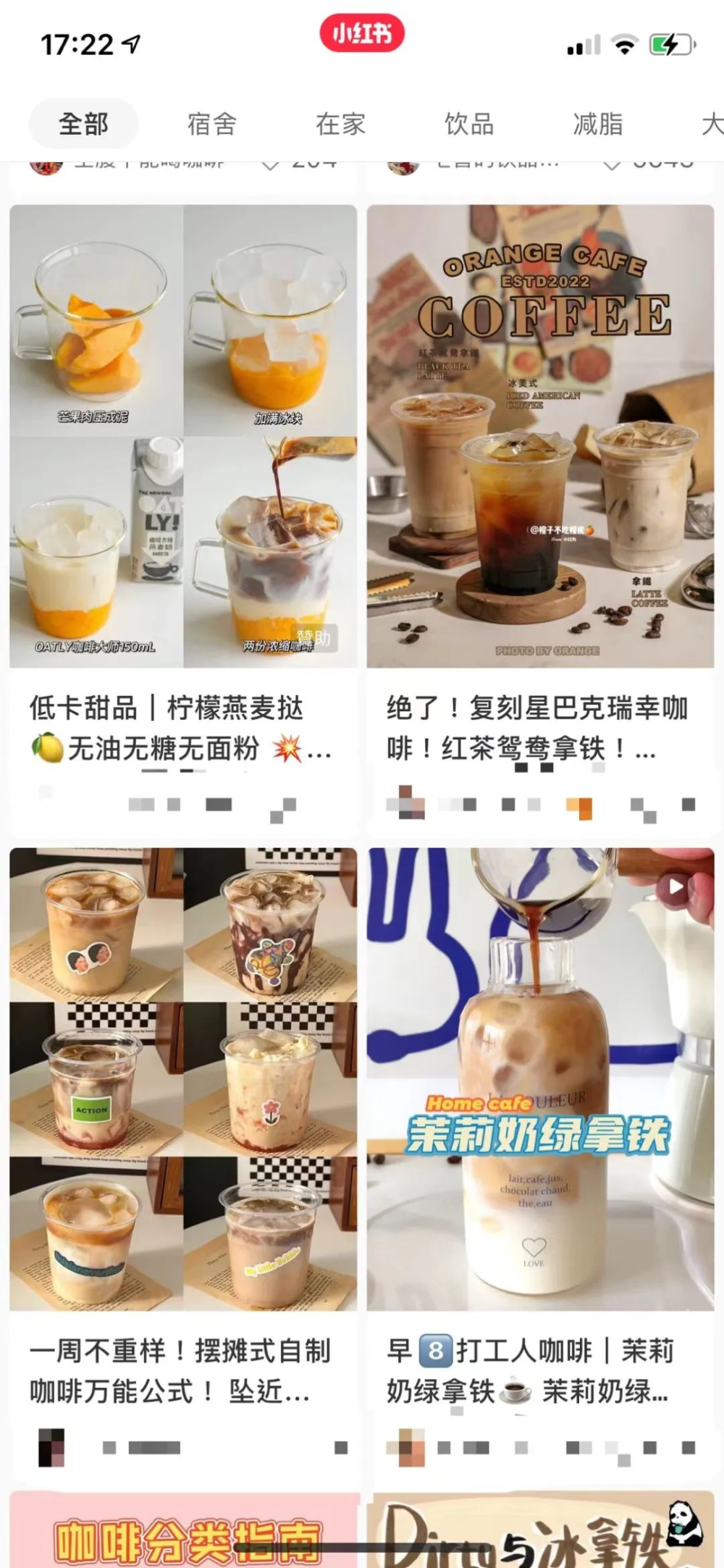
With coffee culture and specialty coffee knowledge spreading widely, more and more people want to study coffee further. Where there is demand, there is supply. Alongside a growing variety of beans, there are more choices in brewing equipment too, so whether you are a beginner or a dedicated researcher, you can find gear that suits you.
Learning about coffee and brewing technique is no longer confined to dry theory and text. As more people research, understand, and simplify it, brewing coffee is no longer as complicated as it is made out to be, and enjoying the process has become a comforting moment for many.
Consumer Choice and Brand Positioning
As netizens have said, it is not about looking down on it, but about not choosing it. Coffee is an everyday drink. Consumers can pick a brand that suits them, and brands can pick the customers that suit them. Starbucks may not suit the taste of some young Chinese consumers, but that does not speak for everyone.
Because not everyone knows or understands coffee, for many people who pay little attention to coffee or do not drink it often, Starbucks remains the best option when they want a cup. The brand's influence means that when coffee comes up, Starbucks is what comes to mind, even for people who do not know coffee at all.
Image source: Internet, Xiaohongshu, Weibo
FrontStreet Coffee Recommendation
If the rising price of a cafe cup is what sent you looking for an alternative, brewing at home can be both cheaper and more rewarding. FrontStreet Brazil Cerrado Red Bourbon is an affordable everyday single origin from a well-known Brazilian region, with cream, peanut, and cocoa notes and a soft, gentle acidity that makes it easy to like. FrontStreet Queen's Estate, grown at a higher altitude from the rare Yellow Bourbon variety, adds a sugarcane-like sweetness and a thick, smooth body, and it shines whether you brew it on its own or with milk.
For anyone curious about the fruit-forward flavors that specialty coffee is known for, FrontStreet Sun-Dried Huakui brings tropical notes of berry, jackfruit, and honey with a low bitterness, and FrontStreet Washed Gudingding Cooperative offers the classic Yirgacheffe profile of jasmine, lemon, and berry. Both are simple to brew at home and a good way to see what all the fuss is about.
Important Notice :
FrontStreet Coffee is a long-established specialty coffee roaster in Guangzhou China, selling freshly roasted beans from its own farm in Yunnan as well as dozens of carefully selected single-origin beans from around the world for both pour-over and espresso. The products deliver consistently excellent quality and great value, with shipping within 24 hours. Guangzhou's FrontStreet Coffee shop is recommended by many coffee lovers, and the beans are now available online at the Tmall 。
FrontStreet Coffee has moved to a new address:
FrontStreet Coffee Address: 315,Donghua East Road,GuangZhou
Tel:020 38364473
 Scan and follow the En Gafei WeChat official account. Please indicate that the reprint comes from "En Gafei".