
Pour-Over Coffee Brewing Theory: Detailed Explanation of Single-Stream, Three-Stream, and Cross-Stirring Methods
Beyond Traditional Brewing: Exploring Alternative Coffee Brewing Methods
Brewing by the book will certainly produce good coffee, but enthusiasts love to "play"—developing interesting techniques from the accumulated experience of many trials. (Note: this "play" must still rest on brewing logic, not random experiments.)
Remember the brewing parameters FrontStreet Coffee identified as shaping coffee flavor? Coffee-to-water ratio, grind size, water temperature, and pouring technique. These work together to express a coffee's character—change one and the whole result shifts, truly a case of one move affecting the entire board.
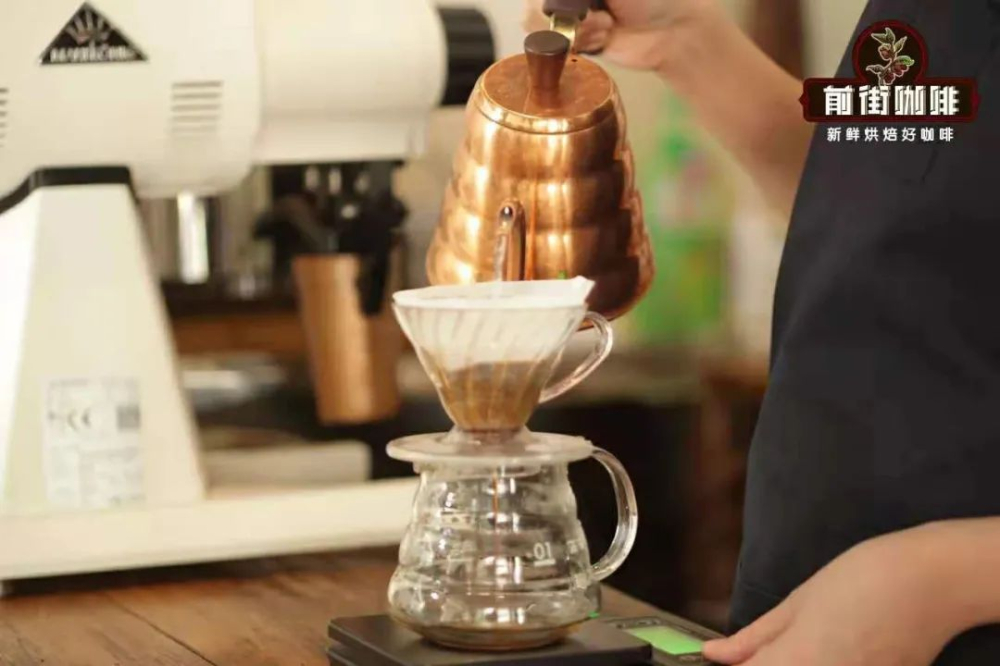
For common pour-over methods: the ratio typically sits between 1:15 and 1:16; the grind is slightly finer than cupping grind—about 75-80% passing through a #20 sieve; water temperature runs 90-93°C for light roasts and 86-89°C for dark roasts; and the pouring techniques include single-pour, three-pour, and three-stage methods, all sharing one trait: a bloom before pouring.
These established parameters make delicious coffee easier to achieve. That doesn't mean other combinations can't produce distinctive cups.
The No-Bloom Brewing Method
Blooming has long been considered gospel. But Hario released a dripper called "Mugene" (Infinite) whose manual claims no bloom is needed—just pour all the water at once for delicious coffee. Incredible, even absurd, on first hearing?
FrontStreet Coffee brewed Ethiopian Alsi (light roast) with 15g of coffee, a 1:15 ratio, a grind of 80% through a #20 sieve, and 91°C water—single pour, completing the pour in 42 seconds, with the coffee finishing dripping in 2.5 minutes. The result: concentration of 1.19% and an extraction rate of 15.66%.
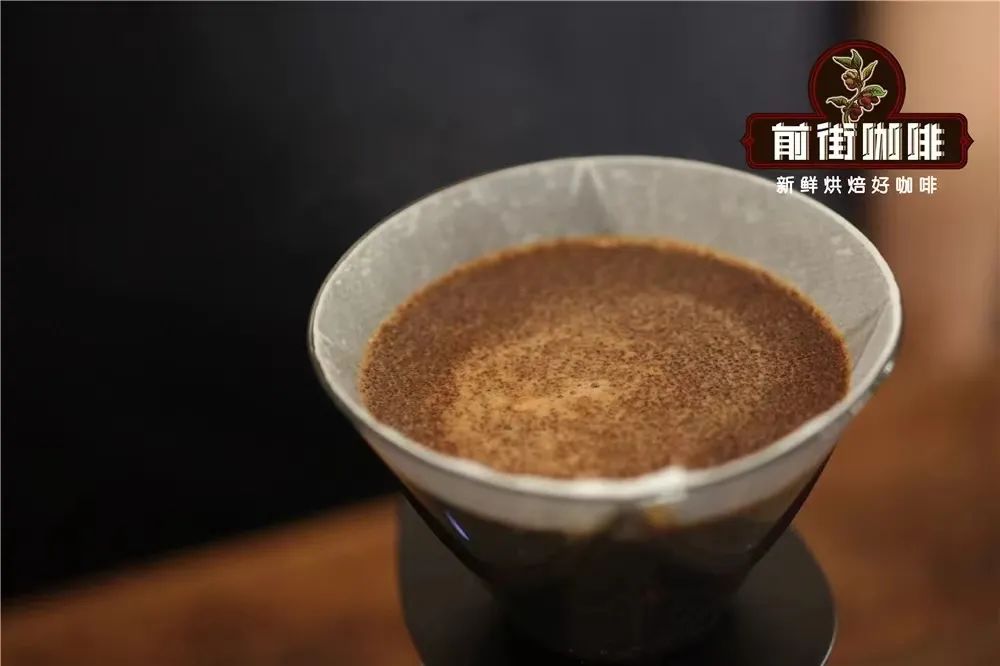
The concentration is reasonable, but the extraction rate is low (18-22% is conventionally considered ideal). On tasting, though, cleanliness was exceptionally high—remarkably clear, with subtle floral and fruity notes. Less complex than a regular brew, but overall very pleasant.
The lesson: without a bloom, coffee compounds are indeed harder to extract—but that doesn't mean the coffee tastes bad. With medium-dark roasts, for instance, higher extraction brings out more aroma but also more bitterness.
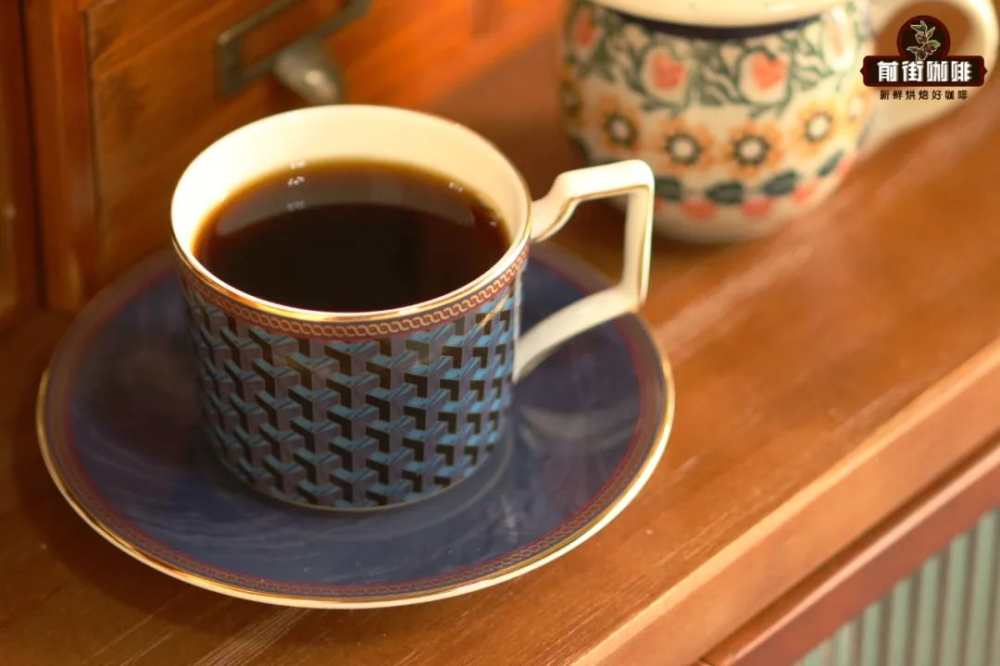
An Alternative Approach to Clean, Balanced Coffee
Here's another technique FrontStreet Coffee shares for a clean, balanced, smooth, pleasant mouthfeel through no-bloom, low-extraction brewing. It suits medium-dark roasted beans—current testing shows medium roasts work especially well, such as traditionally washed Colombians, traditionally honey-processed Costa Ricans, and Papua New Guinea beans. Their common trait: low acidity and low bitterness.
FrontStreet Coffee used the Kono dripper, whose advantage is easily producing rich coffee aroma. We used 24g of coffee—chosen mainly to fit the dripper—with a grind of 70% through a #20 sieve, water at 88°C, targeting 240ml of coffee liquid from 24g of grounds.
Brewing Method
Stage one: pour in circles directly, with a large flow, raising the liquid level to the top of the dripper. Larger particles stay on the surface with no obvious foam. The Kono's quirk: the higher the liquid level, the more pronounced its "siphon" effect.
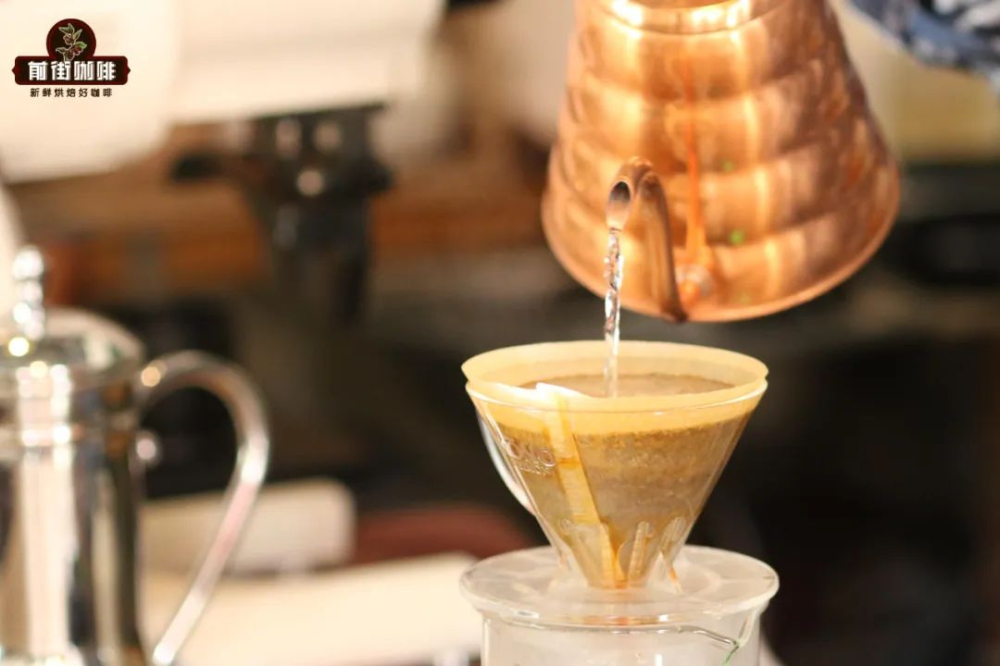
When the level drops into a bowl shape, begin the second pour—again a large flow back up to the original height. Now golden foam appears on the surface. When the level drops to a bowl again, make the third pour, same large flow to the same height; light-colored foam appears this time. Once the server reaches 240ml, remove the dripper.
Measured: concentration 1.3%—moderate and pleasant—with a calculated extraction rate of just 13.57%, severely under-extracted by Golden Cup standards. Don't rush to judgment: on tasting, the coffee was exceptionally smooth, moderate in strength, very clean, with prominent caramel sweetness.
Creative Brewing Approaches
Some experts have elevated brewing to an art form. In Taiwan, a barista known as the "Crazy Barista," Amis, has shared a cross-stirring method and brewing logic in shake iced coffee that are well worth studying.
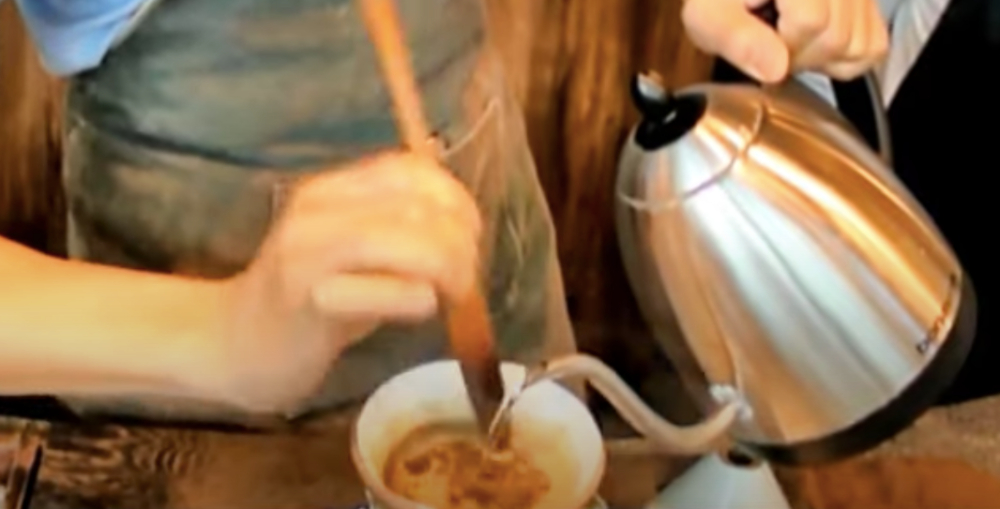
Some "unconventional" methods defy common sense—but how do you know they don't work until you try? One last time: even when you go "unconventional," there's still brewing logic involved, not baseless experimentation. That distinction matters.
FrontStreet Coffee Recommendation
Low-extraction, no-bloom brewing flatters low-acid, low-bitterness beans—and Ethiopia has plenty of bright floral candidates too. For the classic Ethiopian profile, try FrontStreet's washed Yirgacheffe: a spring-like town wrapped in mist yields thousands of coffee trees and a cup of jasmine florals and bright citrus acidity, light and elegant with a tea-like finish like clean lemon tea.
For something with more weight, the natural Huakui from Guji-Hambella (Sidamo) spends 21 days on raised beds for a denser, more complex cup: faint winey fermentation, florals, citrus and mango, honeyed sweetness with cocoa and spice, thick body and a long finish. And the Kafa Forest lot—wild coffee grown at 1,400-2,100m under shade—roasted medium-light shows white florals, bright lemon acidity, sweet orange and bergamot, finishing like green tea.
Important Notice :
FrontStreet Coffee is a long-established specialty coffee roaster in Guangzhou China, selling freshly roasted beans from its own farm in Yunnan as well as dozens of carefully selected single-origin beans from around the world for both pour-over and espresso. The products deliver consistently excellent quality and great value, with shipping within 24 hours. Guangzhou's FrontStreet Coffee shop is recommended by many coffee lovers, and the beans are now available online at the Tmall 。
FrontStreet Coffee has moved to a new address:
FrontStreet Coffee Address: 315,Donghua East Road,GuangZhou
Tel:020 38364473
 Scan and follow the En Gafei WeChat official account. Please indicate that the reprint comes from "En Gafei".

