
Jianbing Guozi with Coffee is a Hot Seller! Will Chinese Breakfast + Coffee Become the New Trend for Cafés?
"What did you have for breakfast today?"
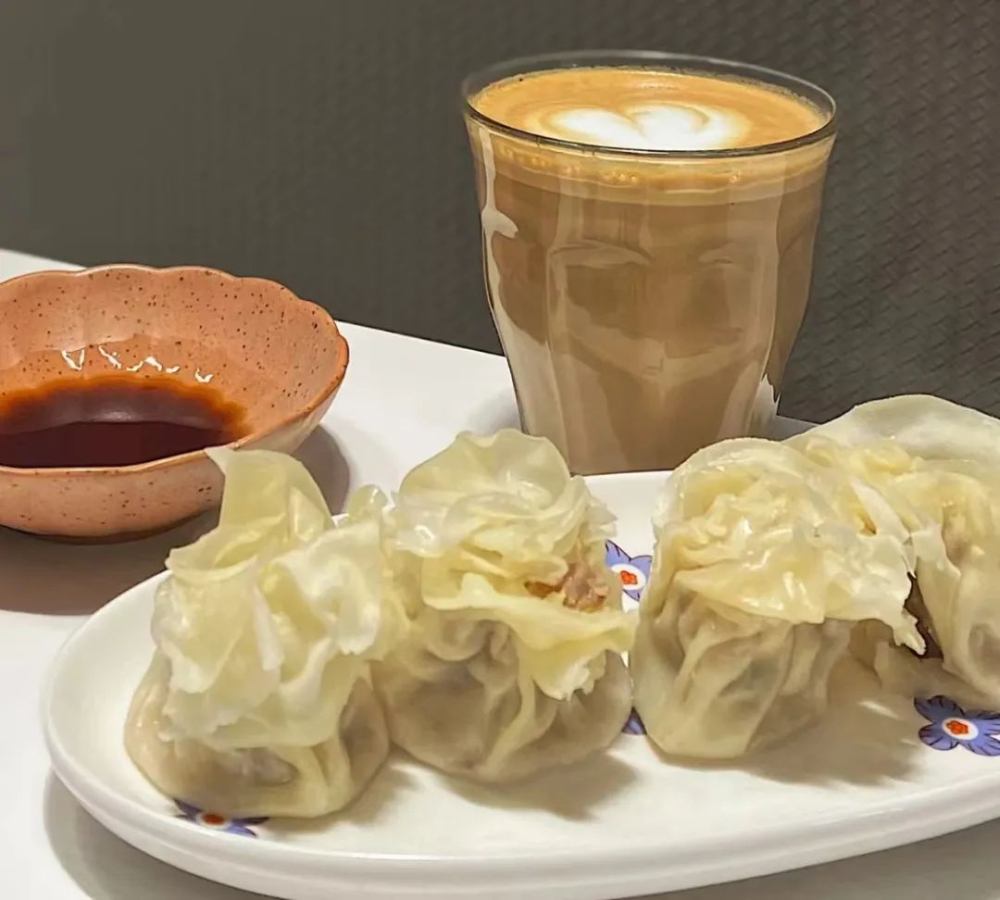
"A few shaomai plus an Ethiopian pour-over~"
"Isn't that a strange combination?"
"Not at all! After eating shaomai, I feel a bit greasy, and a cup of bright, acidic pour-over cuts right through the richness. It's perfect!"
Morning coffee is no longer anchored to sandwiches or croissants, and afternoon coffee no longer belongs exclusively to cakes and desserts. As coffee becomes more and more popular in China, the public's idea of the drink has drifted away from anything tied to a fixed time, occasion, or pairing. Coffee has become one of the most ordinary daily beverages — no different from soy milk or tea.
The Rise of Unconventional Coffee Pairings
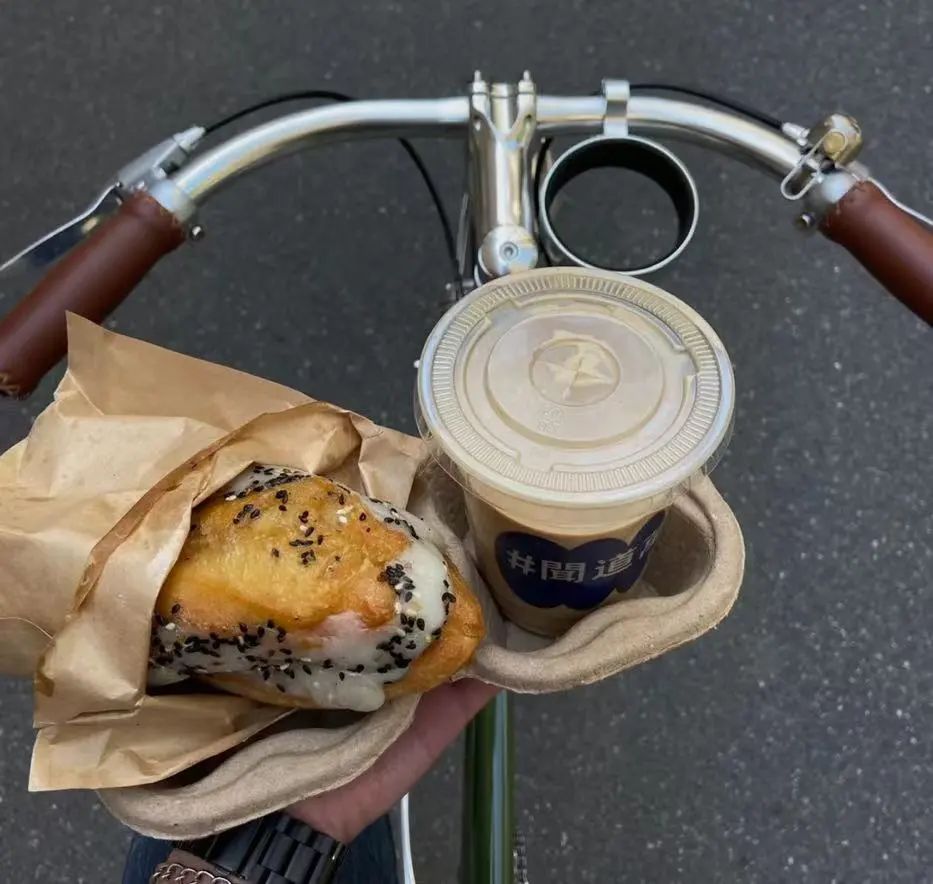
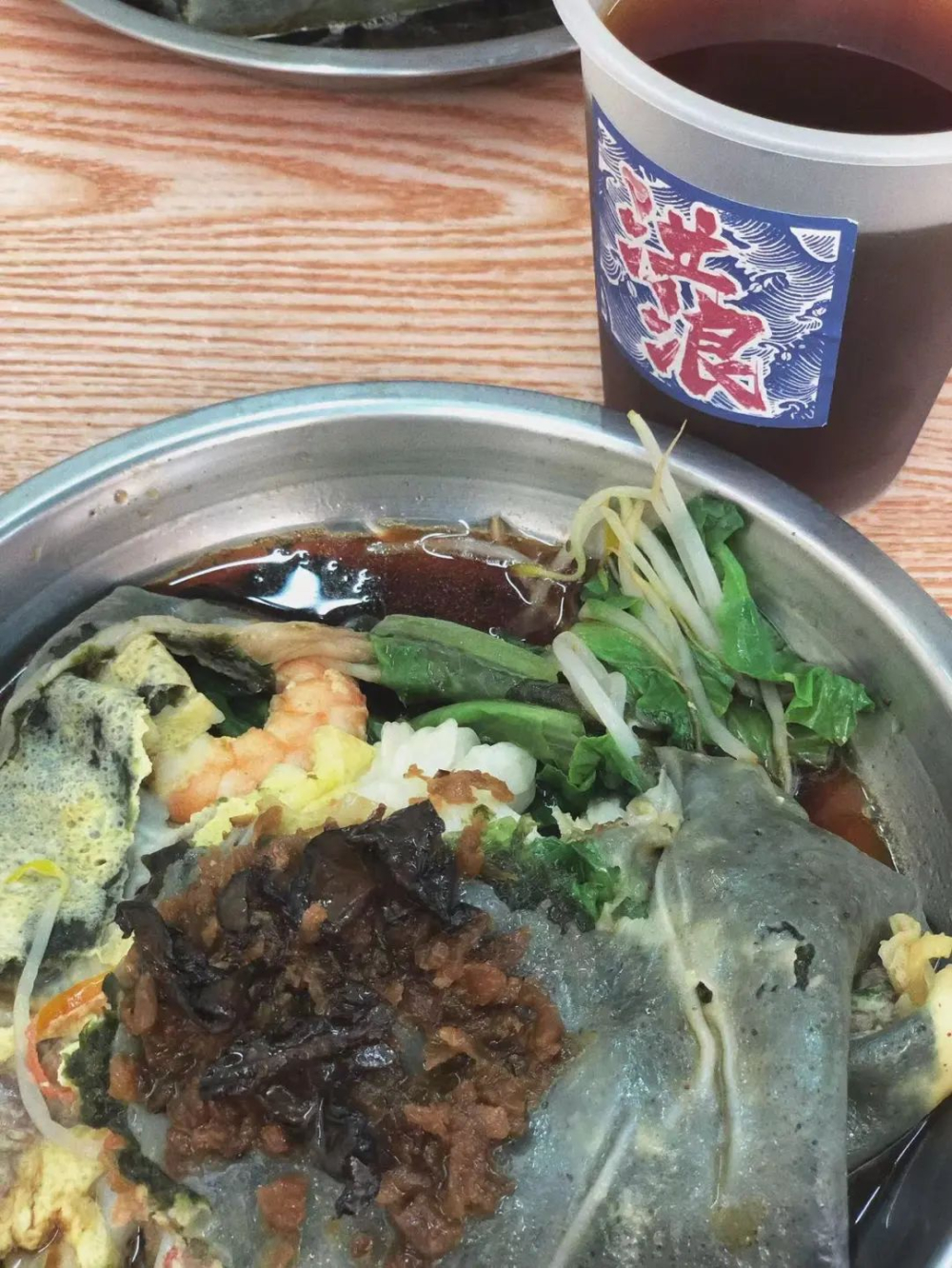
It isn't just consumers who are breaking the old rules — coffee vendors are "letting their creativity run wild" too! Selling coffee out of rice noodle roll shops and selling jianbing guozi (Chinese crepes) in coffee shops: combinations of Chinese breakfast and coffee are quietly catching on in cities across the country.
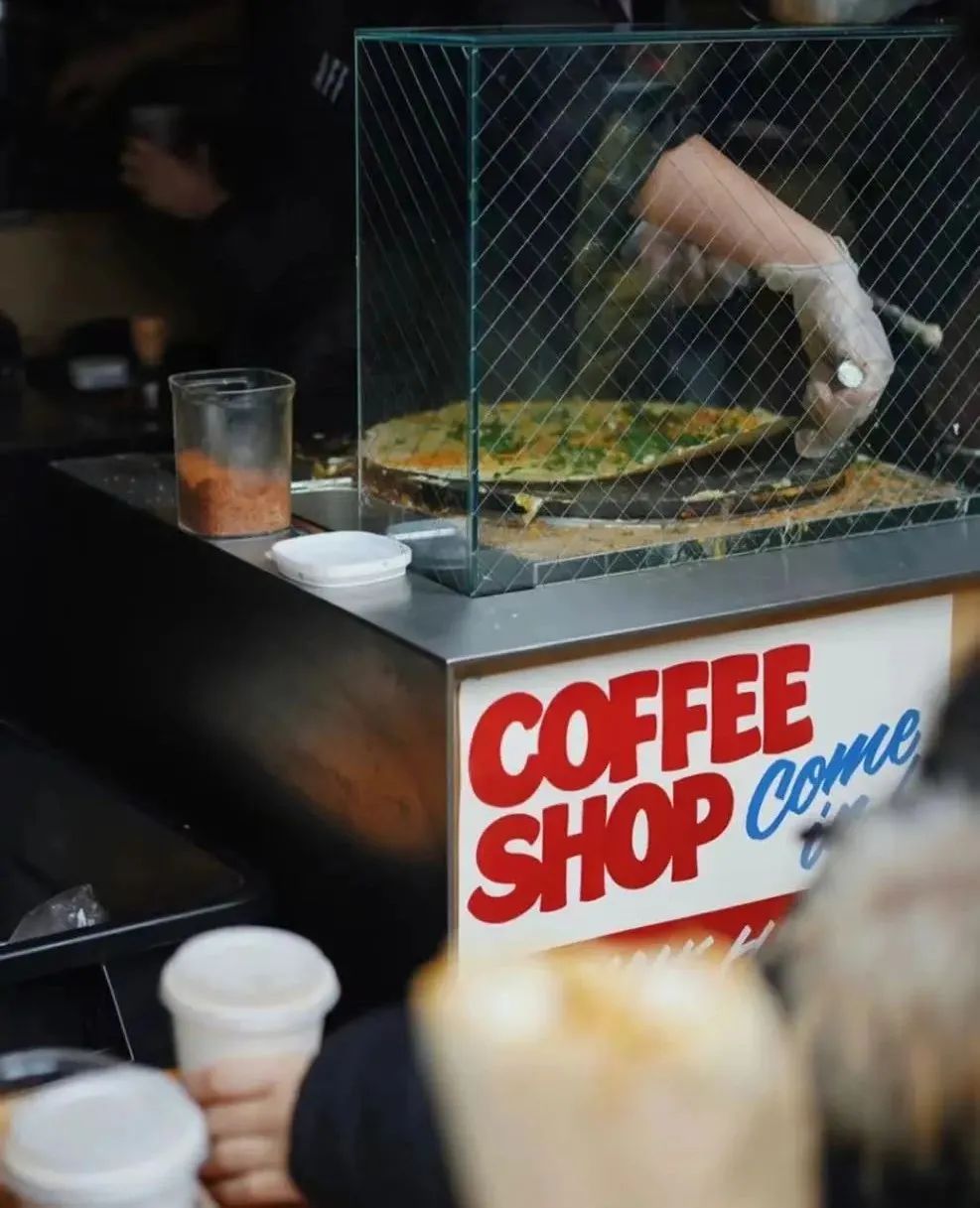
A few months ago, a coffee shop in Shanghai began selling jianbing guozi. The seemingly mismatched pairing drew an instant wave of attention online. According to visitors, the line to buy the crepes stretched past an hour of waiting; the shop makes only a limited quantity each day, and they typically sell out by noon.
Spreading Trend and Consumer Reception
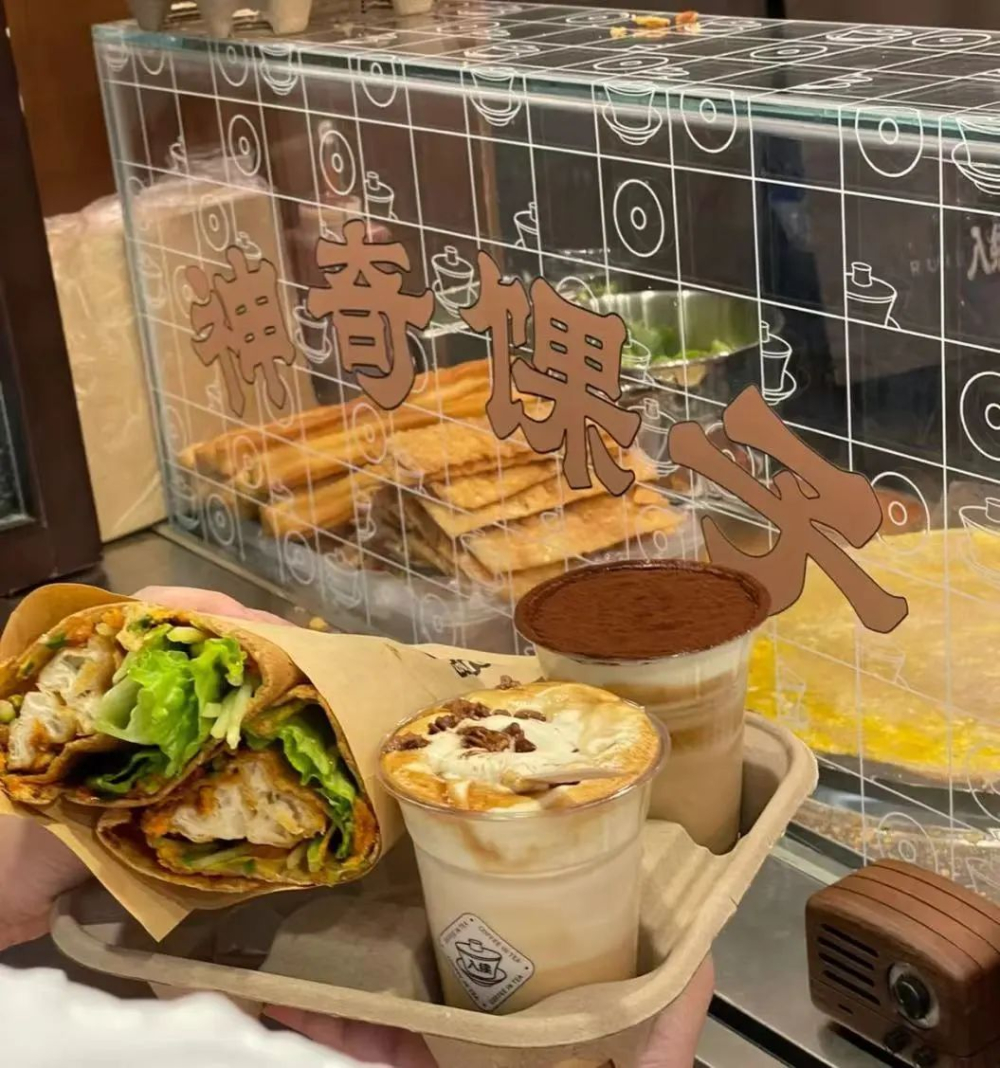
With Shanghai leading the way, coffee shops in Hangzhou, Chengdu, Guangzhou, and other cities have followed suit with jianbing guozi of their own. Say what you will — these combinations generate buzz wherever they appear. The pairing does cost more than buying the crepes and the coffee separately, adding a few extra yuan to the combined price, yet it has still won over young consumers.
Diverse Perspectives on East-West Combinations
"This is my daily routine! I eat like this all the time!" "It's expensive, not worth it." "East meets West — how charming!" "I knew it was overpriced, and I still went." People clearly hold different views. Perhaps what everyone is really curious about isn't eating jianbing guozi with coffee, but the sheer novelty of a coffee shop selling jianbing guozi at all.
To some people this all seems perfectly normal, but for many who haven't yet encountered coffee or are just getting into it, such a pairing can come as a surprise. In most people's minds, coffee goes with Western food. This East-meets-West combination feels genuinely novel — it breaks an established impression and creates a reason for people to try something groundbreaking.
The Evolution of Consumption Habits
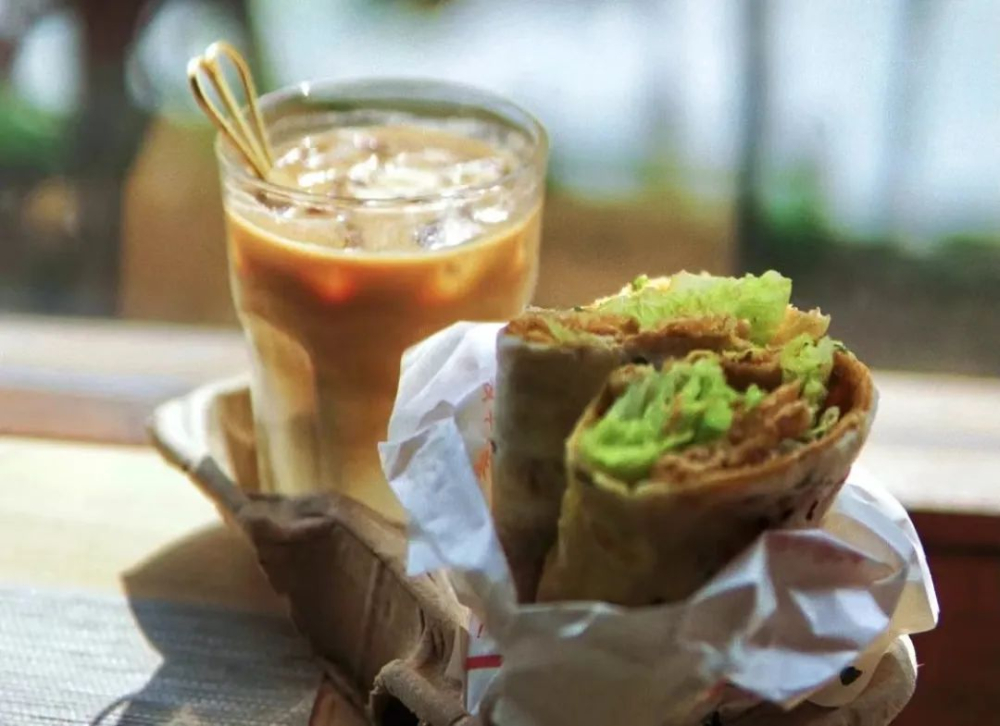
In truth, the reason jianbing with coffee can draw so many people to queue up isn't just curiosity — it's that the consumption habits and eating patterns of young people keep changing. More and more are willing to look past traditional or fixed pairing models.
Pairing coffee with Chinese breakfast first appeared in Chinatowns overseas, serving both the traditional dietary habits of overseas Chinese and their caffeine needs. Whether it's a sandwich with coffee or a meat bun with coffee, the underlying purpose is the same: to fill people up and send them into the new day with energy.
Cultural Integration and Acceptance
"Isn't this just attention-seeking? It damages the coffee market." Skeptical voices like these are only natural. But the whole point of coffee culture's rapid development and popularization is to turn coffee into an everyday drink. If more people come to see coffee as a daily beverage through these Chinese breakfast pairings, that's a good thing.
This "attention-seeking" formula lets owners turn a profit while giving consumers a chance to experience coffee as part of ordinary life — and gradually let go of their "biases" about it. That's genuinely positive. After all, coffee shops aren't forcing anyone to accept these pairings, nor claiming this is the only correct way to drink coffee. As long as consumers are willing, that's what counts.
So whether such combinations "work" or whether the prices are fair isn't really the point. As long as some people accept them and respect them, that's already the first step toward success.
Will these pairings become a new trend for coffee shops? Nothing is absolute, but everything takes time to be accepted. Someone has to take that first step and do their small part to make coffee an accessible beverage that more and more people will embrace. Through different channels and different methods, we can show people that coffee doesn't "discriminate" over who drinks it — coffee is just that ordinary, just that daily.
Image source: Xiaohongshu
FrontStreet Coffee Recommendation
Ethiopia is one of the world's most celebrated specialty coffee origins — and as the birthplace of coffee itself, it holds countless native varieties, making it hallowed ground for coffee lovers who faithfully chase its flavors. For a first taste of Ethiopian specialty coffee, FrontStreet Coffee points to its entry-level washed Yirgacheffe, with its unmistakable jasmine fragrance and bright citrus acidity. Yirgacheffe itself is a small town in southern Ethiopia where spring-like weather, drifting fog, and cool humidity let thousands of coffee trees thrive, giving the coffee its signature interplay of florals and fruit acidity — light, elegant, tea-like, and as clean and refreshing as a glass of lemon tea.
Ethiopian coffee is mostly grown under a garden-farming model: each smallholder sends harvested cherries to a village-level processing station, and the lots are sold under a producer team's name — hence the many cooperatives, such as FrontStreet's Guo Ding Ding, Worka, and Konga cooperatives. Guo Ding Ding, located in the Worka district at the southeastern edge of Yirgacheffe, was once part of the Worka cooperative under the Yirgacheffe Union (YCFCU). As the world's coffee hunters chased ever finer traceability, independent "single zones" were dug out one by one, and in 2012 Guo Ding Ding — with roughly 300 member farmers — established itself as an independent cooperative. Because the fruit is depulped before drying, the coffee's own character comes through with unusual clarity: citrus and lemon tones, elegant white florals, and an overall bright, delicate profile.
For a natural-processed contrast, FrontStreet Coffee recommends its Huakui from the Hambella district of Guji, Sidamo. The farm spans 200 hectares and uses traditional natural processing: to keep the cherries from molding or picking up earthy odors, workers dry ripe cherries on raised beds for 21 days, turning them constantly for even drying and hand-sorting out defective beans every three to five days before hulling and a final selection. Since the fruit dries intact on the bean, a medium-light roast reveals faint fermented wine notes, florals, citrus, and mango — richer and more complex, with honeyed sweetness, cocoa undertones, a whisper of spice, and a thick body with a long finish.
Important Notice :
FrontStreet Coffee is a long-established specialty coffee roaster in Guangzhou China, selling freshly roasted beans from its own farm in Yunnan as well as dozens of carefully selected single-origin beans from around the world for both pour-over and espresso. The products deliver consistently excellent quality and great value, with shipping within 24 hours. Guangzhou's FrontStreet Coffee shop is recommended by many coffee lovers, and the beans are now available online at the Tmall 。
FrontStreet Coffee has moved to a new address:
FrontStreet Coffee Address: 315,Donghua East Road,GuangZhou
Tel:020 38364473
 Scan and follow the En Gafei WeChat official account. Please indicate that the reprint comes from "En Gafei".

