
Are the Weight Loss Benefits of Drinking 'Green Coffee' Actually Better Than Black Coffee?
These days, roasted coffee beans alone no longer satisfy people's appetite for novelty in coffee... Recently, a café in Nagoya, Japan launched "Raw Coffee"—and claims the drink is beloved by health scholars and celebrity models alike!
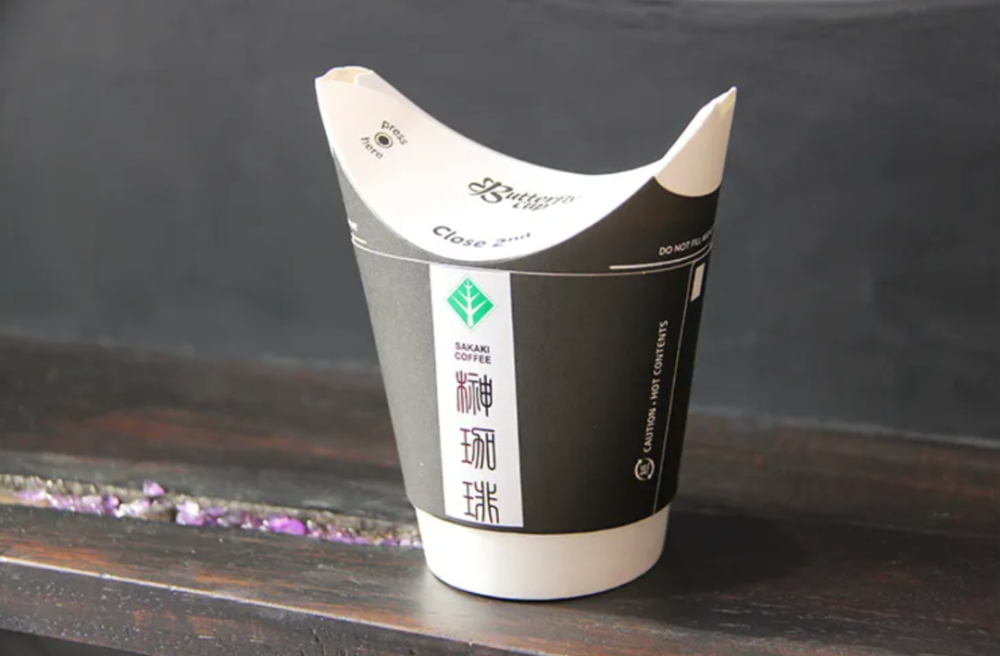
According to the café's official website, "Raw Coffee" is brewed from a mixture of unroasted (green) coffee beans and roasted beans. And according to the Japan Food Analysis Center, drinking one cup of "Raw Coffee" a day delivers excellent antioxidant effects.
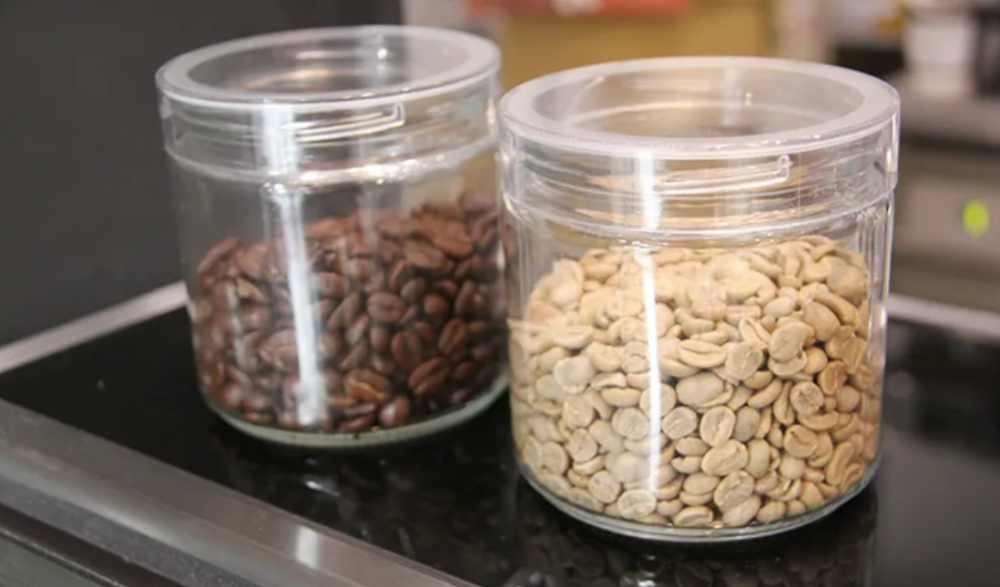
Why Raw Coffee?
Odd, isn't it? Wouldn't it be better to just roast all the beans properly? Besides, doesn't coffee only develop its flavor after roasting? True—it's nowhere near as aromatic.

Because "Raw Coffee" isn't about flavor, or even just antioxidants—it's about weight loss! (And yes, I can hear you thinking: doesn't black coffee help with weight loss too?) No, no, no. Black coffee's weight-loss effect simply isn't strong enough!

Raw Coffee vs. Black Coffee Study
The concept of "Raw Coffee" wasn't invented by this café. Researchers began studying the effects of green coffee beans years ago. To compare the weight-loss effects of "Raw Coffee" against "Black Coffee," they ran a four-week experiment: half the participants drank a cup of "Raw Coffee" before breakfast each day, while the other half drank a cup of "Black Coffee."
After two weeks of daily consumption, the "Raw Coffee" group had lost an average of about 1.59 kg, while the "Black Coffee" group averaged only about 0.13 kg. After the full four weeks, the "Raw Coffee" group had lost an average of about 2.01 kg, versus roughly 0.25 kg for the "Black Coffee" group.
The Science Behind Raw Coffee
Judging by these results, while black coffee can indeed support weight loss, it clearly can't match "Raw Coffee." The reason is chlorogenic acid: in raw coffee beans it improves insulin sensitivity and regulates sugar and lipid metabolism, playing an important role in preventing and managing chronic conditions such as obesity, diabetes, and metabolic syndrome.
So why do raw beans contain abundant chlorogenic acid while roasted beans don't? Chlorogenic acid is the most abundant organic acid in coffee beans, and for the coffee fruit it exists as a pest defense. The mechanism? Simple: it tastes bad. Chlorogenic acid is sour and astringent, so insects avoid fruits with high concentrations of it.
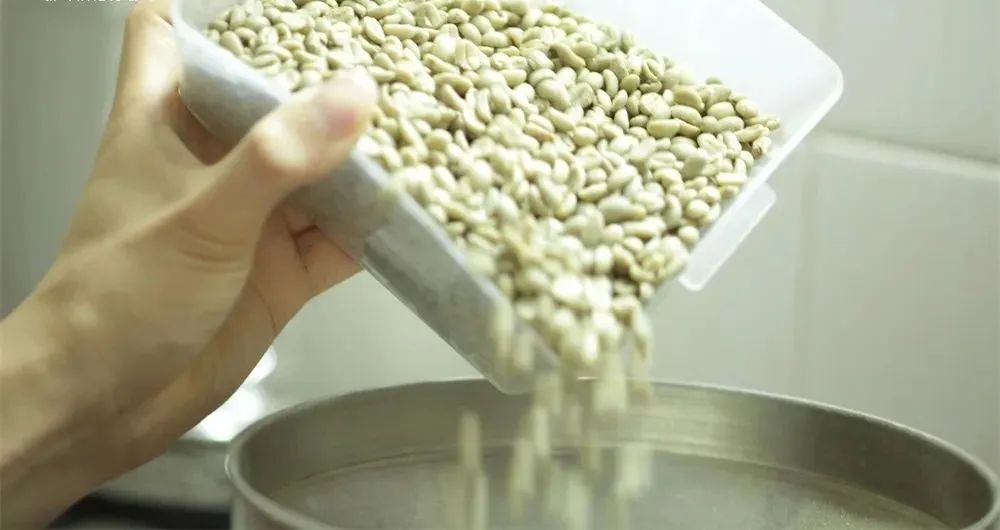
Under normal conditions, low-altitude varieties like Robusta are highly exposed to pests, so Robusta beans naturally carry large amounts of chlorogenic acid—which then crowds out other flavor compounds. Arabica beans, by contrast, grow at high altitudes, where the wide day-night temperature swings keep pest pressure low, so the trees need far less chlorogenic acid for protection (not none, just less). That leaves more room for flavor compounds—which is a big part of why Arabica tastes better than Robusta.
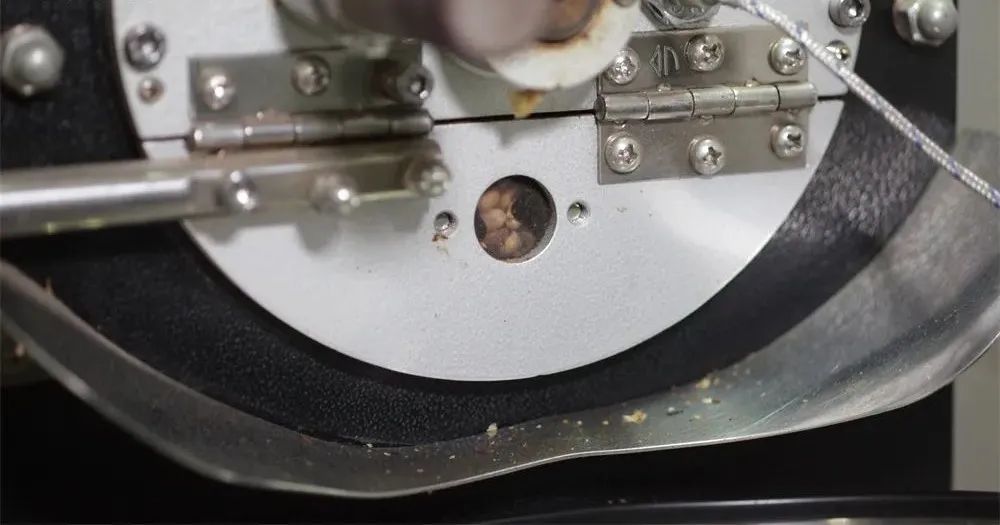
The best way to eliminate chlorogenic acid's sour, astringent edge is high-temperature roasting. Under heat it degrades into quinic acid, which is non-volatile but bitter. In moderate amounts, quinic acid adds body to a coffee; in excess, it pushes the cup toward bitterness.
Taste and Consumption Guidelines
After reading all that, are you picturing "Raw Coffee" as sour and astringent? If it truly tasted that way, no one would be promoting it. According to people who have tried it, "Raw Coffee" tastes very light, without astringency—nutty, a bit like barley tea, at only about one-third the strength of black coffee. It's not as unpleasant as you might fear, but it isn't a delicious coffee either.
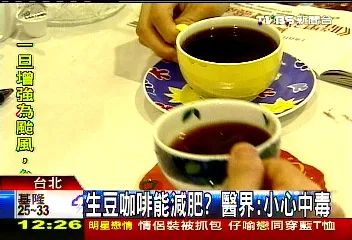
And despite its weight-loss credentials and mild taste, it's still coffee—so don't drink it like water! Raw beans contain caffeine and coffee alkaloids, and drinking too much can actually increase hunger, backfiring on your diet. Excessive caffeine intake can also over-stimulate the central nervous system, leading to heart discomfort and other issues.
Image source: Internet
For professional coffee knowledge exchange and more coffee bean information, follow Coffee Workshop (WeChat public account: cafe_style)
For more specialty coffee beans, add FrontStreet Coffee on WeChat, ID: kaixinguoguo0925
FrontStreet Coffee Recommendation
Fun science aside, most of us drink coffee for pleasure, not chlorogenic acid—and for that, a well-roasted bean beats raw beans every time. If you want a cup that's balanced in every direction, start with FrontStreet Coffee's medium-roast selections. The Brazil Queen Estate Yellow Bourbon, grown in the Mogiana region on rich volcanic soil, delivers creamy peanut, chocolate, toast, and sugarcane sweetness with a soft, low-acid body—pleasant enough to drink every day and gentle on the stomach.
The FrontStreet 2013 Yunnan Natural Typica is another medium-roast favorite, carrying the classic Yunnan arabica profile of nuts, brown sugar, black tea, and dried apricot. It suits pour-over, cold brew, and drip machines equally well and offers outstanding value.
And if you're chasing the sweetest possible cup without going anywhere near raw beans, the FrontStreet Strawberry Sugar Geisha blend—honey-processed Costa Rica married with washed Panama Geisha—shows orange-blossom honey aromatics and a rounded, juicy sweetness that proves roasted coffee loses none of coffee's natural goodness.
Important Notice :
FrontStreet Coffee is a long-established specialty coffee roaster in Guangzhou China, selling freshly roasted beans from its own farm in Yunnan as well as dozens of carefully selected single-origin beans from around the world for both pour-over and espresso. The products deliver consistently excellent quality and great value, with shipping within 24 hours. Guangzhou's FrontStreet Coffee shop is recommended by many coffee lovers, and the beans are now available online at the Tmall 。
FrontStreet Coffee has moved to a new address:
FrontStreet Coffee Address: 315,Donghua East Road,GuangZhou
Tel:020 38364473
 Scan and follow the En Gafei WeChat official account. Please indicate that the reprint comes from "En Gafei".

