
This is Actually an Arabica Variety?! Polysperma Multi-seed Coffee Beans Explained
When you first saw the cover image and title, did you think it was a joke? Doesn't a coffee cherry only hold 1-2 beans? Haven't all the previous articles said so?
Yes... that's right. In a normal coffee cherry there are two beans, the seed portion of the fruit. Because the size of the fruit limits the space available, the two beans grow pressed face to face. That's why the beans we usually see have one flat side and one curved side - such beans are called flat beans.
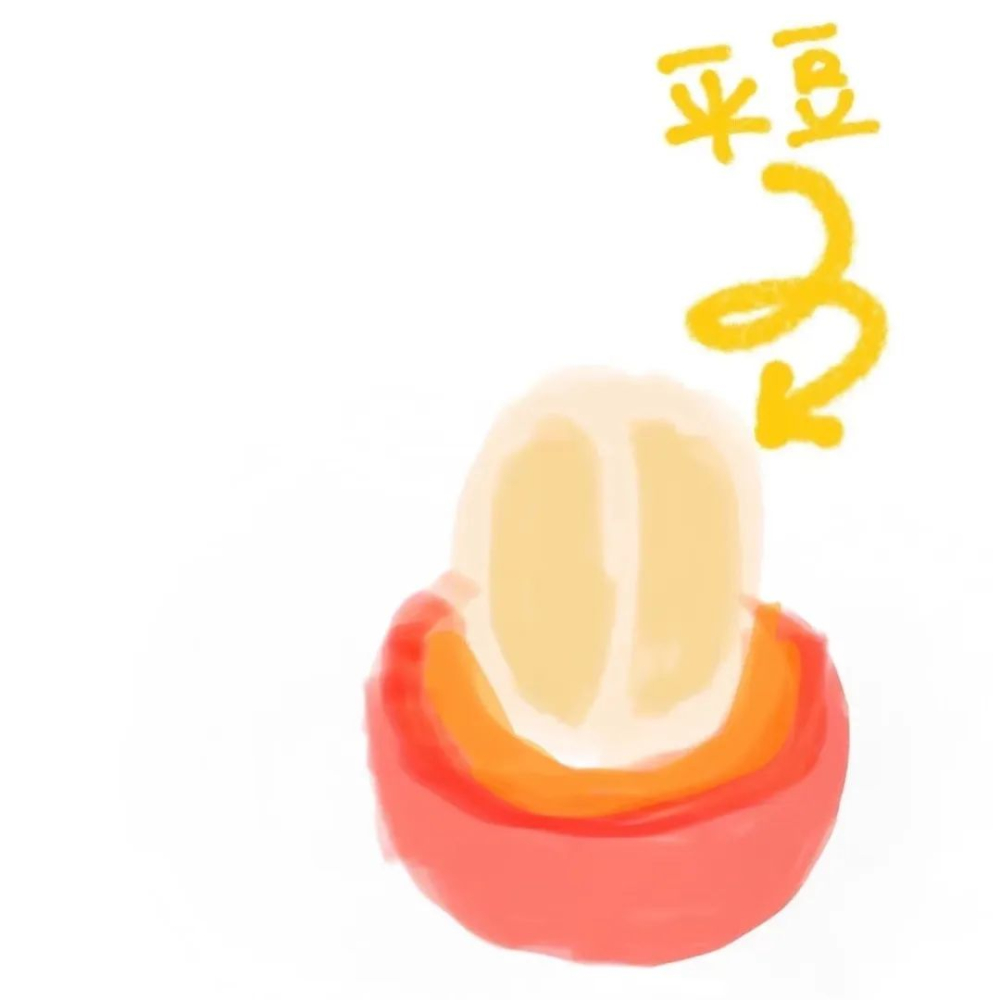
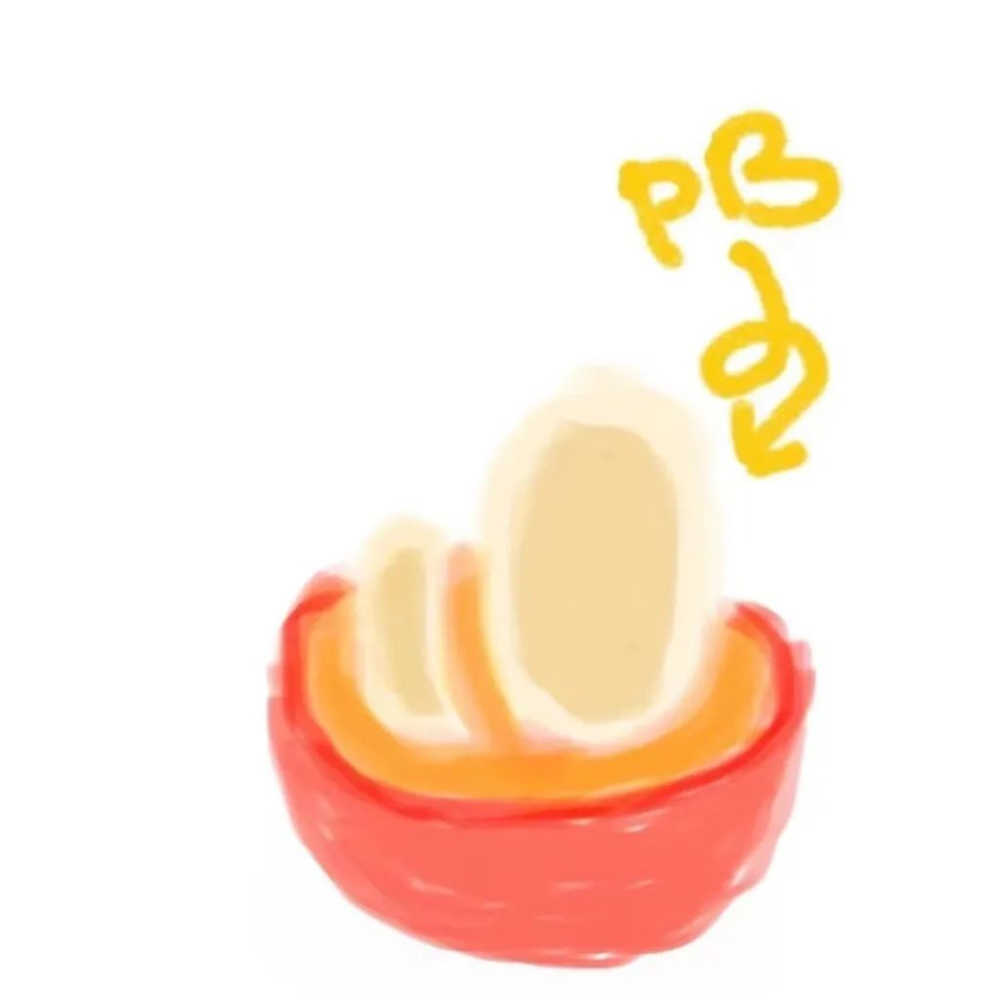
Sometimes, though, pests, environmental factors, or genetic mutation during the growth of the cherry mean only one of the two beans develops. The single developing bean, with its companion out of the way, ends up oval-shaped - a peaberry (PB). Peaberries don't occur at a high rate; they're commonly found on trees that have just reached fruit-bearing age, and account for 5-10% of a tree's yield.
When I first started learning about coffee, peaberries already seemed novel to me (I was only a beginner back then). It wasn't until this year, when I hand-peeled coffee cherries harvested in front of my own coffee shop and processed them into an extremely small batch of honey-processed beans, that I discovered some cherries contained 3 beans... The shape of the beans was like orange segments.
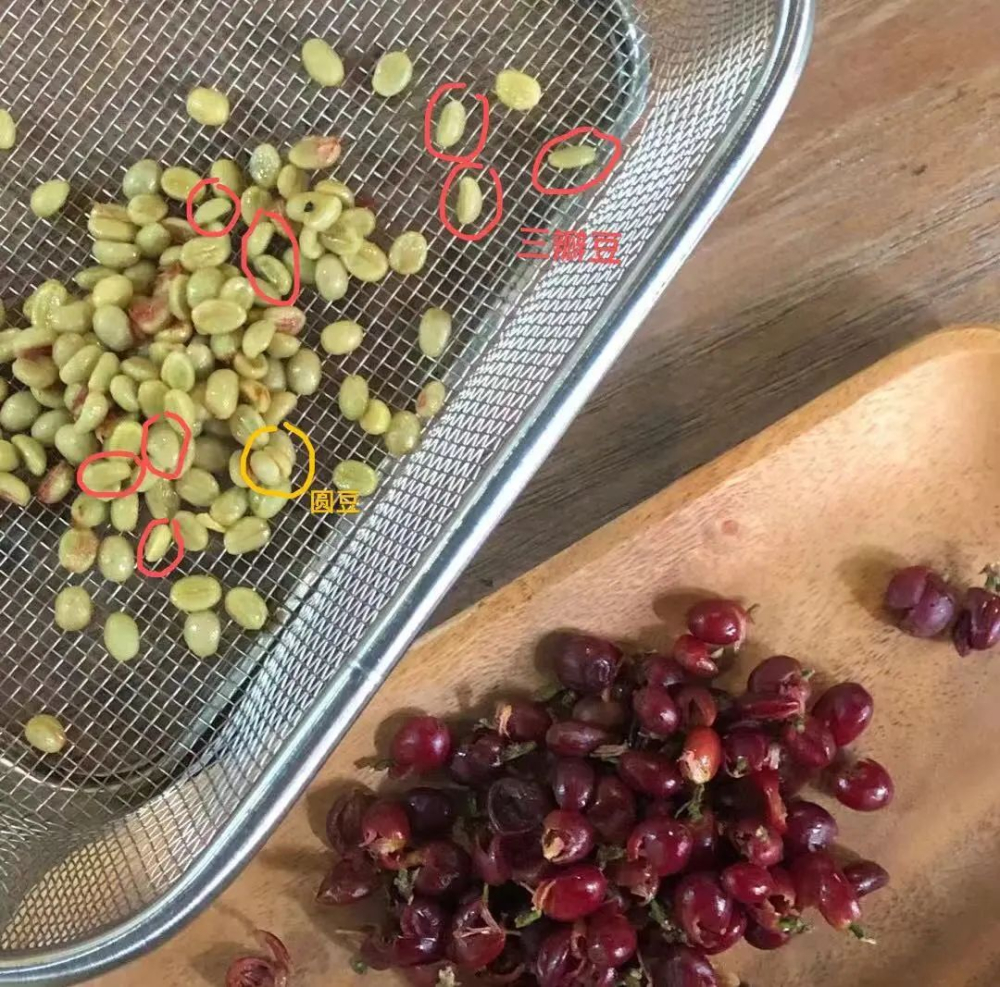
"Um... I only remembered to take photos after peeling them all..."
Perhaps it was because I usually forgot to water them and rarely loosened the soil or applied fertilizer, leaving the fruit from a single tree uneven in quality. Perhaps it was Guangzhou's unusual climate that made the growing cherries "withdraw into themselves." Or perhaps a genetic mutation simply caused the beans to form in such an imposing way.
And the cherry on the article's cover, containing 7 beans, actually seems quite reasonable. After all, when plants undergo their own genetic mutations, how could humans possibly predict it? What's more, unlike the random three-segment beans in my hand, these seven-segment beans have been specifically researched and cultivated by dedicated researchers, and they even have an exclusive name - Café Polysperma, also known as Seven Bean Arabica.
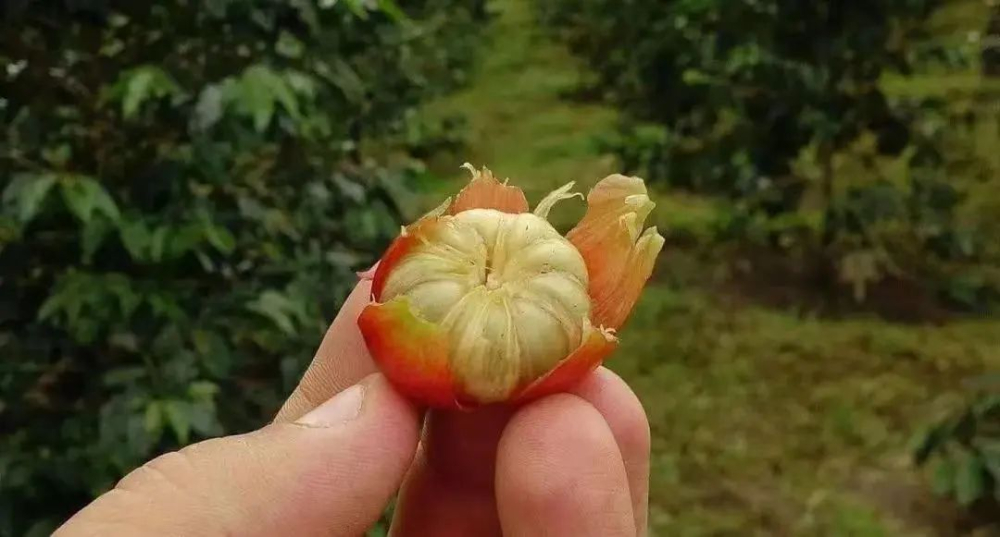
Origin and Research
From the name we can see that Polysperma coffee carries Arabica genes and is a mutant variety of Typica. As for where it was first discovered, there seems to be no definitive information. According to the records currently available, Polysperma coffee was first documented in 1890, though it may not necessarily have been seven-seeded - it could have been more.
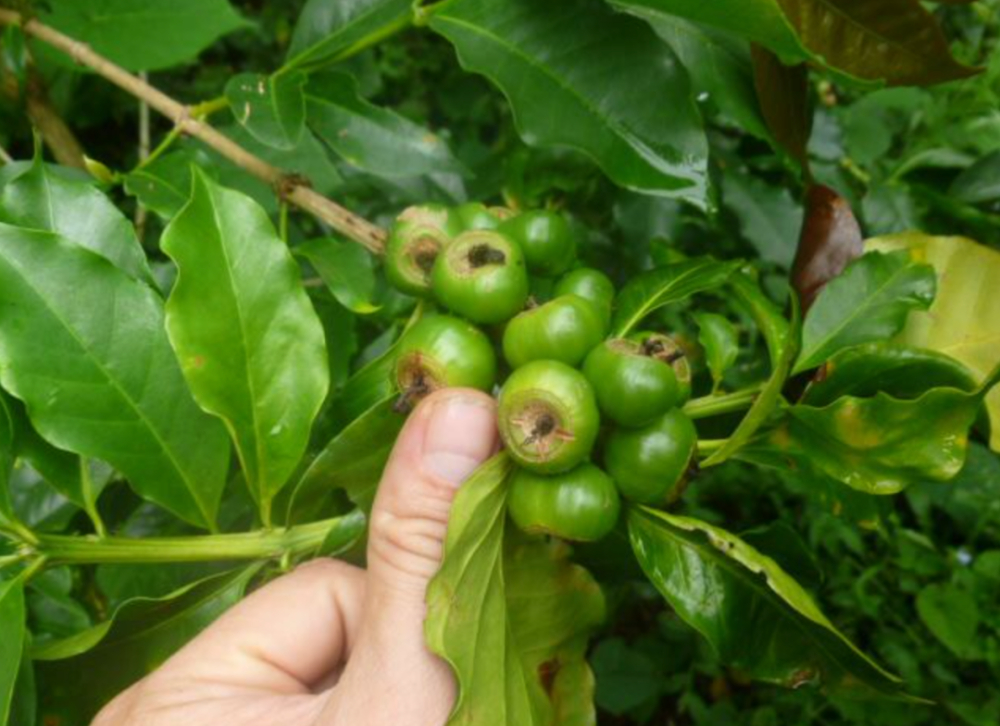
What is certain is that the seven-seeded variety coffee trees were introduced and cultivated for research and conservation through a joint project between the EPAMIG Germplasm Bank and the Cerrado Mineiro Coffee Producers Association in Minas Gerais, Brazil.
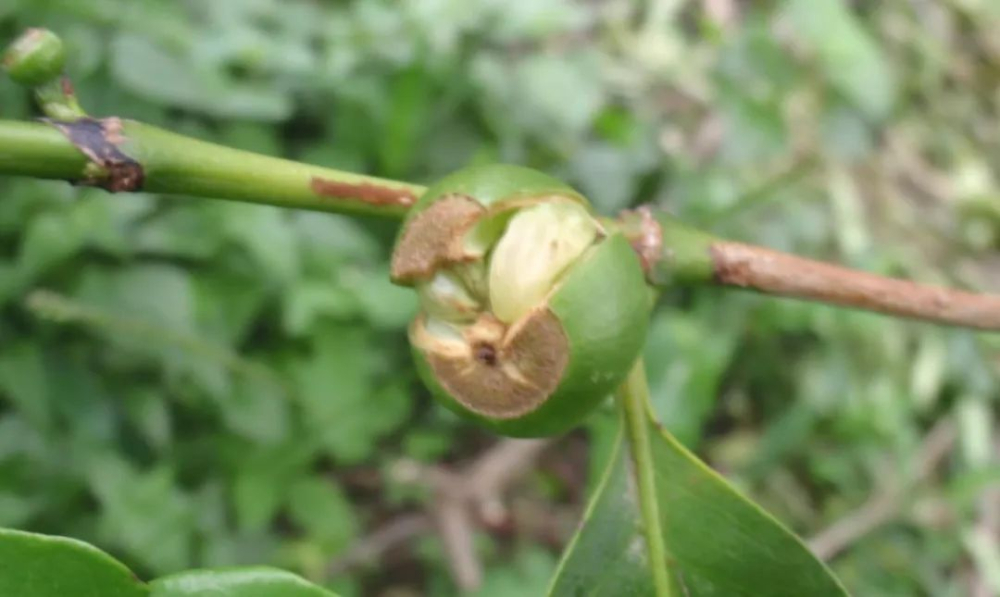
Since 2005, this germplasm bank has successively introduced over 40 varieties of Polysperma gene coffee trees for cultivation and research. According to some research findings, although Polysperma gene coffee has poor flavor, it has good leaf rust resistance, so coffee research institutes in other regions have also introduced Polysperma gene varieties for coffee variety improvement research.
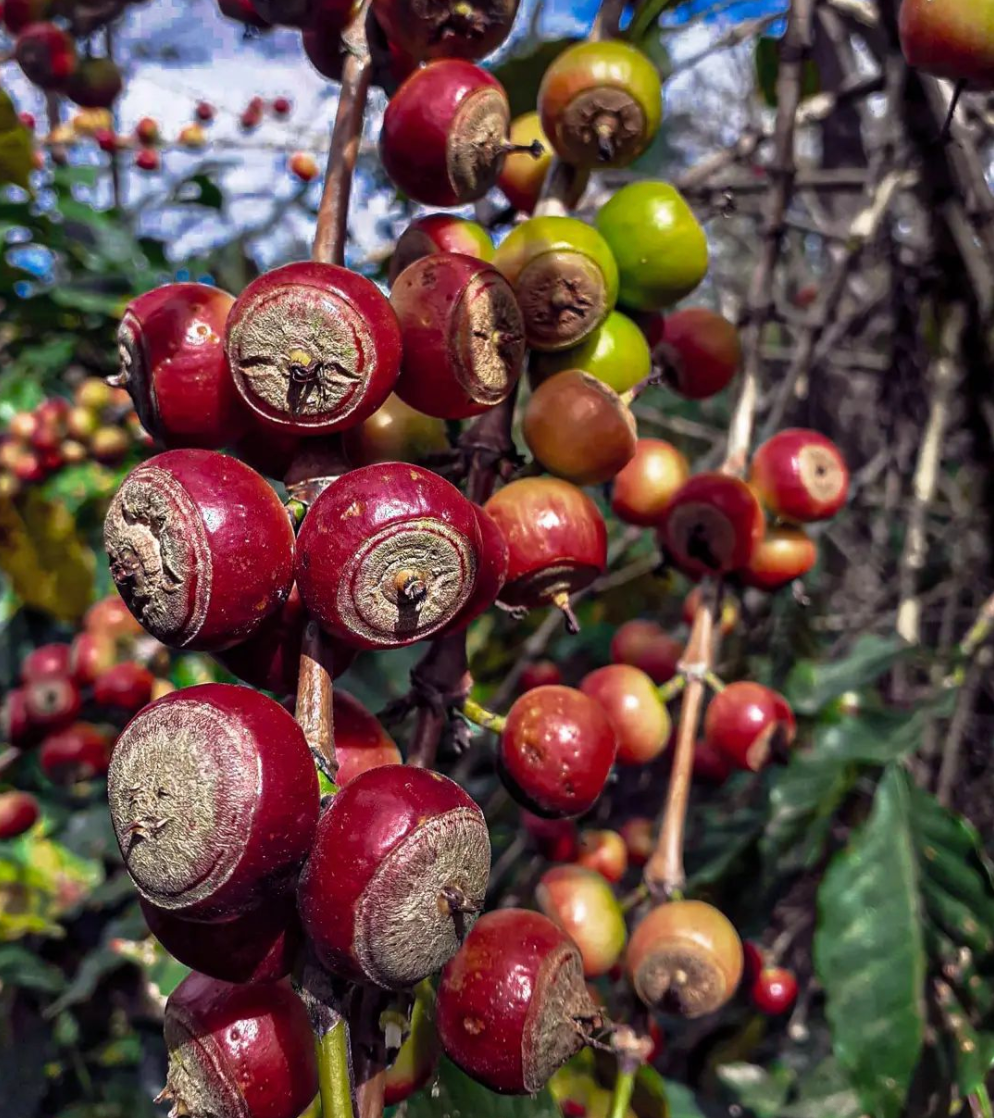
"Like horse hooves (water chestnuts) growing on trees!"
Unique Characteristics
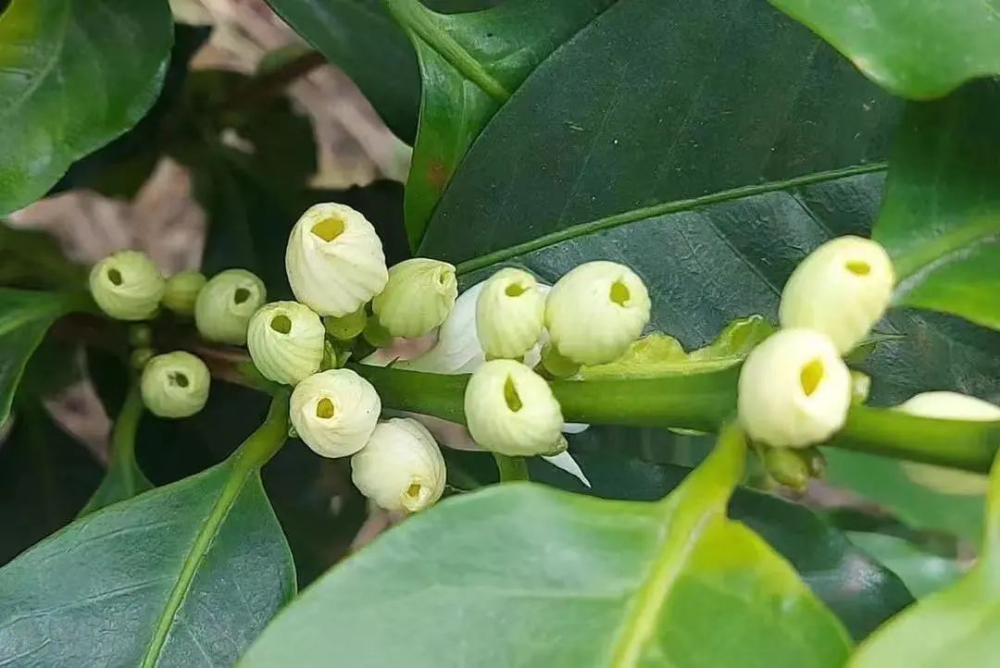
With such large fruits, the flowers of Polysperma coffee trees are naturally extraordinary too. From the images we can see that the common coffee flowers we usually encounter have 5 petals, while Polysperma variety flowers have as many as 10.
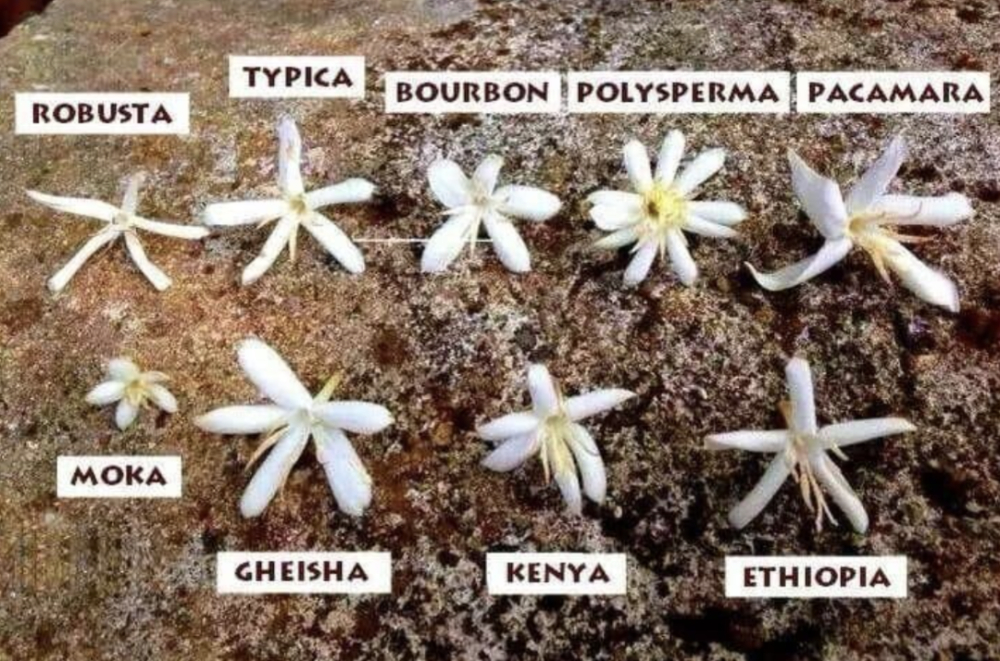
According to the Caferium website, these Polysperma coffee tree flowers bloom in rose-like clusters among the new leaves at the top of the tree. The calyx has more than 5 lobes, while the corolla forms two whorls, each with 6-10 petals.
So what do such large coffee cherries taste like? ("How big are they?") Don't worry - I remember putting comparison images in! Alright, I almost forgot.
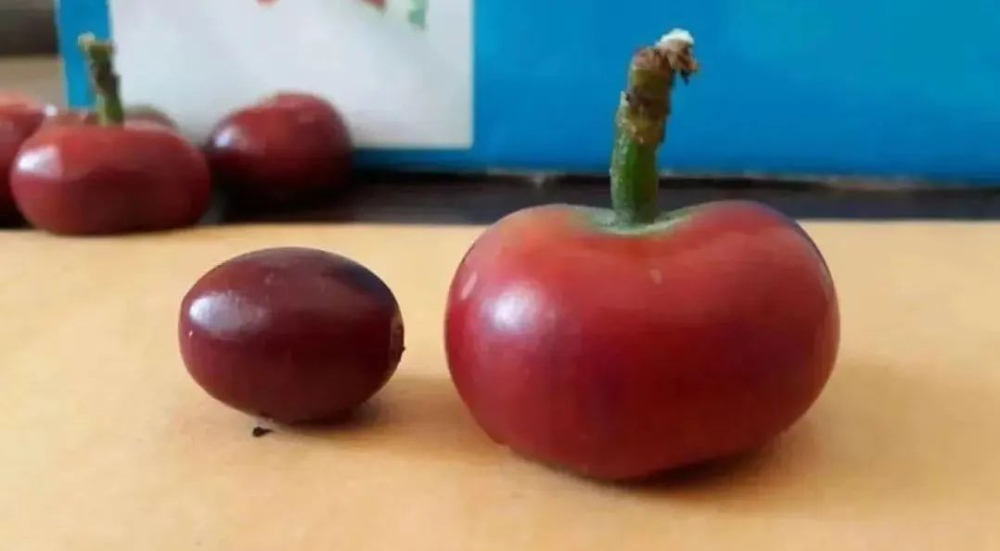
When a single fruit holds more beans, the nutrients are naturally diluted, so the coffee flavor isn't ideal - which is why it hasn't been cultivated on a large scale. Its leaf rust resistance genes, however, make it worth preserving for genetic and gene improvement research.
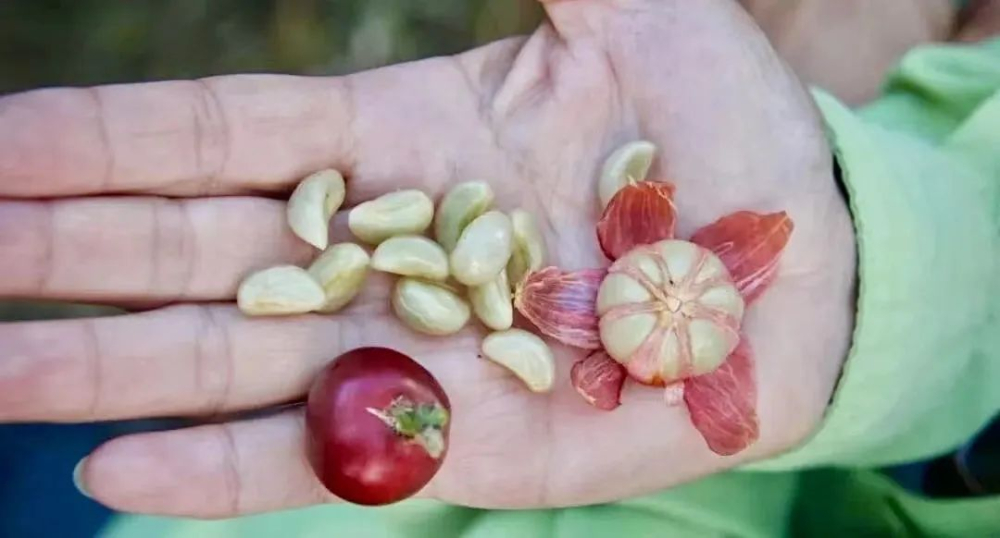
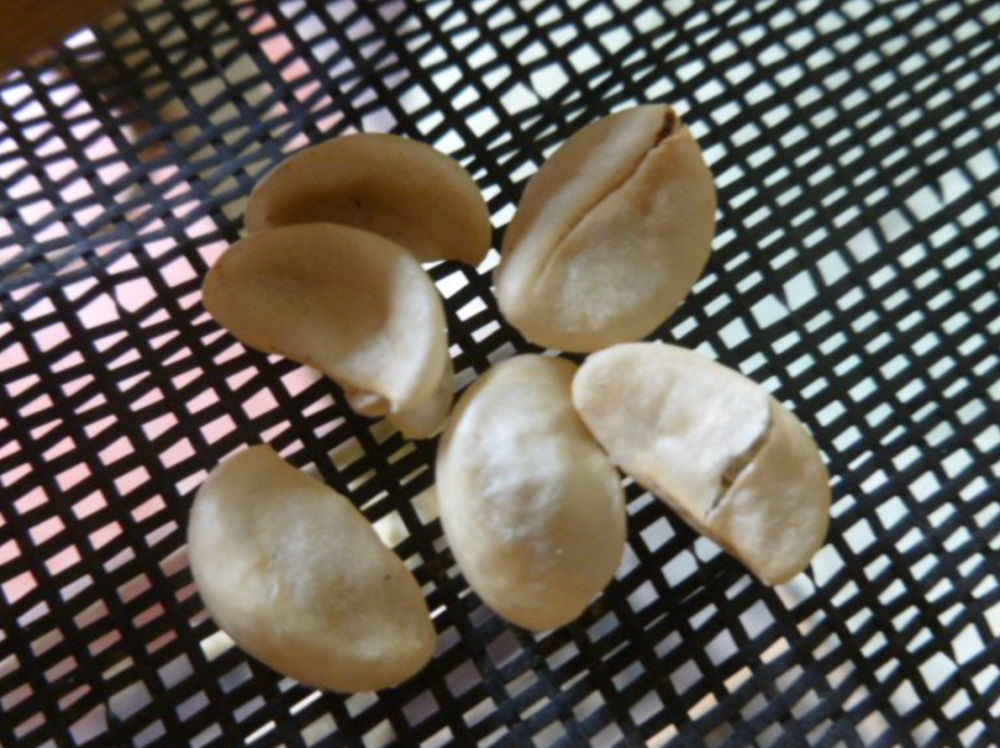
"These aren't garlic cloves! The size of multi-segment coffee beans is also quite large!"
Because it isn't a complete coffee variety, there aren't many documented records about Polysperma coffee. This article can only give everyone a superficial understanding of more coffee trivia and the mysteries of nature.
My colleague: "If you take a sip, will you turn into a Calabash Brother?"
Image source: Internet, Soul-painting writer
FrontStreet Coffee Recommendation
Polysperma is a curiosity, not a cup - for flavor, ordinary Arabica remains unmatched, and it comes in three broad species: Arabica, Robusta, and Liberica. Arabica is the most varied and most popular, and the specialty coffees most of us drink fall into it.
Among the well-known Arabica expressions, FrontStreet Huakui uses Ethiopia's most common heirloom varieties, a natural-process bean with delicate florals and prominent fruit - creamy strawberry, mango, jackfruit, citrus, and blueberry, the ripe tropical character typical of Sidamo natural beans that won first place at that year's TOH green bean competition. Representing the washed side, FrontStreet Yirgacheffe Gedingding Cooperative is a G1 Ethiopian coffee with elegant white florals, citrus, orange, and green tea notes.
For something softer and more balanced, FrontStreet Jamaica Blue Mountain No. 1 is a Typica variety with a mild, gentle profile and balanced acidity, aroma, and body. And for a fruity, tea-like luxury, FrontStreet Panama Boquete Red Label Geisha shows intense jasmine, citrus, peach, and layered fruit acidity with a creamy texture and an oolong-tea finish.
Important Notice :
FrontStreet Coffee is a long-established specialty coffee roaster in Guangzhou China, selling freshly roasted beans from its own farm in Yunnan as well as dozens of carefully selected single-origin beans from around the world for both pour-over and espresso. The products deliver consistently excellent quality and great value, with shipping within 24 hours. Guangzhou's FrontStreet Coffee shop is recommended by many coffee lovers, and the beans are now available online at the Tmall 。
FrontStreet Coffee has moved to a new address:
FrontStreet Coffee Address: 315,Donghua East Road,GuangZhou
Tel:020 38364473
 Scan and follow the En Gafei WeChat official account. Please indicate that the reprint comes from "En Gafei".

