Coffee Bean Processing Methods: A Step-by-Step Guide and Flavor Differences Between Natural, Washed, and Honey Processing

Through the lens of modern specialty coffee, washed and natural processed beans are easy to tell apart by flavor. As a rule, washed coffee tastes cleaner with more pronounced acidity, while natural coffee shows more distinct fermented sweetness and richer, more complex layers of texture.
That gives us the freedom to choose beans that match our own taste. But why do different processing methods produce such different flavors?
It comes down to the fermenting material involved in each process. As FrontStreet Coffee has covered in previous articles, a coffee cherry consists of the skin, pulp, mucilage, parchment, silver skin, and the seed (the coffee bean itself).
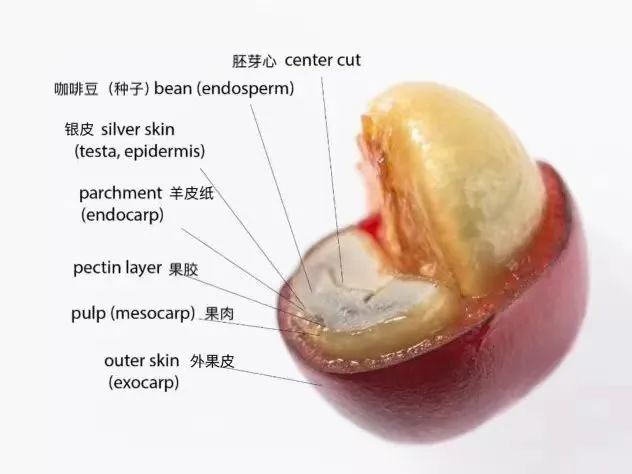
Natural processing means drying the whole fresh cherry. Over the 3-4 week drying period, the entire cherry ferments together, letting the beans absorb sugars from the mucilage and pulp - which is why natural coffee tastes sweeter.

Washed processing removes the skin from fresh cherries first, then soaks and stirs them in fermentation tanks for 36 hours to break down the mucilage, followed by a thorough rinse before drying. For most of the drying time, only the beans themselves are fermenting. With far less fermenting material, washed coffee tastes cleaner and expresses more acidity (in light roasts).

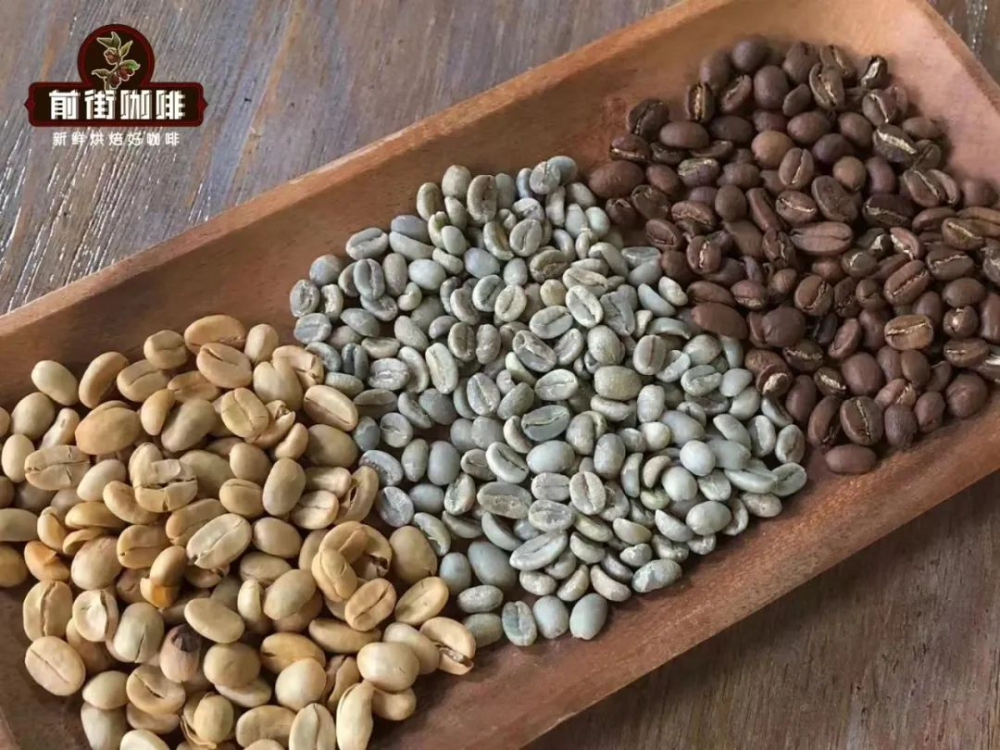
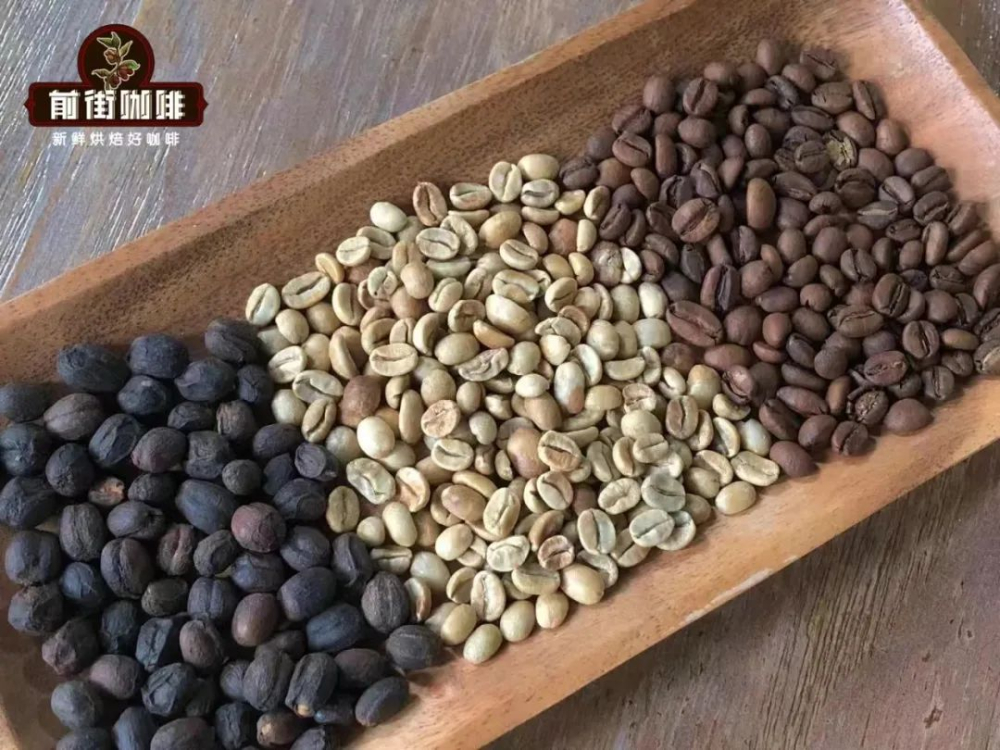
You can also tell washed from natural beans visually. Raw, washed beans are light green while natural beans look pale yellow. Roasted, washed beans show a "white center line" that natural beans lack.
The Historical Origins of Coffee Processing Methods
In truth, flavor wasn't the point when these methods were first invented. The oldest is traditional natural processing - simply spreading fresh cherries in courtyards or on rooftops to sun-dry. It cost almost nothing, and anyone could do it.
But problems soon appeared: the method is entirely at the mercy of the weather. In regions with unstable climates, mold and rot set in easily, and the sugar-rich pulp attracts insects, making quality hard to guarantee. Before Ethiopia's coffee system reforms, natural processed beans could achieve at most a grade of G3.

Washed processing was a product of industrial standardization. Facing the inconsistency of natural processing, producers needed standardization for better efficiency. In 1740, the Dutch - who then controlled colonial coffee cultivation and much of the global coffee trade - began washing coffee beans. Working in the West Indies, they found that soaking peeled beans in water removed the sticky mucilage, shortened drying time, and effectively guarded against pests and fungus. Washed beans thus became a symbol of high quality in that era.
Later, the invention of the coffee pulping machine in 1844 made washed processing even more efficient. But it's expensive, demanding huge volumes of water - on average, producing 200 kilograms of green coffee consumes 10-20 tons of water - so washing stations could only be built near water sources. Washed processing emerged from considerations of yield, output, and standardization, with flavor playing only a minor role.

Adaptation and Innovation in Processing Methods
Washed processing isn't universally applicable, though. In water-scarce countries - the mountainous regions of Costa Rica, the highlands of Brazil - adaptive methods like honey processing and semi-washed processing emerged. In Indonesia's humid climate, wet-hulling developed. All were invented to suit local conditions and secure good yields and quality rates, while each also imparted its own distinctive flavors.
Since the specialty coffee concept took hold in the 1970s, processing methods have been continuously refined in pursuit of flavor. Renowned operations such as Hacienda La Palmira, Hacienda El Roble, Paradise Farms, and 90 Plus dedicate themselves to developing new techniques that unlock different flavor profiles in the beans.

Natural processing has improved too. Drying on African raised beds helps avoid pests and ground contamination; shade cloths control sun exposure; and better staff management means cherries are turned regularly and defective ones sorted out.
FrontStreet Coffee Recommendation
Ethiopia - the birthplace of coffee and home to countless native varieties - shows both processing styles at their best. For washed, start with FrontStreet Coffee's Washed Yirgacheffe: clear jasmine florals and bright citrus acidity in a light, elegant, tea-like body, like a refreshing lemon tea. The Guading Cooperative lot, independent since 2012 with around 300 member farmers in the Worka area, is pulp-removed before drying, so its citrus and lemon tones and graceful white florals come through especially clean and bright.
For natural, try the FrontStreet Red Cherry Project lot - defective fruit removed, sun-dried for two weeks down to 12% moisture, then density- and color-sorted by hand - yielding peach, cocoa, honey, and lemon in an immaculate cup. Or step up to the natural Huakui from Hambella, Guji: dried 21 days on raised beds and hand-sorted every few days, its medium-light roast reveals light fermented wine aromas, florals, citrus, and mango, with thick honeyed sweetness, cocoa, a hint of spice, and a full body and lasting finish.
Important Notice :
FrontStreet Coffee is a long-established specialty coffee roaster in Guangzhou China, selling freshly roasted beans from its own farm in Yunnan as well as dozens of carefully selected single-origin beans from around the world for both pour-over and espresso. The products deliver consistently excellent quality and great value, with shipping within 24 hours. Guangzhou's FrontStreet Coffee shop is recommended by many coffee lovers, and the beans are now available online at the Tmall 。
FrontStreet Coffee has moved to a new address:
FrontStreet Coffee Address: 315,Donghua East Road,GuangZhou
Tel:020 38364473
 Scan and follow the En Gafei WeChat official account. Please indicate that the reprint comes from "En Gafei".