
Why is Pour-Over Coffee Too Sour and How to Adjust It? Is It Normal for Fresh Coffee Beans to Have Sour Taste?
Understanding Sourness in Light-Roast Coffee: Common Extraction Problems
Light-roast coffee is loved for its fruit-like acidity, but that's not what we're discussing today. This article is about the sharp, unpleasant sourness that comes from under-extraction — and FrontStreet Coffee will walk through several real cases drawn from recent reader feedback.
Case 1: Water Temperature
In one customer service exchange, a customer who had bought Yirgacheffe beans asked: "I bought this coffee from your shop, so why is my home brew so sour when yours tastes perfectly balanced?"
After some back-and-forth, the culprit emerged: he was brewing with 86°C water — which, in his own words, was already a deliberate increase because the coffee was a light roast.
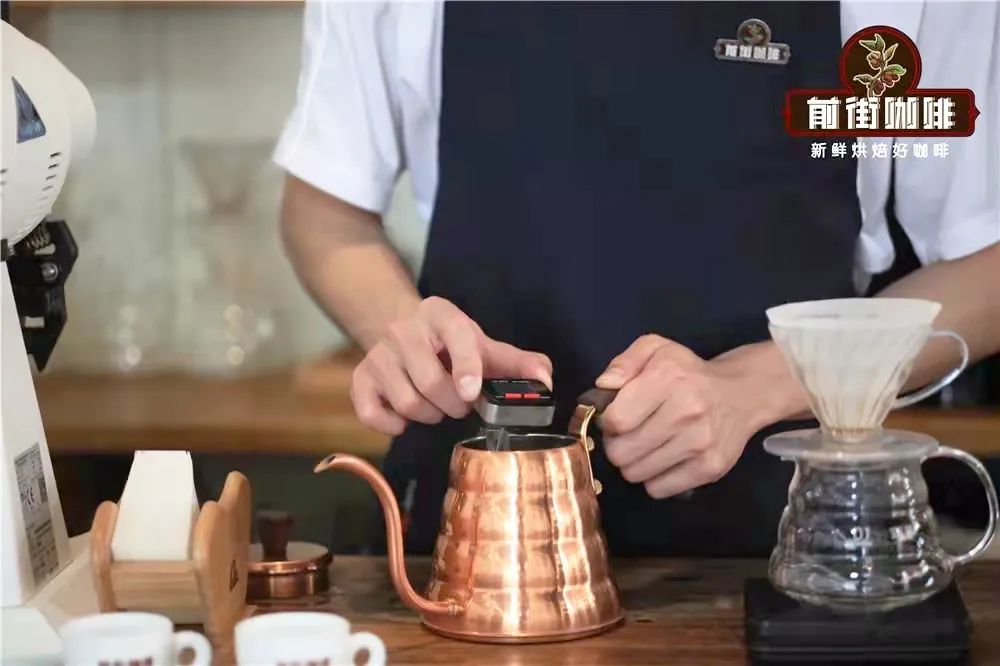
Water temperature steers flavor direction: hotter water extracts more, pushing the cup toward sweetness (or bitterness); cooler water extracts less, leaving the cup sour. For light roasts like Yirgacheffe, FrontStreet Coffee typically uses 91°C — a common light-roast temperature. With every other parameter identical, his 86°C water simply left too much unextracted, producing that sharp under-extracted sourness.
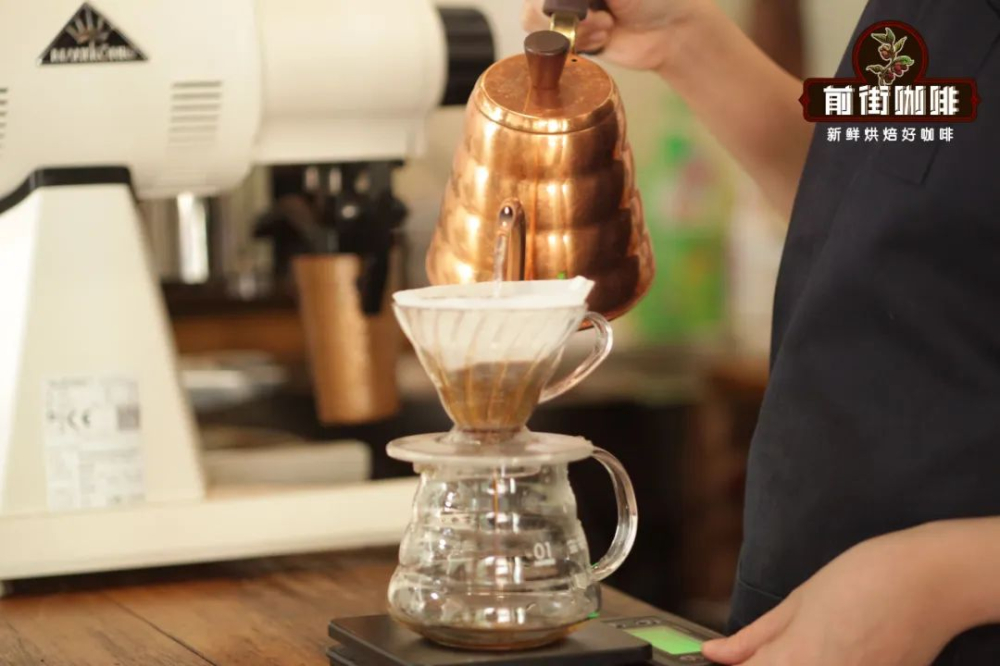
The mirror image: brew a dark roast at 91°C and it turns bitter from over-extraction. FrontStreet Coffee recommends 90-93°C for medium-light roasts and 86-89°C for medium-dark roasts.
Case 2: Broken Coffee Bed
Pouring technique can also cause under-extraction. One friend reported: "I bought the Jushi Estate Blueberry from FrontStreet Coffee, and it smelled gloriously of blueberries but tasted very sour." That bean is anaerobic honey processed and should be decidedly sweet.
We went through his parameters with him and found nothing wrong — until he sent a photo of the coffee bed after brewing, and the truth came out.
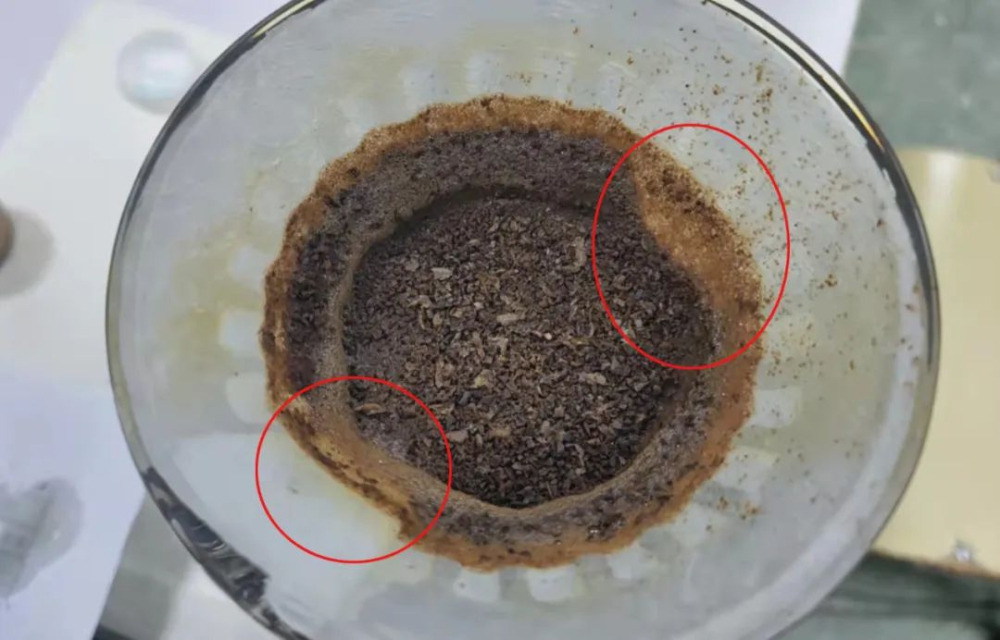
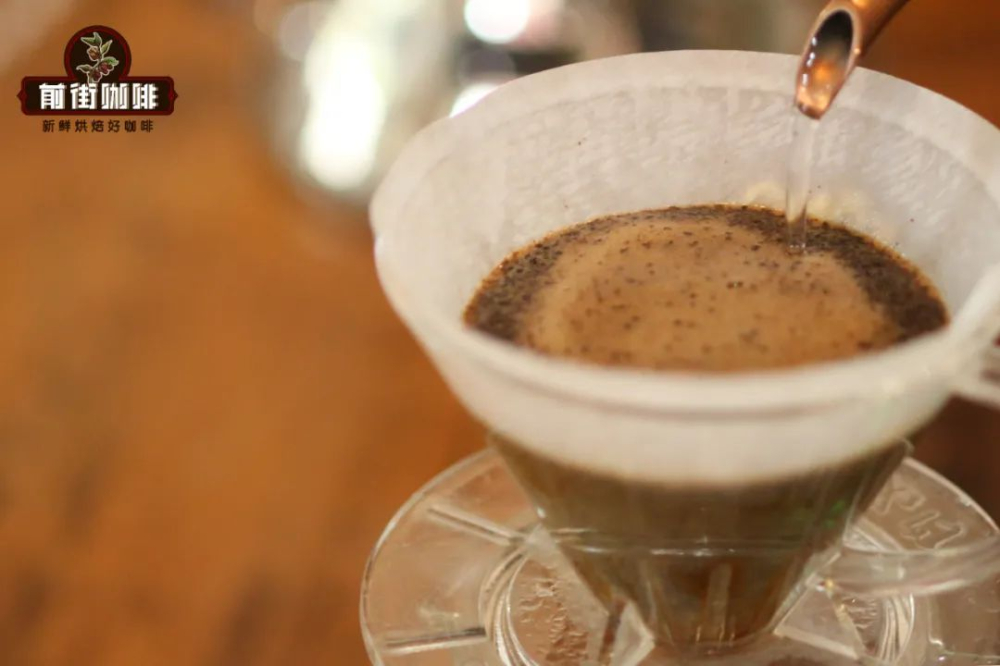
The grounds wall had collapsed mid-brew. A dripper's ribs exist to channel water downward and prevent clogging; when the bed is intact, water flows along the ribs through most of the coffee, extracting as it goes.
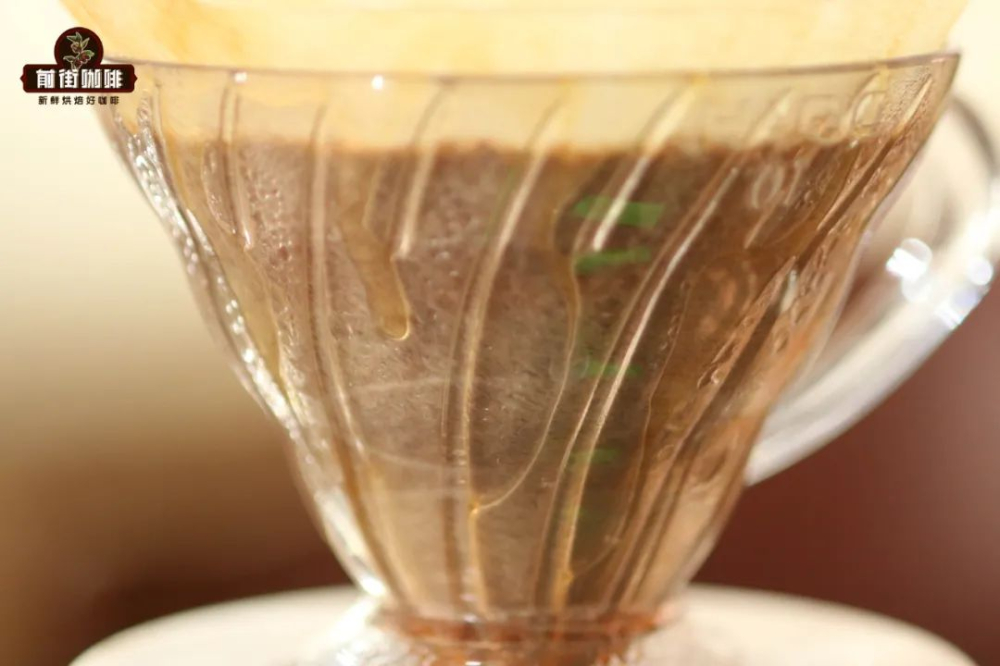
But when the wall breaks, water rushes along the exposed ribs straight into the server, bypassing the coffee entirely. The result is under-extraction: sharp acidity, astringency, a watery body, and a flat, hollow flavor.
An unsteady pour, too much flow, or too wide a circling radius will all break the wall. If this is happening to you, keep the flow stable and vertical, and avoid pouring on the outermost edge — it makes a big difference.
Case 3: Brew Time
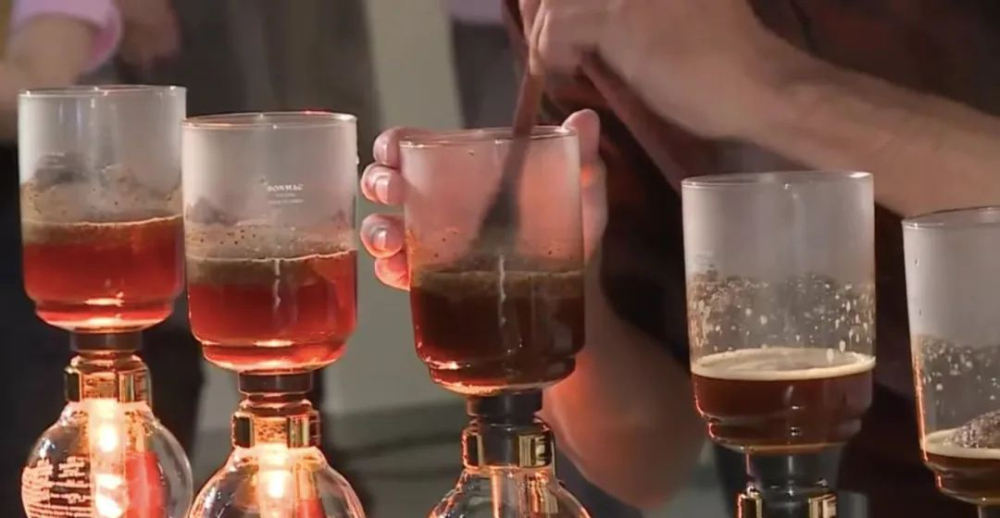
Another friend asked: "Why is my Mandheling sour? Is the roast bad?" FrontStreet Coffee compared it against our reference sample and had him send photos of the beans — nothing unusual. Then the conversation revealed the real variable: he was brewing with a siphon pot.
Siphon brewing throws three tricky parameters at you. First, water temperature: the rising water starts around 88-90°C, but the upper chamber keeps heating, so the temperature keeps climbing. Second, stirring — done carelessly, it produces bitterness or uneven extraction with sour off-notes. Third, time: many siphon brewers, afraid of burning the coffee, use a very conservative 50-70 seconds. If the first two aren't nailed down, such a short brew easily lands in under-extracted sourness.
The same logic applies to pour-over. Try a very coarse grind with water below 80°C and you'll taste the under-extracted sourness, weakness, and hollow flavor of a medium-dark roast. It's why FrontStreet Coffee consistently recommends a brew time of about 2 minutes for a standard 15-gram dose.
FrontStreet Coffee Recommendation
Is some sourness normal? Absolutely — in the right coffee, it's a feature. If sharp, under-extracted sourness keeps sneaking into your cup, start with beans that reward you for fixing it. FrontStreet Coffee's Yirgacheffe Guodingding is the classic light roast for practicing temperature control: brewed at 91-93°C with a clean, stable pour, it opens into gentle citrus and berry acidity, jasmine florals, and a green-tea sweetness — bright rather than sour.
If you'd rather sidestep acidity altogether, FrontStreet Coffee's PWN Indonesian Golden Mandheling is the answer. A medium-dark, wet-hulled Sumatran lot selected to top-grade G1 standards, it pours out low-acid flavors of dark chocolate, caramel, and rich herbs with a heavy, lingering body — a cup where even brewing mistakes taste mellow rather than sour. And for something in between, FrontStreet Coffee's Jamaica Blue Mountain No.1 balances cream, caramel, and nut tones with just enough delicate acidity to keep things interesting, whatever your pour throws at it.
Important Notice :
FrontStreet Coffee is a long-established specialty coffee roaster in Guangzhou China, selling freshly roasted beans from its own farm in Yunnan as well as dozens of carefully selected single-origin beans from around the world for both pour-over and espresso. The products deliver consistently excellent quality and great value, with shipping within 24 hours. Guangzhou's FrontStreet Coffee shop is recommended by many coffee lovers, and the beans are now available online at the Tmall 。
FrontStreet Coffee has moved to a new address:
FrontStreet Coffee Address: 315,Donghua East Road,GuangZhou
Tel:020 38364473
 Scan and follow the En Gafei WeChat official account. Please indicate that the reprint comes from "En Gafei".

