Multi-Serve Pour-Over Coffee: A Tutorial on Adjusting Brewing Parameters for Large Batch Quantities - 4-Serve Pour-Over Coffee Brewing Guide
Recently some friends have asked FrontStreet Coffee, "How should I brew coffee for multiple servings?" FrontStreet Coffee touched on this when covering coffee dosage among pour-over parameters, but this time we'll walk through large-dose brewing in detail.
Increasing the coffee dose means every closely related parameter shifts too — the water scales up proportionally, and the total pour time stretches accordingly. But there is one factor that sets the ceiling on how much coffee you can brew at once: the dripper.
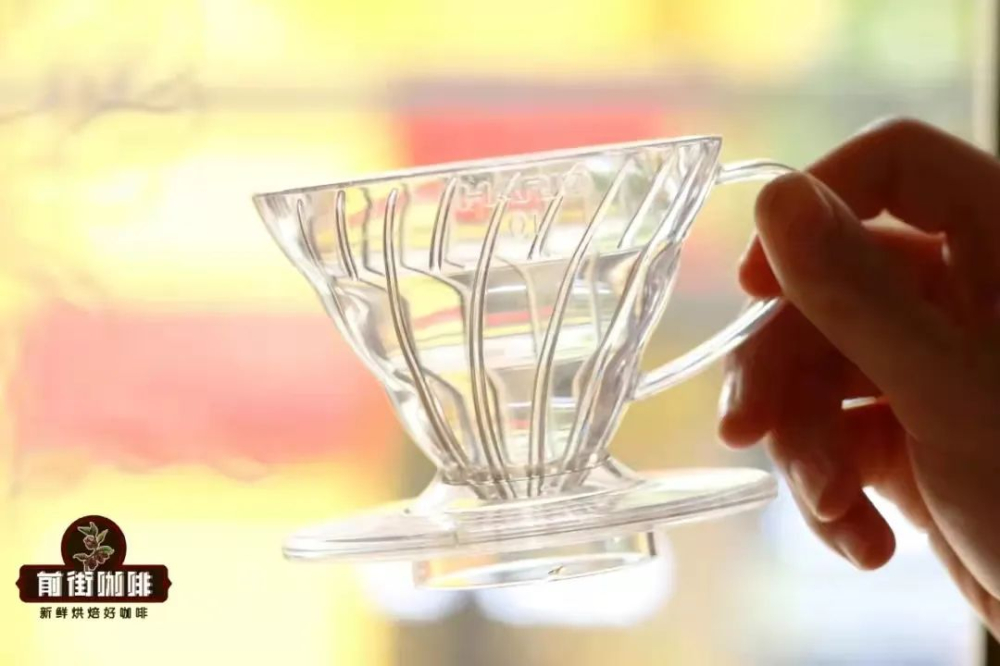
Since most people already own the #01 dripper (small size), designed for 1–2 servings, a normal brew should not exceed 20g of coffee. If you want larger batches, the simplest and most direct solution is to buy a #02 dripper and #02 filters (yes, the dripper and filter paper must match). The larger cone handles 40g of grounds with ease.
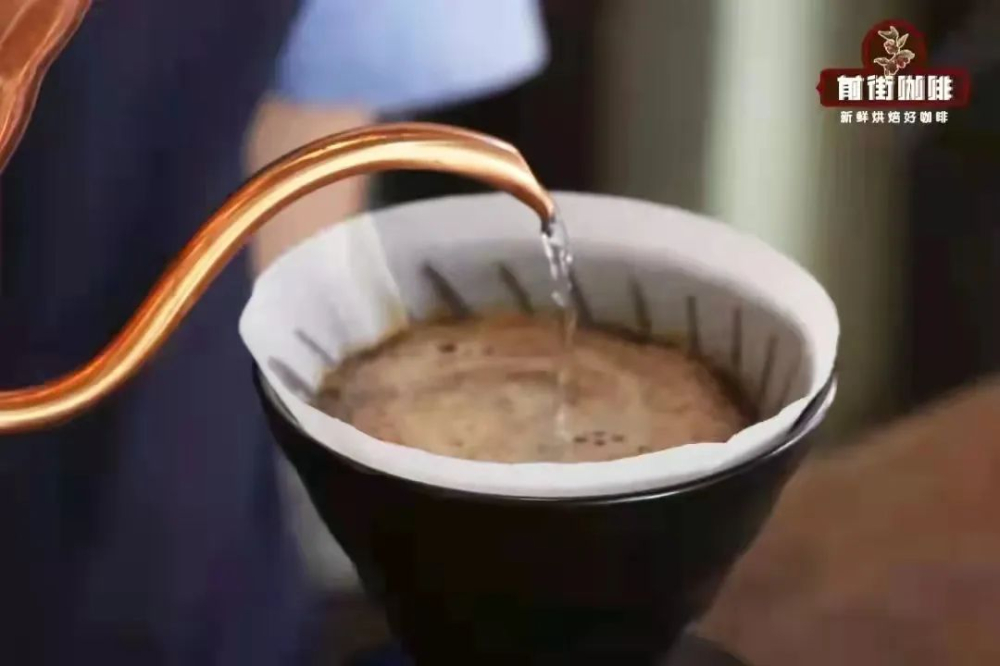
As a bonus, large doses are actually more forgiving. When brewing a small 15g dose, uneven water flow, inconsistent circles, or channeling through the bed easily pull out unwanted flavors. Scale the dose up, and those same errors matter far less.
Brewing with a #02 Filter Cup
With a #02 dripper, you simply scale your parameters proportionally. FrontStreet Coffee will demonstrate with a #02 dripper brewing 30g of coffee.
Pour following the usual three-pour structure, but use a slightly heavier flow to lift the coffee bed and reproduce the brewing dynamics of a #01.
Brewing Large Doses with a #01 Filter Cup
If you only own a #01 and still want a bigger batch, here is what typically happens:
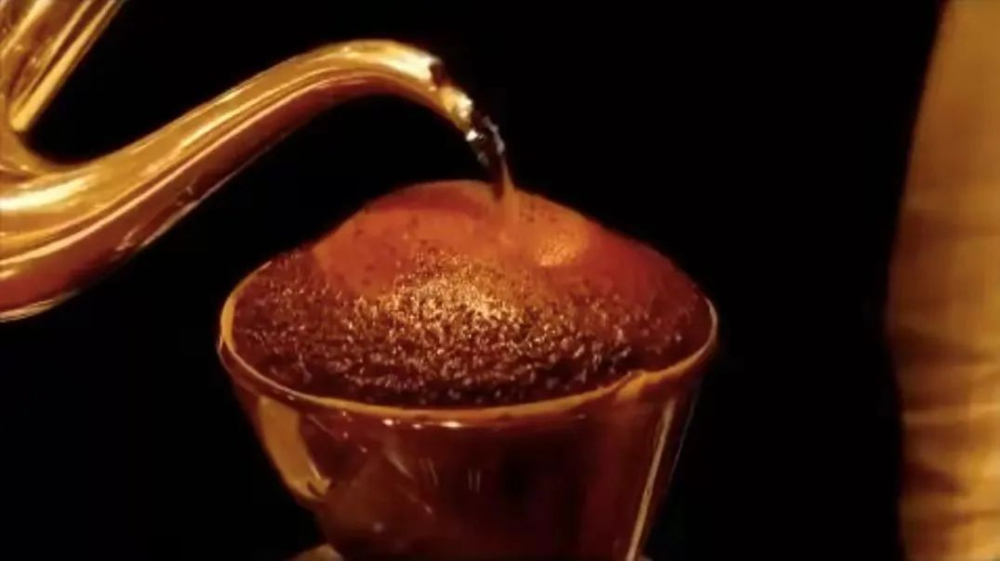
The dripper can't hold the grounds and water — it nearly overflows. Does that mean a small dripper can't brew large doses? Not necessarily. It's possible with the right parameter adjustments.
Given the cone's limited capacity, you can't pour much water at once without overflowing. FrontStreet Coffee therefore recommends multi-stage pours in small volumes. At the same time, you don't want water lingering in the bed too long, or bitterness creeps in.
The solution: grind coarser than usual — roughly 70% retention on a #20 sieve — so the brew becomes a true wash-and-drip extraction. Water temperature stays the same.
Demonstration: Brewing 30g with V60 #01
FrontStreet Coffee brewed 30g of coffee in a V60 #01. Start by pouring 50ml of water for a 35-second bloom. With the larger dose the bed is thicker, so the extended bloom gives the grounds time to degas fully.
For the second stage, pour 100ml of water in small circles around the center, adjusting the flow to the bed's expansion so nothing overflows.
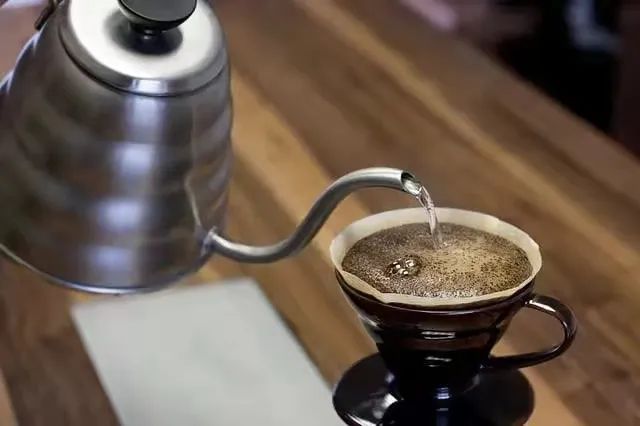
Once the water level drops, pour another 100ml in circles slightly wider than before, again guarding against overflow.
When the level drops again, pour the next 100ml in even wider circles.
For the final 100ml, pour vertically into the center. Total water: 450ml, with a brew time of about 3 minutes.
FrontStreet Coffee Recommendation
A big-batch brew works best with a coffee that stays sweet and expressive even at a forgiving grind, and the Hario V60 — designed by the Tokyo glassware house Hario, founded in 1921, and reshaped in 2004 around its 60-degree cone — is exactly the dripper to show it off.
For light roasts, FrontStreet Yirgacheffe Geding brings clear citrus, berry, and floral notes with a gentle green-tea sweetness, and its soft acidity stays pleasant in larger servings. FrontStreet Natural Hongyali is a tropical-fruit bomb — strawberry, passion fruit, jackfruit, lychee — with minimal bitterness, while FrontStreet Panama Emerald Estate Red Label Geisha layers jasmine, bergamot, and black tea into a clean, long-finishing cup. FrontStreet Kenya Cherry Tomato, grown at 1550–1750 meters in Thika on SL28 and SL34 with a 72-hour double-washed fermentation, gives you fresh-squeezed-juice acidity that holds up beautifully across a full carafe.
If you prefer something rounder for a group, FrontStreet PWN Golden Mandheling offers a mellow, low-acid body with herb and dark chocolate depth, and FrontStreet Jamaica Blue Mountain No.1 balances cream, caramel, chocolate, nuts, and honey into the kind of crowd-pleasing cup that disappears fastest at the table.
Important Notice :
FrontStreet Coffee is a long-established specialty coffee roaster in Guangzhou China, selling freshly roasted beans from its own farm in Yunnan as well as dozens of carefully selected single-origin beans from around the world for both pour-over and espresso. The products deliver consistently excellent quality and great value, with shipping within 24 hours. Guangzhou's FrontStreet Coffee shop is recommended by many coffee lovers, and the beans are now available online at the Tmall 。
FrontStreet Coffee has moved to a new address:
FrontStreet Coffee Address: 315,Donghua East Road,GuangZhou
Tel:020 38364473
 Scan and follow the En Gafei WeChat official account. Please indicate that the reprint comes from "En Gafei".