Everyone Wants to Open a Coffee Shop, But It's Not Easy for Anyone Who Does!
"How to Open a Coffee Shop?"
"What Type of Coffee Shop Do You Want to Open?"
"Coffee Shops Have Types?!"

Yes — "coffee shop" is just a blanket term. Any place that sells coffee can call itself one, and what kind of positioning you choose is something many aspiring owners overlook.
What is Positioning?
Positioning means being clear on why you're opening this particular shop and which customers you plan to serve. Cafes on the market today fall roughly into a few categories: super-large coffee shops (such as exhibition-hall cafes), large-format chains (think Starbucks), small-format shops (think Manner), trendy cafes, and specialty coffee shops. Their respective focuses are venue rental, the "third space," takeout volume, light meals and simple food, and specialty coffee alone.
If you want to open a cafe, daydreaming about the artistic, laid-back lifestyle isn't the work. Reality is often cruel: what you actually need to figure out is how the shop survives. Even with ample funds and clear positioning, without solid business planning — and a little luck — the uncertain factors will eventually bury you. That's business. So before signing anything, set aside the fantasies and think hard about your positioning, its pros and cons, and how much loss you can stomach.
Case Study 1: The Super-Large Coffee Shop
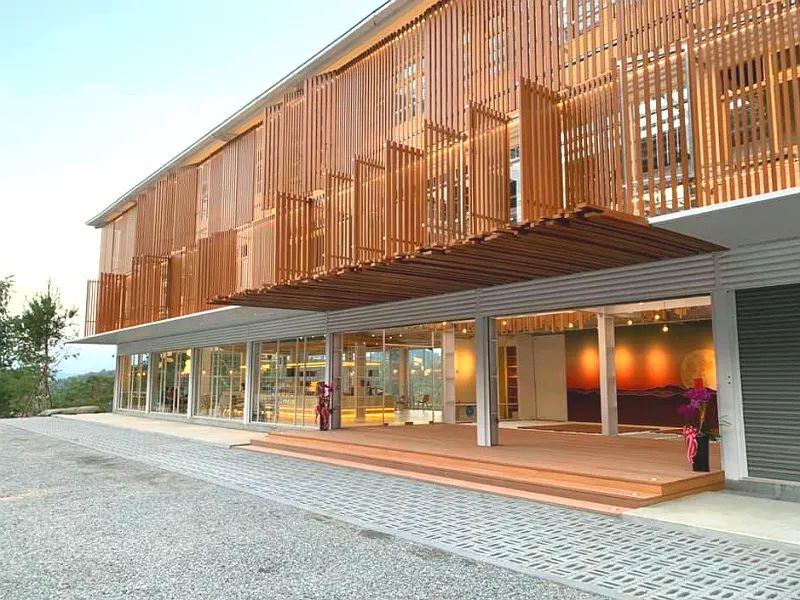
Consider one super-large coffee shop (hundreds, even thousands of square meters) positioned around packaging events through venue rental, with coffee itself just a customer magnet. The target clientele was companies and organizations, and since the main revenue was space rental, the interior was lavishly finished. Between the rent on that footprint, the renovation, labor, and equipment, the initial investment topped 5 million yuan.
Fortunately — and deservedly, since the owner was capable — the owner was excellent: clear on the positioning, effective at managing the team, and the shop broke even in under two years. Then the pandemic hit hard. When it began, they closed for three months, and the lost rent and labor costs were a substantial figure. Worse, anti-gathering regulations pushed companies and organizations to cut back on events.
The owner pivoted toward retail, but having mostly served group customers, they had never built an individual customer base. Even after rolling out new coffee products, dessert development, promotions, and online sales, monthly fixed costs still weren't covered, and the shop eventually closed to cut its losses in time.

Retail was their rescue plan, but the pandemic kept generating cruel and unpredictable problems. Once losses became the norm, they had to face reality and minimize the damage.
Case Study 2: The Takeaway-Only Coffee Shop
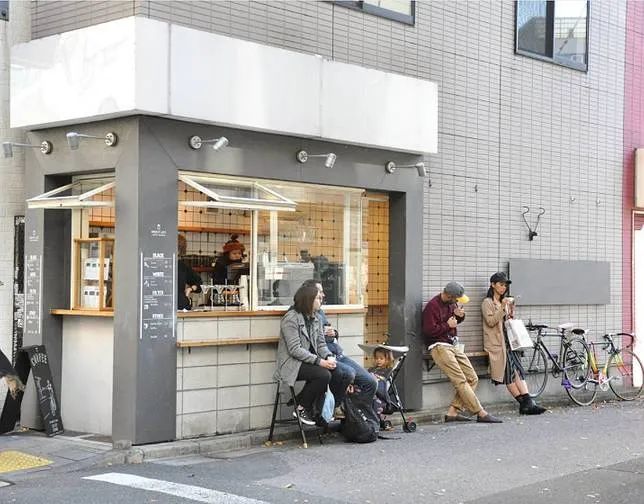
A second example: a takeaway-only cafe tucked into an unremarkable alley among older residential blocks. Small shop, obscure location — so the rent was very cheap: 1,500 yuan for 15 square meters in downtown Guangzhou. Takeout only, minimal decoration, no need for handsome equipment, and the owner as sole staff. The model's virtue was low investment and low operating costs; the startup outlay was only about 15,000 yuan.
In practice, though, orders averaged three to five per day — and those were the owner ordering for themselves or friends pitching in. A full month's takings didn't cover the delivery platform's commission, the coffee beans, and the rent. The owner initially reasoned that slow business at opening was normal, but after two months of persistence, the shop closed.
The location was remote, nobody came for takeaway coffee, and since the shop did no local promotion and bought no visibility on delivery platforms, nobody outside the owner's circle even knew it existed — and no one else could pass judgment on the coffee.
Operating this way certainly saves money and caps the downside, but cafes live on reputation. Without pickups, without word of mouth, without fresh customers offering feedback, a cafe can hardly keep going. And even if it survived, with a single person busy behind the bar each day and no visible customers, a coffee shop somehow loses part of its soul.
Case Study 3: The Specialty Coffee Shop
The third example was a specialty cafe whose owner was fanatical about quality. Every cup, from ingredient to preparation to presentation, was meticulous — earning a rare local reputation. Yet despite the recognition, business languished: prices were too high, and few customers returned.

Rent was reasonable, but the investment in coffee equipment and the cost of beans and materials were very high, and with labor on top, all of it landed in the price list: an Americano at 30 yuan, a latte at 40 yuan, pour-over starting at 50 yuan. For the average consumer, that's not an everyday habit. Quality like that satisfies coffee lovers completely — but how can a cafe sustain itself on enthusiasts alone?
Then the pandemic cut in-store traffic, and the "check-in" crowd thinned too. The shop had never joined delivery platforms. After a year of holding on, it closed: bean spoilage ran too high and rent, small as it was, kept accumulating. They got out while they could still break even.
Key Lessons
These three cases show that a cafe cannot run on a "single-minded approach" — it narrows your room to grow and shrinks your opportunities. A coffee shop needs reputation and foot traffic. Refusing to invest gets you no attention, but over-investing demands constant worry about future risk, and investment that's too narrowly targeted also misses chances for brand exposure.
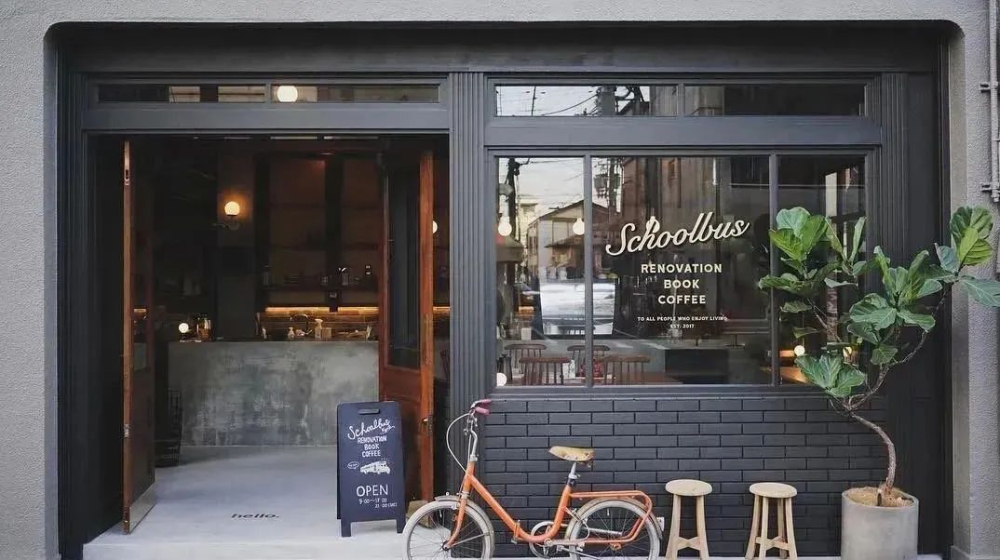
If you want to open a cafe, there is a long list of things to weigh. Opening one on passion is easy; operating one is genuinely not simple. There are plenty of successes and plenty of failures — analyzing cases and doing market research before you open really matters!
In business as in coffee, breadth of perspective is often the difference. Thinking long-term is what gives you a chance. Effort doesn't guarantee success — that may honestly come down to luck — but not trying guarantees failure. No customer comes knocking on their own; when they do knock, you need ways to seize the moment and turn them into loyal regulars.
Image source: Internet
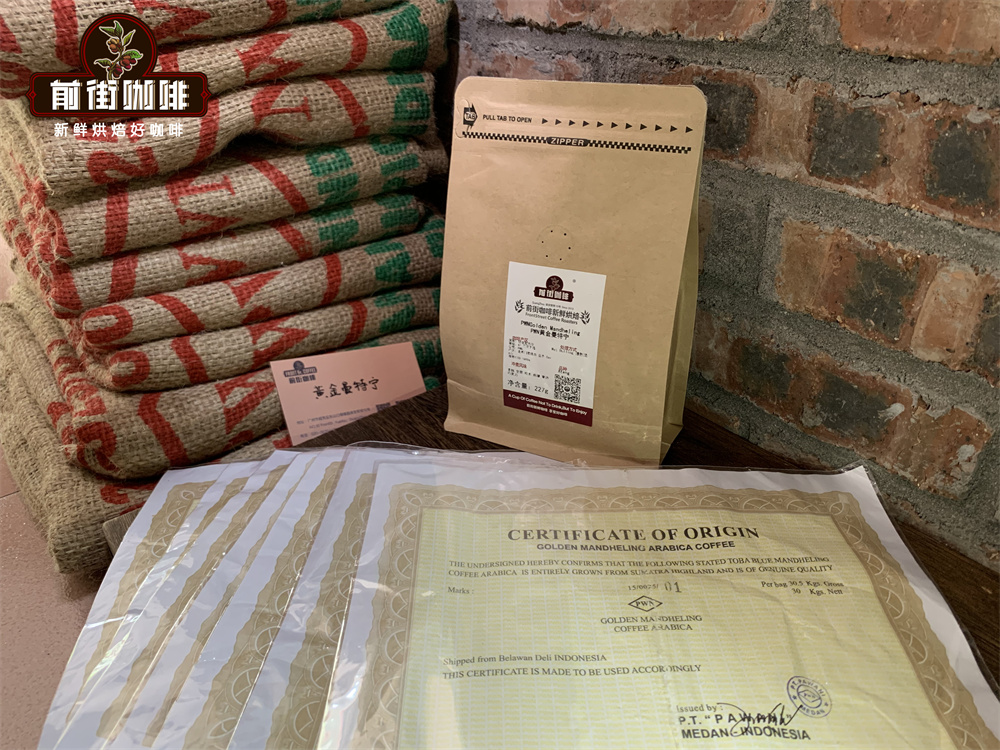
Finally, let's circle back to the opening image!

FrontStreet Coffee Recommendation
Whatever your cafe's positioning, the beans on the bar decide whether first-time customers come back. For an entry-level lineup, FrontStreet Coffee recommends starting with Ethiopia: the Natural Hongyali from Sidama offers berry, floral, jackfruit, melon, and honey notes, while the washed Geding cooperative lot from Yirgacheffe shows jasmine, lemon acidity, and berry tones — the classic African profile that sells itself.
Brazil is the world's top producer, and FrontStreet Cerrado Red Bourbon delivers the region's soft bean character: creamy, gentle acidity, peanut and cocoa notes, balanced and inexpensive — a dependable house bean, black or with milk. The higher-grown Fazenda Rainha yellow Bourbon adds a sugarcane sweetness to the classic butter-and-nut profile. For customers who shun acidity, FrontStreet Lindong Mandheling and PWN Golden Mandheling use Sumatra's distinctive wet-hulled process to produce a dense, smooth, herbal cup with clean woody and caramel tones.
Colombia's Huila region — hills above 1500 meters ringed by mountains and watered by the country's major rivers — anchors the lineup with the FrontStreet Huila lot, alongside the fruit-forward Sidra and Big Navel. Costa Rica's high altitudes, big day-night temperature swings, and volcanic soils yield strictly hard beans (SHB), and the honey-processed Blackberry and raisin-honey Mozart offer raisin, blueberry, osmanthus, and rose sweetness that shines in any brew method. Yunnan's washed Small-Bean (nuts and chocolate, soft and balanced) and the 2013 Typica grown at 1300 meters (hazelnut, dried apricot, black tea, caramel, ripe plum) bring local pride to the menu, and the washed Boquete Geisha from Panama delivers authentic orange-blossom honey character at an entry-level price — perfect for a pour-over program that convinces skeptical newcomers.
Important Notice :
FrontStreet Coffee is a long-established specialty coffee roaster in Guangzhou China, selling freshly roasted beans from its own farm in Yunnan as well as dozens of carefully selected single-origin beans from around the world for both pour-over and espresso. The products deliver consistently excellent quality and great value, with shipping within 24 hours. Guangzhou's FrontStreet Coffee shop is recommended by many coffee lovers, and the beans are now available online at the Tmall 。
FrontStreet Coffee has moved to a new address:
FrontStreet Coffee Address: 315,Donghua East Road,GuangZhou
Tel:020 38364473
 Scan and follow the En Gafei WeChat official account. Please indicate that the reprint comes from "En Gafei".