
What?! Hua Kui Coffee Beans from Brazil??
Uncovering the Truth About Coffee Bean Information
Last night, while scrolling my phone, I came across this post:
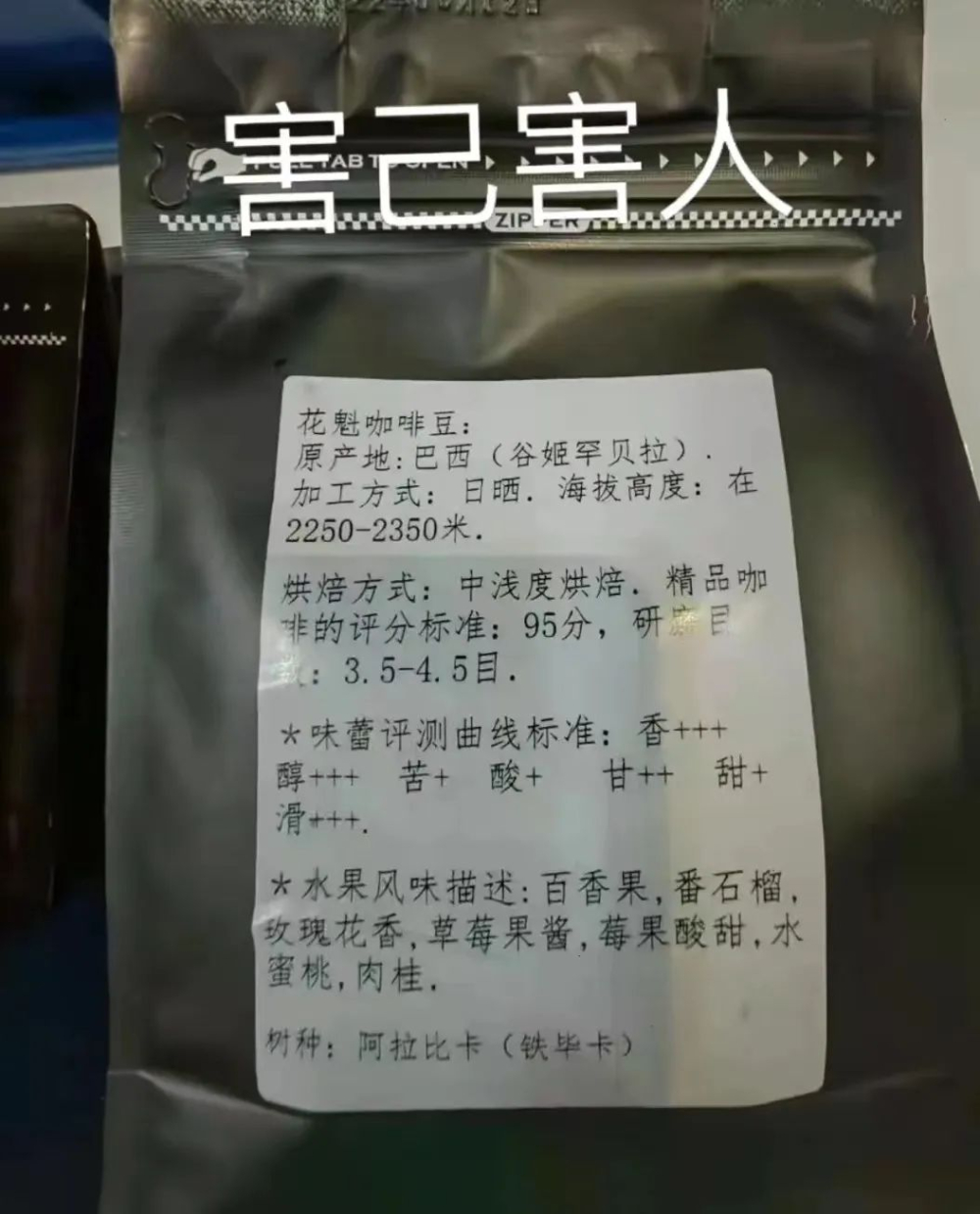
"Today I saw a picture on my feed - a coffee novice bought this bag of beans (see below), and I couldn't help myself. If you're ignorant, you can learn. But if you want to work in this industry, show some sincerity. This kind of deception is simply insulting. To colleagues selling this bean, I'd advise a career change. Stop selling coffee. I feel sorry for the friends who bought this bag."
- zz's Coffee World
As a writer, my reaction to the picture was:

For a moment I didn't know where to start... everything was wrong, yet the label presented its information so "seriously." A complete coffee novice would certainly be misled by such confident-looking details and believe them without question.
From a coffee professional recently insisting that Huakui beans were Gesha beans, to this outright fabrication linking unrelated facts to Huakui's origin... We won't speculate about motives, but before understanding a product, don't spread incorrect knowledge to consumers. If you don't know, read more. If you don't understand, don't speak carelessly - just as the meme below says:

The Origin and Naming of Huakui Coffee Beans
First, let's establish where Huakui beans come from and how they got their name.
At the 2017 TOH (Taste of Harvest) green bean competition, a natural-processed batch of Ethiopian heirloom variety coffee from the "Buku Abel" processing station in the Hambella region won the natural category championship on the strength of its strawberry and cream aroma. The bean had no name at the time - until later that year, when the championship lot was imported by a Beijing green bean trader and named "Huakui." The name refers specifically to the bean that won the 2017 natural category.
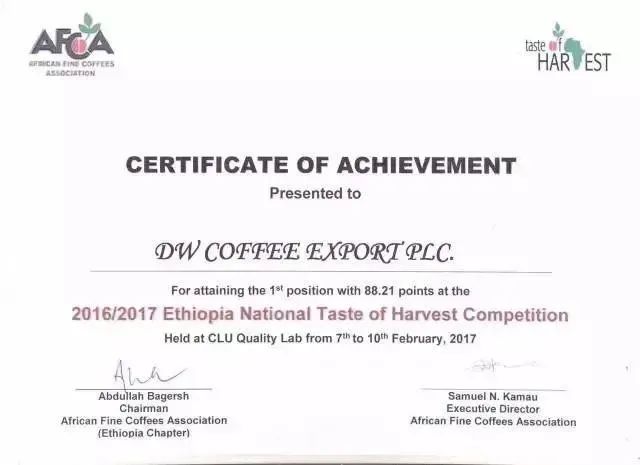
After the 2017 win, DW Company expanded the number of processing stations in the core Hambella area of Dimtu - including "Buku Abel," "Buku Saysay," "Haro Soresa," and "Tirtiro Goye" - with annual coffee production of about 1,100 tons. By growing region and station, only beans from the "Buku Abel" station's processing area covered the original small producing zone of the 2017 champion. Subsequent versions followed: Huakui 2.0 launched in 2018, Huakui 3.0 and 3.1 in 2019, Huakui 4.0 in 2020, Huakui 5.0 in 2021, and the 2022 season's Huakui 6.0 was still queued at local ports awaiting shipment and had not yet arrived in China.
Beyond the X.0 series, FrontStreet Coffee found that the 2018 and 2019 beans resembled the 2017 Huakui in flavor, though their body and aftertaste fell short. Comparing batches, we realized the 2017 Huakui's signature aroma came from particularly small-grained varieties mixed into the lot. Similar small grains appeared in the 2018 and 2019 beans too - occasionally in just a few bags out of ten sacks. We confirmed this in 2019 and informed the green bean supplier; from 2020 onward, Huakui was split into two types: 4.0 and small-grained Huakui. The small-grained version does not belong to the X.0 series.
Analyzing the Problems in the Label
Now let's examine what's wrong with the label in the first picture.
"Origin: Brazil (Guji Hambella)"
Brazil is in South America and is the largest producer of Arabica coffee. Guji Hambella is in Africa - Hambella being a sub-region within Ethiopia's Guji producing zone.
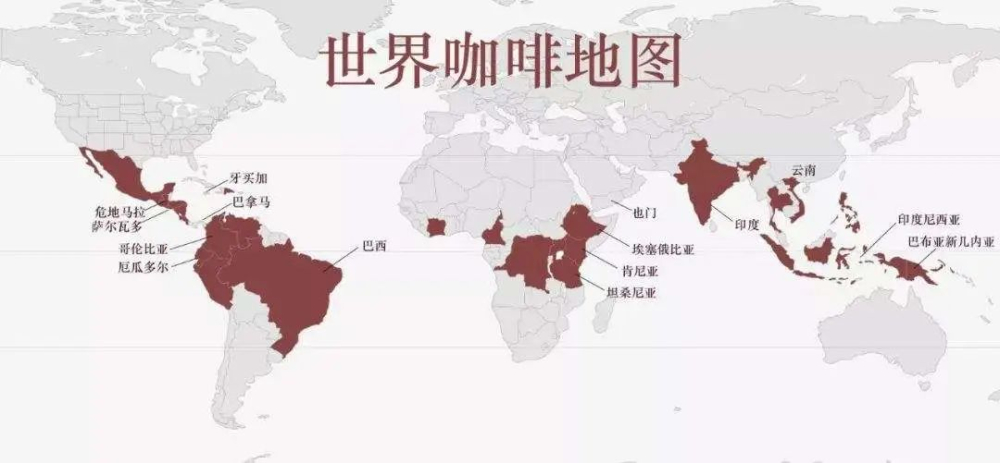
Pasting together two places from entirely different continents is the most shocking thing on the label. Viewed differently, though, it shows the roaster knows one essential condition for calling a bean "Huakui": it must come from Guji Hambella.
However! Not every bean from Ethiopia's Guji Hambella can be called Huakui. Beans that deserve the name must be Ethiopian heirloom variety, natural-processed at the Buku Abel processing station under DW Company.
"Variety: Arabica (Typica)"
The tree species determines the variety, and by the label's own logic these beans would be Typica - but as established, Huakui beans must be Ethiopian heirloom variety.
What's the difference between Typica and Ethiopian heirloom? A full discussion would make this article very long, so here's the fundamental point: Typica is a single, ancient coffee variety, while "Ethiopian heirloom" isn't one variety at all but a collective term for the natural mixture of many varieties.
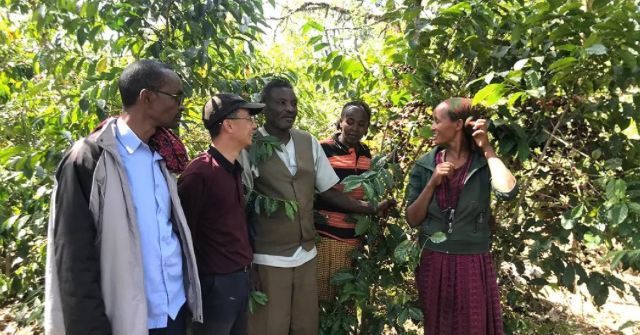
- Ethiopian coffee regions
As the birthplace of coffee varieties, Ethiopia holds so many that it's like a natural gene bank for Arabica. The sheer number makes identification and classification difficult, and the Ethiopian government, for protection reasons, has been reluctant to disclose variety information - hence the collective name. Because the varieties are so complex, they're grown and harvested mixed together, which is why heirloom beans vary in size.
Setting Huakui aside entirely, Brazil barely grows Typica either. Brazilian coffee is planted without shade, and Typica trees are inherently delicate, unable to withstand prolonged high-temperature exposure. Typica also has poor disease resistance and low fruit yield - economics simply don't work.
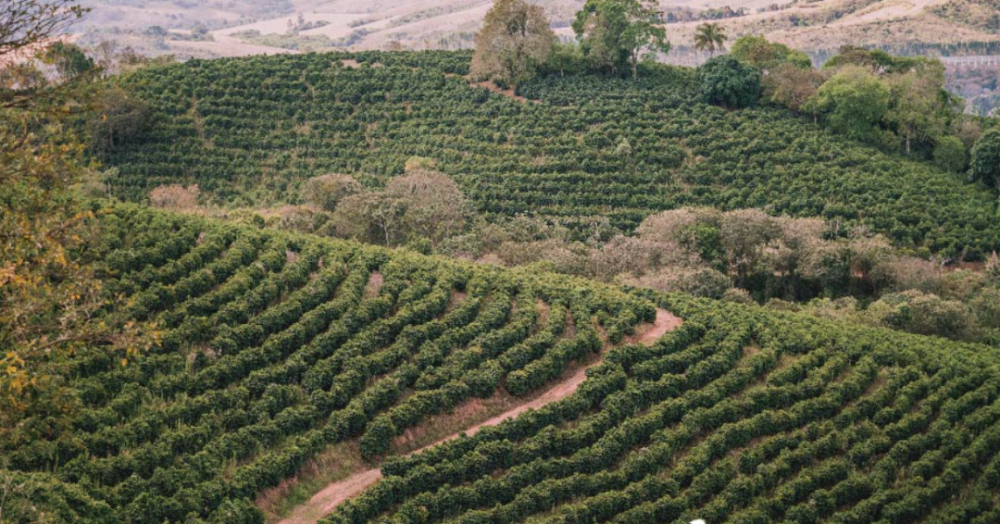
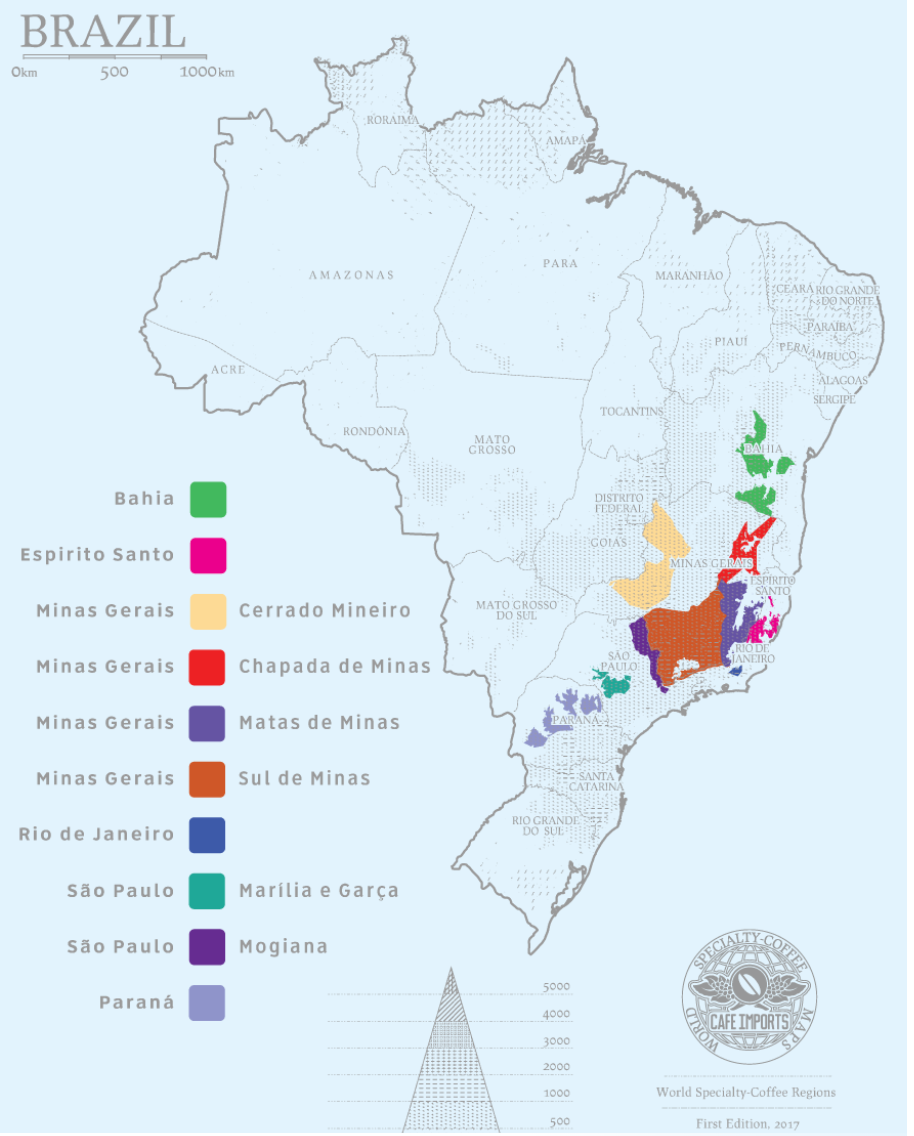
- Brazilian coffee regions
Brazil's low altitude, flat terrain, and lack of microclimates make Typica cultivation impractical. Most Brazilian Arabica is Bourbon-based: vigorous, disease-resistant, and high-yielding - less refined in flavor than Typica, but far more economical.
"Altitude: 2250m-2350m"
Brazil's reaction: "I didn't even know I had altitudes like that!" As noted, Brazil is a low-lying, flat country with altitudes from 300m to 1,500m, and most Brazilian Arabica cultivation concentrates around 600-1,000m.
Huakui beans genuinely do grow at 2,250m-2,350m - but not in Brazil. That altitude corresponds to Ethiopia's Guji Hambella region.
"Specialty Coffee Rating Standard: 95 points"
Regardless of anything else: under either SCA or COE scoring, a coffee rated 95 points would not be an everyday purchase for ordinary consumers.
Under SCA cupping, below 80 points isn't specialty grade; only 80+ counts as specialty. Generally, 80-84.99 is "Very good," 85-89.99 "Excellent," and 90-100 "Outstanding."
Under COE cupping, below 70 points is slightly poor commercial grade; 70-74.99 ordinary commercial; 75-79.99 premium commercial; 80-86.99 specialty; and 87+ is COE competition level - the Cup of Excellence winners, currently recognized as the highest tier in international coffee.
"Grind Size: 3.5-4.5 mesh"
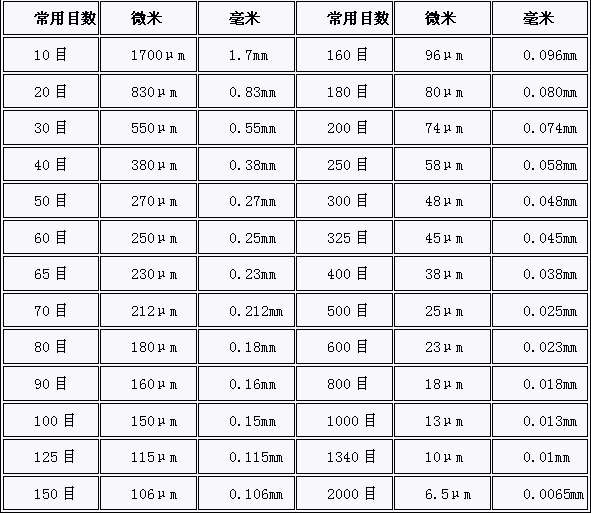
Mesh refers to the number of holes per square inch of screen - the higher the number, the more holes and the smaller the particles that pass through. The label even repeats itself: "Mesh refers to the number of holes per square inch. The larger the number, the smaller the hole diameter."
Coffee grind size simply isn't measured in mesh. Pour-over grounds generally run 600-800 microns - about the coarseness of granulated sugar - which converts to roughly 22-26 mesh.
"Taste Bud Evaluation Curve Standard"
Perhaps I'm the ignorant one, but I've never heard of such a standard... The authoritative cupping systems today are SCA and COE.
Under the SCA system, scoring covers 11 categories: dry/wet aroma, flavor, aftertaste, acidity, body, uniformity, balance, clean cup, sweetness, overall, and defect deduction.
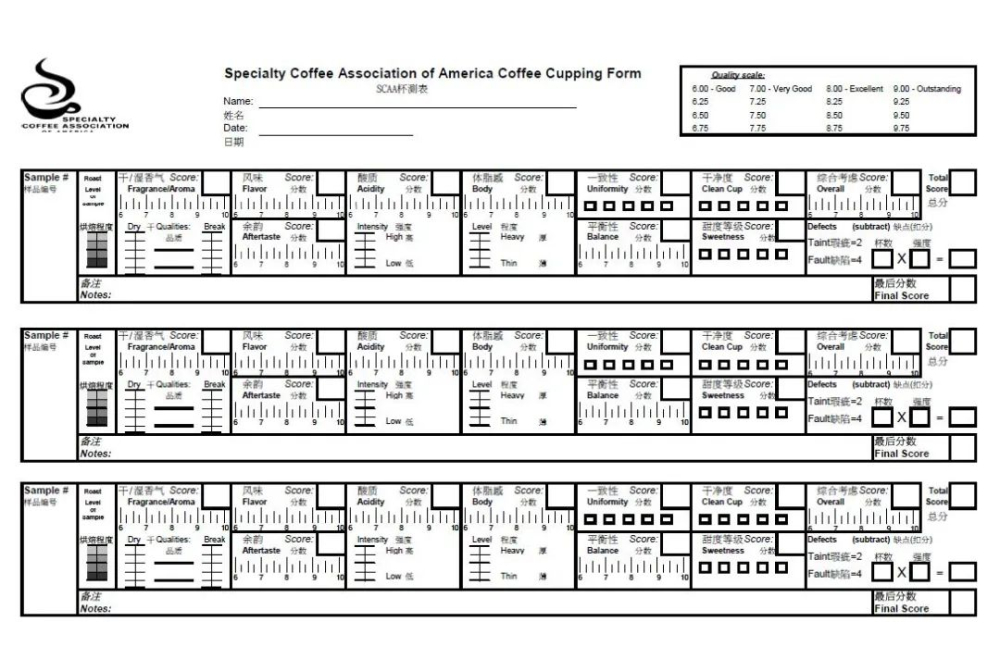
Under the COE system, there are 9: dry/wet aroma, clean cup, sweetness, acidity, mouthfeel, flavor, aftertaste, balance, and overall.
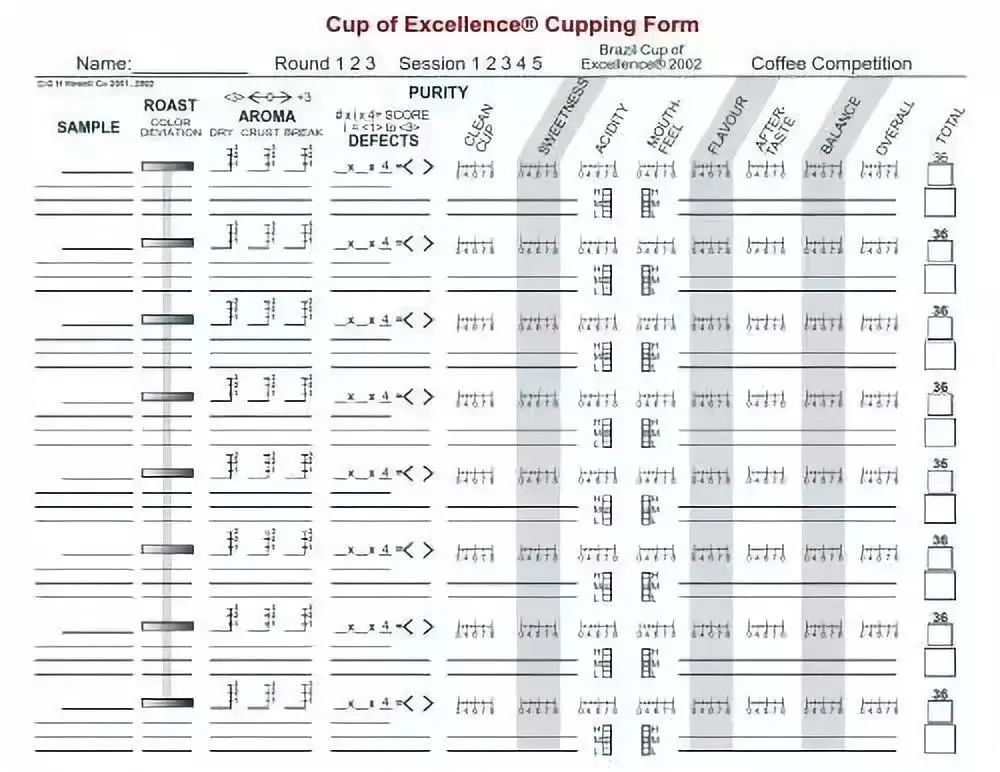
"Fruit Flavor Description"
This presumably means the coffee's flavor description. If this were genuinely Huakui - Ethiopian heirloom, natural-processed at Buku Abel in Guji Hambella - such fruit flavors would be plausible at a light-medium roast.

But remember: coffee is an agricultural product, and its flavor shifts slightly each year with climate, soil, and processing. The main profile persists, but not every batch or season tastes identical. Recent Huakui harvests have centered on full berry acidity and sweetness, yet not every season delivers the same rich layering.
Conclusion
We hope every coffee enthusiast can learn about coffee under proper guidance, and that every coffee professional takes responsibility for what they sell and accountability for what they say.
Image sources: Internet, Xiaohongshu, cafe imports
FrontStreet Coffee Recommendation
If this story sparks your curiosity about the real Huakui, FrontStreet Coffee's natural-process Ethiopia Huakui is the genuine article: heirloom variety, sun-dried for 21 days on raised beds in Hambella, Guji, at around 2,200 meters and above. Roasted medium-light, it shows light fermented wine aromas, florals, citrus, and mango, with thick honeyed sweetness, cocoa, a whisper of spice, and a full, lasting finish - the strawberry-and-cream character that made the 2017 champion famous.
For a washed counterpart from the same country, the FrontStreet Yirgacheffe Guading offers jasmine florals, bright lemon acidity, and berry tones in a light, elegant body, while the Red Cherry Project lot - meticulously sorted and sun-dried down to 12% moisture - delivers peach, cocoa, honey, and lemon in an impeccably clean cup. Together they cover both sides of what makes Ethiopian coffee extraordinary.
Important Notice :
FrontStreet Coffee is a long-established specialty coffee roaster in Guangzhou China, selling freshly roasted beans from its own farm in Yunnan as well as dozens of carefully selected single-origin beans from around the world for both pour-over and espresso. The products deliver consistently excellent quality and great value, with shipping within 24 hours. Guangzhou's FrontStreet Coffee shop is recommended by many coffee lovers, and the beans are now available online at the Tmall 。
FrontStreet Coffee has moved to a new address:
FrontStreet Coffee Address: 315,Donghua East Road,GuangZhou
Tel:020 38364473
 Scan and follow the En Gafei WeChat official account. Please indicate that the reprint comes from "En Gafei".

