
Is Lower TDS Better for Coffee Water? What Are the Water Quality Requirements for Brewing Coffee in ppm?
FrontStreet Coffee mentioned in a previous article that brewing coffee freely at home takes a budget of over a thousand yuan. A good set of equipment multiplies your effort, and the beans themselves set the ceiling and the floor of flavor. But for beginners, the most overlooked variable of all is the water.
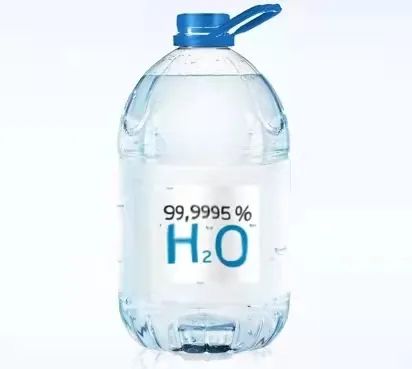
Plenty of newcomers assemble their gear, buy their beans, and happily start brewing - using tap water, or at best, water run through a household filter. The resulting coffee often has something subtly off about it: blurred flavors, a muddy character. They blame their technique and spiral into endless overthinking.
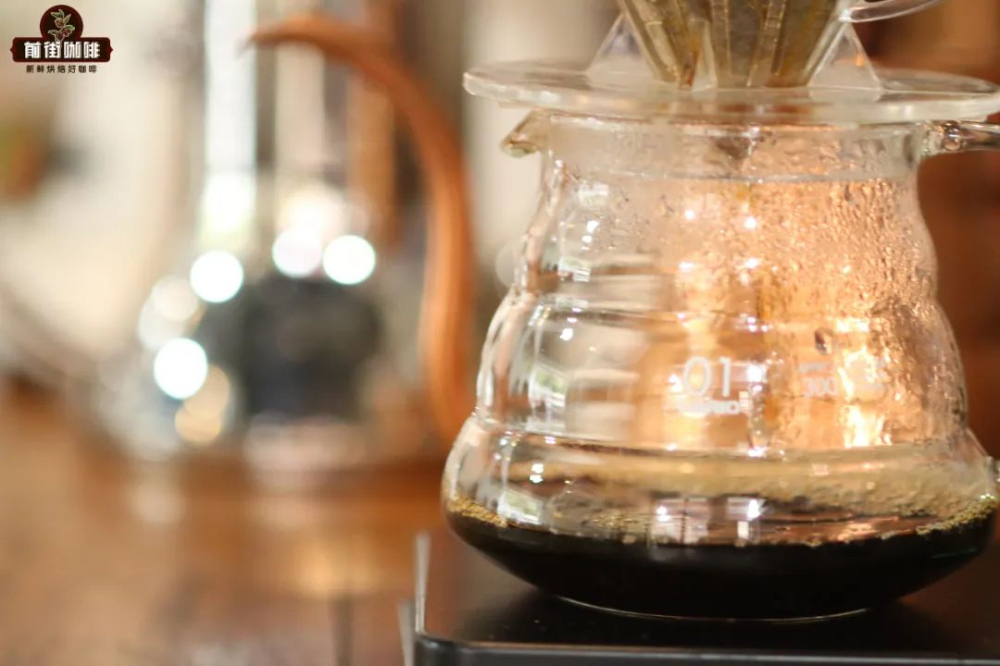
The Importance of Water Quality
Water quality is precisely one of the critical factors shaping coffee flavor. That's why FrontStreet Coffee believes that if you want to brew delicious coffee, understanding water is essential.
Water may look colorless and odorless, and may even taste perfectly normal - but brew coffee with unsuitable water and the result is unmistakably unpleasant.
What determines water quality is the amount of trace minerals it carries, usually expressed as TDS (Total Dissolved Solids). Moderate amounts of calcium and magnesium ions actually aid coffee extraction. But too much calcium and magnesium hinders the extraction of flavor compounds. On top of that, highly mineralized water tastes unpleasant on its own - excess magnesium makes water bitter, and too much calcium gives it a slightly astringent edge. Either way, the finished coffee suffers in both taste and texture.
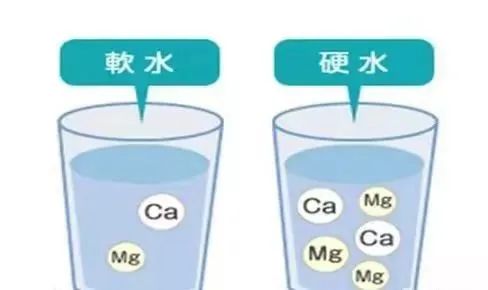
This is why tap water, with its typically high calcium content (the white scale building up in your kettle is the proof), tends to produce coffee with an astringent edge.
"Note: TDS readings only measure total dissolved solids - they cannot distinguish between magnesium, calcium, and other trace elements."
On the other hand, completely mineral-free pure water is also a poor choice. As noted above, moderate calcium and magnesium ions help pull flavor compounds out of the grounds. Coffee brewed with very "clean" pure water comes out hollow, with weak aroma and a faint aftertaste.
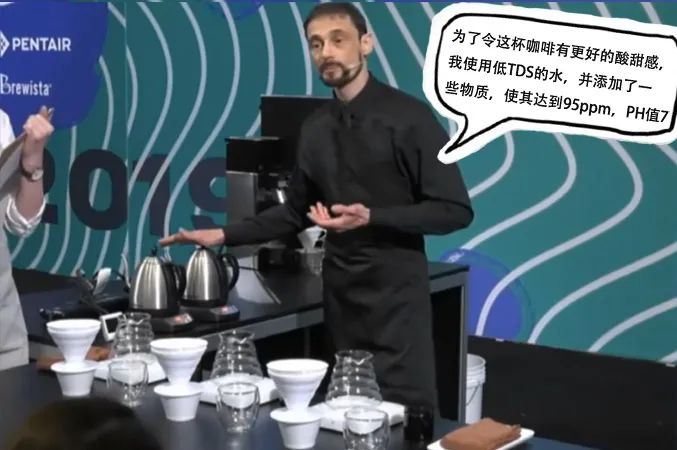
And since everyday water contains not just calcium and magnesium but other minerals that influence extraction, it's no surprise that at top brewing competitions, contestants often prepare their own custom water to get the best flavors out of their coffee.
Practical Water Recommendations
Of course, that level of water engineering isn't practical for daily life. For everyday brewing, FrontStreet Coffee recommends filtered water or bottled water.
In "Water for Coffee," the SCAA sets a TDS standard of 75-250ppm. But based on real-world performance, TDS values below 100ppm tend to extract the best flavors. If you run a filtration system at home, it's worth testing your water's TDS.
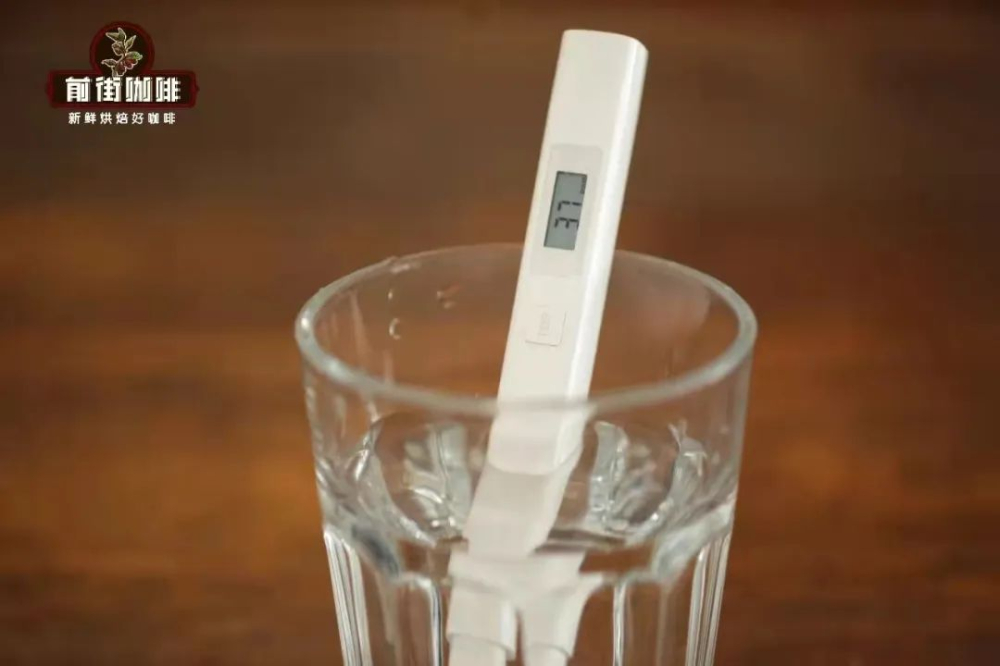
If you want to check whether water quality is holding your coffee back, buy a few bottles of commercially available water and compare. When choosing bottled water, judge by the ingredient list, not the price. Based on suitability and availability, FrontStreet Coffee recommends Nongfu Spring for comparison testing. (Part of the reason coffee brewed at FrontStreet Coffee tastes so good is, in fact, Nongfu Spring.)
FrontStreet Coffee Recommendation
Once your water is sorted, the beans are the next lever. If you're new to specialty coffee and want forgiving, crowd-pleasing options, FrontStreet Coffee suggests starting with the washed Yirgacheffe from Ethiopia - bright lemon acidity, delicate white florals, and a clean green-tea finish - or the naturally sun-dried Huakui (Red Cherry) from the Guji zone, whose near-2300m growing altitude and refined natural processing deliver tropical fruit sweetness like guava, strawberry, and dried mango with a black-tea aftertaste.
If acidity isn't your thing, the medium-dark roasted Indonesia Mandheling from Sumatra's volcanic soil offers the world's most full-bodied, low-acid cup with herbal and spice notes, while the semi-sun-dried Brazil Cerrado Red Bourbon presents cream, peanut, chocolate, and toffee after a medium roast - versatile across pour-over, moka pot, French press, and home espresso machines.
Important Notice :
FrontStreet Coffee is a long-established specialty coffee roaster in Guangzhou China, selling freshly roasted beans from its own farm in Yunnan as well as dozens of carefully selected single-origin beans from around the world for both pour-over and espresso. The products deliver consistently excellent quality and great value, with shipping within 24 hours. Guangzhou's FrontStreet Coffee shop is recommended by many coffee lovers, and the beans are now available online at the Tmall 。
FrontStreet Coffee has moved to a new address:
FrontStreet Coffee Address: 315,Donghua East Road,GuangZhou
Tel:020 38364473
 Scan and follow the En Gafei WeChat official account. Please indicate that the reprint comes from "En Gafei".

