
Who Knew! The Surprising Purpose of a Coffee Saucer Is...
Q&A Session
Q: What is a coffee saucer actually for?
Aristocratic answer: To keep hot coffee from scorching the table.
Common answer: To hold the spoon you stirred with.
Refined answer: To rest the saucer in one hand while lifting the cup with the other—for a more graceful gesture.
Guangdong answer: For bones.

Humanity has drunk coffee for centuries, and methods, etiquette, and customs vary by country. Ask a European, though, and they might tell you: coffee saucers are for drinking coffee.
Yes, you read that right—coffee wasn't drunk from the cup. It was poured from the cup into the saucer and sipped from there. You might ask: why not drink straight from the cup, or serve coffee in saucers in the first place? Because Europeans of that era wanted elegance but feared the heat! Pouring into a cup was the elegant part; pouring into the saucer was for cooling.
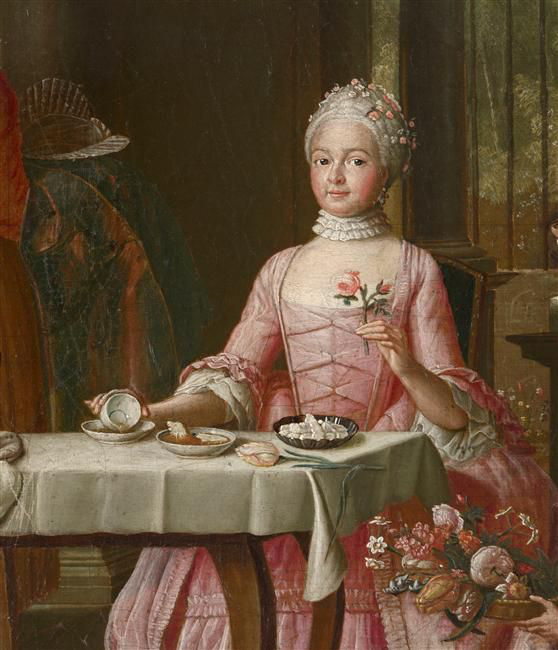
Image: "Woman Drinking Coffee" by Louis Marin Bonnet
The Early History of Coffee Vessels
Before the 17th century, spoons, cups, and plates were rare luxuries in the West, and there were no cups designed for coffee. Most European cafes, following Turkish custom, brewed a big pot and ladled it into bowls for customers.
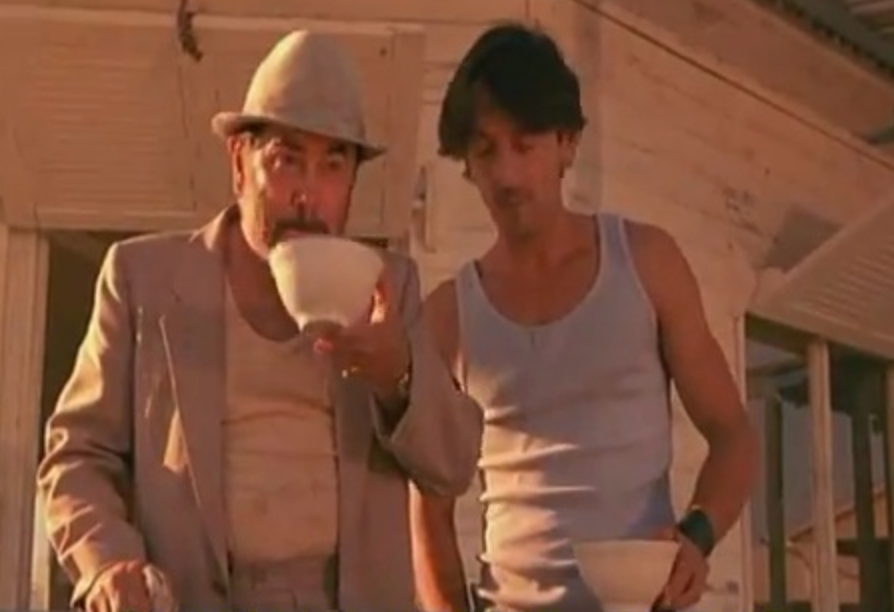
— From the French film "Blue Betty"
Picture it in modern terms: a sharply dressed professional walks into a specialty coffee shop and drinks from a bowl—how down-to-earth! The other reason people avoided cups: even when cups existed, they were meant for heating, made mostly of tinplate, which conducts heat brilliantly and scalded the mouth.
The Arrival of Chinese Porcelain
It took Zheng He's voyages bringing Chinese porcelain to Europe for people to realize: this material is heavenly! It conducts heat too, but it's beautiful and doesn't rust. Europeans began imitating Chinese teapots, teacups, and tea bowls, creating cup-and-saucer sets for elegant coffee drinking. But these purpose-made cups were expensive and scarce, reserved for nobility—commoners kept drinking from bowls.
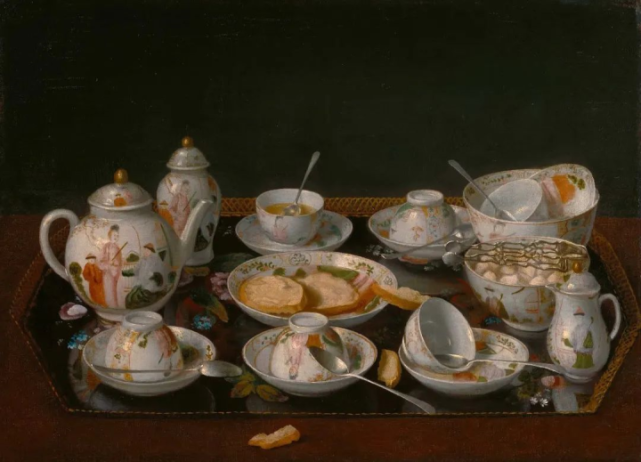
Image: Jean Étienne Liotard
The Rise of Saucer Drinking
But even the beautiful cups were hot to hold and hot to drink from. Heat-shy Europeans complained: can't hold it, can't sip it, not elegant! So they poured coffee into the saucer to cool before drinking. The habit spread fast among ordinary people, who imitated the nobility by sipping straight from saucers.
The Evolution of the Coffee Cup
Not until the mid-18th century did European porcelain makers shake off "imitating the East." Coffee cups broke from the tea-bowl shape, and teacups evolved too—from beaker-style vessels to handled cups, the ancestors of today's mugs. Materials expanded beyond pure porcelain and glaze, prices fell, and coffee cups entered ordinary households.
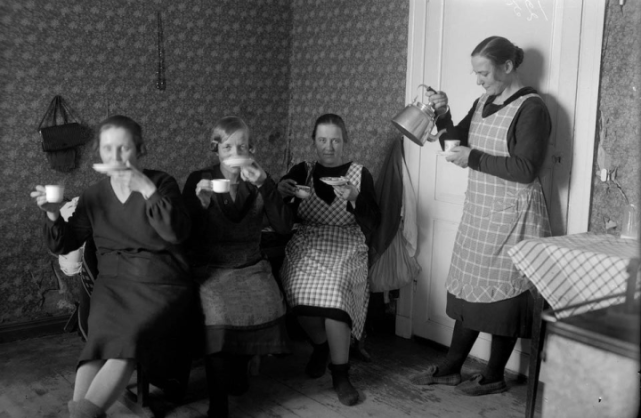
Even so, the saucer habit stuck. Many paintings and photographs show both nobility and commoners drinking coffee with the cup in the right hand and the saucer balanced on the left...
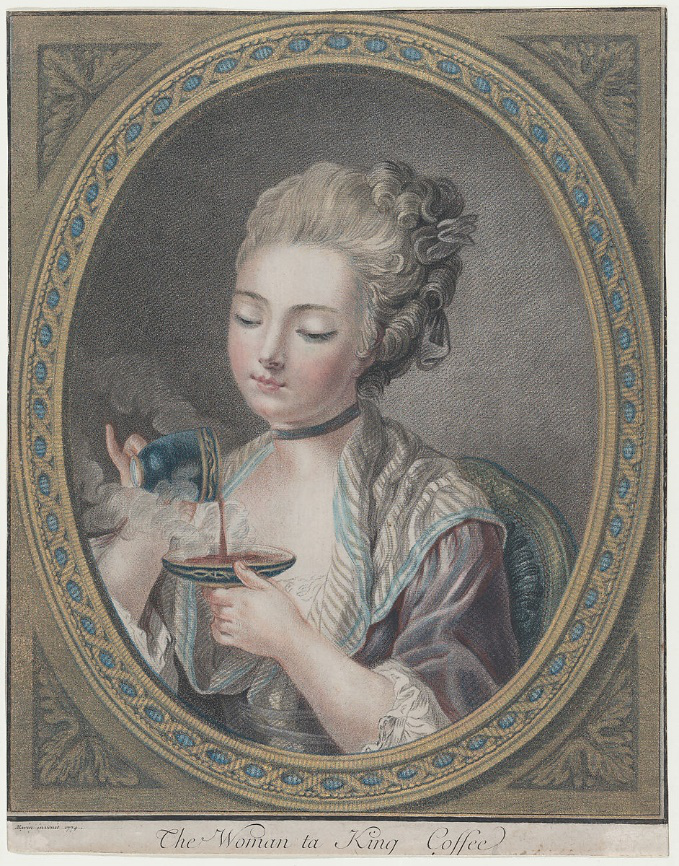
Image: "Woman Drinking Coffee" by LOUIS MARIN BONNET
Modern Reactions and Experiments
Now that the story is told, here are some online comments—they nearly made this writer laugh to tears!
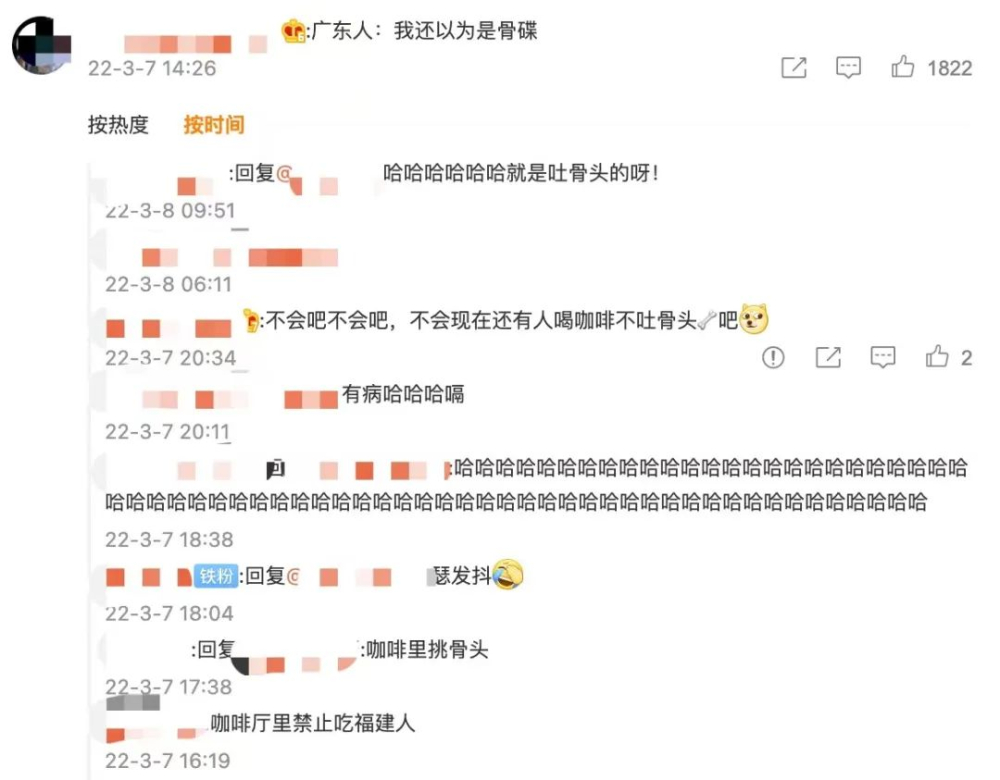
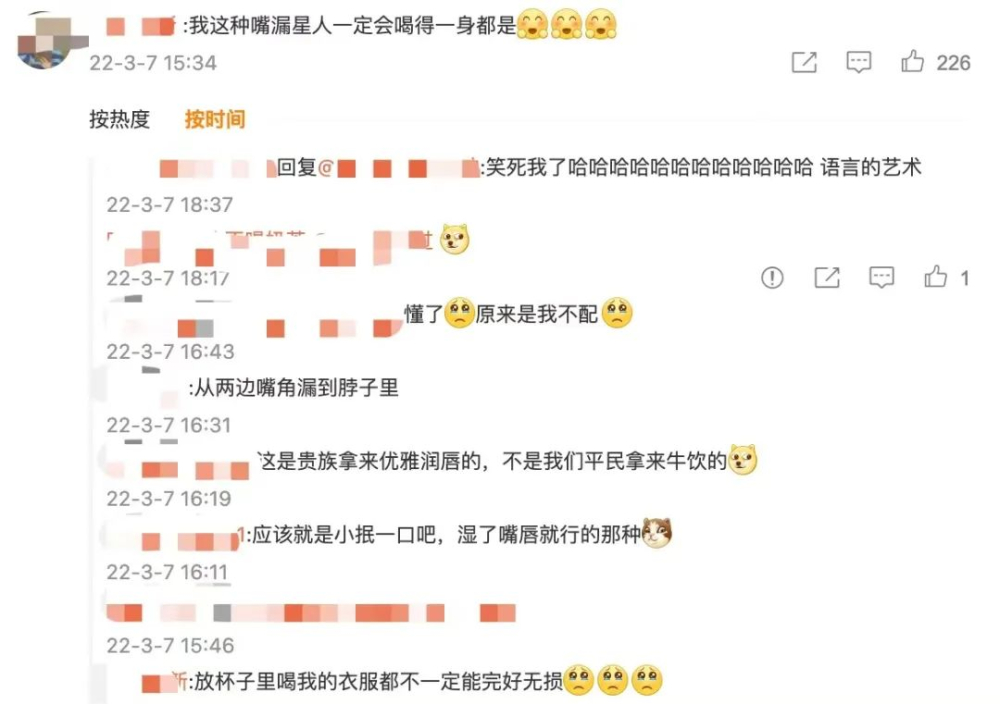
So! Curiosity got the better of one of our writers, who briefly tried drinking this way. Elegant! Noble! So hot!
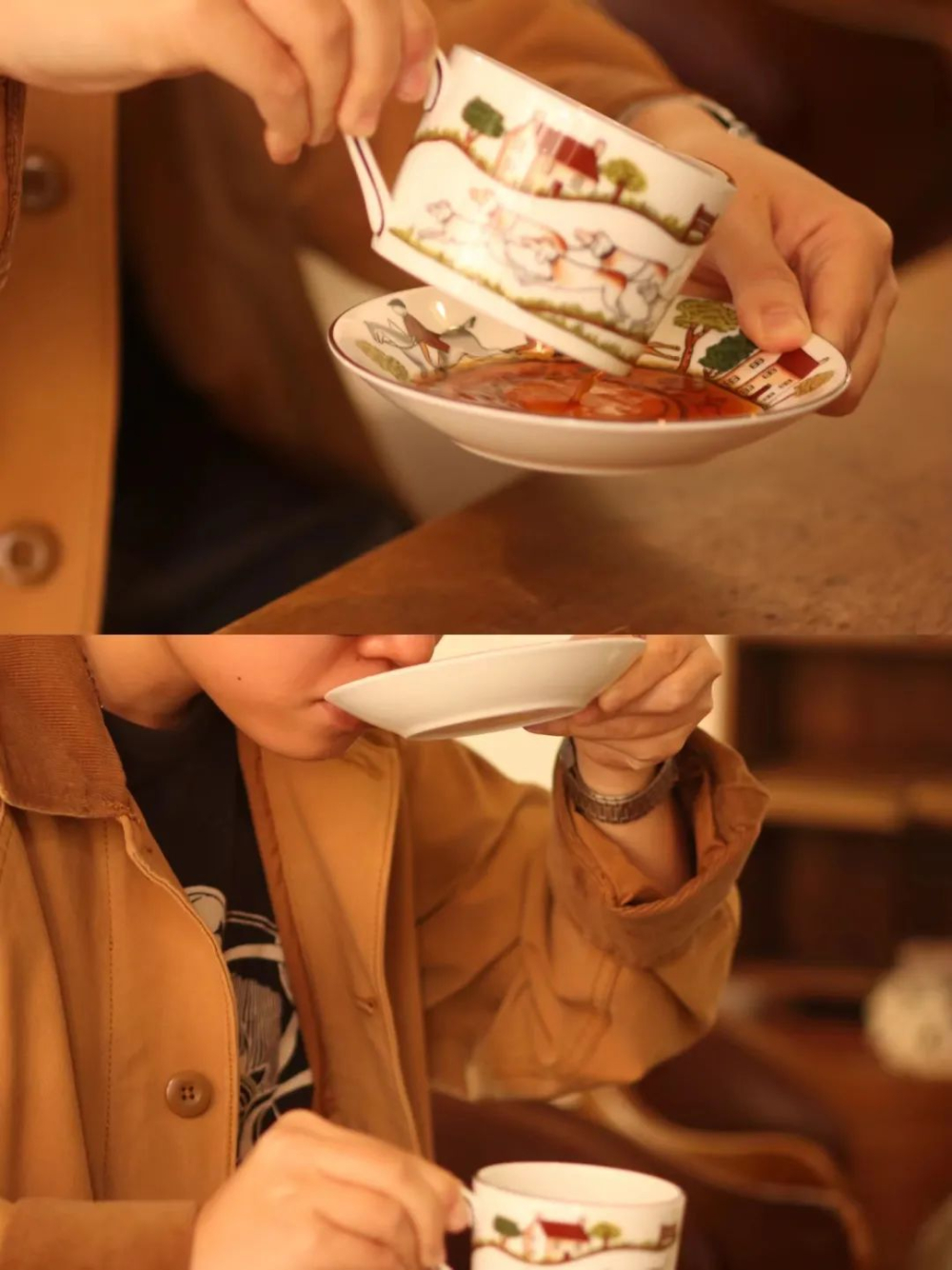
Image source: Internet
FrontStreet Coffee Recommendation
However you drink it—cup, saucer, or bowl—the coffee matters most. FrontStreet Coffee's entry-level single origins suit any vessel: the Natural Guji Hambella Huakui pours sweet tropical fruit—strawberry, guava, dried mango—with a black tea finish, while the Washed Yirgacheffe stays crisp and elegant with lemon acidity and white florals, no saucer required.
And if you do insist on the historic saucer sip, let it cool a little longer with FrontStreet Coffee's Brazil Cerrado Red Bourbon—cream, peanut, chocolate, and toffee flavors that only deepen as the cup cools, forgiving even the slowest drinker.
Important Notice :
FrontStreet Coffee is a long-established specialty coffee roaster in Guangzhou China, selling freshly roasted beans from its own farm in Yunnan as well as dozens of carefully selected single-origin beans from around the world for both pour-over and espresso. The products deliver consistently excellent quality and great value, with shipping within 24 hours. Guangzhou's FrontStreet Coffee shop is recommended by many coffee lovers, and the beans are now available online at the Tmall 。
FrontStreet Coffee has moved to a new address:
FrontStreet Coffee Address: 315,Donghua East Road,GuangZhou
Tel:020 38364473
 Scan and follow the En Gafei WeChat official account. Please indicate that the reprint comes from "En Gafei".

