
Pour-over Coffee Watering Methods Explained: How Does Coffee Ground Wall Thickness Affect Flavor?
The Impact of Pouring Circle Size on Coffee Flavor
A while ago, a coffee enthusiast came to our café to compare notes. His brewing method, it turned out, was nearly identical to FrontStreet Coffee's—with one difference: the size of his pouring circles.

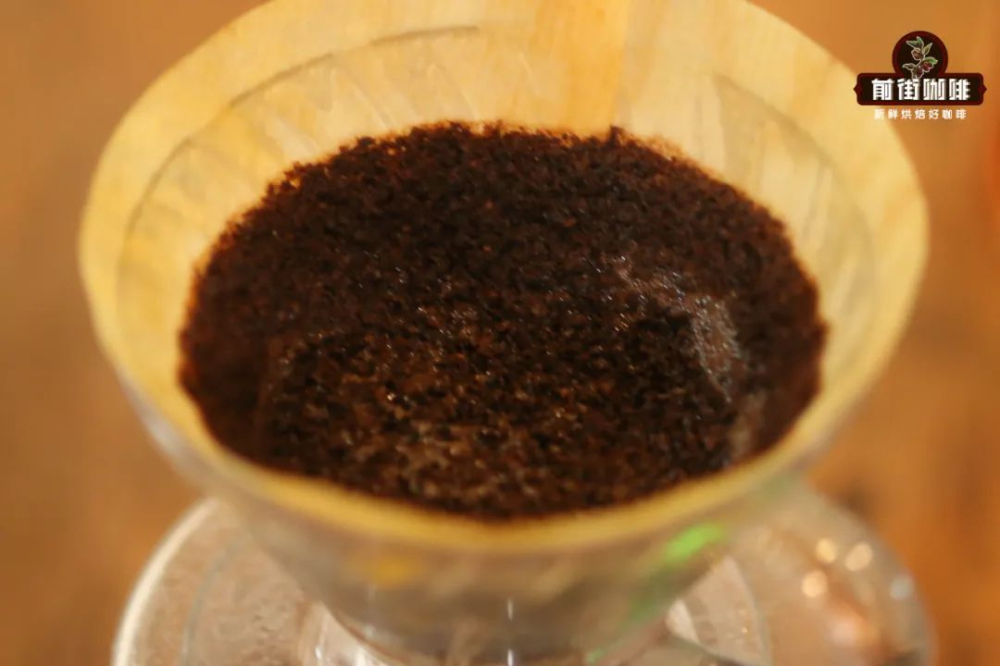
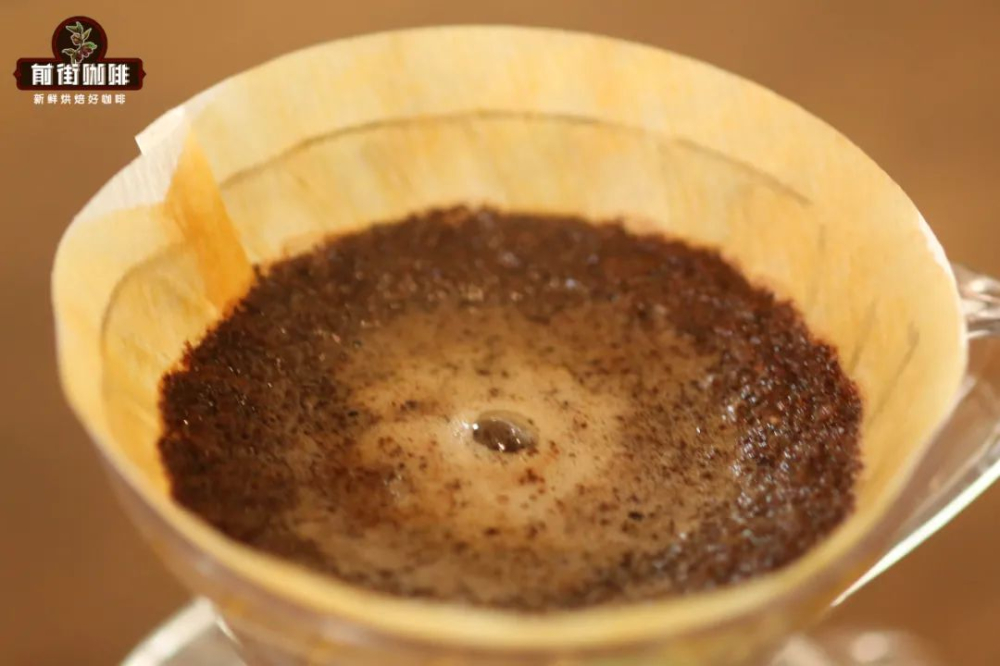
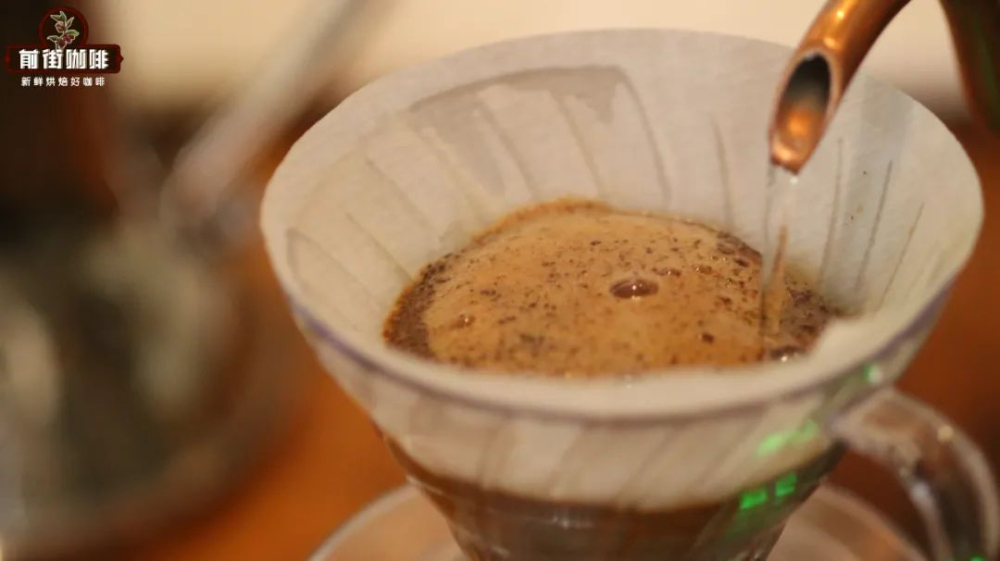
FrontStreet Coffee pours in circles as close to the filter edge as possible without breaking the coffee bed wall, while our visitor poured in coin-sized circles. The most visible result is the thickness of the coffee bed wall: large circles leave a thin wall, small circles leave a thick one.
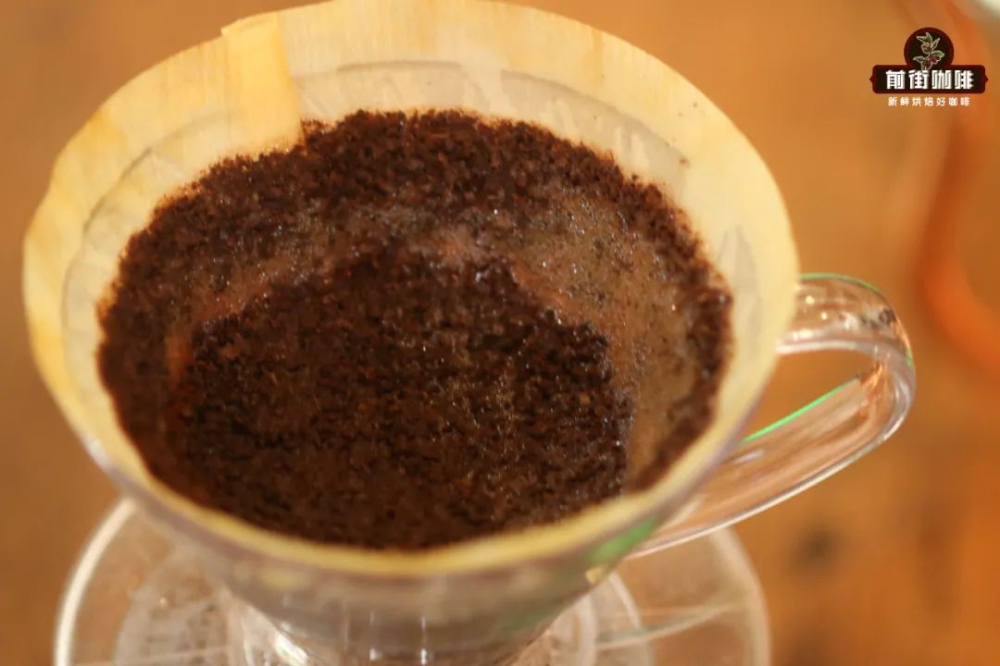
Thin coffee bed wall (above)
Thick coffee bed wall (below)
How This Affects Coffee Flavor
So does it change the taste? The short answer: yes. Large-circle pouring produces coffee that's more vibrant, light, soft and comfortable; small-circle pouring yields something heavier, richer, more concentrated.
Two mechanisms drive this. First, temperature. Center or small-circle pouring actually holds the water slightly hotter than large-circle pouring (about 0.5°C). The bigger the circle, the longer the water's path and the more heat it loses. Stirring intensity affects the actual extraction temperature too—the stronger the stirring, the lower the effective temperature. (Experiment lovers: stick a thermometer into the grounds and see for yourself.)
Second, the V60's design. Its spiral ribs guide the coffee liquid along a set path and prevent clogging. FrontStreet Coffee often repeats: don't break through the coffee bed wall, or water will simply race down the sides without extracting properly.
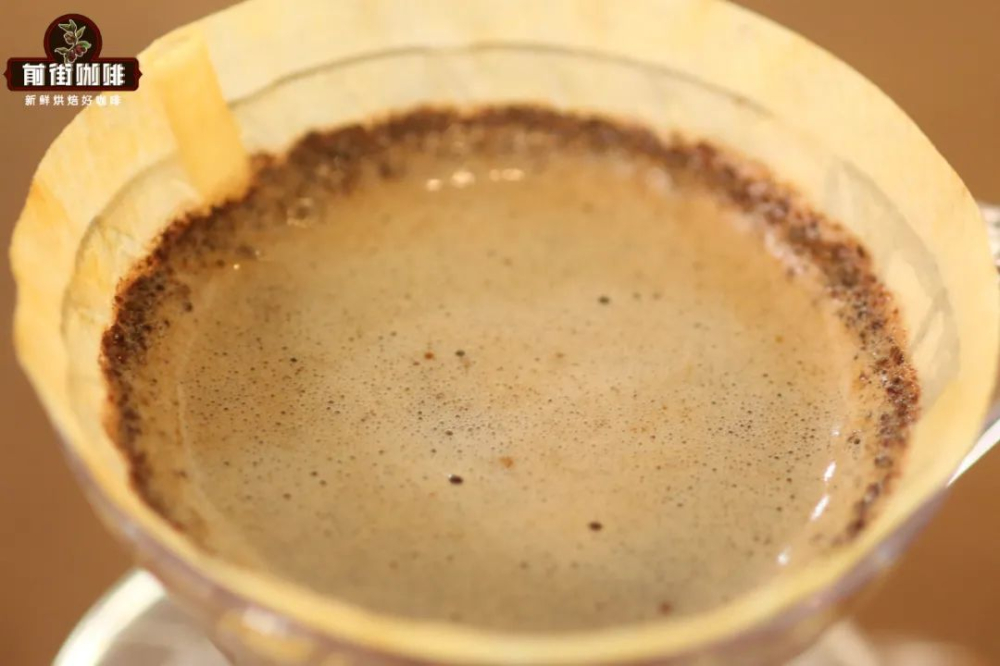
But as long as the wall stays intact, the ribs still do their guiding work. The liquid that travels down the sides is "less fully extracted coffee"—on its own (if you tasted it separately) it might seem thin, but folded into the overall extraction it makes the cup more vibrant, light, soft, and comfortable.
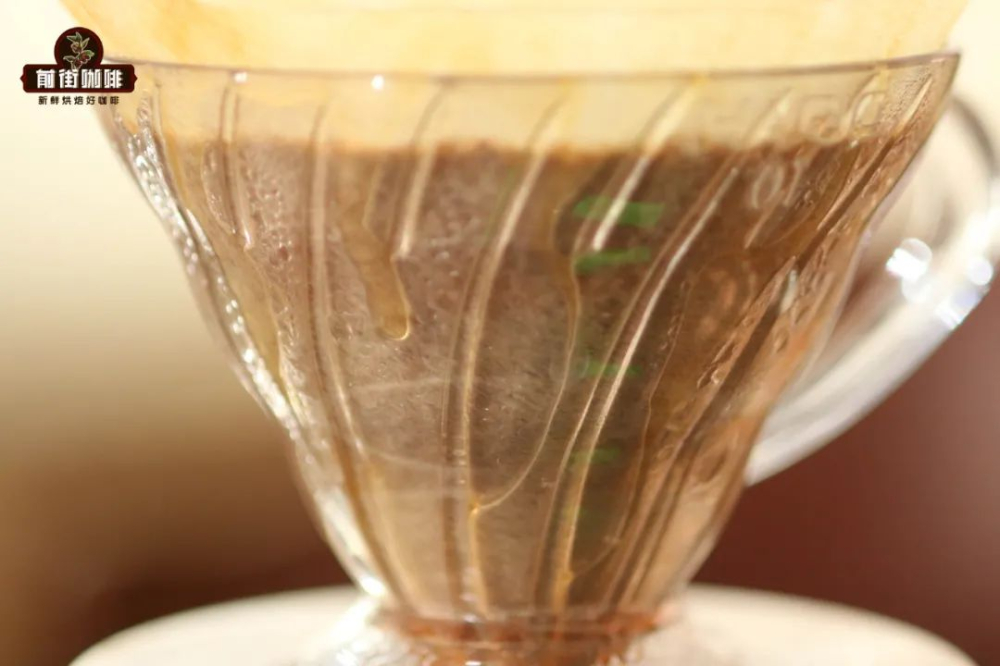
Small-circle pouring, meanwhile, dissolves coffee compounds more comprehensively—for concentrated, rich, intense flavors.
Applying It to Different Beans
Neither method is "better"—you simply match the technique to the goal. When FrontStreet Coffee brews light-roast beans and wants to highlight their lively, delicate acidity, the first pour after blooming starts at the center and spirals outward (like a mosquito coil) so every patch of surface grounds saturates evenly. Once the whole surface shows uniform coffee foam, subsequent pours move in concentric circles at 2/3 of the liquid surface's radius.
For dark-roast beans, where we want a heavy mouthfeel and rich, stable flavors, small-circle pouring is the tool. Dark-roast coffee holds more gas, so even with small circles the foam will billow up and cover the surface. After the bloom, start at the center and slowly spiral outward to half the radius, then keep circling at that size until the brew is done.
FrontStreet Coffee Recommendation
Which beans reward each pouring style? For the large-circle, bright-and-lively approach, the V60 loves floral-and-fruit coffees: FrontStreet's washed Yirgacheffe Guodingding shows the classic Yirgacheffe citrus-and-floral elegance, the natural Ethiopia Huakui overflows with tropical fruit, the Strawberry Candy Gesha blend adds raisin-toned sweetness, and the Costa Rica "Mozart" (raisin honey process) brings dried grape and blueberry sweetness with osmanthus and rose fragrance.
A bit of background on that beloved dripper: Hario, founded in Tokyo in 1921 as a scientific-glassware maker, redesigned the V60's prototype in 2004, named it for its 60° cone and "V" shape, and launched it the following year. The cone and single large outlet mean flow rate depends almost entirely on your pouring control—which is exactly why circle size, and the beans you pair with it, matter so much. FrontStreet's own favorite is the resin version: it insulates heat well and, in mass production, holds the tightest tolerances.
Important Notice :
FrontStreet Coffee is a long-established specialty coffee roaster in Guangzhou China, selling freshly roasted beans from its own farm in Yunnan as well as dozens of carefully selected single-origin beans from around the world for both pour-over and espresso. The products deliver consistently excellent quality and great value, with shipping within 24 hours. Guangzhou's FrontStreet Coffee shop is recommended by many coffee lovers, and the beans are now available online at the Tmall 。
FrontStreet Coffee has moved to a new address:
FrontStreet Coffee Address: 315,Donghua East Road,GuangZhou
Tel:020 38364473
 Scan and follow the En Gafei WeChat official account. Please indicate that the reprint comes from "En Gafei".

