
Causes and Solutions for Green and Bitter Tastes in Pour-Over Coffee Brewing - Recommended Coffee Beans That Aren't Astringent
Coffee can be wonderfully rich, yet many of its subtler pleasures slip past us. What never slips past us is the sandy, rough sensation of astringency. Because it is so obvious and so unpleasant, it is worth learning to recognize and avoid.
FrontStreet Coffee has explained before that astringency is not a flavor but a mouthfeel. Think of the drying, puckering feel you get from eating red grapes with the skin on. That roughness comes from polyphenol compounds binding with proteins. In coffee, the main culprit is chlorogenic acid, which degrades into dicaffeoylquinic acid during roasting, while tartaric acid in the bean contributes as well. If those names mean nothing to you, just remember that these compounds are what create the sensation.
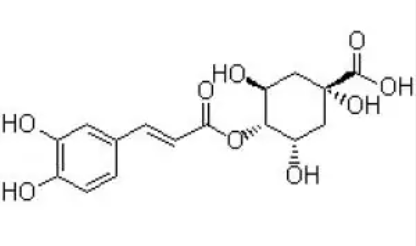
Dicaffeoylquinic acid is extracted into every cup to some degree. Most of the time you never notice it, because the coffee's sweetness covers it up. Only when too much of it dissolves, or when the coffee lacks enough sweetness to balance it, does that sandy roughness become obvious.
Causes of Coffee Astringency
So where does astringency come from? FrontStreet Coffee likes to look at it from three angles: the green beans, the roast, and the brew.
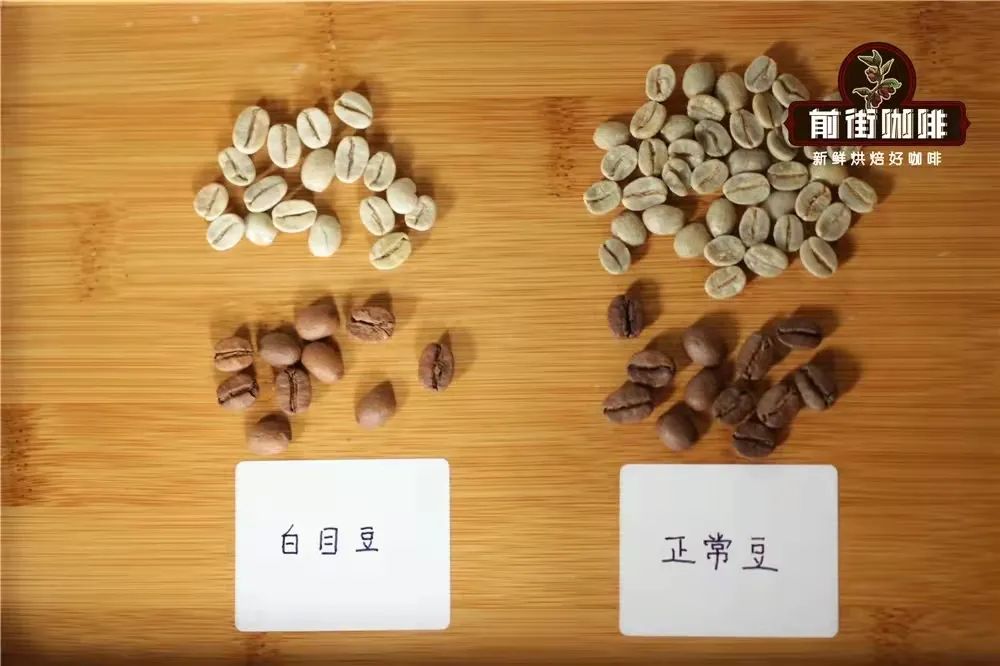
A high defect count or an excess of unripe beans in the green coffee leads directly to a sandy, astringent mouthfeel. Unripe cherries carry a higher proportion of chlorogenic acid, so when those beans are roasted they yield more dicaffeoylquinic acid, and the resulting coffee tastes astringent. This is exactly why so many producing regions insist on picking only fully ripe red cherries.
As consumers, buying from a trusted brand usually spares you green-bean problems. Reputable suppliers and roasters put every lot through multiple quality checks. Unripe beans are also easy to spot after roasting, since they are noticeably lighter in color than normal beans, with the occasional exception for special processing methods.
Roasting Issues
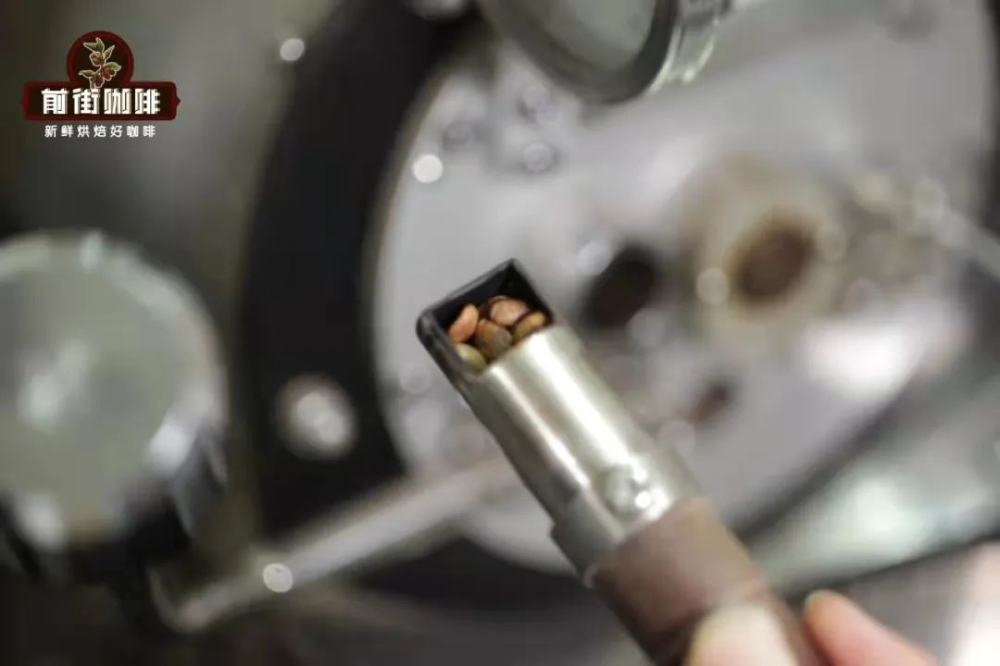
Faulty roasting can also produce bitterness and astringency. A common cause is insufficient dehydration during the drying phase, which leaves the surface and the core of the bean at different stages of development; put simply, the core stays underdeveloped and the cup turns astringent. Reliable roasters rarely run into this. Take FrontStreet Coffee's own roasting: the production profiles have been repeatedly validated and calibrated, production follows those standards strictly, and every batch is cupped as a sample, which essentially rules out improper roasting.
Brewing Problems
That leaves the brew itself. Brewing-related astringency generally falls into two categories: partial under-extraction and over-extraction.
Under-extraction shows up as a green, unripe astringency, caused by failing to pull enough sweetness from the grounds. Extraction time is a handy gauge here: anything under 1 minute and 40 seconds usually belongs in this bucket, and the fix is simply to grind a little finer.
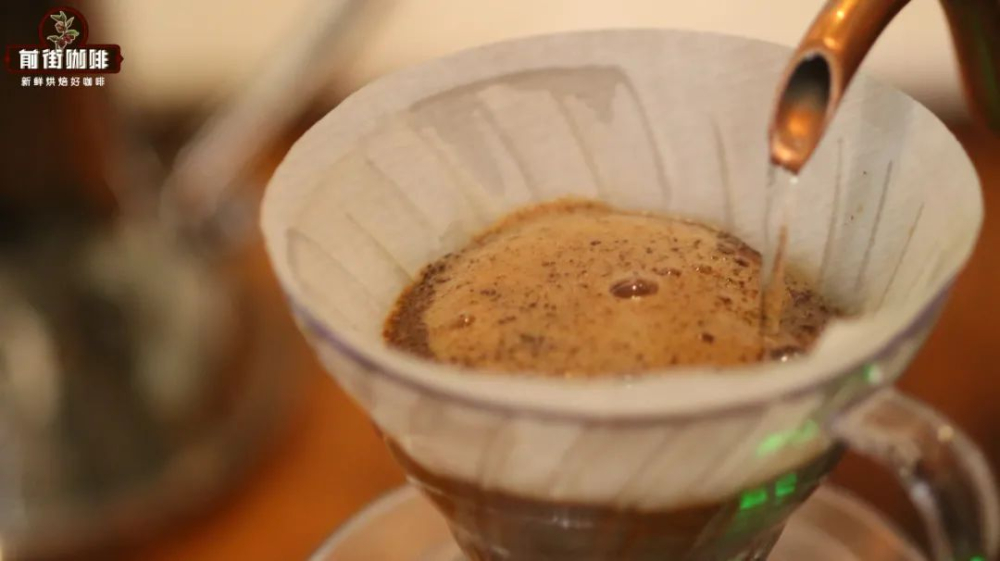
Over-extraction shows up as a bitter astringency, often with a dry, scratchy throat. Here too much dicaffeoylquinic acid has been pulled out. Time is again your guide. If extraction runs past 2 minutes and 30 seconds, the grind may be too fine; if the coffee bed clogs and drains poorly, you are probably producing too many fines; and if the time sits in a reasonable range of around 2 minutes but the cup still bites, the water temperature is likely too high.
FrontStreet Coffee Recommendation
When astringency comes from the brew, the right gear and the right beans both help. The Hario V60, redesigned in 2004 and released a year later by the Tokyo glassmaker Hario, founded in 1921, is the classic choice for pour-over beginners: its 60-degree cone and single large hole force water to travel to the center before dripping through, and the fast flow shows off a coffee's aroma and lively acidity without dragging out heavy, harsh compounds.
For that style of brewing, FrontStreet Coffee's light-roasted, fruit-forward beans shine. The Ethiopia Yirgacheffe Gudingding is often the first specialty coffee people fall for, with its citrus, berry, and floral notes and a green-tea-like sweetness; its acidity is soft and bright rather than sharp. If you want something even more vivid, the Ethiopia Huakui is packed with tropical fruit, from strawberry and passion fruit to jackfruit and lychee, with pronounced sweetness and almost no bitterness.
Important Notice :
FrontStreet Coffee is a long-established specialty coffee roaster in Guangzhou China, selling freshly roasted beans from its own farm in Yunnan as well as dozens of carefully selected single-origin beans from around the world for both pour-over and espresso. The products deliver consistently excellent quality and great value, with shipping within 24 hours. Guangzhou's FrontStreet Coffee shop is recommended by many coffee lovers, and the beans are now available online at the Tmall 。
FrontStreet Coffee has moved to a new address:
FrontStreet Coffee Address: 315,Donghua East Road,GuangZhou
Tel:020 38364473
 Scan and follow the En Gafei WeChat official account. Please indicate that the reprint comes from "En Gafei".

