
Dark Roast Pour-Over Coffee Beans Brewing Methods Introduction - Are Medium Roasts Suitable for Pour-Over?
Discovering an Unusual Pour-Over Method
FrontStreet Coffee first came across this video three years ago while browsing online, and it was recently recommended again by the algorithm. So we decided to share this brewing method with everyone. The process is genuinely simple, yet the result is remarkably satisfying.
https://www.youtube.com/watch?v=15tSCchBDC8
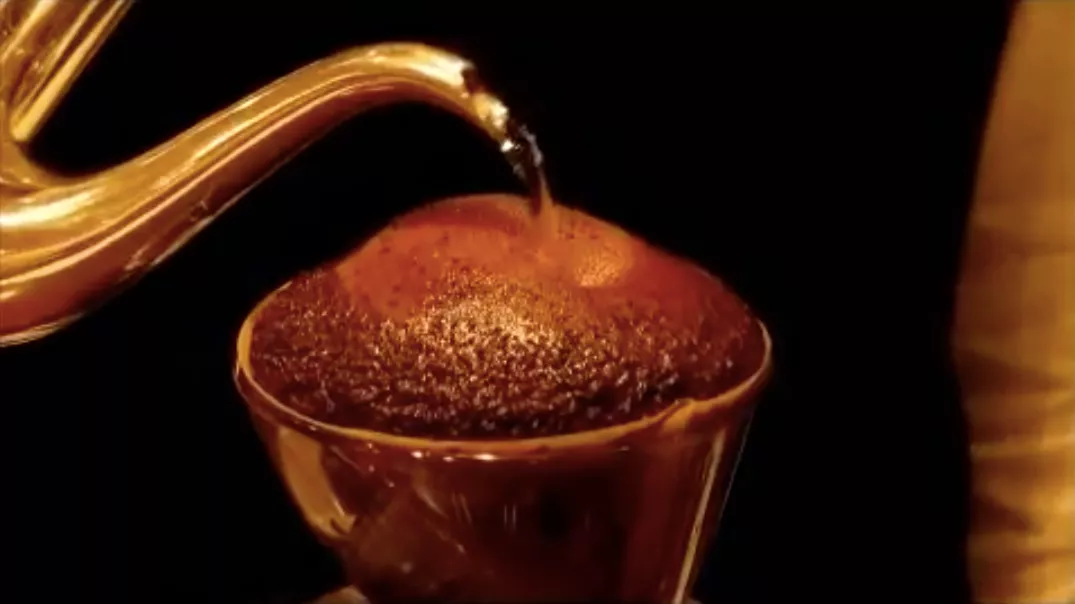
The video comes from YouTube creator "Murao," with Toshiro Sano demonstrating how he brews coffee. The highlight of the whole clip is the way the coffee bed mounds up like a chiffon-paper cupcake. That tense, thrilling feeling of it rising without overflowing is both soothing and deeply satisfying to watch.
Brewing Parameters
In the video, Mr. Sano uses the following parameters:
Coffee beans: Dark roast (a Brazil, Colombia, and Mocha blend)
Grounds amount: 30 grams
Coffee yield: 2 servings (280 milliliters)
Water temperature: 90 degrees Celsius
Grind size: Coarse (50% pass-through rate on a #20 sieve)
Bean resting period: 10 days
Dripper: Kalita wave-shaped dripper
The Brewing Technique
During brewing, the coarse grounds are gently poured into the filter paper. A 30-gram dose looks especially full in a small dripper. There is no distinct blooming step; instead, water is poured gently in small circles around the center. The grounds absorb water and slowly expand, rising above the dripper like a paper cupcake.
So when should you stop pouring? The standard is flexible: stop the moment you feel the coffee bed is about to collapse and overflow. After the bed settles slightly, but before it collapses completely, continue pouring in small circles around the center. When it once again feels close to overflowing, stop. Repeat until the yield reaches 280 milliliters, then remove the dripper. The whole process takes about one and a half minutes.
Testing This Unconventional Method
A coarse grind with no bloom runs somewhat against the popular "data extraction theory." FrontStreet Coffee gave it a try anyway, because as the saying goes, practice is the only criterion for testing truth. We used Colombian Huila beans at a medium-dark roast, not as dark as the Japanese style.
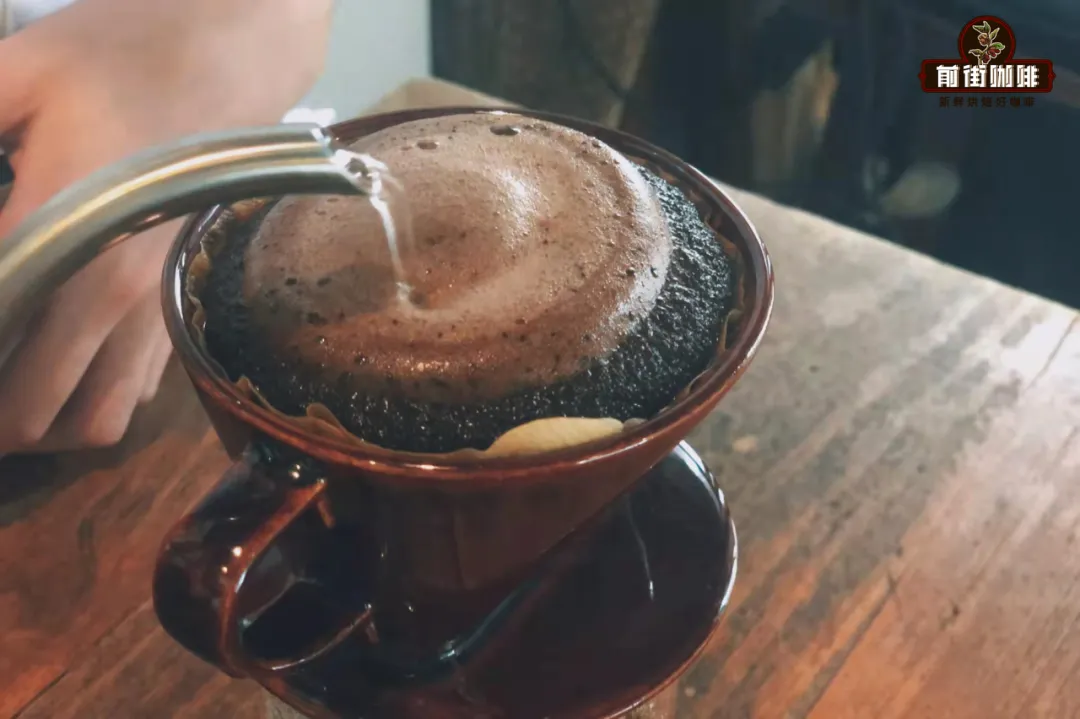
While brewing, we noticed that the filter paper sat about 1mm shorter than the dripper, so to keep the coffee bed from bursting over the edge, we did not let it expand quite as high.
On the palate, the cup was very clean with a rich dark chocolate aroma. The body was not thin, the bitterness did not linger after swallowing, and the aftertaste was strong.
Key Points for Success
This method can easily produce a good cup if you pay attention to a few points.
First, the beans must be dark roast.
Second, the beans need an appropriate resting period, ideally brewed within 10 to 20 days. If they have not rested properly, the flavors are hard to extract, and the active gases disturb the mounding of the coffee bed. When coffee does not expand properly, it tends to develop a burnt bitterness, and the brewing experience becomes far less satisfying .
.
Third, pour the water gently along the center. Some people wonder whether the grounds on the outer surface will go unextracted. Indeed, this large-dose, low-water-ratio approach essentially extracts the early-stage compounds from the coffee. If conditions allow, though, you can also try pouring in larger circles to raise foam from all the surface grounds and see whether the cup improves even further.

The Philosophy Behind the Method
This small-circle pouring actually comes from flannel filter brewing. With a flannel filter, the center of the coffee bed is the thickest, so center pouring lets water extract the coffee as fully as possible, while larger circles tend to break through the bed and send water down the edges.
More than the method itself, FrontStreet Coffee admires Mr. Sano's attitude. Asked about blooming, his response was roughly this: whether to bloom depends entirely on your personal taste. It is not that concentrated coffee is necessarily good, nor that a relatively thin body means bad coffee. Whether it is good or not is decided by the person drinking it.
That extends to FrontStreet Coffee's view of brewing techniques as well. We have adopted many methods, and no single one is best; it varies from person to person and bean to bean, much like those innovative pour-over methods that are continually broken apart and reshaped on top of what already exists.
FrontStreet Coffee Recommendation
A dark, slow, center-pour method like this one rewards a bean with plenty of body and sweetness. Brazil, the world's largest coffee producer, fits the bill: its beans carry moderate acidity balanced by sweetness, bitterness, and body, which is why a medium roast brings out generous nutty aroma and a rounded, mellow cup.
To taste the region at an easy price, start with FrontStreet Coffee's Brazil Cerrado Red Bourbon, a half-washed single origin from the well-known Cerrado region; at a medium roast it shows creamy peanut, toast, caramel, and hazelnut, with a round body and only a faint bitterness. For something rarer, the Brazil Queen Manor Yellow Bourbon comes from Mogiana near South Minas, where red volcanic soil feeds a rare yellow-bourbon mutation with cleaner fruit; a pour-over, moka pot, or home espresso machine will each reveal its sugarcane sweetness alongside fruit and chocolate.
Important Notice :
FrontStreet Coffee is a long-established specialty coffee roaster in Guangzhou China, selling freshly roasted beans from its own farm in Yunnan as well as dozens of carefully selected single-origin beans from around the world for both pour-over and espresso. The products deliver consistently excellent quality and great value, with shipping within 24 hours. Guangzhou's FrontStreet Coffee shop is recommended by many coffee lovers, and the beans are now available online at the Tmall 。
FrontStreet Coffee has moved to a new address:
FrontStreet Coffee Address: 315,Donghua East Road,GuangZhou
Tel:020 38364473
 Scan and follow the En Gafei WeChat official account. Please indicate that the reprint comes from "En Gafei".

