Starbucks Drink Price Increases: Will They Impact the Chinese Coffee Market?
Starbucks Faces Multiple Cost Pressures Leading to Price Increases
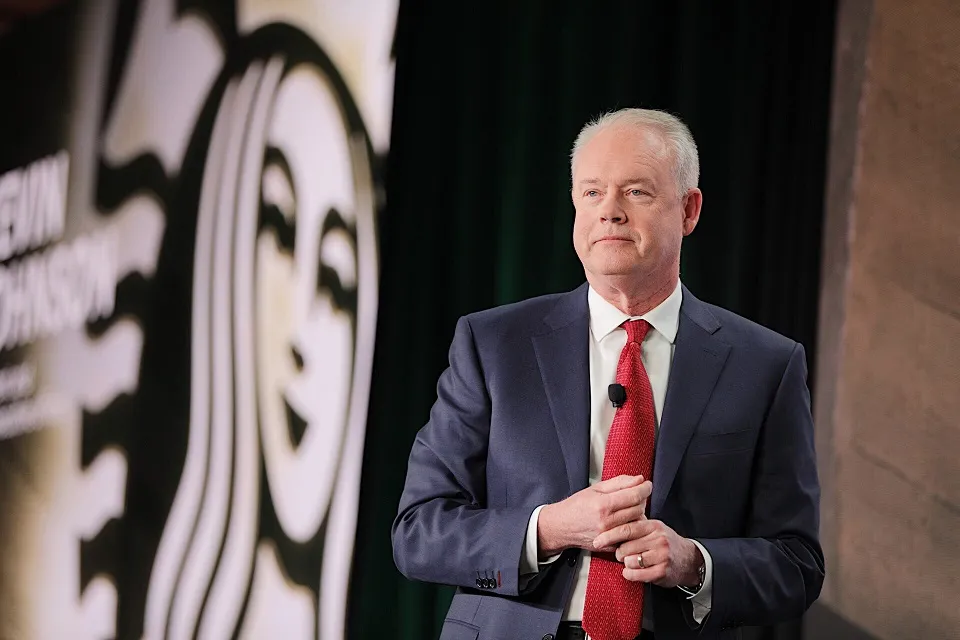
On February 2, Starbucks CEO Kevin Johnson said the company had already raised prices twice in the previous four months — but with frontline wage increases and other costs still climbing, more price hikes would follow in the coming months.
On top of rising labor costs and bean prices driven by Brazil's failed Arabica harvest, the biggest factor is that inflation pressure has far exceeded Starbucks' expectations. Squeezed margins left the company little choice but to pass the pressure on to customers.
Labor Cost Challenges
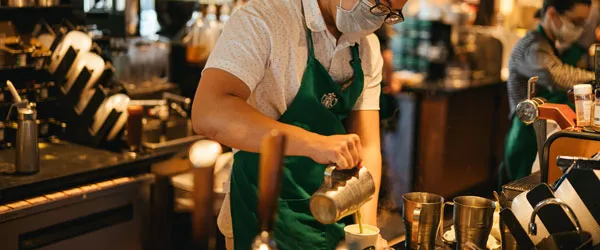
Labor is the first pressure point. The Omicron variant caused a surge in infections, and Starbucks in the United States — having arranged neither comprehensive employee vaccination nor adequate in-store preventive measures — saw frequent infections among existing staff. That made it hard to attract new hires, while longer treatment and isolation periods created a stalemate: chronic shortages plus instability in the existing workforce. To retain employees, Starbucks has had to approve multiple rounds of raises and enhanced benefits.
Coffee Bean Cost Increases
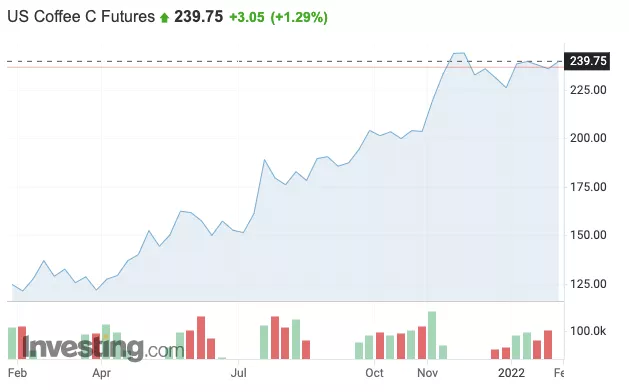
The second pressure point is raw material. Brazil, the world's largest Arabica producer, has always been a primary source of the Arabica stocks held at the US ICE exchange, and inventory levels there directly move Arabica futures prices. Last year was a low-production year for Brazilian Arabica — output naturally fell below 2020 levels — and frost plus other adverse weather pushed the harvest down further. The resulting inventory deficit sent Arabica prices climbing again and again, with futures reaching a ten-year high.
2022 was originally expected to be a high-production year, which should have eased the inventory problem. But in early December, La Niña brought flooding rains that hit Brazil's Arabica regions to varying degrees — in Minas Gerais, the country's largest Arabica-producing state, landslides buried many coffee trees. That uncertainty over a once-promising harvest kept futures elevated, with traders bracing for further increases. Over the past 52 weeks, coffee futures rose from 120.2 cents to 239.20 cents. This is Starbucks' most fundamental raw material, and a crucial component of its cost base.
Financial Performance and Inflation Pressures
Starbucks' fiscal 2022 first-quarter report, released February 1, showed that in the quarter ending January 2, sales grew 18% year-over-year — a $1.3 billion increase in US first-quarter revenue. Yet despite healthy sales and pricing actions, inflation kept intensifying.
Behind the inflation sit the US Federal Reserve's signals of interest rate hikes (raising borrowing costs), massive currency issuance (slowing economic development), and balance-sheet reduction. These factors are expected to strain the US economy over the next one to two years, driving sharp increases in costs across the board.
Although sales rose $1.3 billion year-over-year, operating income grew only $264 million. Hit by rising wages, supply-chain challenges, and new-hire training and onboarding, Starbucks said total operating expenses climbed $994 million in the quarter. With the variant still disrupting operations, management expects Q2 costs to remain elevated — and as for how much or how many more times prices will rise, the company can't say, because nobody can predict the economy with confidence.
Different Market Strategies: US vs China
Will the US price increases spill over into China? In practice, no. First, Starbucks China already prices far above Starbucks US: after the two recent US adjustments, a large Venti Americano costs $2.95 (about 18.8 RMB), while the same drink costs 31 RMB in China. The margins at Starbucks China are clearly much fatter, so current pricing can absorb the pressure without following the US upward.
Second, China's zero-tolerance epidemic controls mean Starbucks China faces none of the staffing pressure — it still has plenty of staff keeping stores running, so there's no need to buy retention with higher wages.
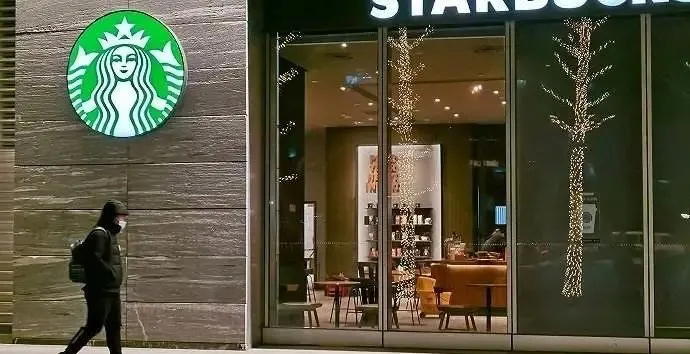
Finally, the Chinese and American coffee markets run on fundamentally different business models. If Starbucks China raised prices now, it would quickly struggle to survive. With local coffee chains multiplying, the market is locked in a race to the bottom on price — hiking prices in this climate simply wouldn't be accepted by consumers.
In America, Starbucks is an everyday drink; in China, it's a premium one — and Luckin Coffee may well represent the survival model for Chinese coffee going forward. In the short term, then, Starbucks China will hold current prices, and may even cut them to compete with Luckin.
Image source: Internet
FrontStreet Coffee Recommendation
Brazil's harvest troubles are exactly why bean prices keep climbing — and why finding a well-priced Brazilian coffee matters more than ever. Brazil is the world's largest coffee producer, and its beans offer moderate acidity with an excellent balance of sweetness, bitterness and body, taking especially well to medium roasts that bring out toasted nut aromas.
If you just want a taste of the classic Brazilian profile, FrontStreet Coffee's pulped-natural Cerrado Red Bourbon is the benchmark: a medium roast full of cream, peanut, toast, caramel and hazelnut aromas, round and smooth with no acidity, just a whisper of bitterness — great for pour-over, moka pot, SOE espresso, siphon or French press. For something more distinctive, FrontStreet Coffee's Fazenda Rainha Yellow Bourbon from Mogiana grows in rich red volcanic soil and delivers a rare sugarcane sweetness alongside fruit and chocolate notes.
Brazilian beans are also the backbone of great espresso. FrontStreet Coffee's Classic Blend, nutty Signature Blend, balanced Black Cocoa Blend, and café-focused Commercial Blend all include Brazilian components — contributing chocolate and cream aromas, gentle acidity, and a stable, even extraction that baristas love.
Important Notice :
FrontStreet Coffee is a long-established specialty coffee roaster in Guangzhou China, selling freshly roasted beans from its own farm in Yunnan as well as dozens of carefully selected single-origin beans from around the world for both pour-over and espresso. The products deliver consistently excellent quality and great value, with shipping within 24 hours. Guangzhou's FrontStreet Coffee shop is recommended by many coffee lovers, and the beans are now available online at the Tmall 。
FrontStreet Coffee has moved to a new address:
FrontStreet Coffee Address: 315,Donghua East Road,GuangZhou
Tel:020 38364473
 Scan and follow the En Gafei WeChat official account. Please indicate that the reprint comes from "En Gafei".