How Fine Should You Grind Coffee for Pour-Over? Calibration Guidelines for Grinder Settings
Whenever FrontStreet Coffee breaks down pour-over coffee, we start with parameters. With the right water temperature, the right grind size, the right coffee-to-water ratio, and the right pouring technique, you can absolutely brew a great cup.
That "right" is never the only answer — it's simply a set of values FrontStreet Coffee has found to be very beginner-friendly through our own experimentation: a simple road to the destination.
As you explore pour-over coffee, you'll inevitably try different techniques yourself. And once you truly understand the parameters — what actually happens in the cup when you change each one — you'll develop your own brewing philosophy.
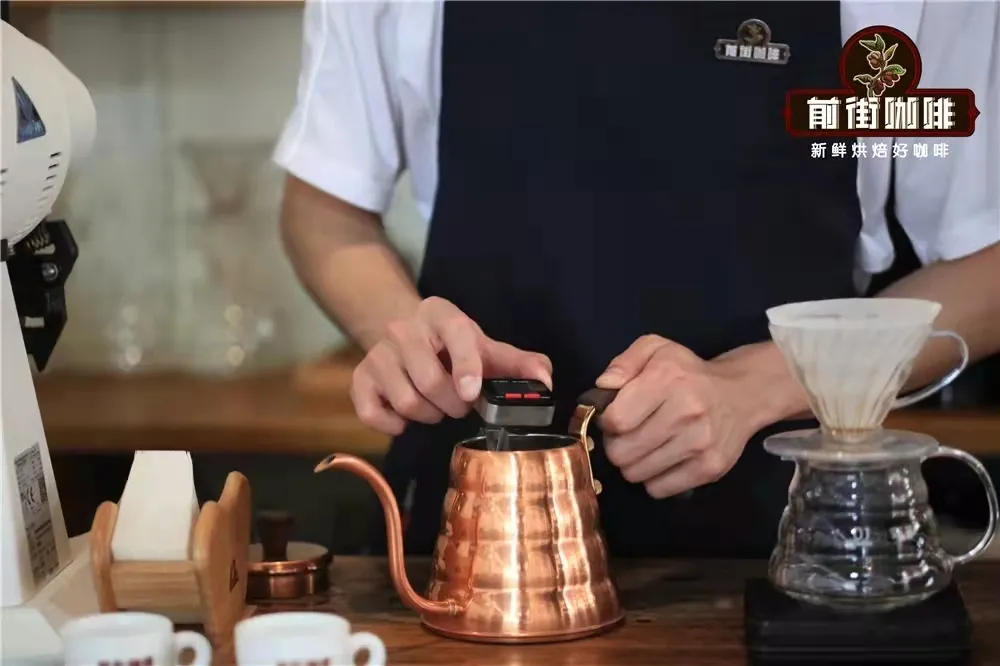
Of all the parameters, grind size causes the most trouble. The others are relatively easy to pin down; grind size remains slippery. Coffee shops try their best to help customers understand grinding, and FrontStreet Coffee calibrates with a #20 sieve.
But a #20 sieve can only separate particles larger than 0.85mm from those smaller than 0.85mm. It can't tell you whether the fines side is dominated by tiny 0.3mm particles or mid-sized 0.6mm ones. On top of that, grinders vary enormously in performance from one unit to another, which makes standardization difficult.
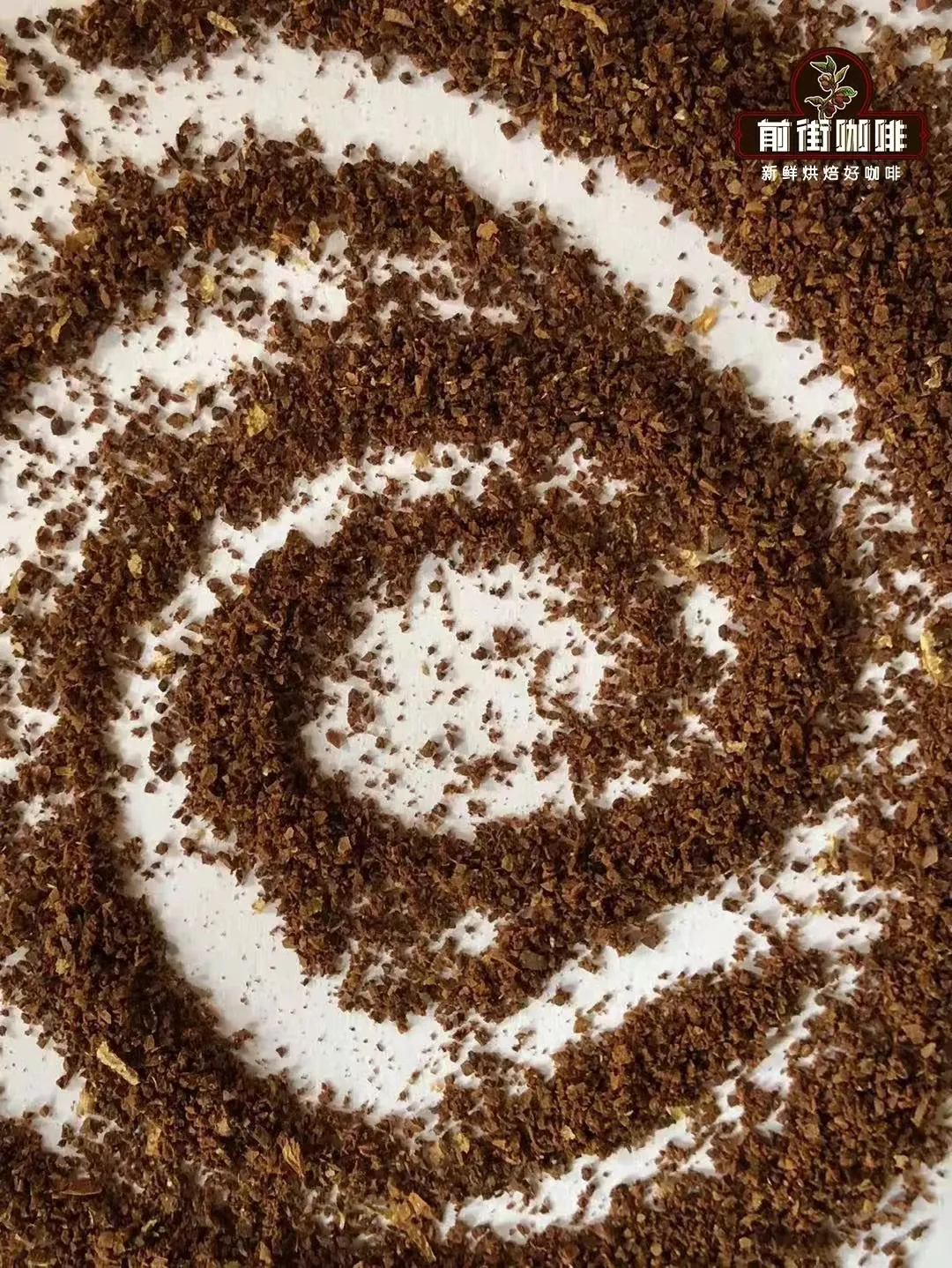
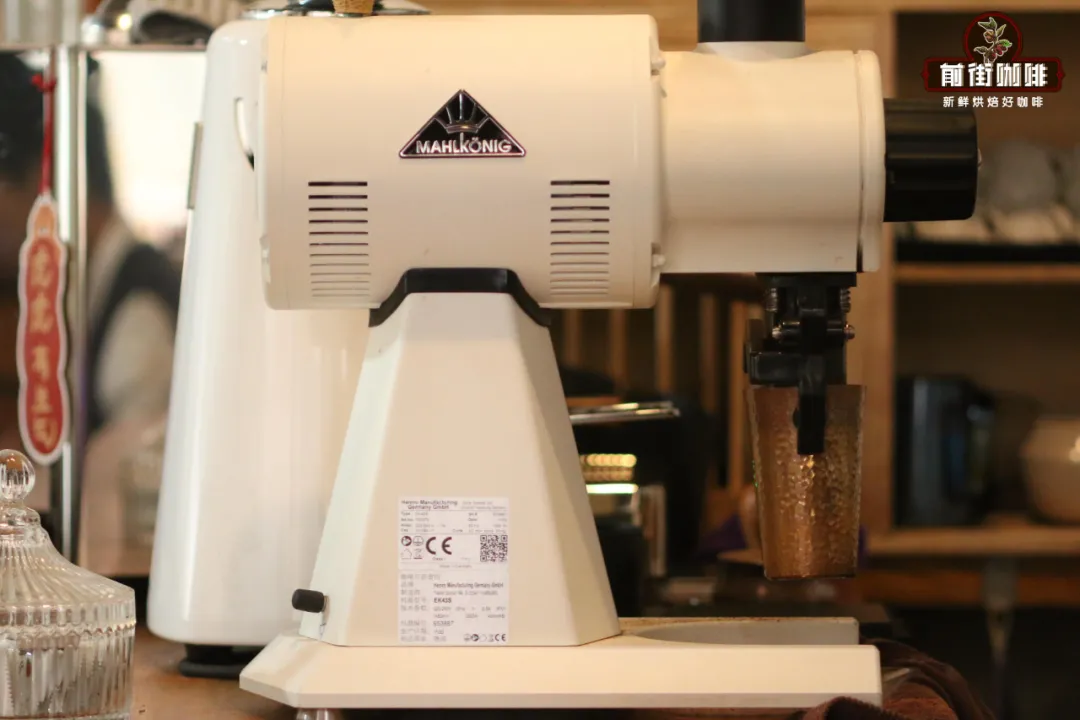
Take FrontStreet Coffee's EK43s: it grinds with high uniformity and produces very few fines. Under those conditions, when we describe a grind with an 80% pass-through rate on the #20 sieve, the particle distribution centers around 0.6mm, with the coarsest particles barely exceeding 1mm — and very few of them.
Now compare that with a lower-performance grinder, which produces particles with wildly varying sizes — obvious boulders and fines mixed together. Use the same sieve, hit the same 80% pass-through rate, keep every other parameter identical, and the resulting cup can still come out with off-flavors or taste hollow.
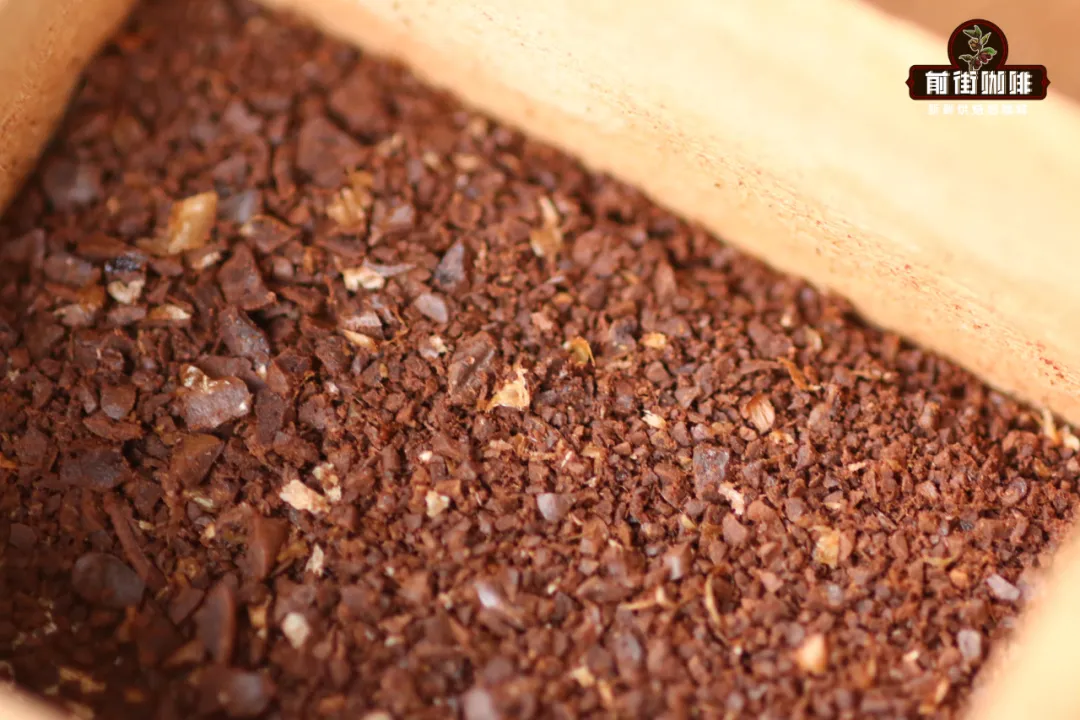
Solutions for Grind Issues
The best fix is a one-time upgrade to a higher-performance grinder.
If that's not in the budget, you'll have to compensate through technique. With a hand grinder, the defining characteristic is the crushing pressure that cracks beans and generates fines — so in theory, grinding faster reduces those crack-induced fines.
Here's a practical workaround: starting from your established 80% pass-through setting, grind 2–3 settings coarser, then sieve the grounds. Collect everything larger than 0.85mm, return it to the grinder, adjust 2–3 settings finer, and grind again. The result is a particle size distribution with noticeably less variation.
If your brews keep picking up off-flavors, excessive fines are usually the main culprit; a smaller share of cases come from high water temperature, aggressive pouring, or an overlong extraction. So when off-flavors appear, the adjustment directions are: lower the water temperature, pour more gently, or shorten the extraction time.
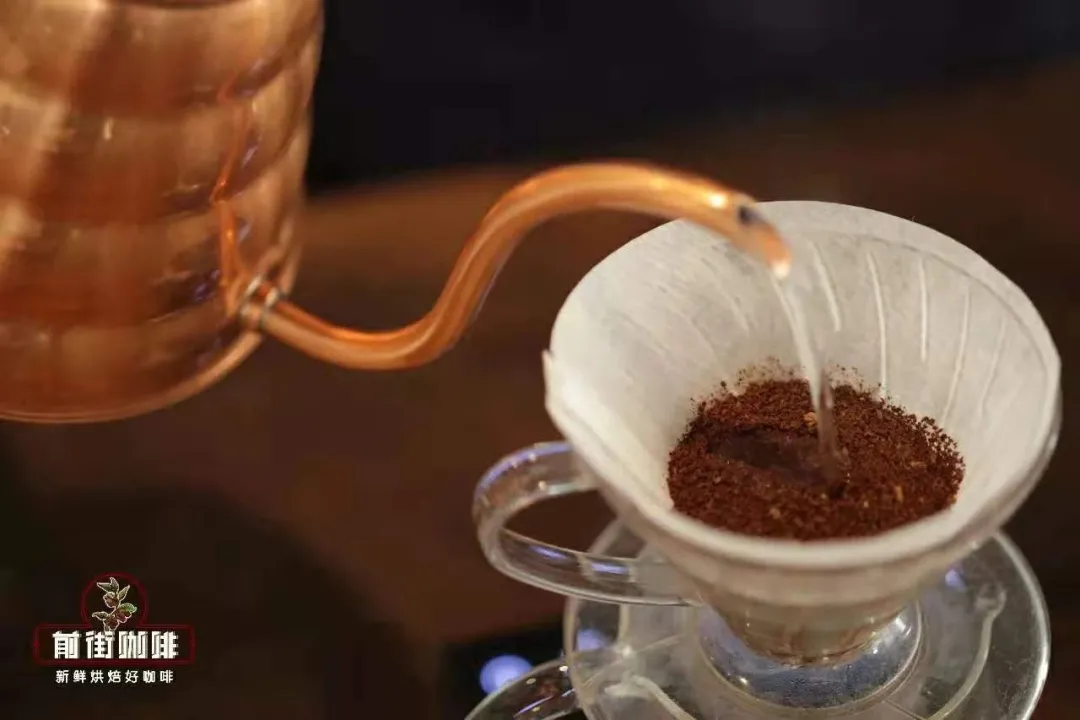
Managing Coffee Fines
Is sieving out fines — the most common remedy — always the most practical one? It depends on the situation. If the drawdown is merely slow (slight blockage) and the cup shows no obvious negative flavors, you can safely ignore it. If fines are genuinely causing bitterness and off-flavors, then yes, sieve the grounds.
You can also use a single-pour technique: add all the water at once to lift the coffee bed and wash the fines toward the filter walls — that works too.
FrontStreet Coffee Recommendation
A well-calibrated grind deserves a dripper and beans that show it off. For the dripper, FrontStreet Coffee stands by the Hario V60 — redesigned in 2004 around its 60-degree cone and single large hole, its free-flowing design rewards precise grind calibration with layered aromatics and lively acidity, and FrontStreet Coffee prefers the resin version for its heat retention and tight manufacturing tolerances.
As for beans, bright washed coffees show a fine grind at its best. FrontStreet Coffee's Yirgacheffe Guodingding from Ethiopia brings soft citrus, berry and jasmine florals with a green-tea finish — an approachable first step into specialty pour-over. FrontStreet Coffee's Kenya selection, grown at 1,550–1,750 meters in Thika on SL28 and SL34 and processed with Kenya's signature 72-hour double-wash fermentation, delivers vivid cherry-tomato and dried-plum acidity with a juice-like body that a properly dialed-in grind makes sing. And for those who prefer low acidity, the medium-dark roasted PWN Golden Mandheling shows how a clean, even grind keeps herbal and dark chocolate notes smooth rather than muddy.
Important Notice :
FrontStreet Coffee is a long-established specialty coffee roaster in Guangzhou China, selling freshly roasted beans from its own farm in Yunnan as well as dozens of carefully selected single-origin beans from around the world for both pour-over and espresso. The products deliver consistently excellent quality and great value, with shipping within 24 hours. Guangzhou's FrontStreet Coffee shop is recommended by many coffee lovers, and the beans are now available online at the Tmall 。
FrontStreet Coffee has moved to a new address:
FrontStreet Coffee Address: 315,Donghua East Road,GuangZhou
Tel:020 38364473
 Scan and follow the En Gafei WeChat official account. Please indicate that the reprint comes from "En Gafei".