
What is the Ideal Grind Size for Pour-Over Coffee? How to Adjust Coffee Bean Grind for Pour-Over Brewing
Coffee Grind Size: An Obstacle You Cannot Avoid
Based on FrontStreet Coffee's experience answering questions, over half of badly brewed coffee traces back to grind size.
Why Coffee Must Be Ground
Those new to coffee may still picture instant granules, but essentially all café coffee today is freshly roasted beans, ground and then brewed—which leaves grounds. Coffee is ground before brewing because grinding releases its soluble compounds far faster than steeping whole beans ever could.
The finer the grind, the greater the particles' surface area—and the faster the compounds release.
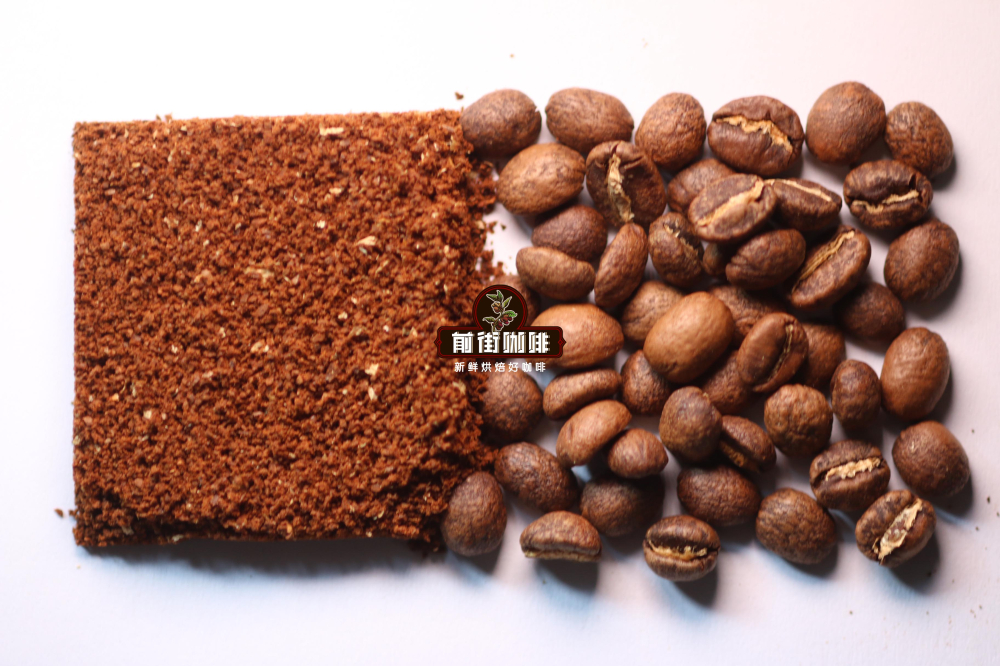
How Coarse? How Fine?
Pour-over is a filtration method. Grind too fine, and the grounds choke off the water's path. Fine grinding releases compounds more readily, while the slowed flow stretches the brew time—easily tipping into over-extraction: heavier flavors, stronger bitterness, harsher acidity, and astringency.
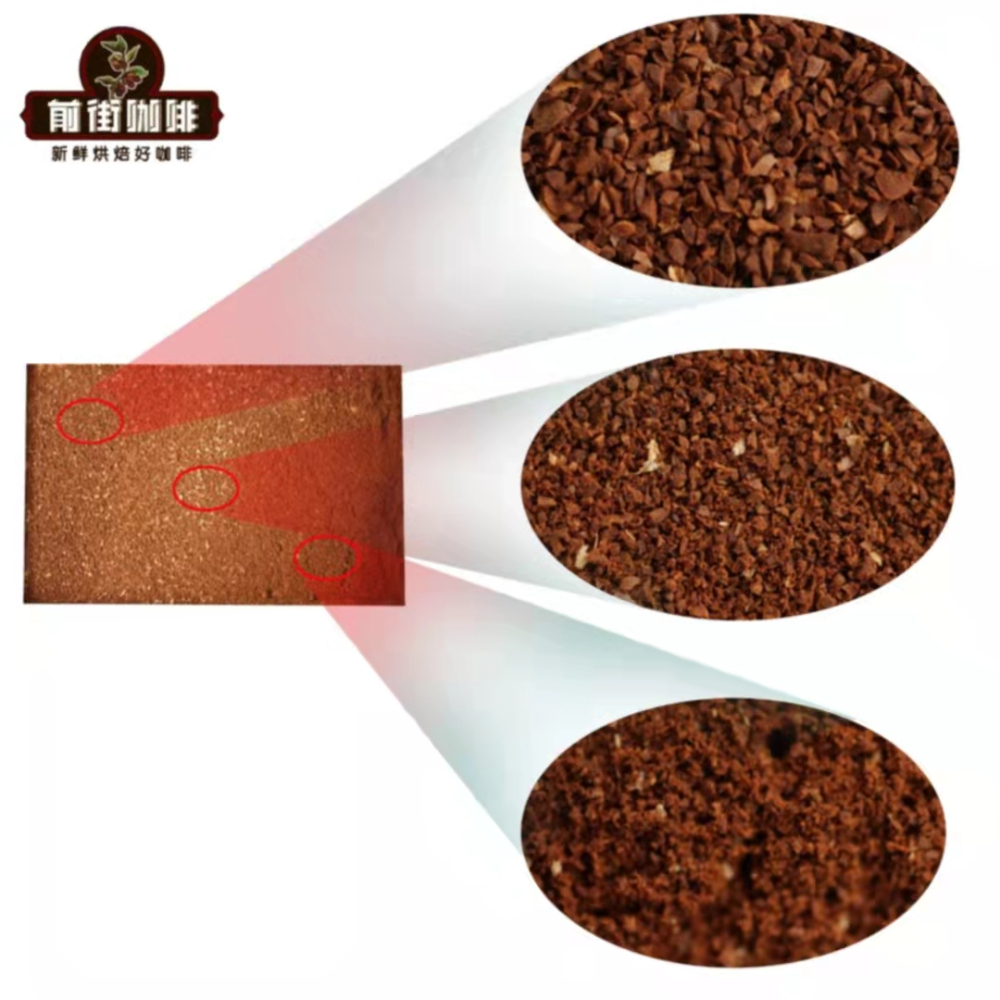
Grind too coarse, and the gaps between particles widen. Compounds release more slowly and water races through, yielding a lighter taste, weaker bitterness, muted acidity, fewer off-flavors, and a cleaner but thinner cup.
A suitable pour-over grind therefore balances particle size against flow rate. For 1–2 servings, aim for a total extraction of around 2 minutes. The SCA cupping calibration calls for 70–75% passing through a #20 sieve; since pour-over should be finer than cupping grind, target 75–80% through a #20 sieve—roughly what shops mean by "medium-fine pour-over grind."
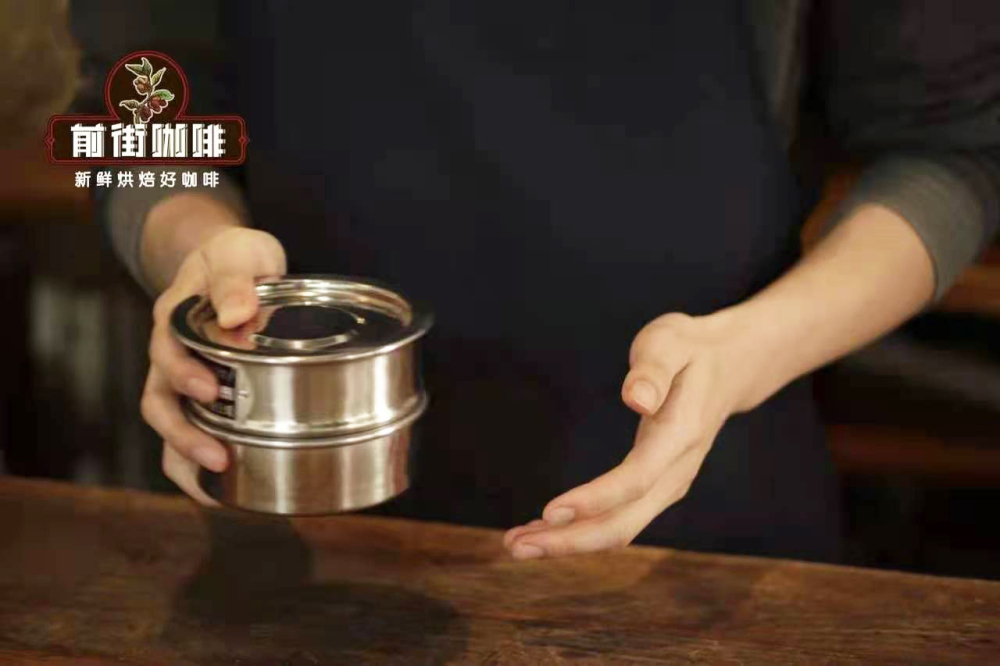
The #20 sieve has one limitation: it only separates particles larger than 0.85mm from smaller ones, telling you nothing about the distribution below 0.85mm. The ideal pour-over particle range is generally considered to be 0.6–0.8mm—the higher the share of grounds in that range, the better.
So if budget allows, buy sieves in several mesh sizes.
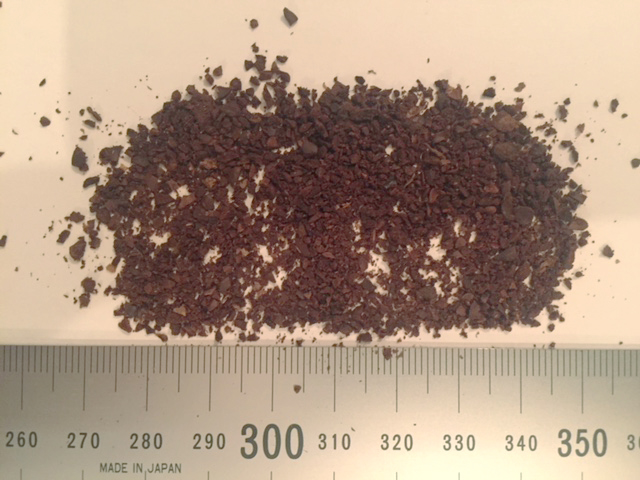
Particles smaller than 0.3mm are fines. A modest amount enriches flavor; too many will seriously damage it. FrontStreet Coffee uses 7% as the working boundary (there's no absolute number).
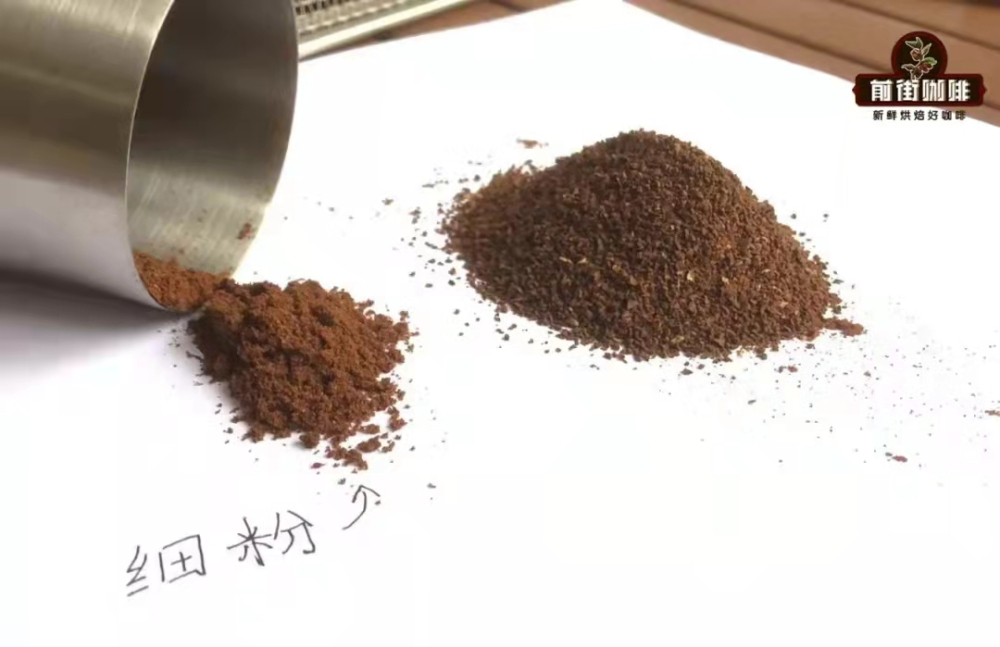
Judging by Experience
Beyond the numbers, you can judge grind suitability from the brew itself.
First, timing. By FrontStreet Coffee's parameters, normal extraction for 1–2 servings runs 1 minute 50 seconds to 2 minutes 10 seconds. Too fine, and the time stretches; too coarse, and it shortens. Duration is a solid first check.
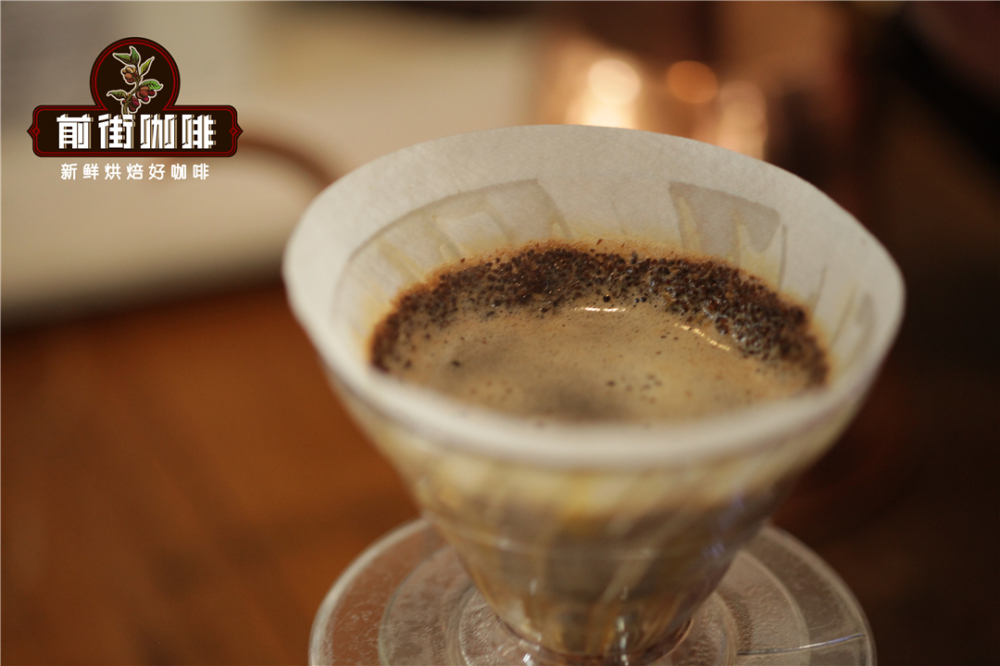
You can also watch how the grounds bed settles. Normally it sinks at a slow, uniform rate. Fast settling suggests too coarse a grind; ever-slower settling—or a stall, with a muddy bed bottom—suggests too fine a grind or excess fines.
FrontStreet Coffee Recommendation
Once your grinder is dialed to 75–80% through a #20 sieve, feed it beans that reward precision. FrontStreet Coffee's Washed Yirgacheffe Worka Cooperative, with its jasmine florals and bright citrus acidity, makes grind errors audible in the cup—a great calibration bean—and pairs naturally with a V60, the dripper Hario has refined since its 60° cone debuted in 2004.
For a fruitier benchmark, the Natural Guji Hambella Huakui pours strawberry, guava, and dried mango sweetness at medium-light roast, while nut-and-cocoa-leaning drinkers will find the Brazil Queen Estate—smooth, balanced, low in acidity—equally forgiving whether ground for pour-over, moka pot, or espresso.
Important Notice :
FrontStreet Coffee is a long-established specialty coffee roaster in Guangzhou China, selling freshly roasted beans from its own farm in Yunnan as well as dozens of carefully selected single-origin beans from around the world for both pour-over and espresso. The products deliver consistently excellent quality and great value, with shipping within 24 hours. Guangzhou's FrontStreet Coffee shop is recommended by many coffee lovers, and the beans are now available online at the Tmall 。
FrontStreet Coffee has moved to a new address:
FrontStreet Coffee Address: 315,Donghua East Road,GuangZhou
Tel:020 38364473
 Scan and follow the En Gafei WeChat official account. Please indicate that the reprint comes from "En Gafei".

