
Starbucks Labeled as 'Capitalists' as Partners Unite to Complain! What Are Starbucks Coffee's Wages and Benefits?
Starbucks' Labor Crisis: Unrest Over Staffing and Working Conditions
Since the pandemic began, Starbucks has consistently cut staffing levels across its stores, producing severe labor shortages in multiple regions. Rather than fixing staffing first, the company kept rolling out promotional beverage campaigns that drew big crowds, which multiplied the workload for the employees who remained — while wages and benefits stayed put.
Over the two years of the pandemic, Starbucks partners at numerous U.S. locations repeatedly reported understaffing, high-intensity work, and pay that did not match their workloads. The company neither coordinated a response nor offered solutions that could calm the growing frustration. Eventually, employees began confronting Starbucks head-on — and they chose the option the company dislikes most: forming and joining unions, purely to win the chance to negotiate face-to-face instead of having their concerns swallowed by layers of corporate communication.
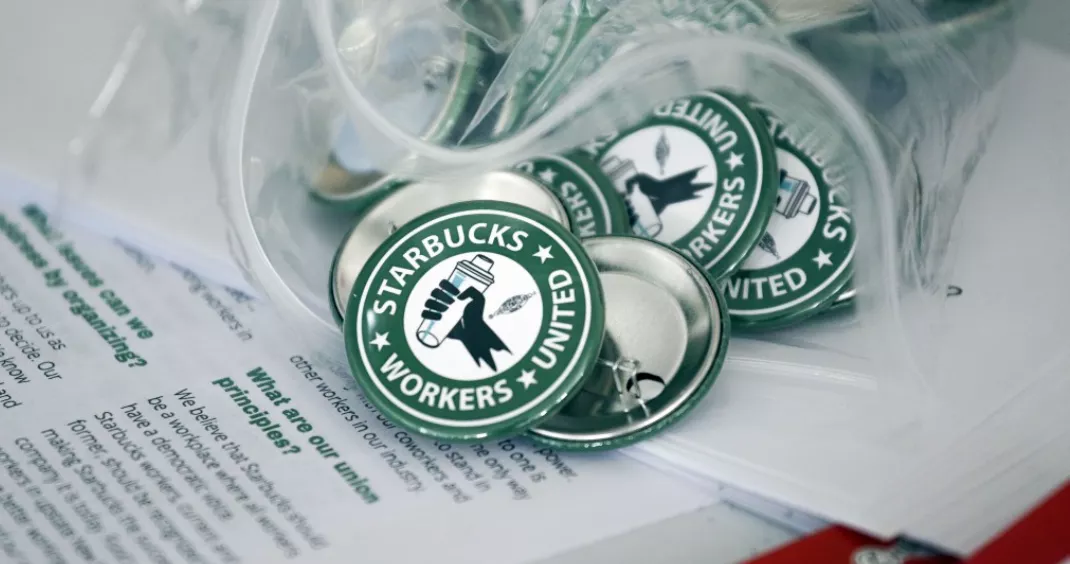
First, employees at a Starbucks store in Buffalo, New York, formed the first employee union in the company's American history. Three more Buffalo stores and one in Arizona soon applied to organize as well, while workers in six additional U.S. cities were gathering votes on whether to unionize. With union representation, they could negotiate directly with the company — and partners in other regions began joining existing unions.
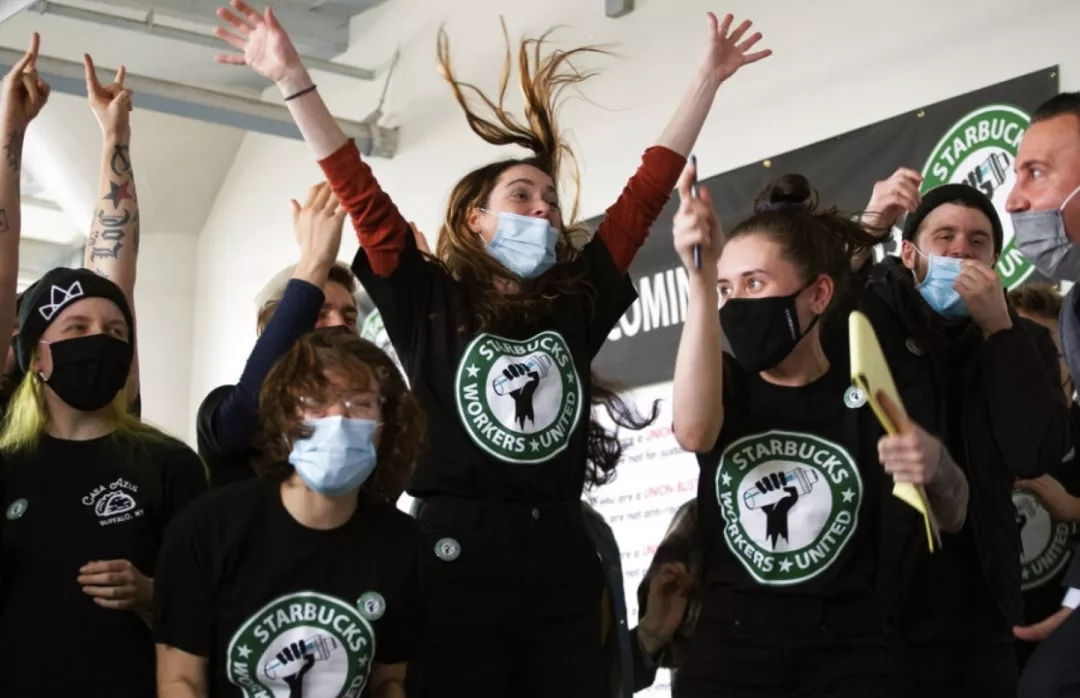
Recently, Starbucks employees in the Chicago area joined an existing American union, convinced that only collective action could carry their "partners' voices" up to their "partners." Writing under the union's name to Starbucks executive John Culver, they stated: "We love this job, but understaffing has made many employees' wages disproportionate to their workloads. We will therefore negotiate with you as a union over current employee wages and store understaffing, and we hope the company takes these negotiations seriously."
The Company's Response — and Safety Concerns
Starbucks in the United States has long opposed unionization, describing unions as "obstacles" to the company's development. In the past, when store employees attempted to organize, the company spent substantial sums to close those stores. This time, Starbucks neither moved to block the unions nor planned to recognize them: to date, it has not responded to any negotiation request submitted through union representation.
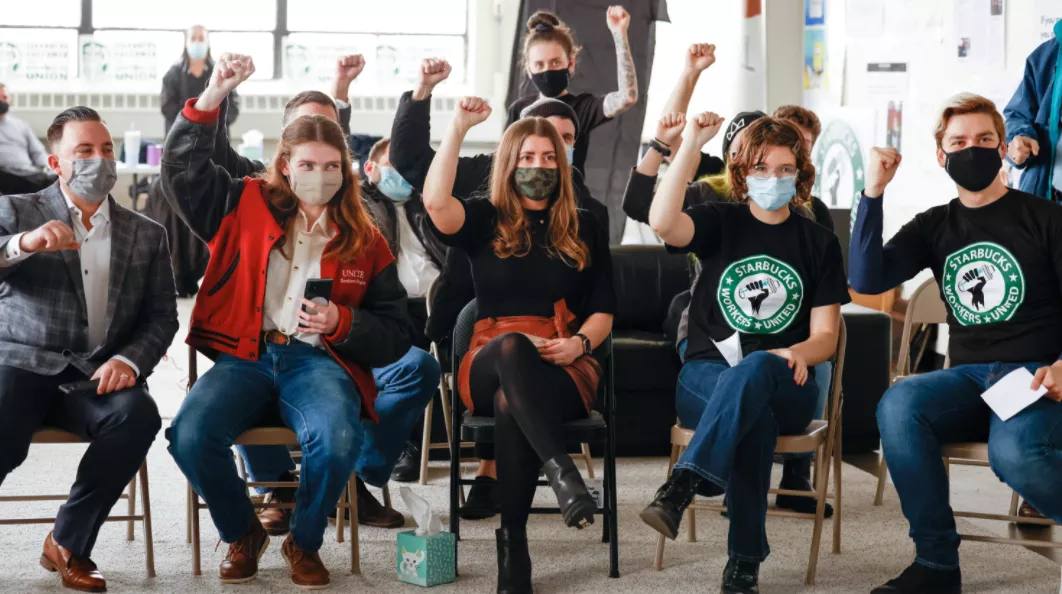
Beyond the silence, the company also failed to provide basic safety protections during the pandemic. On January 6th, reports emerged that employees at the store that formed the very first Starbucks union had begun resigning one after another. The reason: despite the severity of the pandemic, the company never supplied the store with enough N95 masks. Although state rules required everyone entering public places to wear masks, many customers still refused — and Starbucks required employees to keep serving them. Unsafe conditions, high-intensity work and understaffing together pushed the exhausted employees to quit in quick succession.
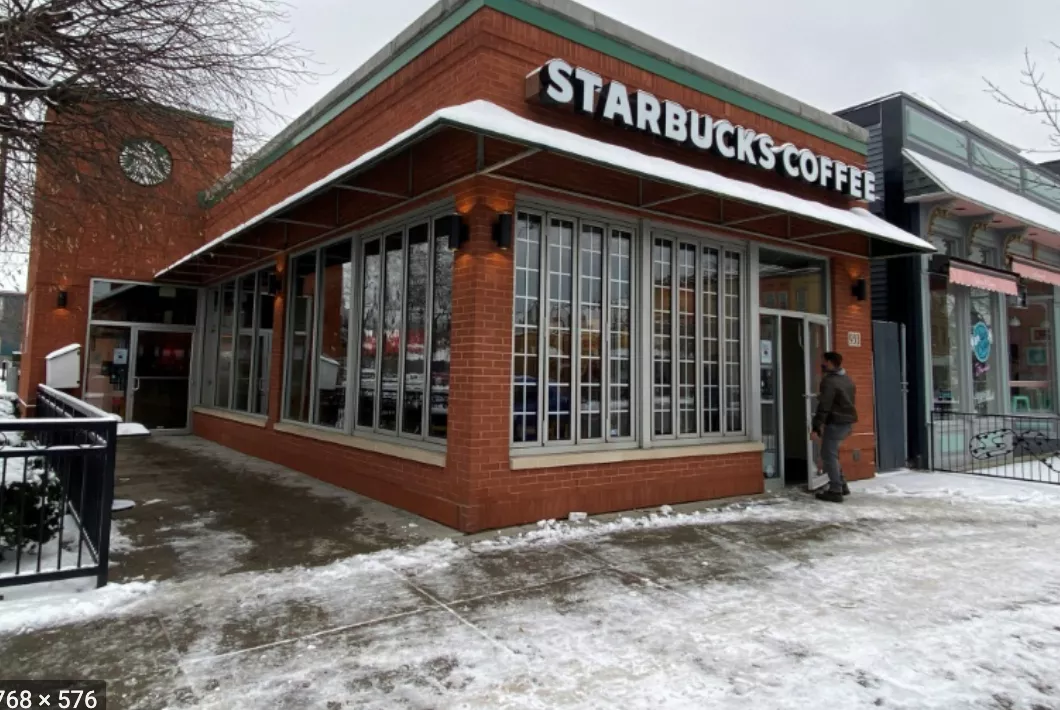
A Starbucks spokesperson responded: "We have closed dine-in services at 20 stores in the Buffalo area, offering takeout only, and shortened store operating hours to address the local surge in COVID cases and employee shortages. We also hope all employees will cooperate with epidemic-prevention measures and complete vaccinations as soon as possible, and we have updated our policies on how long employees should isolate after COVID-19 infection to minimize potential transmission risks."
A Global Labor Movement
The unrest is not confined to the United States. Starbucks partners in South Korea have recently been joining local unions too, citing low wages, poor benefits and grueling workloads. Alongside organizing, they have posted anonymous complaints on online forums. One read: "During one Starbucks promotion, a customer bought 650 drinks in a single order — but the company sent no extra staff, leaving every employee overwhelmed while still having to smile and serve the endless stream of customers."
Last December, Korean researchers released survey data: in 2020, 613 Starbucks employees sought mental health treatment for work-related stress — more than five times the 2015 figure. Workplace injuries caused by understaffing had also doubled compared with 2019.
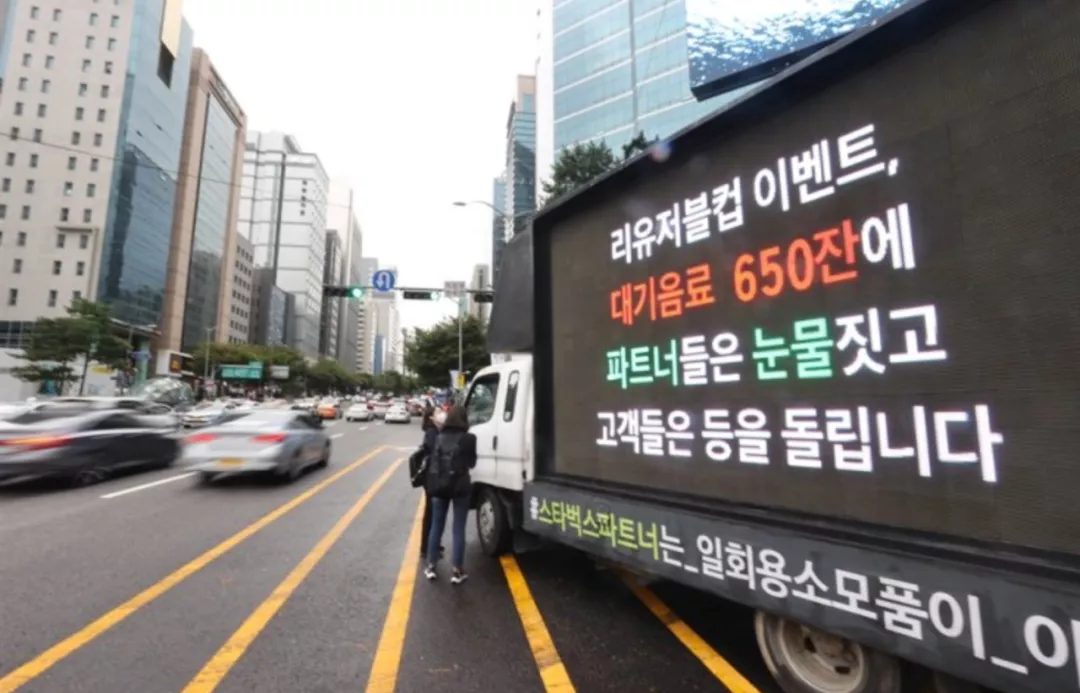
And beyond complaints online, some employees rented a truck fitted with a display screen reading: "Please don't forget, partners are Starbucks' greatest asset." They drove from downtown Seoul to the Gangnam district to voice their frustration to customers queuing for Starbucks promotions. The protest was fueled not only by the heavy workloads and low pay, but also by a broken promise: after Starbucks entered South Korea in 1999, it pledged to raise wages based on seniority and performance — yet only a handful of employees ever actually saw that benefit.
China, and Where Things Stand
Over the past two years, Starbucks partners in China have also spoken up about their difficulties. Benefits have improved, but they do not take effect immediately — partners typically wait another year or so before seeing them. On staffing, some stores are also short-handed, with nobody available to train new employees, and the pay and benefits offered to newcomers are worse than before.
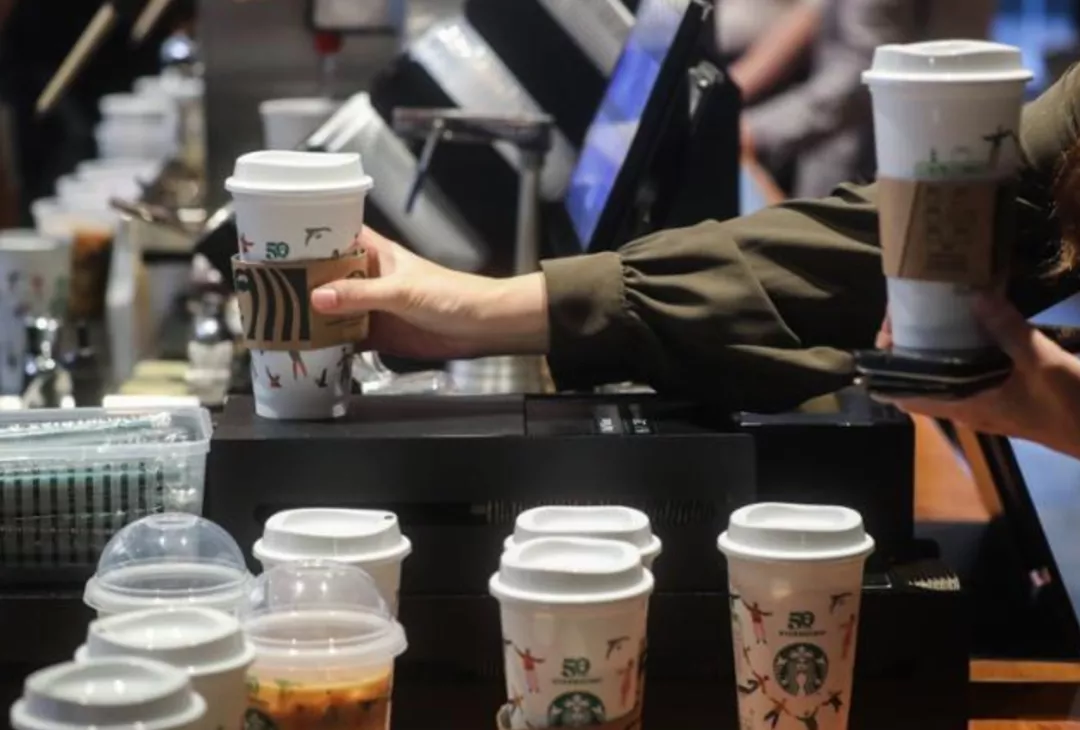
Viewed this way, joining or forming a union may achieve limited results. The consolation is that Starbucks partners finally have an outlet for their frustration. After venting, of course, the work goes on.
Image source: Internet
FrontStreet Coffee Recommendation
Whatever chain you queue at, the best upgrade to your daily cup is better beans. Here are FrontStreet Coffee's picks for specialty-coffee newcomers:
Ethiopia — FrontStreet Coffee Natural Flower Queen and FrontStreet Coffee Washed Idido (Gud Ding) Cooperative lot: Ethiopia is Africa's largest coffee-producing country and the widely recognized birthplace of coffee, its beans usually named after regions or cooperatives, with Yirgacheffe and Sidamo the most famous. In the 1970s the government introduced washed processing to raise green-bean quality, and Yirgacheffe coffee became dominated by the washed method — with many fine cooperative sub-lots since. FrontStreet Coffee's washed Idido is a classic Yirgacheffe: jasmine florals, lemon acidity and berry tones. Sidamo shines with naturals instead: FrontStreet Coffee's Sidamo Flower Queen uses the traditional natural process, showing berries, florals, jackfruit, melon and honey.
Brazil — FrontStreet Coffee Cerrado Red Bourbon and FrontStreet Coffee Queen Estate: Brazil is the world's No.1 coffee producer, and even among its mostly commercial beans there is plenty of quality coffee. Sun-grown at scale, Brazilian beans ripen fast, giving a soft bean texture, gentle acidity and good sweetness — delicate, smooth and balanced. FrontStreet Coffee's Brazil daily-drinker bean comes from the famous Cerrado region: tasty, affordable, with typical cream, peanut and cocoa notes. Queen Estate grows at higher altitude and features the rare Yellow Bourbon variety — layered nut aromas of butter, melon seeds, macadamia and almond plus a sugarcane sweetness, with a thick, silky body whether black or with milk.
Indonesia — FrontStreet Coffee Lintong Mandheling and FrontStreet Coffee PWN Golden Mandheling: Indonesian fame rests on both kopi luwak and Mandheling. Mandheling uses wet-hulled (giling basah) processing, invented for the local climate: with constant rain and limited funds for washed processing, workers strip the parchment from the beans while they are half-dry, speeding up drying and creating the uniquely heavy Mandheling profile. FrontStreet Coffee's Indonesian Mandheling is even richer and smoother than its Blue Mountain, with herbal and spice notes — perfect for those who dislike acidity. For a higher grade, choose FrontStreet Coffee PWN Golden Mandheling: three rounds of hand sorting plus one machine pass drive the defect rate to a minimum, yielding a cleaner, smoother cup with clearer woody and caramel notes.
Colombia — FrontStreet Coffee Huila, FrontStreet Coffee Xigua (Pink Bourbon) and FrontStreet Coffee Big Navel: Colombian coffee is one of the few single origins sold under a country's name. The mild, humid and varied climate keeps Colombia harvesting year-round. FrontStreet Coffee's Colombia daily bean comes from Huila, the country's most famous specialty region — ringed by mountains, planted above 1500 meters, watered by Colombia's most important rivers. Colombian cups lean toward soft florals and gentle fruit acidity; try the Xigua (Pink Bourbon) or the Big Navel lot.
Costa Rica — FrontStreet Coffee Mozart, FrontStreet Coffee Blackberry and FrontStreet Coffee Tarrazu: high altitude, big day-night temperature swings and rich volcanic soil make Costa Rica a land of strictly hard beans (SHB grade) full of elegant aromas. Its beans are famous for honey processing — the mucilage left on as the bean dries — for plenty of sweetness and clean resonance. Start with the black-honey-processed Blackberry or the raisin-honey-processed Mozart: raisin and blueberry sweetness with osmanthus and rose fragrance, lovely as pour-over, cold brew, Americano or latte.
China Yunnan — FrontStreet Coffee Yunnan Arabica and FrontStreet Coffee 2013 Yunnan Typica: China has two growing regions, Hainan and Yunnan, but Hainan's hot, low-lying coastal climate cannot grow Arabica — so China's specialty coffee is concentrated in Yunnan. FrontStreet Coffee's Yunnan Arabica comes from Baoshan, washed processed, with traditional nut and chocolate flavors in a soft, balanced cup. The 2013 Yunnan Typica is an old Arabica variety grown at 1300 meters — a cleaner cup, best at a medium roast, revealing hazelnut, dried apricot, black tea, caramel and ripe plum.
Panama — FrontStreet Coffee Boquete Washed Gesha: Panama is known above all for Gesha, and above all for Esmeralda Estate — citrus, berries and florals over a smooth, balanced cup, like a fruit-flower tea with zero bitterness. That may be too much of a splurge for a beginner, so baristas recommend the entry-level FrontStreet Coffee Boquete Gesha: pure Gesha genetics from Panama's flagship specialty region, washed processed, with the variety's clear orange-blossom honeyed character and excellent value — try it across brewing methods to explore Panama Gesha's charm.
Important Notice :
FrontStreet Coffee is a long-established specialty coffee roaster in Guangzhou China, selling freshly roasted beans from its own farm in Yunnan as well as dozens of carefully selected single-origin beans from around the world for both pour-over and espresso. The products deliver consistently excellent quality and great value, with shipping within 24 hours. Guangzhou's FrontStreet Coffee shop is recommended by many coffee lovers, and the beans are now available online at the Tmall 。
FrontStreet Coffee has moved to a new address:
FrontStreet Coffee Address: 315,Donghua East Road,GuangZhou
Tel:020 38364473
 Scan and follow the En Gafei WeChat official account. Please indicate that the reprint comes from "En Gafei".

