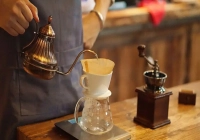
Why You Can't Drink the First Three Brews from a Moka Pot & Why It Spurts Coffee
Moka Pot: An Essential Element of Italian Coffee Culture
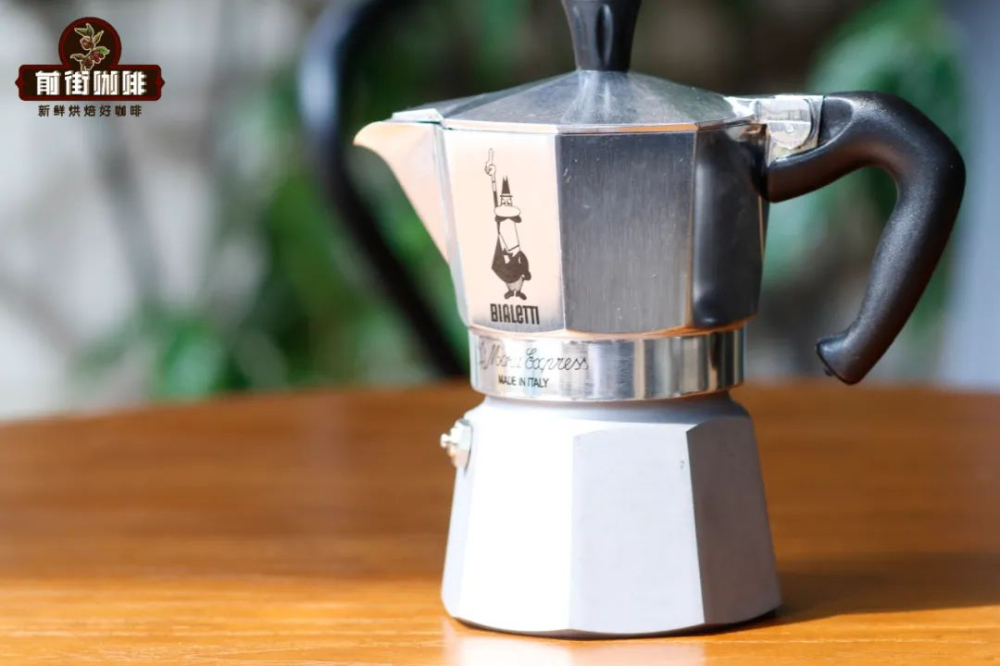
The moka pot is a cornerstone of Italian coffee culture and has been a fixture in Italian kitchens since it first hit the market in the 1930s. Plenty of coffee lovers in China keep one at home as well. Operating a moka pot is not complicated, but questions about extraction still come up from time to time.
Why Shouldn't You Drink from the First Three Brews of a New Moka Pot?
Most moka pots on the market are built from a metal shell plus a set of small components. During manufacturing and shipping, traces of metal residue can cling to the surfaces and lend the pot a distinct metallic taste. That is why a thorough cleaning before first use is essential.
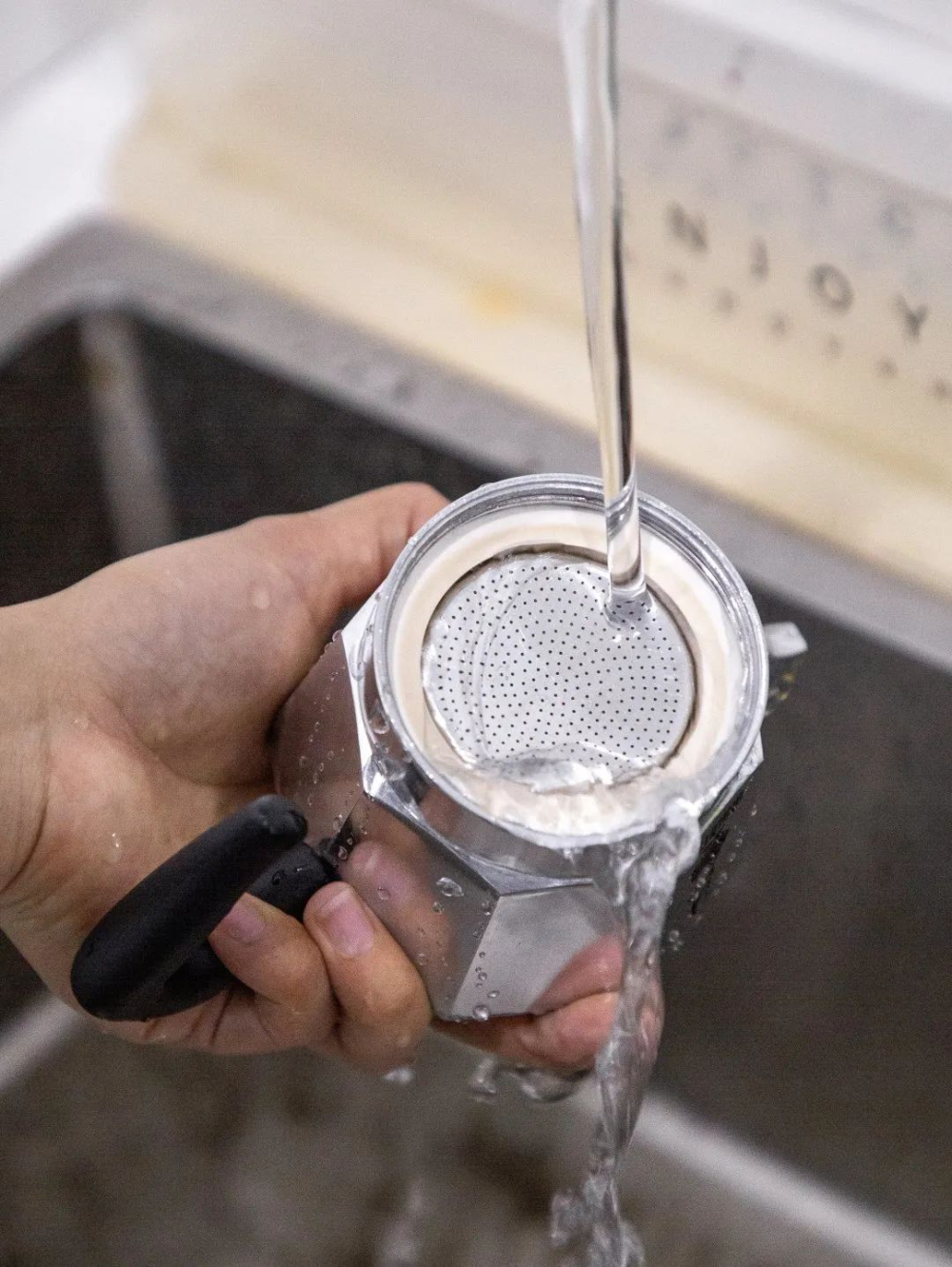
When you get a new pot, start by taking it completely apart and rinsing every piece under running water to wash away debris and dust. Then run through the normal brewing sequence: add water, add coffee grounds, tighten, heat, clean. Repeat this three times to finish the pot's "breaking-in ritual." Because those first three brews exist purely to clean the inside of the pot, FrontStreet Coffee recommends not drinking them. To avoid waste, you can even use old, spent coffee grounds for the seasoning runs.
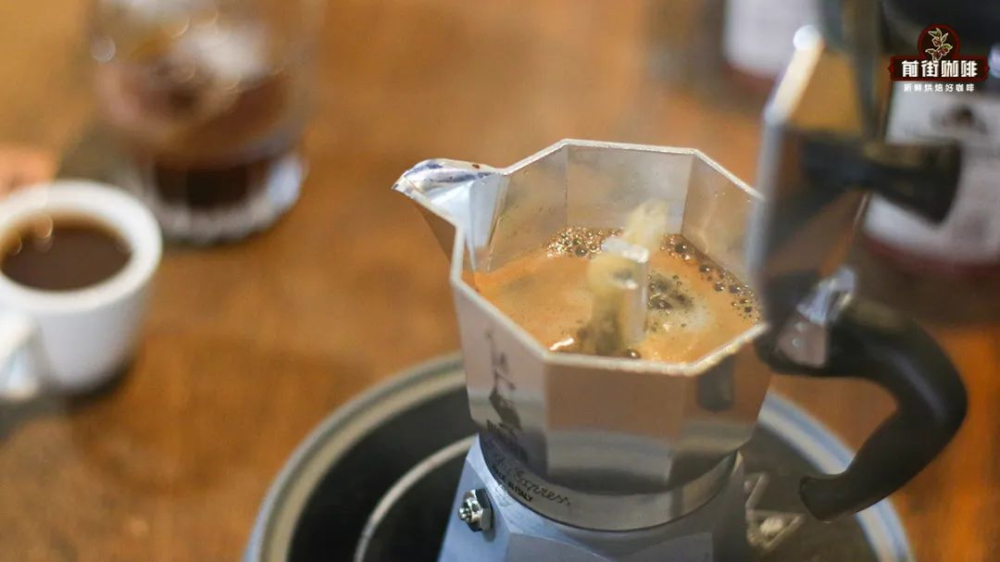
Why Does Coffee Splatter When Heating a Moka Pot?
A moka pot extracts coffee in much the same way as a typical espresso machine. Under heat, the water in the lower chamber warms first and turns to steam, building pressure that pushes the hot water up through the coffee grounds. As the brewing liquid keeps rising, mounting pressure drives the finished coffee into the upper chamber, delivering the concentrated cup we are after. So whenever anything gets blocked, or the coffee flows out too fast or too forcefully, splattering is the result.
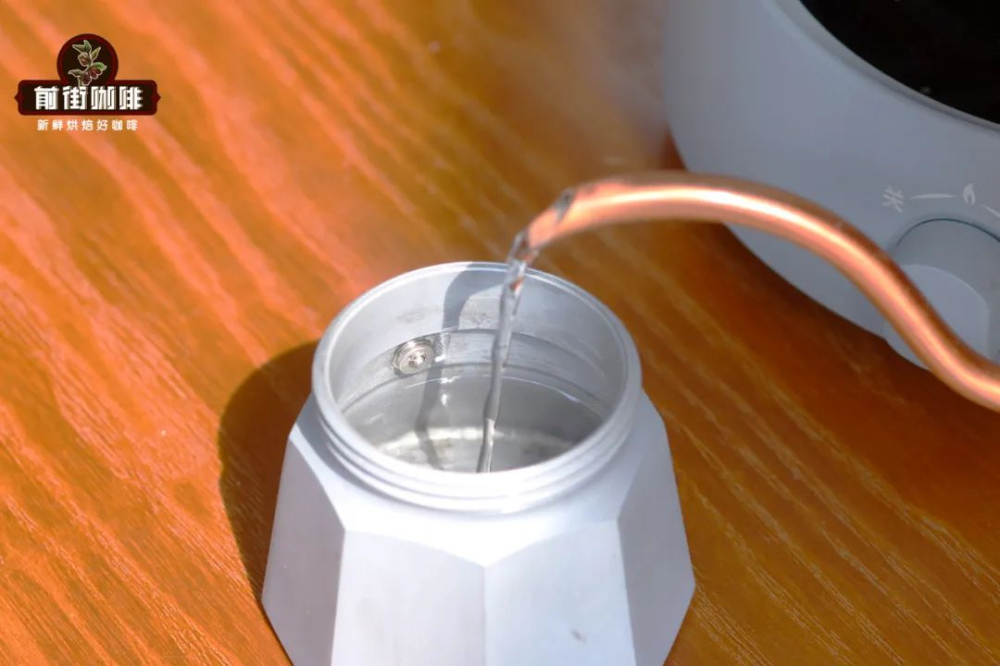
The water in the lower chamber should never exceed the standard fill line—in practice, keep it about 0.5cm below the safety release valve. The release valve is that small round component, and it exists to vent excess pressure caused by problems such as coffee grounds ground too fine. If the water level covers the valve, it can no longer do its job, and pressure can build to a dangerous degree.
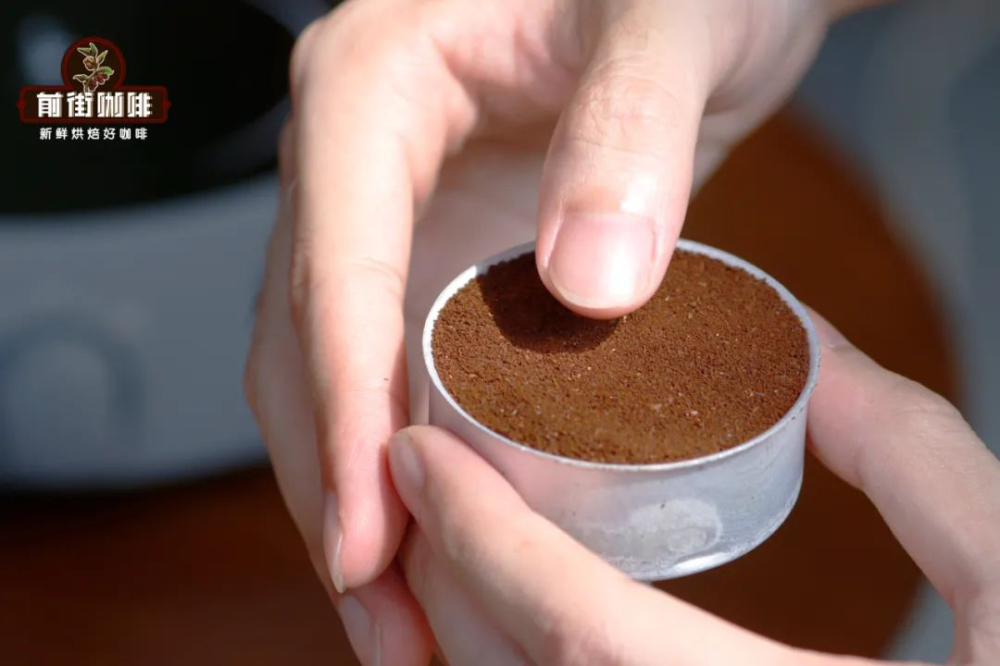
The right grind size for a moka pot sits between espresso and pour-over: a little coarser than espresso grind, but far finer than what you would use for hand brewing. Grind too coarse and water channels through unevenly, producing a weak, under-extracted cup; worse, the low resistance lets liquid gush out, which can splatter and scald. FrontStreet Coffee suggests a grind setting of EK-43s #3-3.5.
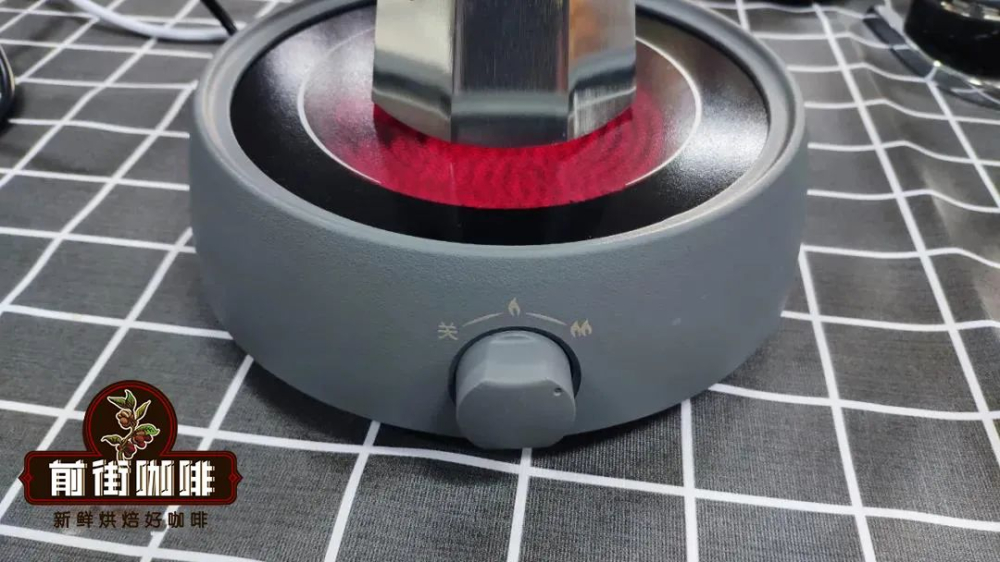
Steady heat control matters just as much. A flame that is too small or too large heats the pot unevenly and makes the internal pressure fluctuate, which can send coffee spraying out in all directions. FrontStreet Coffee recommends heating the whole time on an electric ceramic stove at the P2 setting so the pot warms evenly.
What Other Details Should You Watch When Using a Moka Pot?
Because most moka pots have metal bodies, avoid touching the pot while it is hot—use a damp towel instead to protect your hands. And if you hear a whistling sound with no coffee emerging from the spout, the outlet is probably blocked. Cut the heat right away; trapped pressure can otherwise build to the point of an explosion.
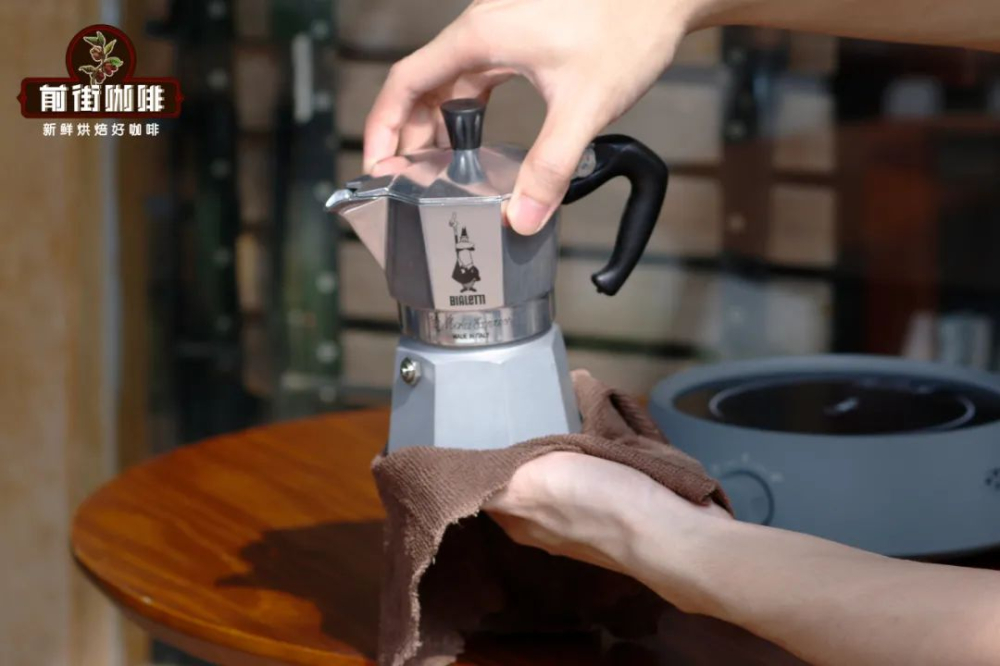
FrontStreet Coffee cleans the pot promptly after every use. Leftover coffee residue mixes flavors into the next brew and adds bitterness, and old stains on the filter plate, gasket, or extraction channels can clog the pot and disturb normal extraction.
What Coffee Beans Are Suitable for Brewing in a Moka Pot?
FrontStreet Coffee suggests medium to dark roasted beans. A moka pot extracts under pressure, and lightly roasted beans are denser and harder, typically demanding an even finer grind to raise the extraction rate. But fine grounds combined with high temperature and pressure easily turn the cup sour and harsh, and the aroma of the oils is harder to draw out.
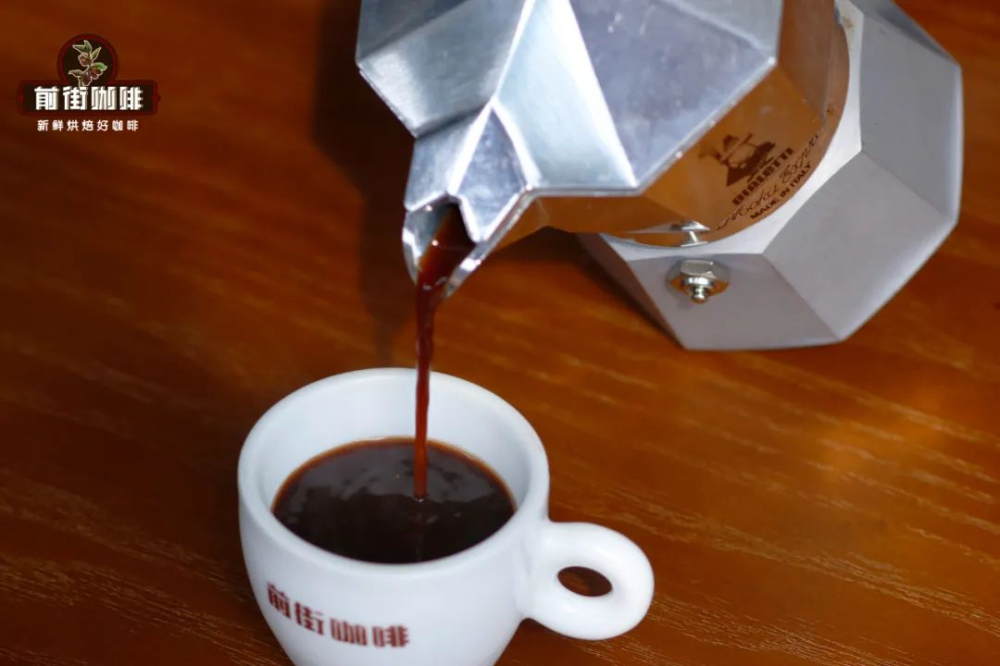
That is why FrontStreet Coffee recommends a darker-roasted espresso blend as the base. It makes it far easier to get a rich, oily, aromatic cup with stable flavor from brew to brew. FrontStreet Coffee offers four espresso blends suited to moka pot brewing, and to make sure every order arrives within its optimal tasting window, only beans roasted within the past 5 days are shipped.
FrontStreet Coffee Recommendation
If you want a straightforward, no-fuss option, go with the FrontStreet Classic Blend. It was developed specifically for espresso and moka pot brewing, and its standout strength is crema: even a beginner on a non-professional home machine can pull dense, fine crema with it. Built on the traditional Mamba (Mandheling + Brazil) pairing, it is smooth, full-bodied, and gentle enough for newcomers and seasoned drinkers alike, and it handles lattes, cappuccinos, and Dirty drinks with ease.
Prefer a single-origin character? FrontStreet Coffee's Brazil Queen Estate beans are very moka-pot friendly—low acidity, well balanced, with pronounced nutty and cocoa notes, a clear caramel sweetness, and a silky finish. For something deeper, the PWN Indonesia Golden Mandheling is dark roasted with barely any acidity, layering herbal and dark chocolate aromas over a long, full body with a faint earthy undertone—a great pick for anyone who likes a bold, non-acidic cup.
Important Notice :
FrontStreet Coffee is a long-established specialty coffee roaster in Guangzhou China, selling freshly roasted beans from its own farm in Yunnan as well as dozens of carefully selected single-origin beans from around the world for both pour-over and espresso. The products deliver consistently excellent quality and great value, with shipping within 24 hours. Guangzhou's FrontStreet Coffee shop is recommended by many coffee lovers, and the beans are now available online at the Tmall 。
FrontStreet Coffee has moved to a new address:
FrontStreet Coffee Address: 315,Donghua East Road,GuangZhou
Tel:020 38364473
 Scan and follow the En Gafei WeChat official account. Please indicate that the reprint comes from "En Gafei".