
How to Make Dirty Coffee: Ratios, Layering Technique, Glass Selection, Proper Drinking Method, Flavor Profile, and Storage Duration
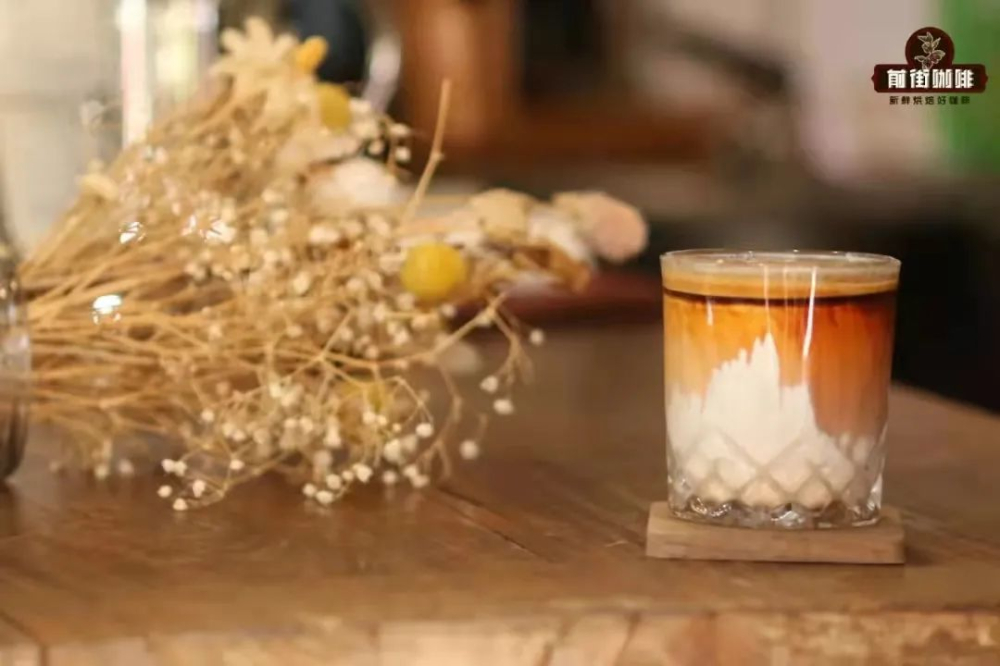
In recent years a style of iced milk coffee called Dirty has grown increasingly popular. The upper layer of warm, aromatic espresso meets sweet, delicious iced milk, creating a unique sensation of alternating hot and cold, and its photogenic appeal adds to the charm, leading many coffee shops to put it on their permanent menus.
What is Dirty Coffee?
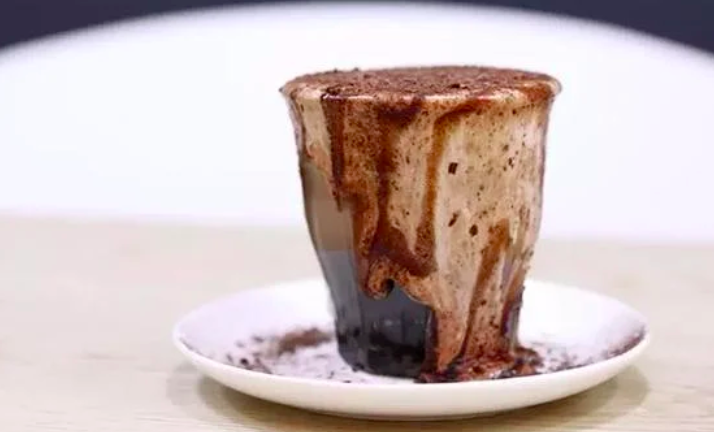
Dirty literally means unclean or dirty in English, which is why the drink is also translated as "dirty coffee." The concept originated from the "dirty food" trend that swept through in 2019, but the Dirty coffee of that time was not made the way we see it today. Back then it used milk foam or cream to create an overflowing effect, then added cocoa powder, nut fragments, and other toppings for a "dirty" appearance, much like the popular dirty croissants of that era.
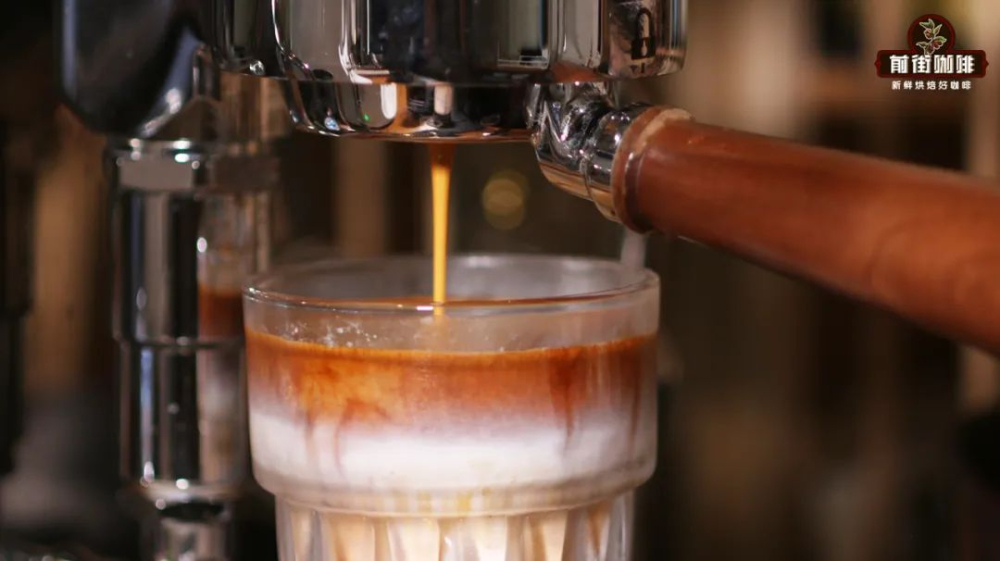
Today's Dirty coffee emphasizes coffee flavor more, with double shots of dark brown espresso poured over pure white milk. Using gravity, the espresso gradually permeates downward, creating the visual effect of "staining" the milk. Dirty coffee is said to have first originated in a Japanese coffee shop, though there is no definitive answer about who invented it and no standardized preparation method, so each coffee shop's Dirty may differ.

How to Make Dirty Coffee?
Although the ingredients for Dirty are simply espresso and milk, FrontStreet Coffee believes that achieving perfect layering and the alternating hot-cold sensation takes certain technique.
Because Dirty primarily emphasizes preserving the crema from the espresso and the visual effect of gradual layering, ice cubes cannot be added during preparation, as they would dilute the overall concentration of the coffee. The milk must also have high protein and fat content and be sufficiently cold, so the rich fats can float on the upper layer. FrontStreet Coffee therefore suggests using chilled fresh milk or purified milk when making Dirty.
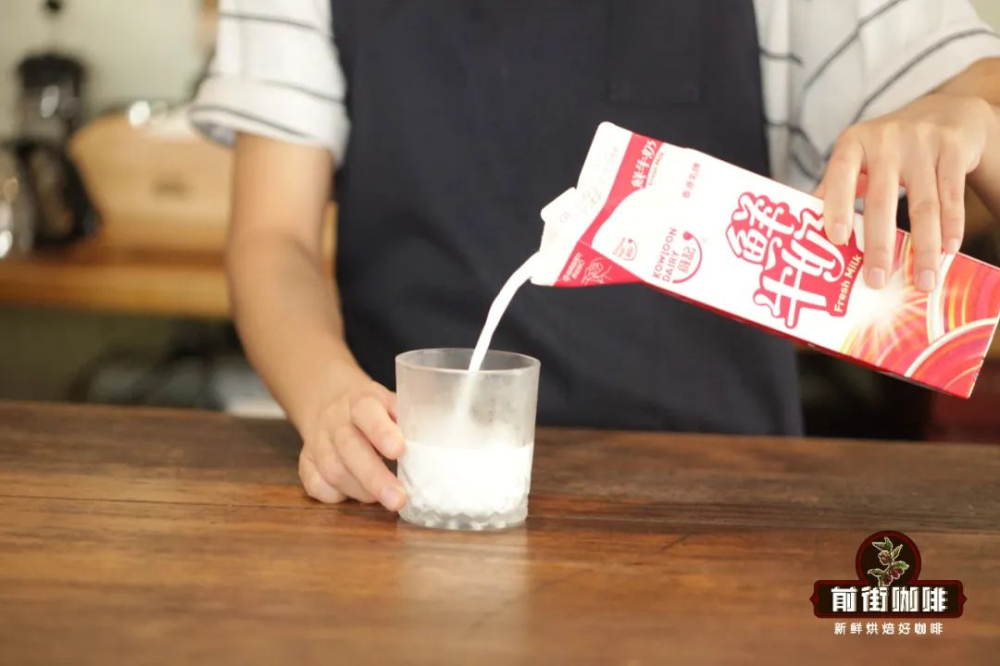
Since making Dirty does not involve adding ice cubes, besides pre-chilling the milk itself, the glass should also be kept at an appropriately low temperature. This prevents the milk from losing its chill to the glass when poured. FrontStreet Coffee needs to remind everyone that when choosing glasses, be sure to check that they are temperature-resistant, to prevent accidents such as cracking during chilling or when hot espresso is poured in.
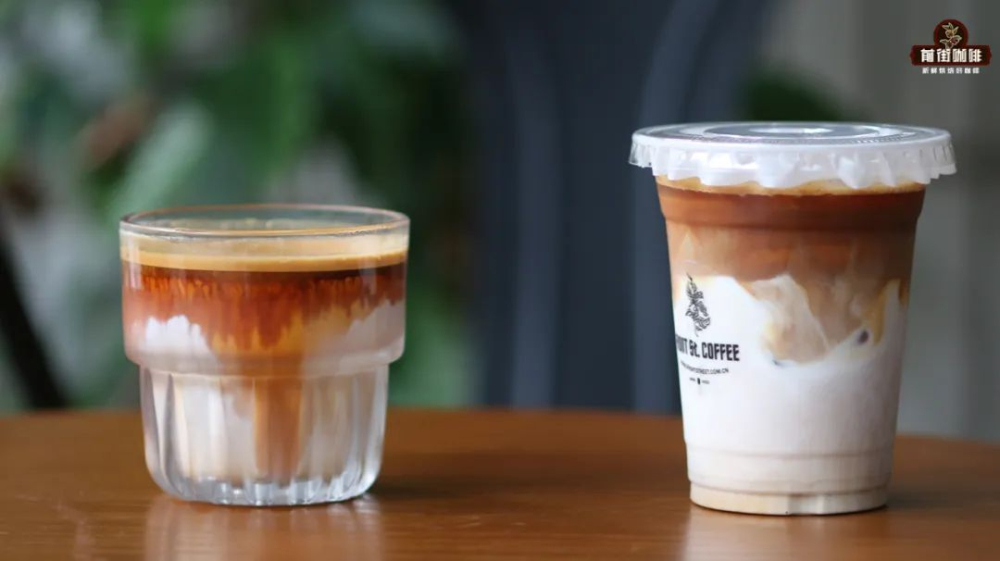
To ensure a rich flavor, Dirty is served in smaller cups than iced lattes. Typically Dirty is served in 180-220ml cups, while iced lattes come in 280-320ml cups. When FrontStreet Coffee makes Dirty, we first take a pre-chilled glass and pour in 150ml of fresh milk. Then we use 20 grams of coffee grounds to extract 36 grams of espresso, placing the iced milk directly beneath a bottomless portafilter so the espresso lands on the surface. Note that the coffee stream should not be too high, as it could penetrate directly into the milk below and fail to create the "dirty" effect.
How to Drink Dirty Coffee?
The beauty of Dirty lies in its distinct layers, so after preparation there is no need to stir, nor is a straw necessary. We can simply take large sips to enjoy it. The flavor of Dirty depends mainly on the coffee beans used. FrontStreet Coffee uses our house-roasted "Sunflower Warm Blend," made of 70% Honduras Sherry coffee and 30% Yirgacheffe Natural Red Cherry. The whiskey, vanilla, and cream notes from the Sherry combine with the tropical fruit and fermentation characteristics of the Red Cherry, creating rich aromas and a smooth texture in the cup.
The first sip of Dirty delivers rich coffee aromas, presenting whiskey, vanilla, and berry flavors. From the second sip onward, as the iced milk integrates, you experience a cocoa-like, creamy texture. After finishing, your mouth is left with the sweet fragrance of strong coffee and milk, an incredibly rich layering of flavors.
FrontStreet Coffee Recommendation
Because Dirty is essentially milk and espresso, the beans decide the cup. Espresso machines and Moka pots share the same goal, a concentrated coffee base that becomes an Americano with water or a latte with milk, so the approach to choosing beans is the same. The FrontStreet Specialty Blend and FrontStreet Dark Cocoa Blend are superb partners for milk, since Brazilian coffee dominates; in a latte they show complex almond, walnut, and other nutty flavors with a silky, lingering texture. If you want a Dirty with abundant crema, choose the FrontStreet Classic Blend or the FrontStreet Commercial Blend, which contain a small amount of Robusta that provides more golden foam and instantly amplifies body and caramel aroma. For a fruitier milk coffee, the FrontStreet Strawberry Candy Geisha blend, which combines a Costa Rican honey process with a Panamanian washed Geisha, brings rose, citrus, grape, and dried-blueberry aromas, and with milk it turns into a strawberry-fudge sweetness.
Important Notice :
FrontStreet Coffee is a long-established specialty coffee roaster in Guangzhou China, selling freshly roasted beans from its own farm in Yunnan as well as dozens of carefully selected single-origin beans from around the world for both pour-over and espresso. The products deliver consistently excellent quality and great value, with shipping within 24 hours. Guangzhou's FrontStreet Coffee shop is recommended by many coffee lovers, and the beans are now available online at the Tmall 。
FrontStreet Coffee has moved to a new address:
FrontStreet Coffee Address: 315,Donghua East Road,GuangZhou
Tel:020 38364473
 Scan and follow the En Gafei WeChat official account. Please indicate that the reprint comes from "En Gafei".

