How to Brew Colombian Anaerobic Coffee Beans for Great Taste? Introduction to Hand Brewing Parameters for Hua Ye Yue Coffee Beans
Why Anaerobically Processed Coffee Tastes So Different
Anaerobically processed coffee beans show up with strikingly distinctive flavors. Plenty of coffee lovers take a sip, are pleasantly surprised, and immediately buy a bag to brew at home.
Then the complaints start rolling in: the coffee smells great and has plenty of body, but there is an unpleasant bitterness that lingers at the back of the throat and wipes out everything enjoyable that came before it. What went wrong? The brew method was standard, the recipe was followed — so is it the beans?
Yes — but not entirely.

The Anaerobic Processing Debate
Ever since anaerobic processing took off, it has been controversial. Terms like "flavored beans" and "enhanced beans" have entered the vocabulary, and the community keeps debating whether these aroma-boosting methods represent progress or a step backward for specialty coffee. Similar arguments have played out before in coffee's history; whether anaerobic processing ultimately earns praise or criticism is something only time will tell.
That said, plenty of coffee drinkers genuinely enjoy these beans, so FrontStreet Coffee wants to help you brew them well. Let's set the inconclusive debates aside and focus on how to bring out the best in anaerobically processed coffee.
What FrontStreet Coffee Has Observed About Anaerobic Beans
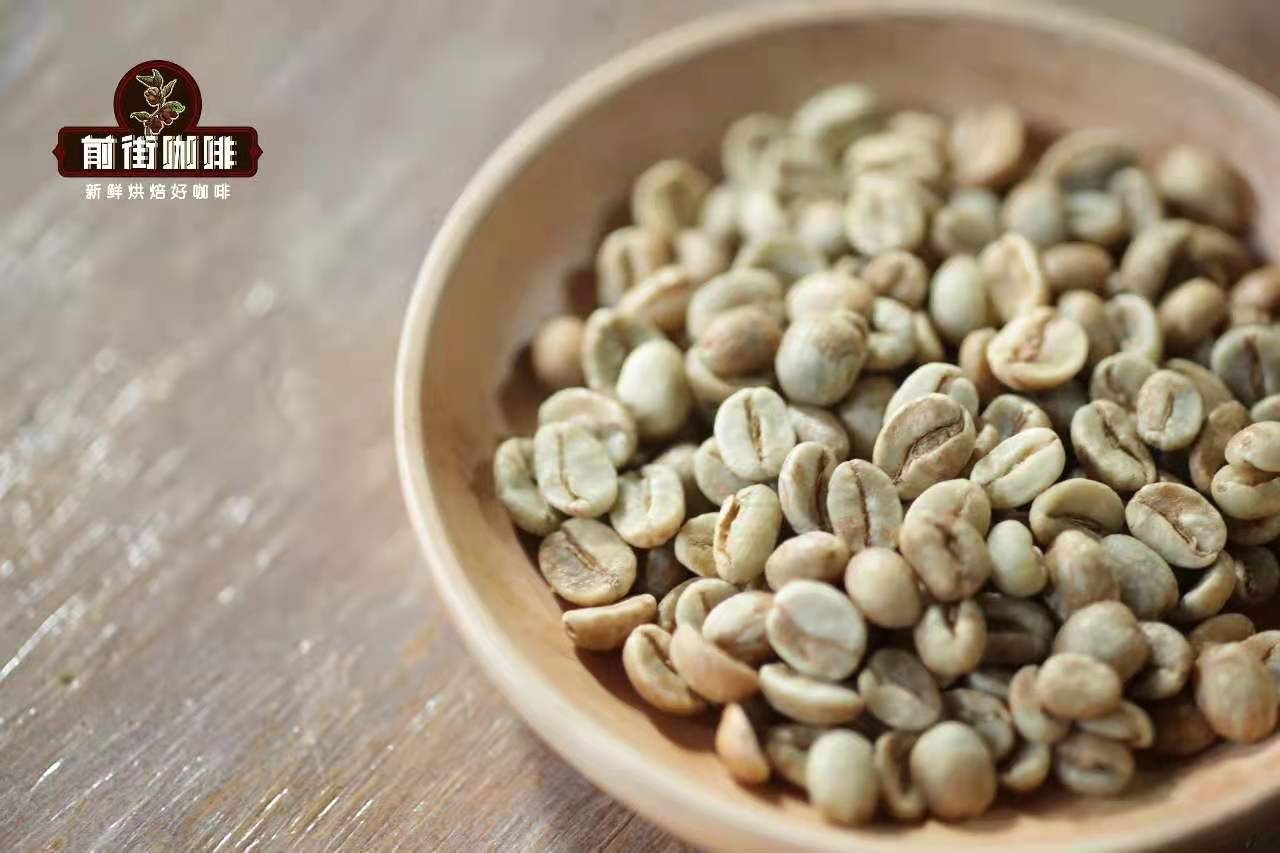
Traditionally processed green coffee smells grassy and, frankly, not very pleasant. After roasting, it typically shows roasted notes with subtle fruit and florals underneath. Anaerobically processed beans are a different story: even raw, they carry an impressive, lactic-acid-like aroma, and after roasting the fruit and floral character becomes far more pronounced — think dark fruits and deep florals.
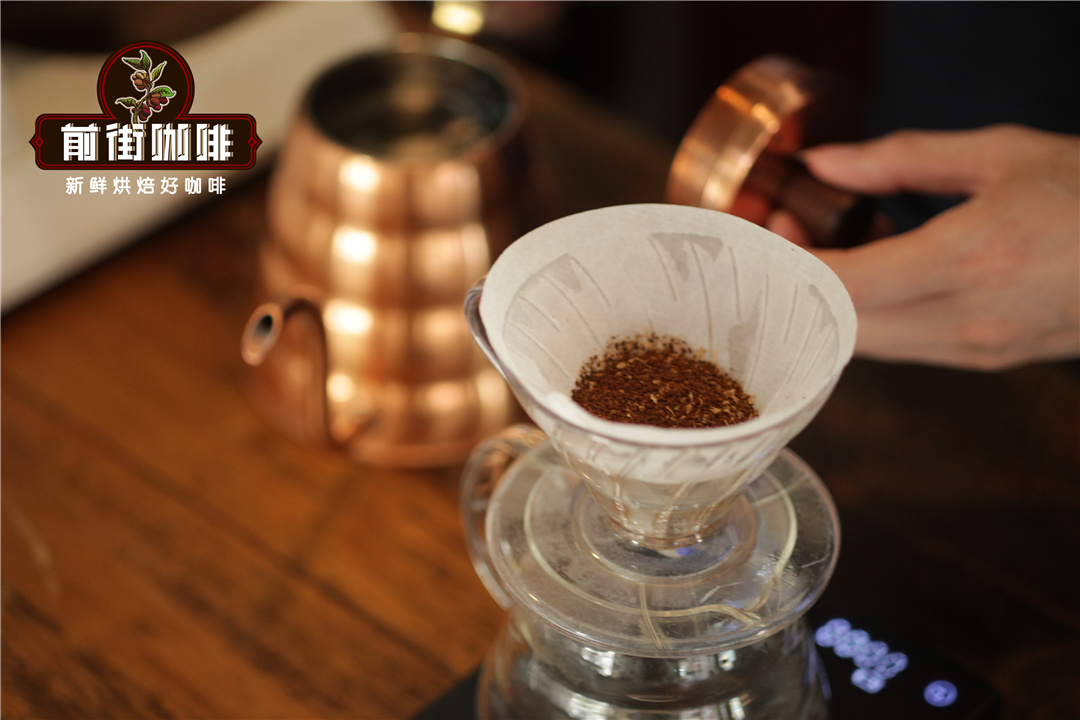
During brewing, the coffee bed of anaerobic beans fluffs up much more than a traditionally processed bean at a similar roast level, and water drains noticeably faster. A recipe that finishes in about 2 minutes with a conventional bean will typically run through in roughly 1 minute 20 seconds with an anaerobic one.
This is the single most distinctive brewing trait of anaerobic beans. What's more, if you check the grounds with a sieve or a particle-size analyzer, you'll find that at the same grinder setting, anaerobic beans actually produce a coarser grind than traditional beans. So don't calibrate your grinder against a conventional bean and assume the setting carries over — always recalibrate for anaerobic coffee. (Don't be lazy!)
Finally, when FrontStreet Coffee split an anaerobic brew into early, middle, and late extraction phases, we found that the flavor compounds in these beans fade fast. The first two pours carry almost all of the pleasant flavors; by the tail end, the cup turns thin and picks up an unpleasant bitter-sweet edge.
So when brewing anaerobically processed beans, aim to finish the extraction within 2 minutes for a 15g dose.
Brewing Recommendations
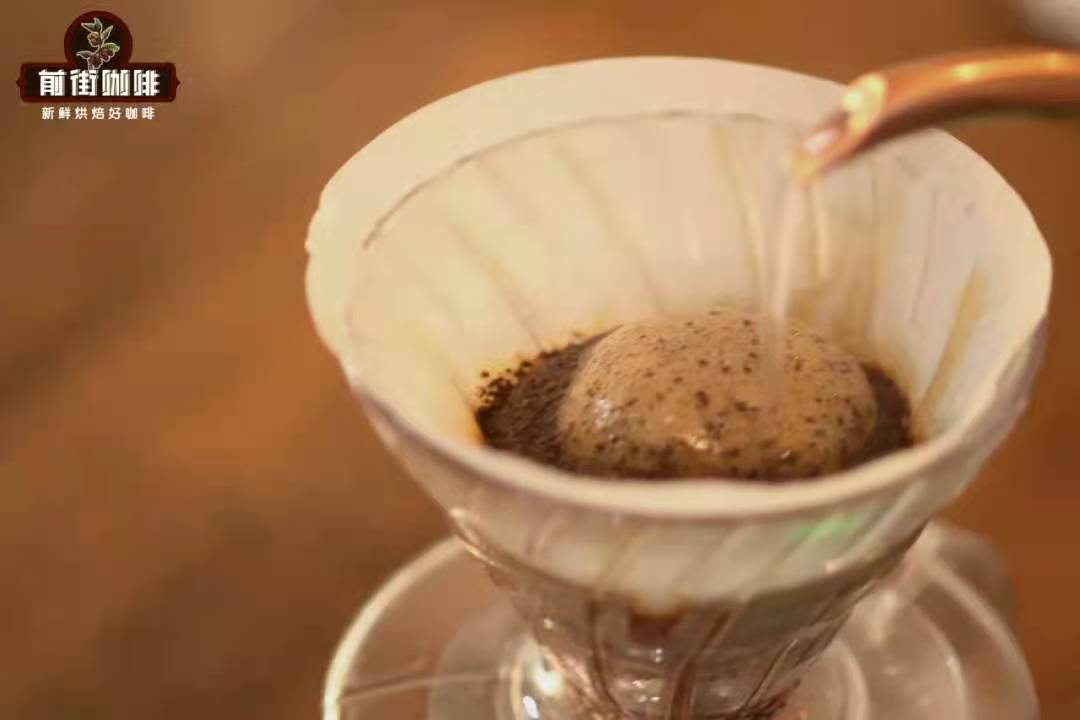
To sum up: when brewing an anaerobic coffee with especially bold aromatics, first verify your grind size is actually correct (80% passing through a #20 sieve). Second, watch the clock — with a standard three-pour recipe, keep total brew time around 1 minute 40 seconds. Third, watch the bloom — in most cases 30 seconds is too long for anaerobic beans (the bed will already have fully expanded and collapsed into a hollow dome), so adjust based on what you actually see.
FrontStreet Coffee's recommended parameters: 15g of coffee, a 1:15 coffee-to-water ratio, water at 90°C, and a grind with 80% passing through a #20 sieve. Bloom with twice the coffee's weight in water for 25 seconds, pour to 130ml on the second stage and 225ml on the third, for a total brew time of 1 minute 40 seconds.
One more quirk worth knowing: anaerobic coffees often look remarkably pale and thin in the cup, yet taste surprisingly rich and concentrated once you sip them.
FrontStreet Coffee Recommendation
Colombian coffee is wonderfully versatile — it works in espresso blends, as a pour-over single origin, and everything in between, with options ranging from bright and fruity to full-bodied and rich. FrontStreet Coffee's washed Huila comes from the hills of southern Huila province, grown above 1,500 meters near the confluence of Colombia's major rivers. Roasted medium-dark, it highlights black chocolate and nutty sweetness with a smooth, full mouthfeel — great for pour-over and French press, and equally at home in a moka pot or espresso machine for americanos and lattes.
If you want to try the anaerobic style featured in this article, go for FrontStreet Coffee's Sidra from Finca La Línea in Colombia, processed as an anaerobic natural. After oxygen-free fermentation the beans develop an abundance of tropical fruit aromatics; roasted medium-light, it brews up with layered notes of passion fruit, grape, apricot, and dried fruit — delicious as pour-over, cold brew, or even in a moka pot.
Important Notice :
FrontStreet Coffee is a long-established specialty coffee roaster in Guangzhou China, selling freshly roasted beans from its own farm in Yunnan as well as dozens of carefully selected single-origin beans from around the world for both pour-over and espresso. The products deliver consistently excellent quality and great value, with shipping within 24 hours. Guangzhou's FrontStreet Coffee shop is recommended by many coffee lovers, and the beans are now available online at the Tmall 。
FrontStreet Coffee has moved to a new address:
FrontStreet Coffee Address: 315,Donghua East Road,GuangZhou
Tel:020 38364473
 Scan and follow the En Gafei WeChat official account. Please indicate that the reprint comes from "En Gafei".