Espresso Extraction Tutorial: Parameter Adjustment and How to Judge Good Espresso
Anyone who has run a coffee shop knows the daily grind behind the romance: tasting espresso every morning until you're numb, and turning the grinder's dial again and again without ever quite finding the flavor you're after.
Outsiders may envy baristas for having unlimited coffee on tap, but insiders know how bitter that "free coffee" can taste... Perhaps FrontStreet Coffee can offer a few practical insights — and a little consolation.

From an enthusiastic netizen who wishes to remain anonymous
Why Adjust Espresso at All?
First, be clear about why you're adjusting. This matters more than it sounds, because aimless "adjusting for the sake of adjusting" is a real trap. FrontStreet Coffee has found there are really only two reasons to calibrate espresso daily: first, today's extraction doesn't taste as good as yesterday's, so you dial it back; second, extraction has become unstable — every cup brings "surprises" — and you need to stabilize the parameters.
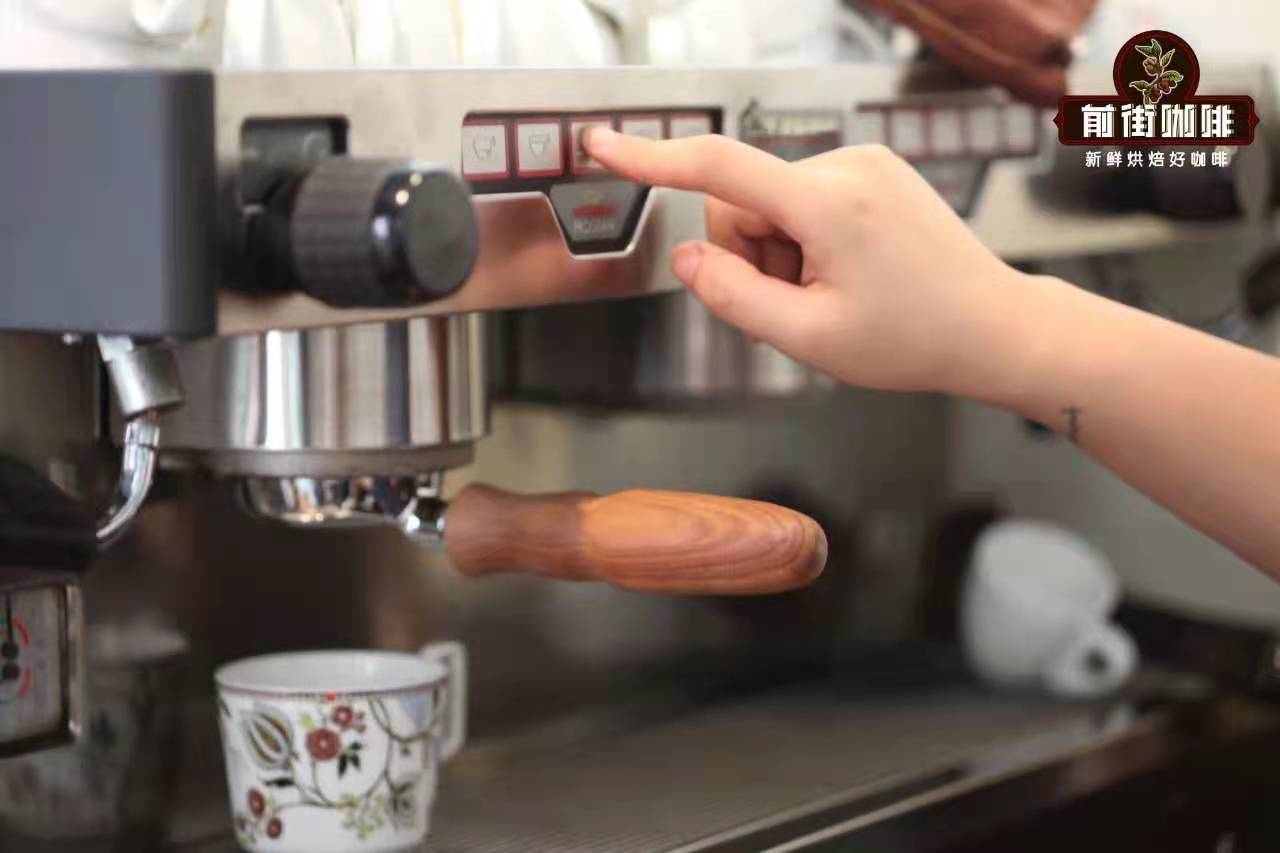
The Diagnostic Process
Once the goal is clear, the next step is diagnosis: why is this happening? After a 12-hour rest, the first shot of the morning often shows small issues. Sometimes these are minor detail flaws — a slight touch-up, or simply ignoring them, won't meaningfully affect flavor or mouthfeel, and a full recalibration isn't necessary. But sometimes the shot's extraction state, taste, and crema clearly signal that something is wrong and adjustment is required.
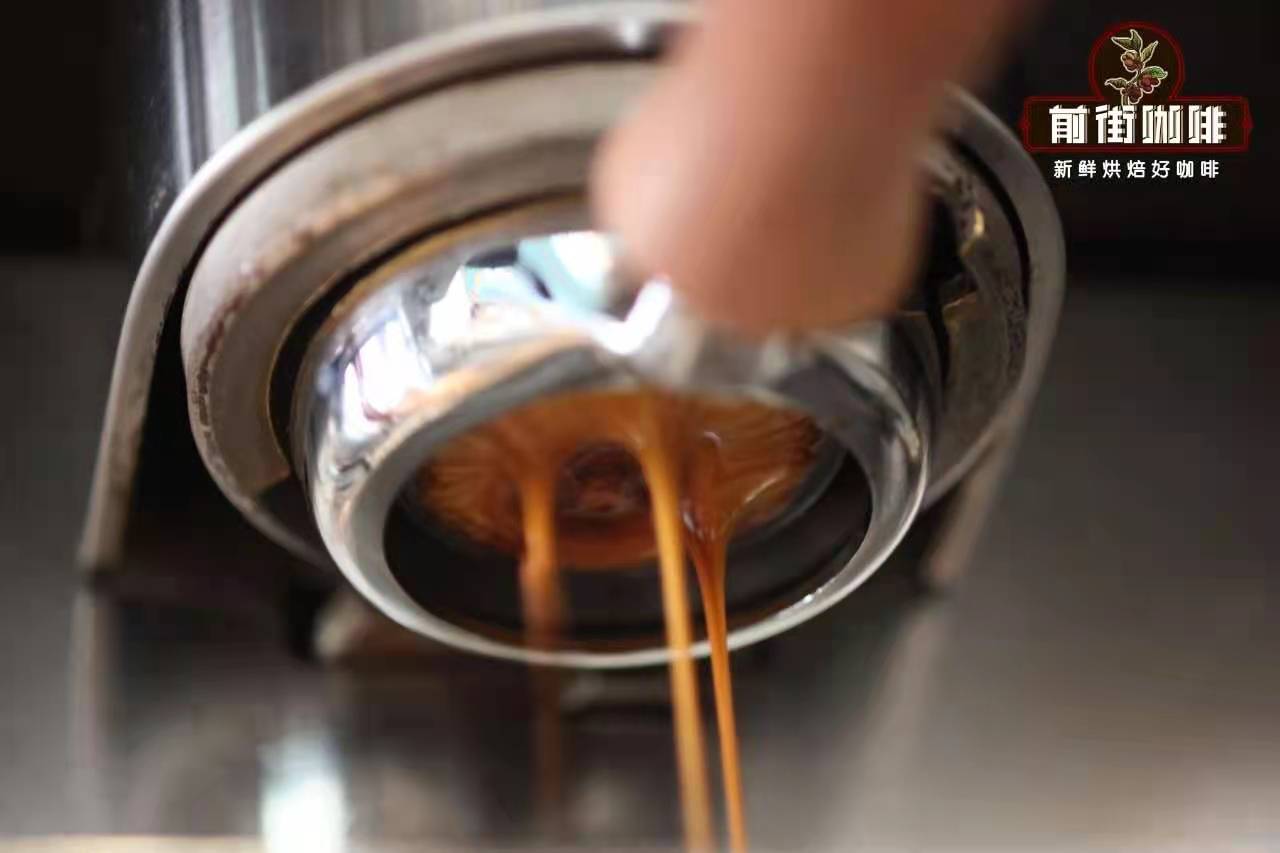
In other words, you don't need to adjust every day. If the first three shots today are stable and taste great, leave things alone.
When a shot does go wrong, the possible causes are many, but the usual suspects are: ① bean oxidation; ② grinder wear; ③ changes in air humidity.
Resting beans is a process of degassing and, inevitably, flavor loss. The change from two days ago to yesterday may be negligible, but by today the flavor can have shifted unacceptably — a slow-boiling-frog situation. When that happens, the espresso needs to be adjusted to bring out the best in today's beans.
Grinder wear is an easy detail to overlook. FrontStreet Coffee has seen a grinder run for 3 years without ever being disassembled or cleaned; the espresso it produced defied description. When finally taken apart, the accumulated coffee dust inside was staggering, and the burrs had, in effect, grown their own burrs. Coffee ground on such a machine tasting good is pure luck.
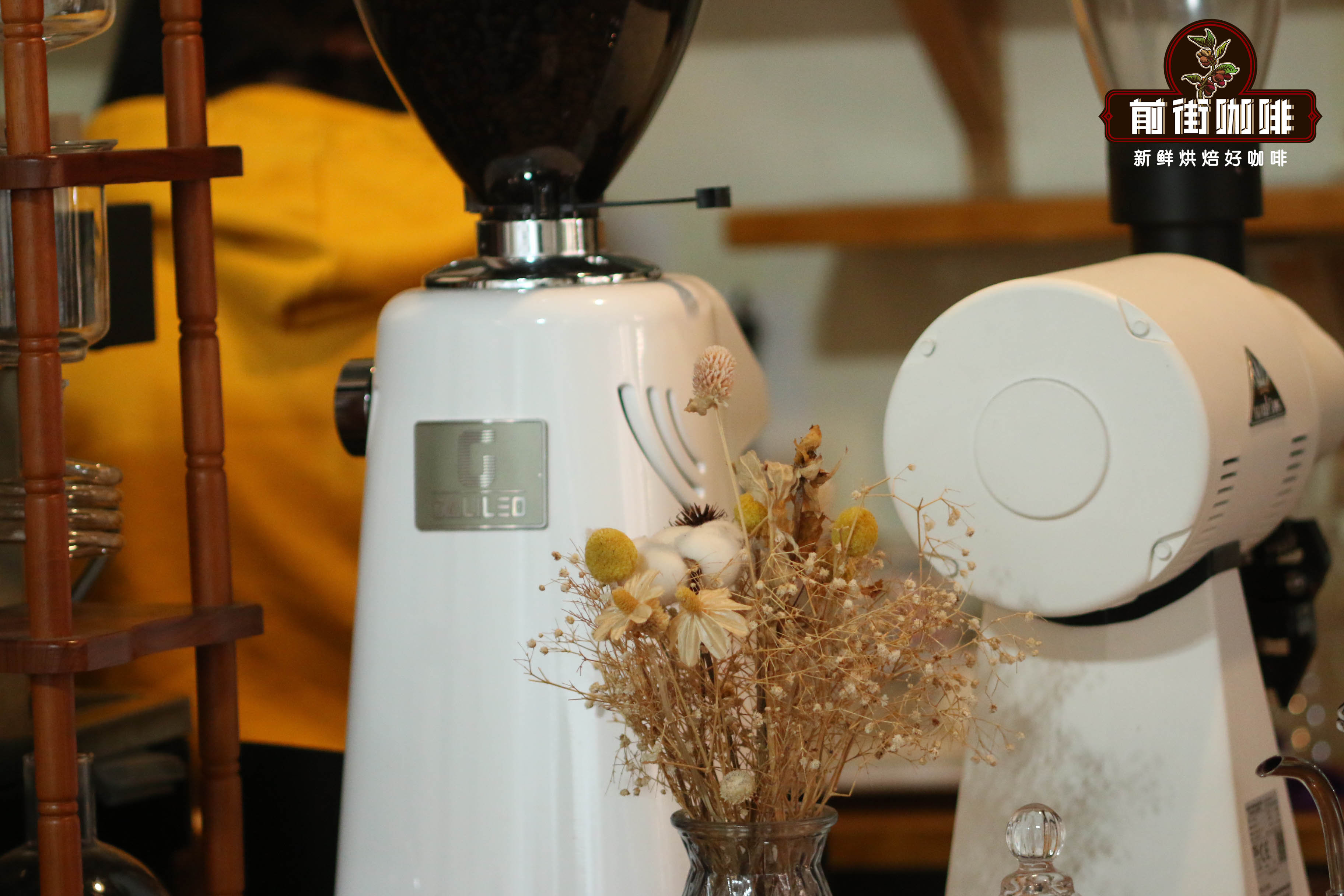
So regular grinder cleaning is a key part of keeping espresso stable.
Humidity is the third culprit — the classic example being the "return of the south wind" damp spells in the Lingnan region. Yesterday the air was dry; today it's muggy, and re-grinding becomes inevitable because yesterday's parameters are essentially unusable.
In high humidity, grounds clump easily and extraction becomes erratic. The simplest fix is to raise the dose while keeping the yield the same. It's a stopgap, but it's simple and it works.
Troubleshooting and Adjustment Methods
Once you know the typical problem categories, you can go straight to treatment.
The three generally adjustable parameters are grind size, dose, and brew ratio.
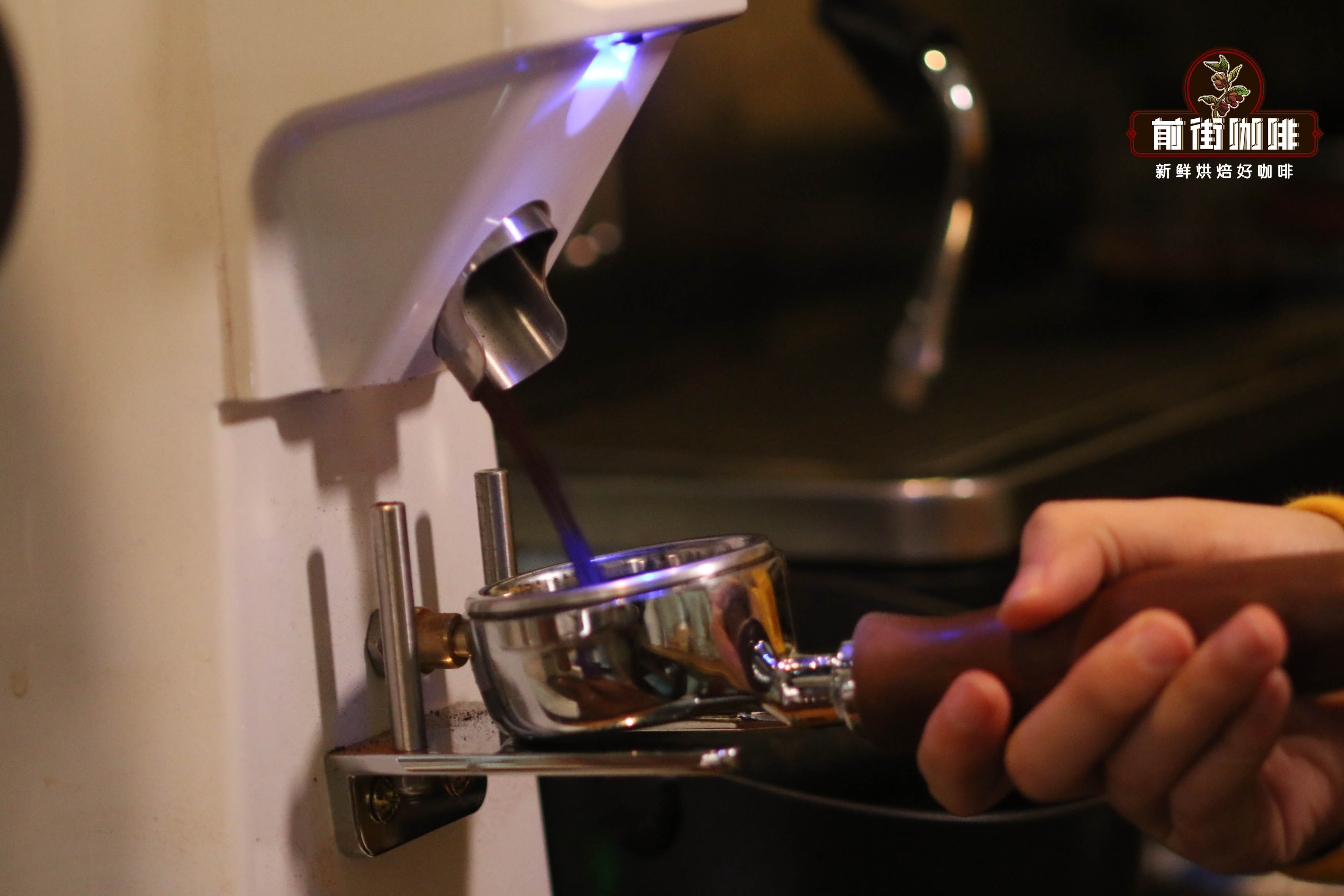
In morning calibration, start with the grind. Correct against yesterday's parameters: with dose and ratio unchanged, if the shot time deviates by more than 1 second, adjust the grind until the error is within 1 second — finer if the shot runs fast, coarser if it runs slow.
Next, taste the espresso straight to judge whether it's normal. If it is, make a latte and taste that too. If the latte tastes bitter and thin, adjust the ratio by pulling less liquid from the same dose. As a general guide, the espresso extraction ratio of grounds to liquid weight is 1:1.5–2.5 (setting extreme cases aside).
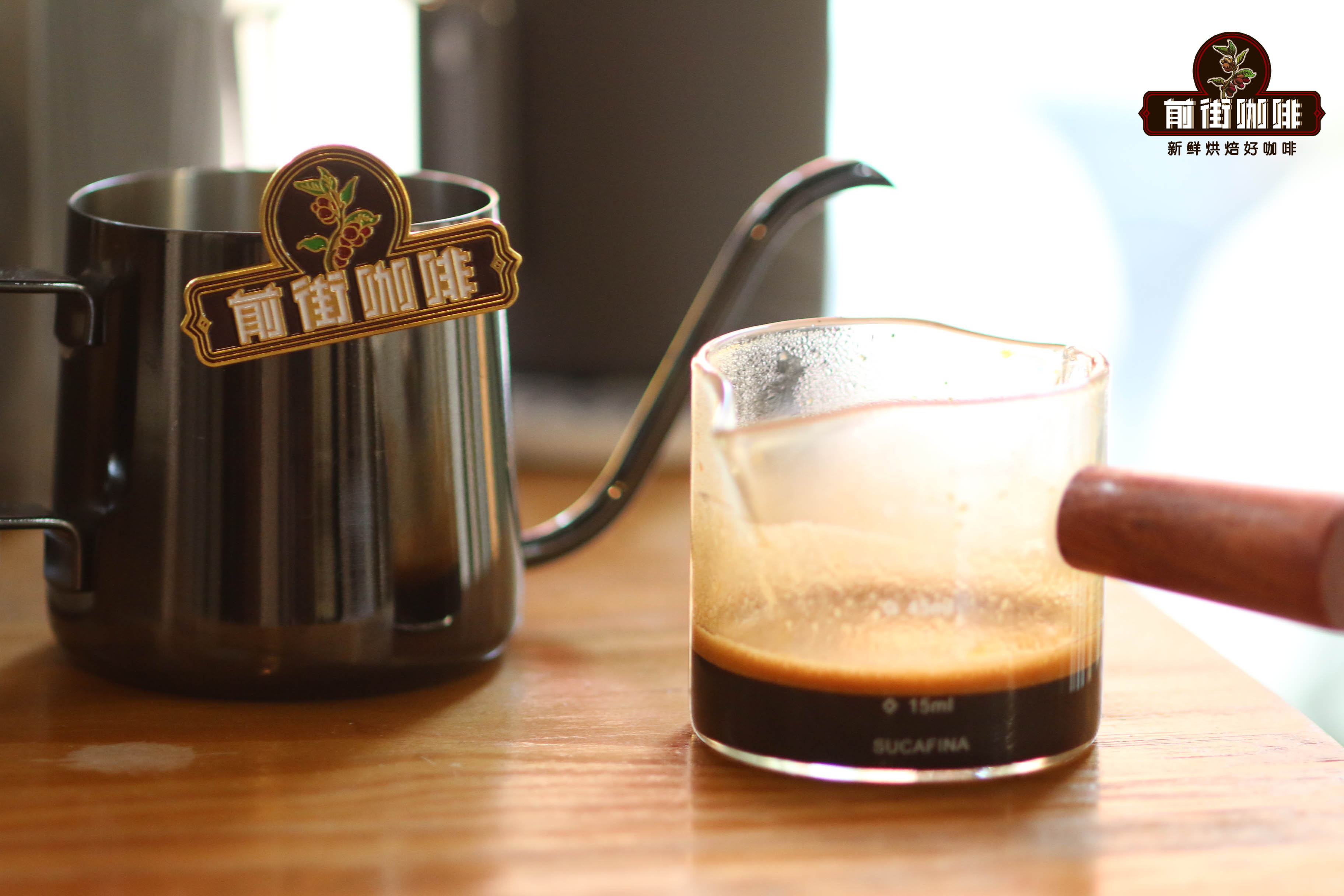
The safe range for dose adjustment is small, since you're constrained by the basket's sensible capacity. Work from your previous parameters in steps of about ±0.5g; if you need to move beyond that, you're effectively redesigning the whole extraction, not fine-tuning it.
One final detail deserves attention: top up the hopper before the beans run out, because hopper pressure also affects grinding stability. When you refill, use beans from a similar roast date. If the new beans come from a different roast batch, finish the old batch first, then load the new beans and re-test and fine-tune from scratch.
FrontStreet Coffee Recommendation
Espresso beans generally come in two camps: blends, which most cafés reach for first, and single-origin espressos (SOE), chosen for a specific taste. Blends exist to make coffee better — combining one bean's smoothness with another's aromatics for a more balanced cup. For traditional-style Americanos and lattes, FrontStreet's Classic Blend and Commercial Blend both add a touch of Robusta to a classic Italian recipe, yielding buttery, nutty, spiced dark-chocolate toast aromas, a bold thick body, and a torrent of golden crema that makes latte art easy.
If nutty espresso is your thing, the FrontStreet Premium Blend (washed Colombian Huila with Brazilian Cerrado) brings nuts, chocolate, and caramel with pleasant acidity — the house bean behind FrontStreet's own Americanos and lattes for nearly a decade. Prefer a single origin? The FrontStreet natural Hua Kui SOE (Guji, Ethiopia, up to 2,300m) offers cream, cocoa, berries, soft florals, and black tea, while the low-acid FrontStreet Fazenda Empress Brazil Yellow Bourbon SOE shows butter cookie, macadamia, and toasted bread sweetness in a medium-dark roast.
Important Notice :
FrontStreet Coffee is a long-established specialty coffee roaster in Guangzhou China, selling freshly roasted beans from its own farm in Yunnan as well as dozens of carefully selected single-origin beans from around the world for both pour-over and espresso. The products deliver consistently excellent quality and great value, with shipping within 24 hours. Guangzhou's FrontStreet Coffee shop is recommended by many coffee lovers, and the beans are now available online at the Tmall 。
FrontStreet Coffee has moved to a new address:
FrontStreet Coffee Address: 315,Donghua East Road,GuangZhou
Tel:020 38364473
 Scan and follow the En Gafei WeChat official account. Please indicate that the reprint comes from "En Gafei".