
How to Customize Your Pour-Over Coffee Brewing Method? What Are the 4 Key Detail Parameters?
Many coffee lovers settle into their own brewing habits—and when they visit FrontStreet Coffee and see such a wide range of beans on the menu, some vow to work their way through every single one.
But when they actually buy a bean they've never brewed before, they suddenly freeze up and ask FrontStreet Coffee how to handle it. So here are some practical brewing insights.

Know Yourself and Know Your Coffee
Know Yourself: Understand Your Brewing Habits
Most of us are creatures of habit. Once we find a method that works, it's hard to change—and that's fine. The point isn't to overhaul your approach, but to recognize that the parameters and techniques you've settled on for one bean won't suit every bean. Not all coffees respond well to fixed parameters.
Know Your Coffee: Read the Label
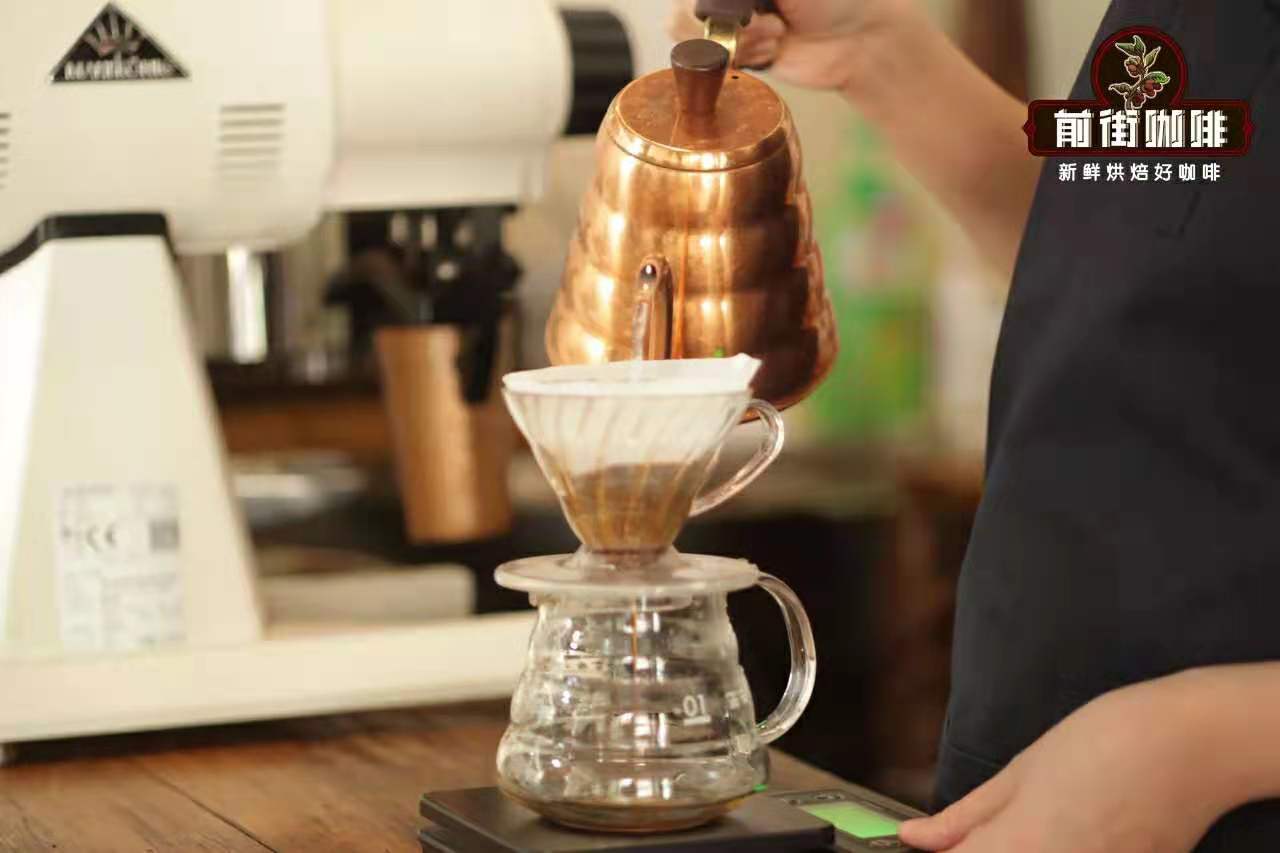
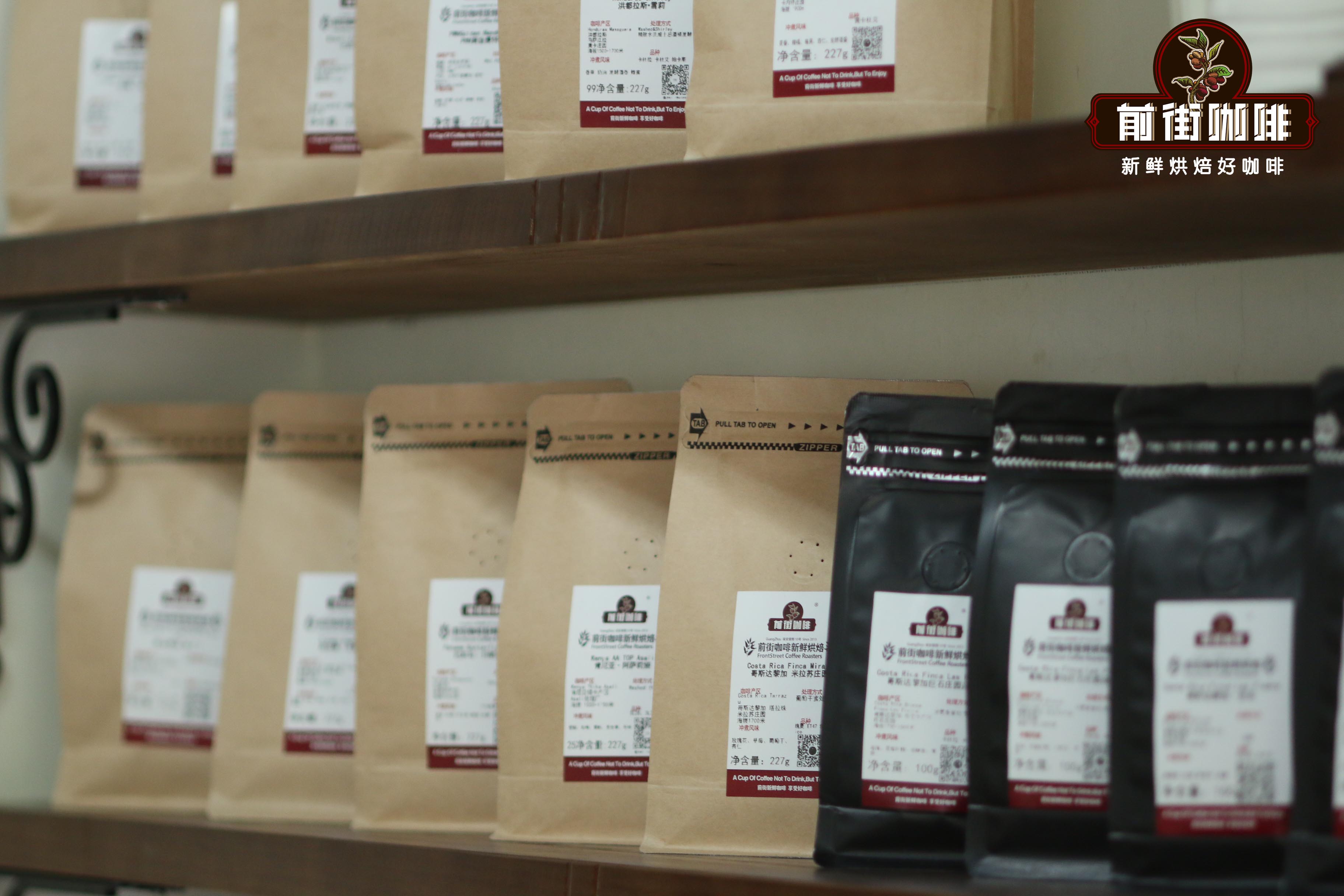
When facing a bean you've never tasted or brewed, the fastest way to get acquainted is to study the label. In pour-over, parameter adjustments depend mainly on the roast level—simply put, whether the bean is light, medium, or dark roasted. Since many labels don't state the roast explicitly, FrontStreet Coffee suggests reading the flavor description for clues.
You can sort flavor notes into a few broad categories:
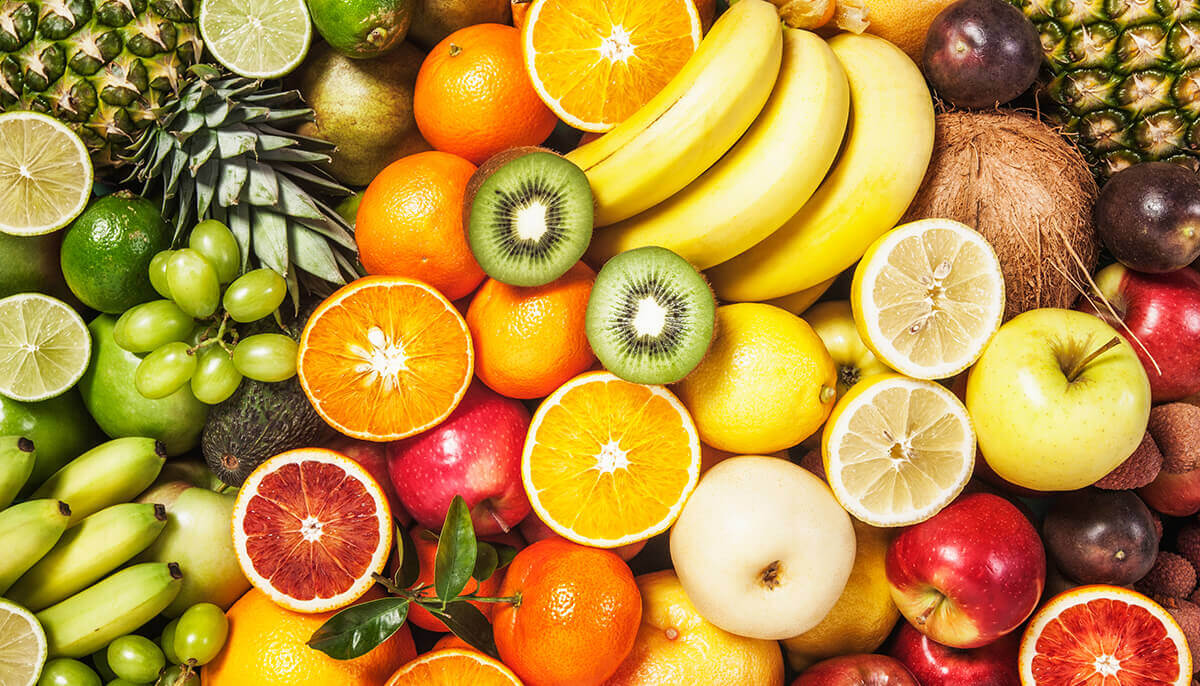
Floral Notes and Fruit Acidity:
White, yellow, and purple flowers; citrus, berries, tropical fruits
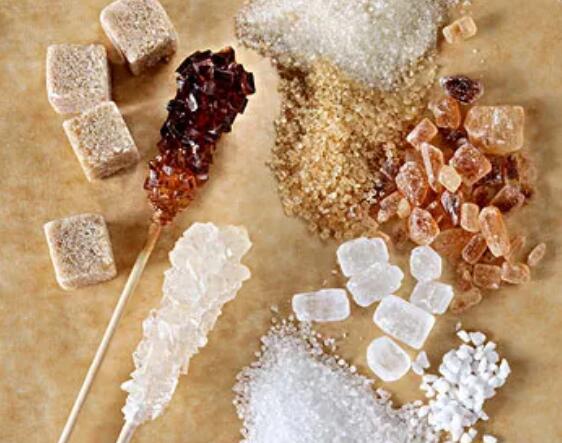
Sweetness:
Honey, cane sugar, brown sugar, maple syrup, caramel
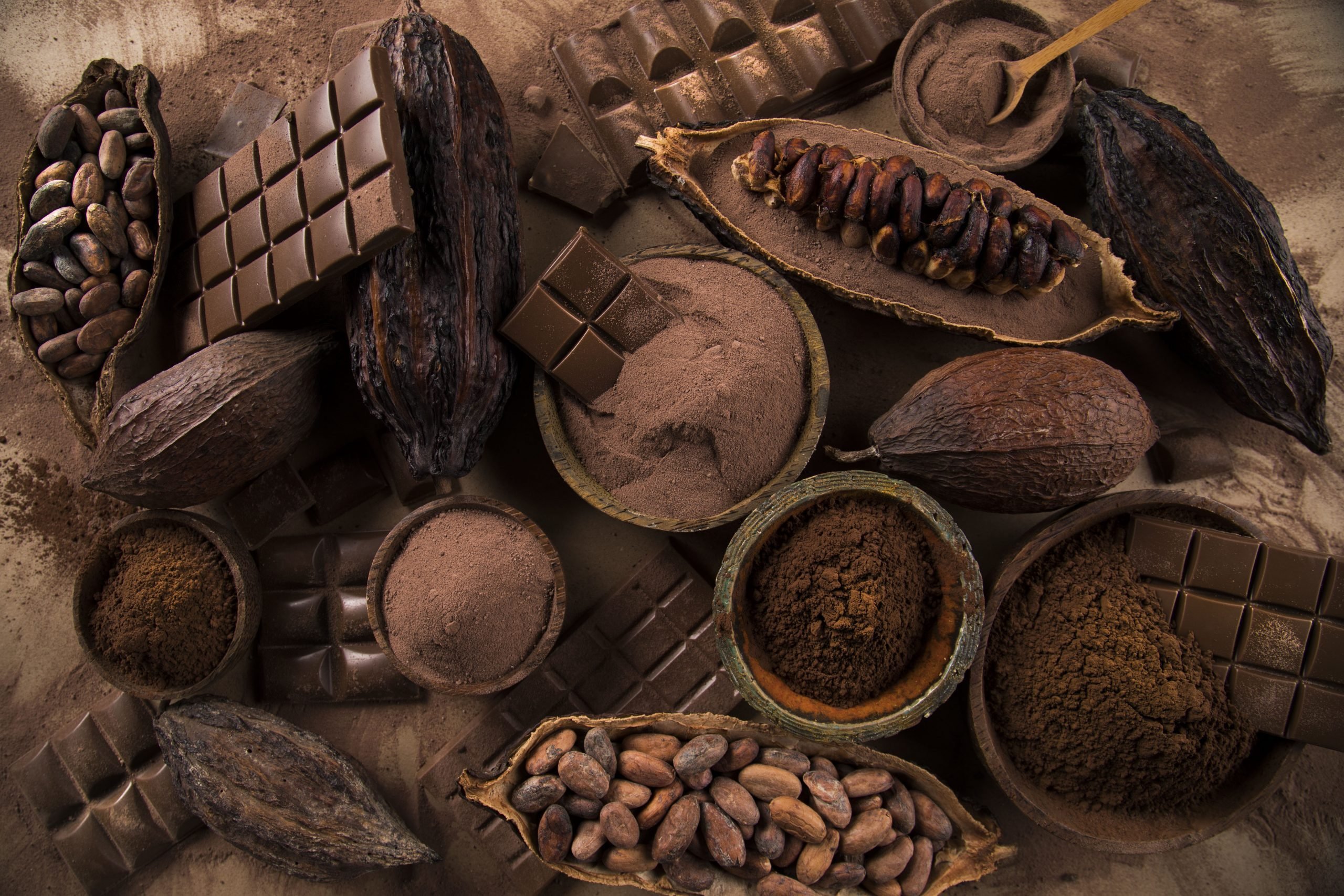
Spices, Nuts, Cocoa, and Bitterness:
Nuts, cocoa and dark chocolate, cinnamon, pine resin
Fermented Aromas:
Wine-like aromas, fermented fruit, lactic notes

When a label's flavor notes are dominated by florals, fruit acidity, fermented aromas, or honey and cane sugar sweetness, the bean is almost certainly a light roast.
When brown sugar sweetness leads, backed by cocoa, dark chocolate, or faint fruit acidity, it's basically a medium roast.
When spices, nuts, cocoa, and bitterness dominate, it's a dark roast.
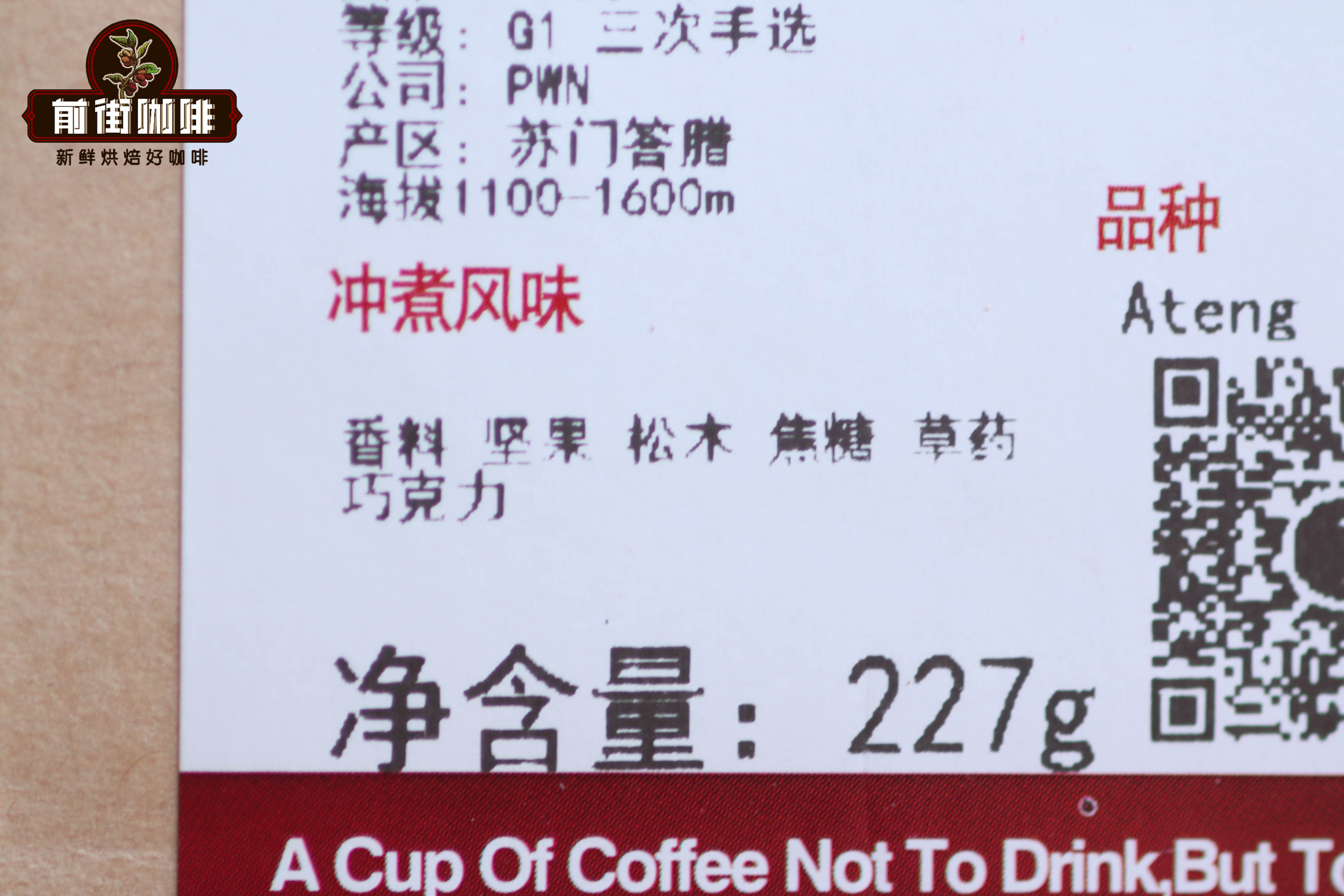
From the flavor description alone, then, you can tell whether you're holding a bright acidic light roast, a balanced medium, or a rich dark one—and adjust your parameters accordingly.
Next, look at the origin, region, and altitude. Different regions carry distinct flavor signatures. Kenya and Ethiopia, for example, are both famous for acidity—but Ethiopian coffee leans toward delicate citrus acidity, while Kenyan acidity comes with a heavier body. Brewing the two identically won't cause disaster, but fine-tuning brings out each bean's best.
Altitude also tells you about bean density (hardness). Low-altitude Brazilian beans, for instance, are softer than high-grown Ethiopian beans, so the grind size needs calibrating differently for each.
Processing method offers hints too. Anaerobically processed coffees are essentially never dark roasted, and they demand recalibrated parameters. With grind size, for example: if a normal bean needs grind setting "a" to produce particle size "x," an anaerobic bean will need a setting finer than "a" to reach the same "x."
Adjusting Brewing Parameters
Once you've sized up the bean, here's how FrontStreet Coffee suggests dialing things in (these figures are guidelines, not laws):
Coffee-to-Water Ratio:
Pour-over typically starts at 1:15, adjustable between 1:13 and 1:16 to taste. Prefer a fuller cup? Go 1:13. Favor a light, subtle brew? Go 1:16.
Grind Size:
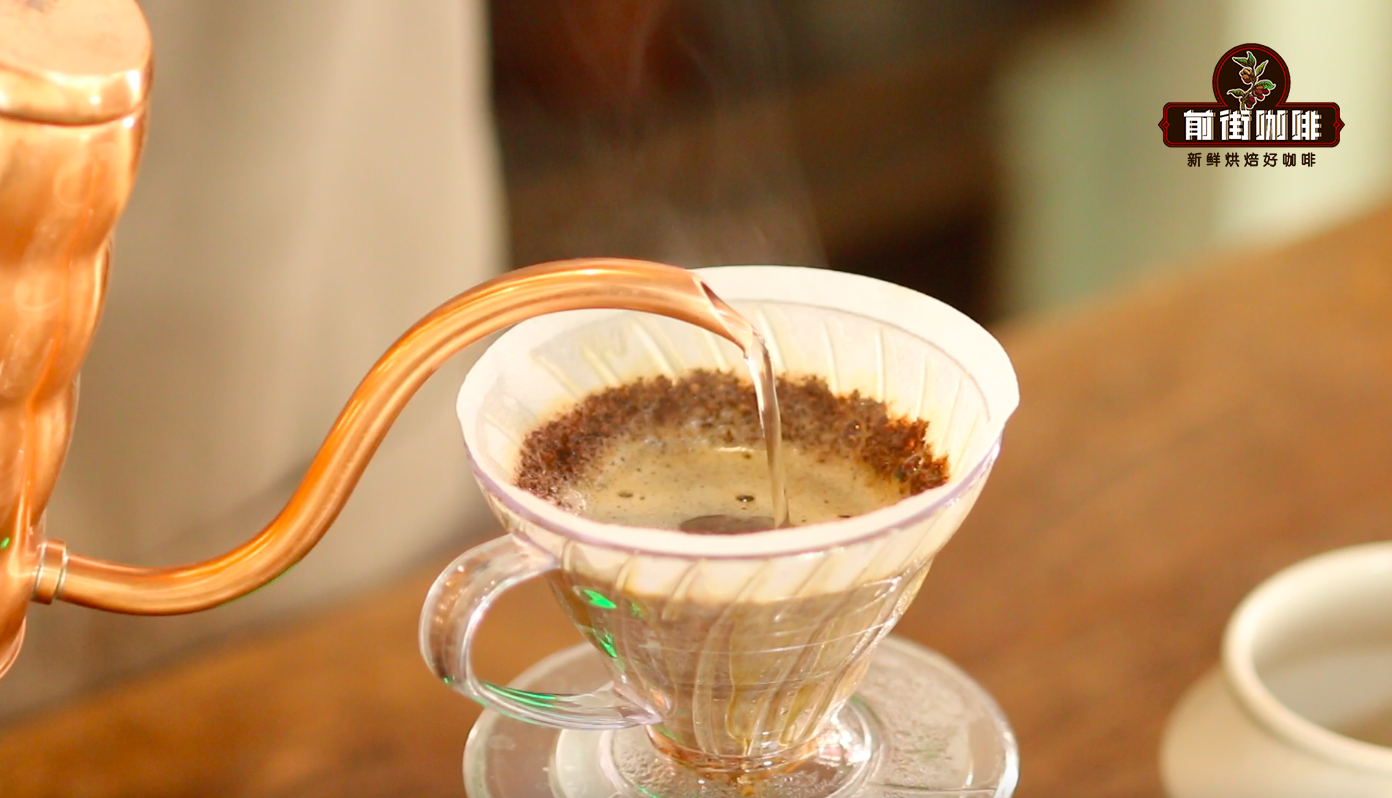
If you can, calibrate with a #20 sieve: aim for 75–80% pass-through for light to medium roasts, 70–75% for medium to dark roasts. If you'd rather not sieve, other reference methods will do.
Water Temperature:
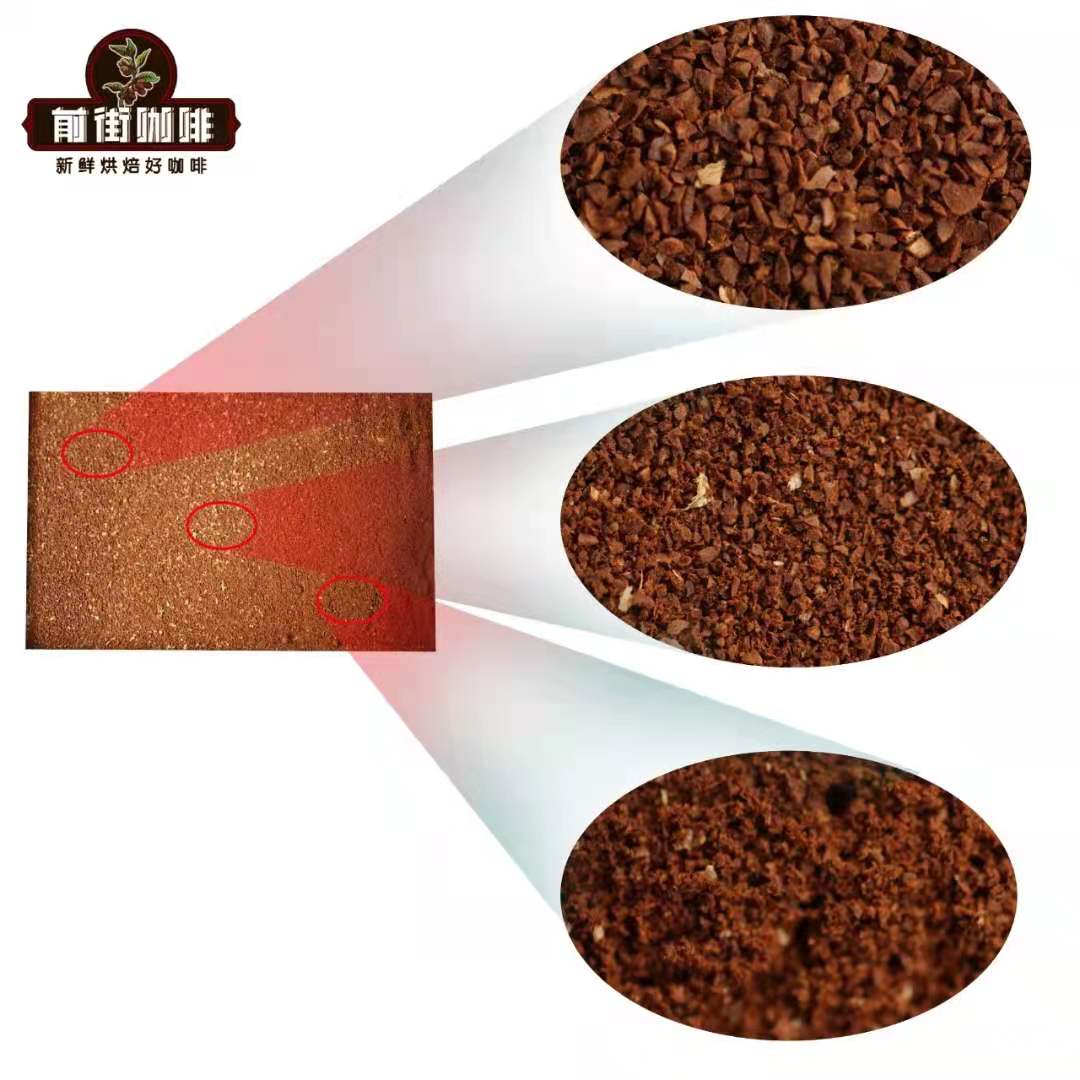
Light roast: 90–93°C; medium roast: 88–90°C; dark roast: 86–88°C.
For light roasts, use the higher end of the range if you want more sweetness, the lower end to play it safe.
For medium roasts, natural processed beans with rich sweetness do well at the higher end, while washed beans suit the lower end.
For dark roasts, 87–88°C is the common choice.
FrontStreet Coffee Recommendation
Matching beans to your brewing method is exactly why the Hario V60 remains FrontStreet Coffee's favorite dripper. Its 60° cone angle and single large outlet extend the contact between water and grounds, drawing out more layered aroma and livelier acidity—perfect for the floral-and-fruit style of beans.
If you're brewing on a V60, try the FrontStreet Ethiopia Guodingding (Yirgacheffe), a classic washed lot with citrus, berries, and a green-tea-like sweet finish, or the FrontStreet Ethiopia Huakui natural, bursting with tropical fruit—strawberry, passion fruit, jackfruit—and remarkably low in bitterness. Both are light roasts that show exactly what a V60 does best.
For those who prefer something rounder and less acidic, the FrontStreet PWN Golden Mandheling—herbal, dark chocolate, low acidity—works beautifully too, proving the V60 is more versatile than its reputation suggests.
Important Notice :
FrontStreet Coffee is a long-established specialty coffee roaster in Guangzhou China, selling freshly roasted beans from its own farm in Yunnan as well as dozens of carefully selected single-origin beans from around the world for both pour-over and espresso. The products deliver consistently excellent quality and great value, with shipping within 24 hours. Guangzhou's FrontStreet Coffee shop is recommended by many coffee lovers, and the beans are now available online at the Tmall 。
FrontStreet Coffee has moved to a new address:
FrontStreet Coffee Address: 315,Donghua East Road,GuangZhou
Tel:020 38364473
 Scan and follow the En Gafei WeChat official account. Please indicate that the reprint comes from "En Gafei".

