Introduction to the Correct SCA Coffee Cupping Process Flowchart - What is the Purpose of Cupping?
The Professional Art of Coffee Cupping: Understanding Coffee Evaluation
Have you noticed that when baristas recommend coffee beans, they often mention which competitions those beans have won and where they placed? It sounds impressive, but what is the basis for those rankings? Today FrontStreet Coffee will introduce the most professional method of coffee evaluation: cupping.
Let us start with a challenging question.

Which brewing method involves the least human intervention? Which method can objectively evaluate a coffee bean?
A. Pour-over drip method B. Immersion method
Recall that pour-over extraction relies mainly on the water flow to impact and agitate the grounds, and the circular pouring motion during brewing is a human factor. The immersion method, by contrast, involves only a single pour, letting the grounds remain stationary during extraction.
To evaluate the quality of a coffee bean, the best approach is to let it reveal its true character. Choosing a method with minimal human intervention that best represents the bean's original flavor gives an objective evaluation. Using group evaluation (no fewer than 3 people), multiple samples from the same group and hidden sample information can effectively improve objectivity. Cupping uses precisely this low-interference method to evaluate coffee beans.
So the correct answer is B.
What is the Purpose of Cupping?
Cupping is most commonly used in green coffee trading and in post-roasting evaluation. In coffee trade, the two parties negotiate on certain conditions, one of which is the cupping score of the beans. The seller cups before shipping from the port, while the buyer cups again after the ship arrives and unloads. Only after both sides confirm there are no quality issues is the transaction completed.
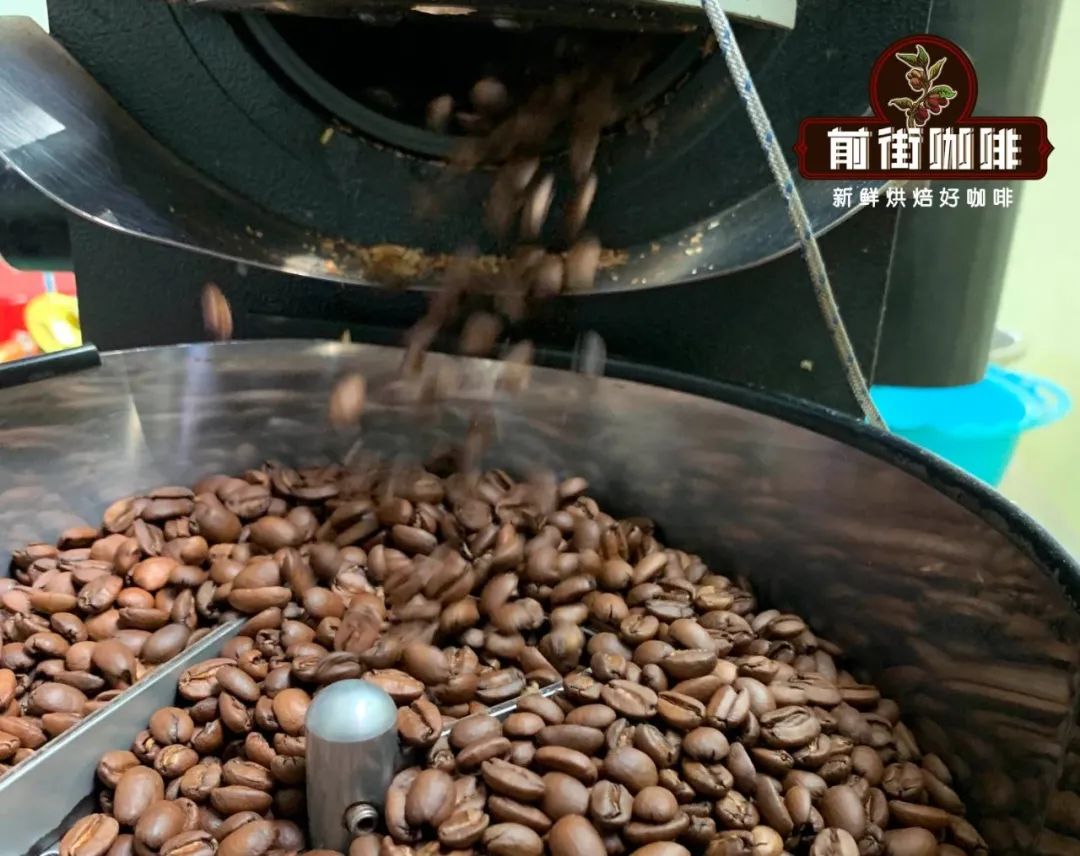
After beans are roasted, roasters and baristas cup them to evaluate flavor and quality, to determine the optimal roasting and brewing methods, and to assess the condition of the green coffee. The purpose of cupping, then, is to evaluate the quality of beans in trade and roasting and to find the best way to present their optimal flavors.
The Correct Cupping Process
1. Pre-Cupping Preparation
Besides regular tools like grinders, scales, thermometers, cups and spoons, cupping has specific requirements for grind, water temperature and ratio.
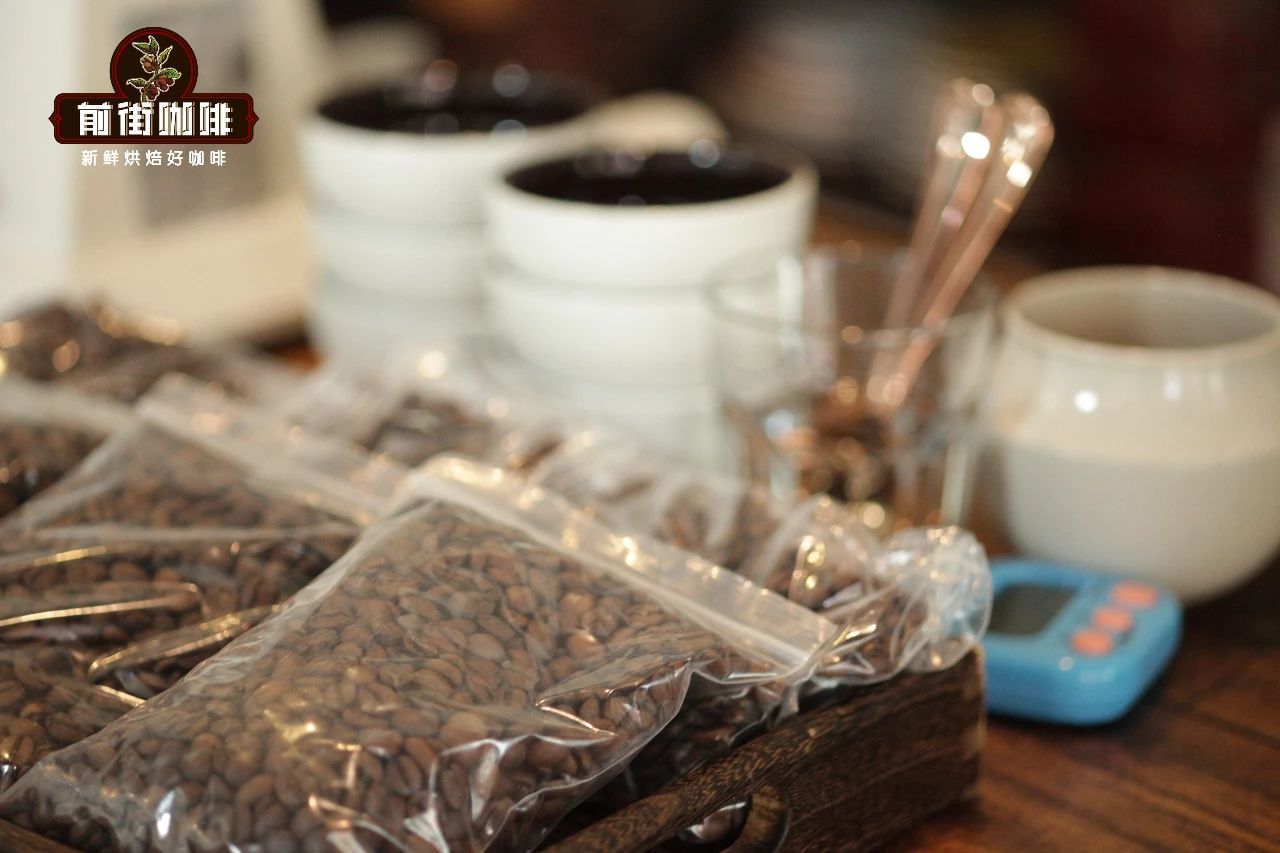
- Coffee to water ratio: 1:18.18
- Grind size: 70%-75% of coffee particles can pass through a 0.85mm sieve
- Water temperature: 92°C-94°C
- Time: 4 minutes
- Water quality: TDS between 75ppm-250ppm is acceptable. Most commercial mineral waters fall within this range.
Attention! Please do not use distilled water or tap water.
2. Cupping Guidelines
- During cupping, maintain silence. Avoid communicating with others or using body language.
- Participants should avoid substances like perfume that might affect others' sensory perception.
3. Beginning the Cupping Process
Weigh the ground coffee into cupping bowls and cover them with lids. After confirming with team members, open all lids at once to evaluate the aroma. After confirming the dry fragrance through two rounds, move on to pouring.
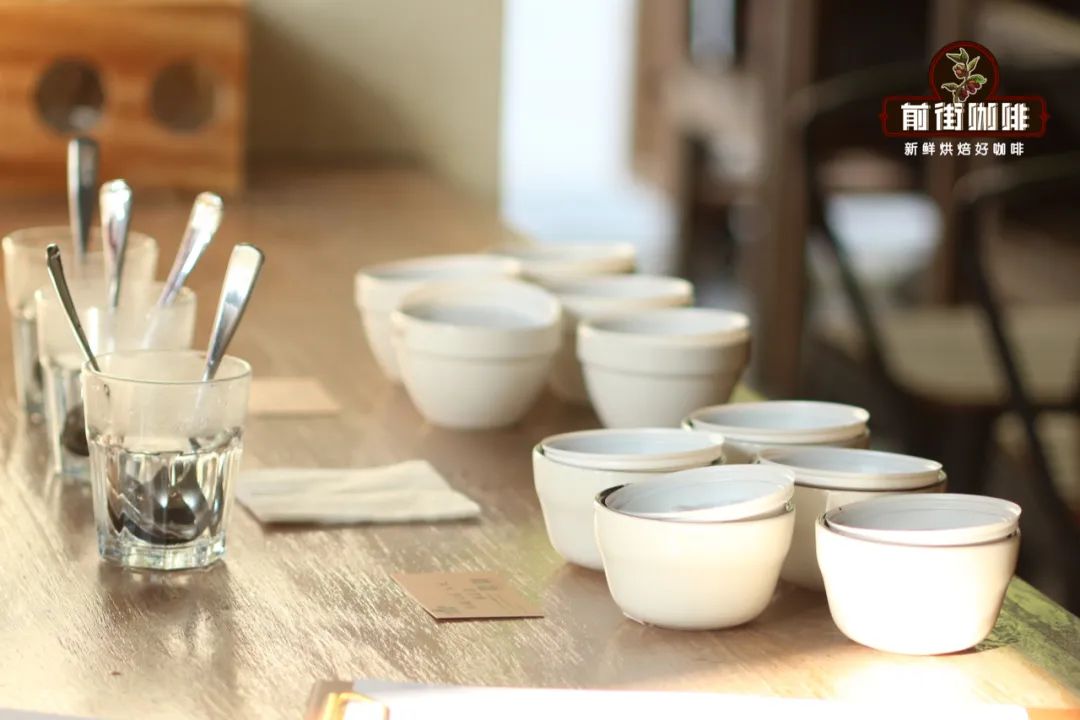
Pour 94°C hot water all at once at the 1:18.18 ratio and start the timer. After pouring, evaluate the wet aroma. In the meantime, prepare two bowls of hot water and two cupping spoons for each sample. When the time reaches 4 minutes, you can proceed to break the crust and remove the grounds.
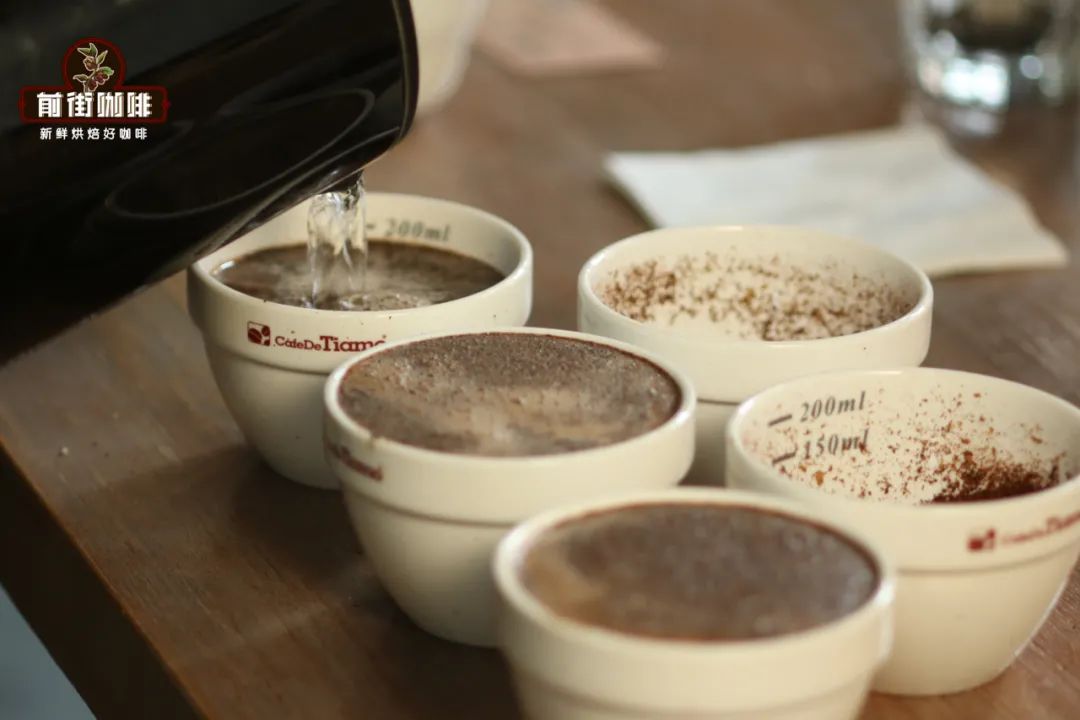
After 4 minutes, gently push the cupping spoon through the coffee surface three times to break the crust, revealing the golden oils on the surface.
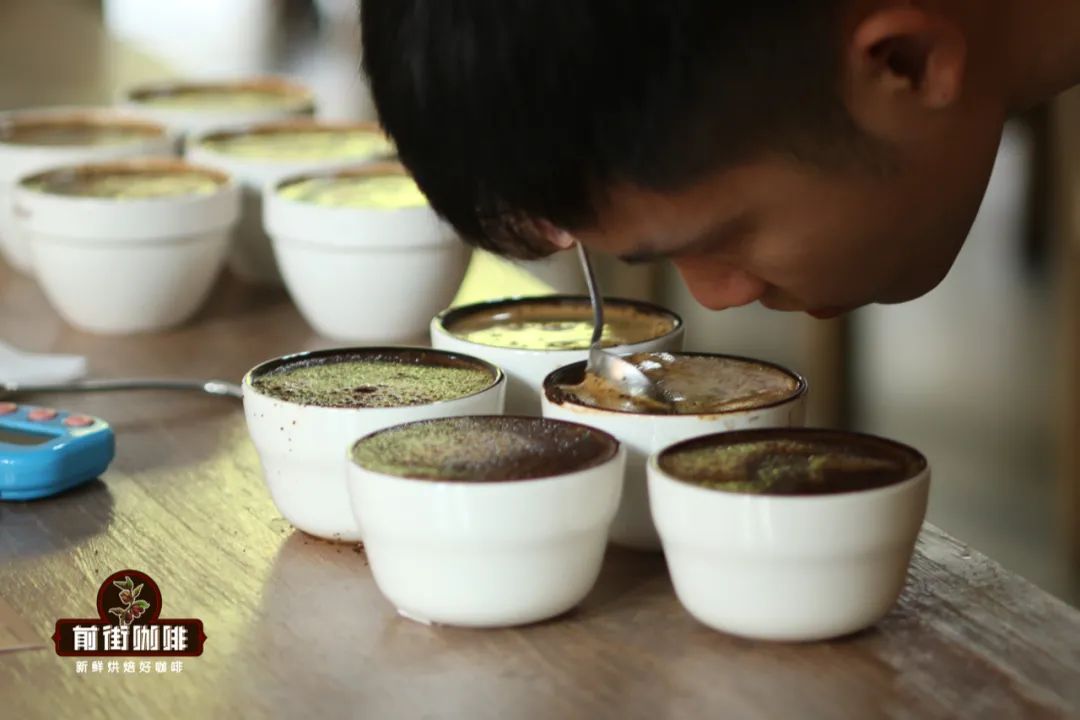
Use the cupping spoon to remove all remaining grounds and debris from the surface; this step is called crust removal. Before each removal, rinse the spoon in hot water and wipe it with a paper towel so no residual water remains, avoiding any confusion of flavors.
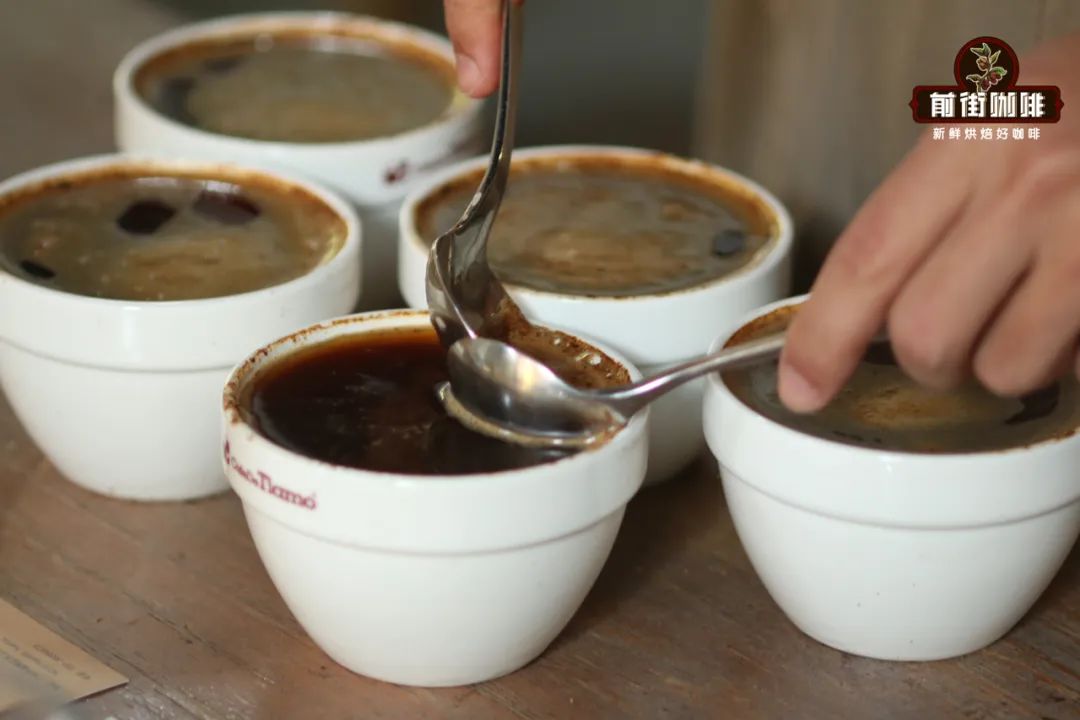
After removing the crust, conduct another round of wet aroma evaluation. The wet aroma after crust removal closely resembles the flavor when tasted. When the coffee temperature drops to 70°C, you can begin tasting.
During cupping we use slurping for tasting. Though the loud sound might seem impolite, the action aerosolizes the coffee liquid, speeding up perception while enhancing retronasal olfaction and the taste perception of coffee flavors.
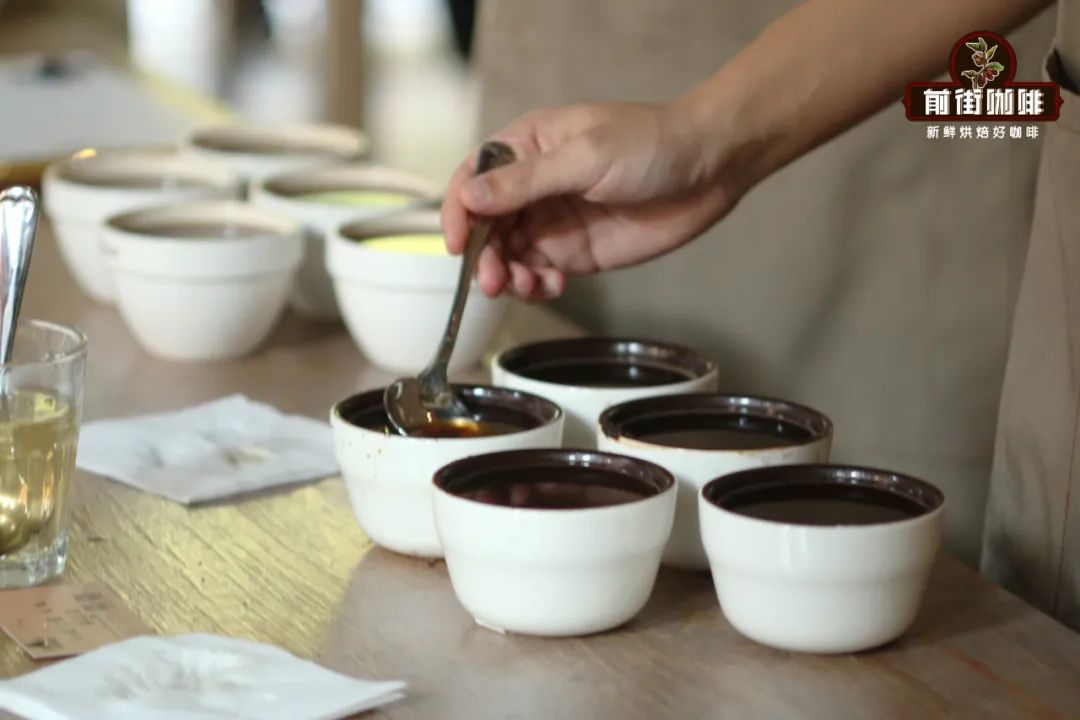
Flavors present themselves differently at different temperatures. The optimal cupping time is while the coffee is still warm, allowing evaluation of flavor, acidity, sweetness, aftertaste, mouthfeel and other aspects.

Finally, hold a group discussion and calculate the scores. Combining the scores from all participating members gives the final cupping score for the bean.
FAQ: Why Prepare 5 Samples for Cupping One Coffee Bean? Aren't 3 Enough?
Cupping first originated in Brazil. As the world's largest coffee exporting country, its cupping results are one of the main factors affecting coffee bean pricing. When beans are classified as specialty coffee, their prices rise accordingly. The Brazil cupping association uses a rotating circular table where each coffee bean is prepared as 5 samples; after testing one bean you simply rotate the table to the next. Over time, 5 cups became the industry standard sample quantity for cupping. SCA's cupping evaluation method, for example, specifies that cupping one coffee bean sample requires 5 cups, evaluating sweetness, cleanliness and consistency across all 5.
For home enthusiasts, FrontStreet Coffee suggests preparing 3 samples. This meets the objective standards of cupping while saving some coffee beans.
FrontStreet Coffee Recommendation
If you want beans that reward a careful cupping, try FrontStreet Yirgacheffe Gedingding. This lightly roasted washed Ethiopian coffee from the Gedingding cooperative shows white jasmine, bright citrus and lemon acidity and a clean tea-like finish, with acidity that is soft and bright rather than sharp - exactly the kind of clarity that makes sweetness, cleanliness and consistency easy to judge across several cups.
For a more complex sample to test your palate, FrontStreet Ethiopia Huakui is a naturally processed coffee with pronounced tropical fruit aromatics of strawberry, passion fruit, jackfruit and even lychee, plus low bitterness and a smooth, juicy body. Cup the two side by side and the differences in aroma, acidity and aftertaste become much easier to name.
Important Notice :
FrontStreet Coffee is a long-established specialty coffee roaster in Guangzhou China, selling freshly roasted beans from its own farm in Yunnan as well as dozens of carefully selected single-origin beans from around the world for both pour-over and espresso. The products deliver consistently excellent quality and great value, with shipping within 24 hours. Guangzhou's FrontStreet Coffee shop is recommended by many coffee lovers, and the beans are now available online at the Tmall 。
FrontStreet Coffee has moved to a new address:
FrontStreet Coffee Address: 315,Donghua East Road,GuangZhou
Tel:020 38364473
 Scan and follow the En Gafei WeChat official account. Please indicate that the reprint comes from "En Gafei".