Pour-Over Coffee Essentials: The Three-Stage Pouring Method for Beginners
On the question of "how to brew coffee that tastes good," most people know that as long as you get the grind size right, choose a suitable water temperature, keep a proper ratio, and pour with a steady stream, the coffee will generally turn out well. What few people notice is that the number of water pours can also change the taste.

What Is Three-Stage Extraction?
What actually changes in the coffee when water is added in stages?
Three-stage extraction means dividing the total water needed for the brew into three separate pours. Through the whole sequence of pour, wait, pour, wait, pour once more, the temperature of the water you pour keeps falling, yet the water temperature inside the dripper actually rises and falls in a wave-like pattern.

Because of the heat retention of the pour-over kettle and the large temperature gap between the water in the kettle and the water in the dripper, the temperature of the water and grounds in the dripper drops noticeably over a given waiting period, while the water in the kettle changes by only about 1°C. The grounds therefore go through a cycle of heating, cooling, reheating, cooling again, and reheating once more, which releases different flavor compounds along the way.
What Is the Point of the Wave-Like Temperature Swings?
Which coffee flavors are extracted at which temperatures?
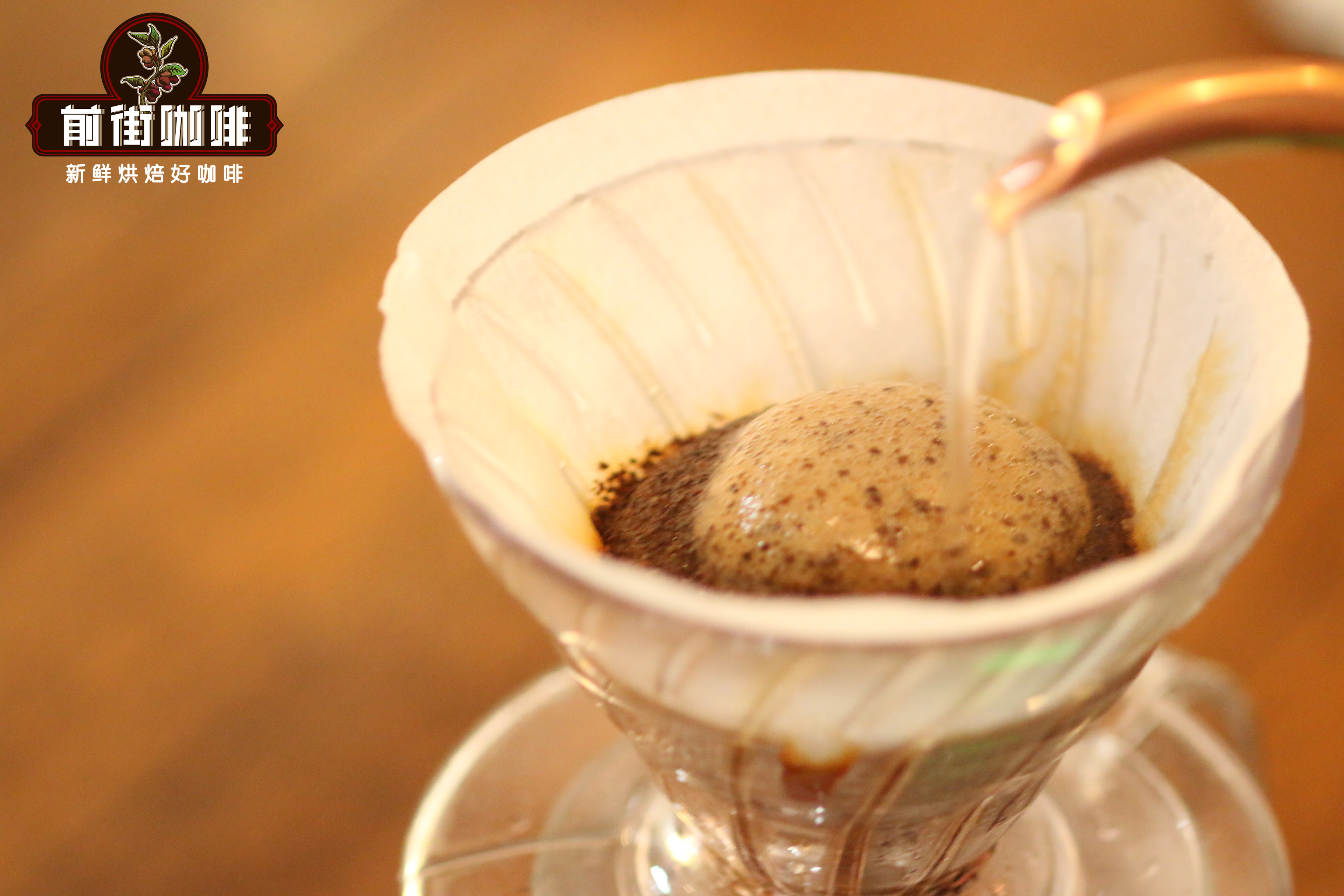
When the first pour goes in, both the water and the grounds are at their hottest for the whole brew. Under the sudden surge of thermal motion, carbon dioxide in the coffee particles quickly becomes active, forming countless bubbles between the particles. These bubbles seal the surface of the particles and keep the flavor compounds inside from being released effectively.
As the saying goes, the freshness of coffee beans matters, and fresher beans hold more carbon dioxide. After this first pour, then, you need a relatively long pause; the longer the surface keeps bubbling, the more carbon dioxide is present.
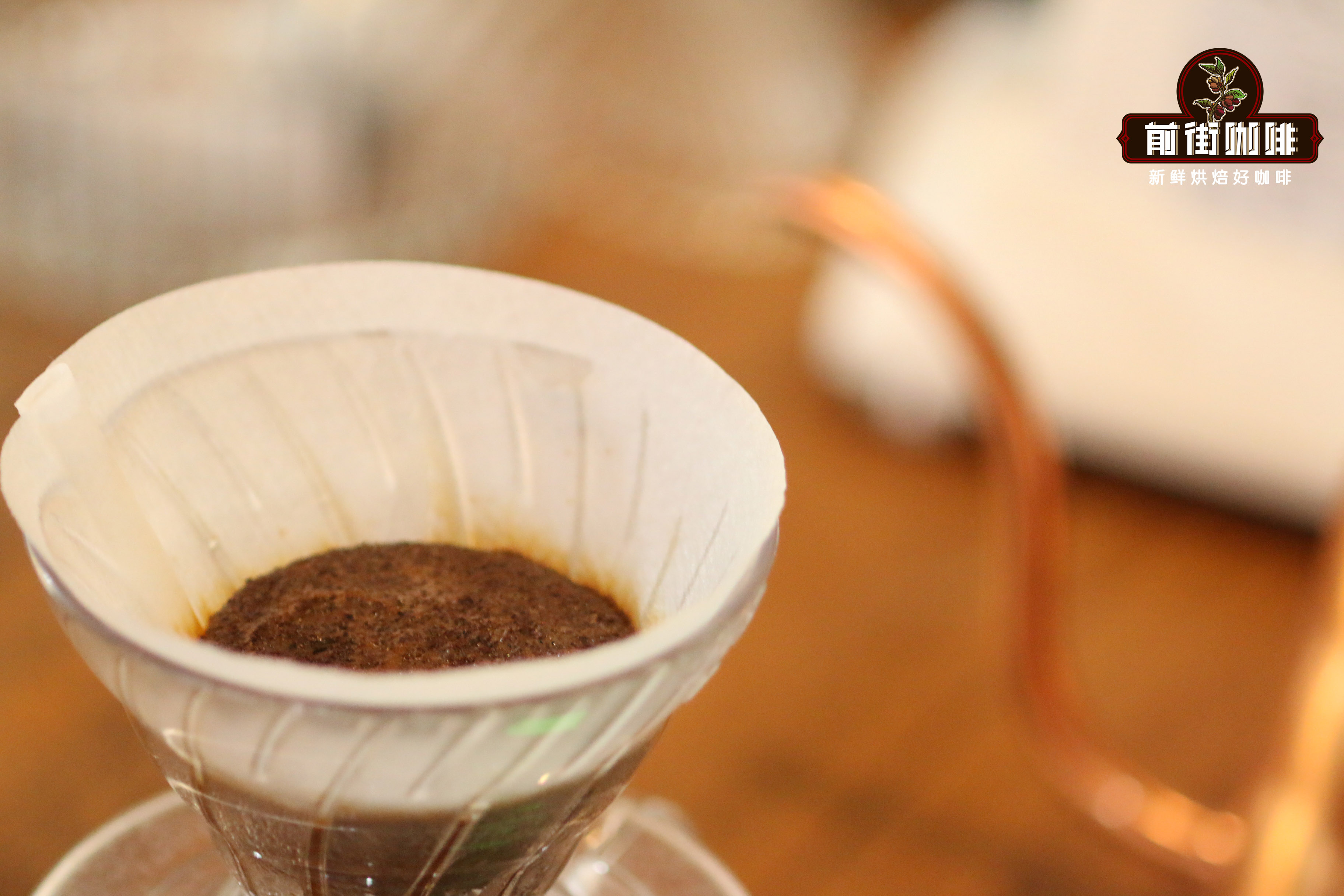
Depending on how much the beans have degassed, it is recommended to let the pour-over bloom for 20-40 seconds, allowing carbon dioxide to escape into the air and reducing the bubbles formed within the bed, which helps stabilize and even out the extraction that follows. During the bloom the grounds keep cooling. The coffee particles release carbon dioxide for roughly the first two-thirds of the time, and over the remainder they begin to release acidic compounds. Citrus-like and berry-like aromatics, for example, are released in this first stage.
After the second pour the grounds temperature rises again. This is the best moment to extract sweet-and-sour flavor and aroma compounds. So if you are brewing medium-light roast beans or beans rich in aroma, you can slow the pour rate during this stage (3-4g per second), letting the second extraction stage stretch a little so the pleasant compounds come out more fully.
Thanks to the first two pours, the heat in the grounds is now fairly balanced. After the third pour, then, the grounds temperature differs little from the second stage, by about 2°C. By this point the compounds that form the coffee's main flavor have largely been extracted, leaving the release of large-molecule compounds, the bitter substances that build body and add overall depth. During this stage you can readjust the pour rate (4-5g per second) to avoid over-extraction late in the brew that might bring out woody flavors.
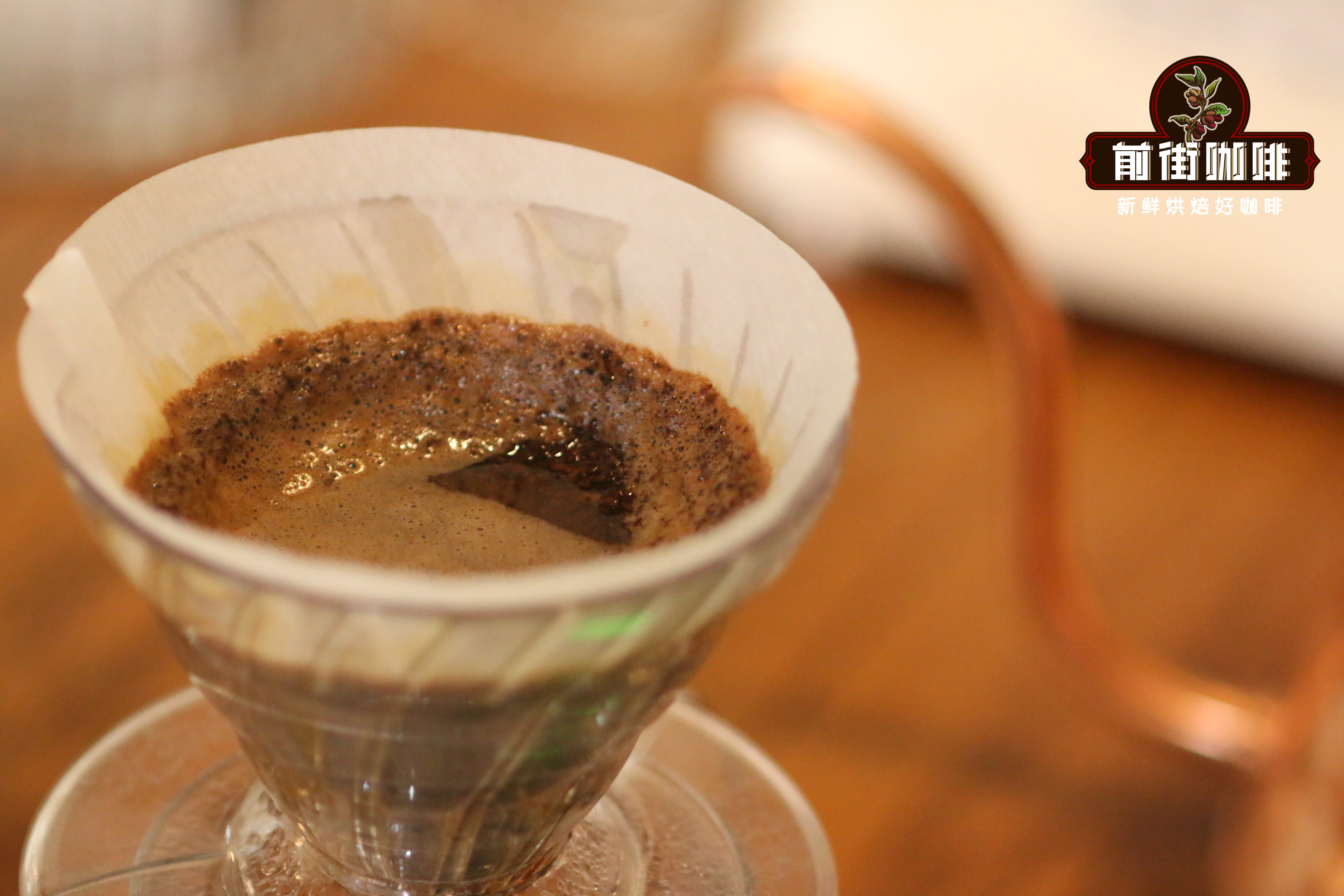
The great advantage of three-stage extraction is that it lets you control how much of a given type of compound is released by adjusting the size of each pour, allowing more varied presentations of coffee flavor.
What If You Don't Pour in Stages?
How would the coffee taste then?
First, the main purpose of segmenting is to let the coffee particles release carbon dioxide over a set span, making the extraction that follows more stable. If you pour all the water at once, without a bloom, carbon dioxide keeps forming bubbles between the particles and rising upward. The channels through which water flows then become uncontrollable, and the extraction turns uneven.
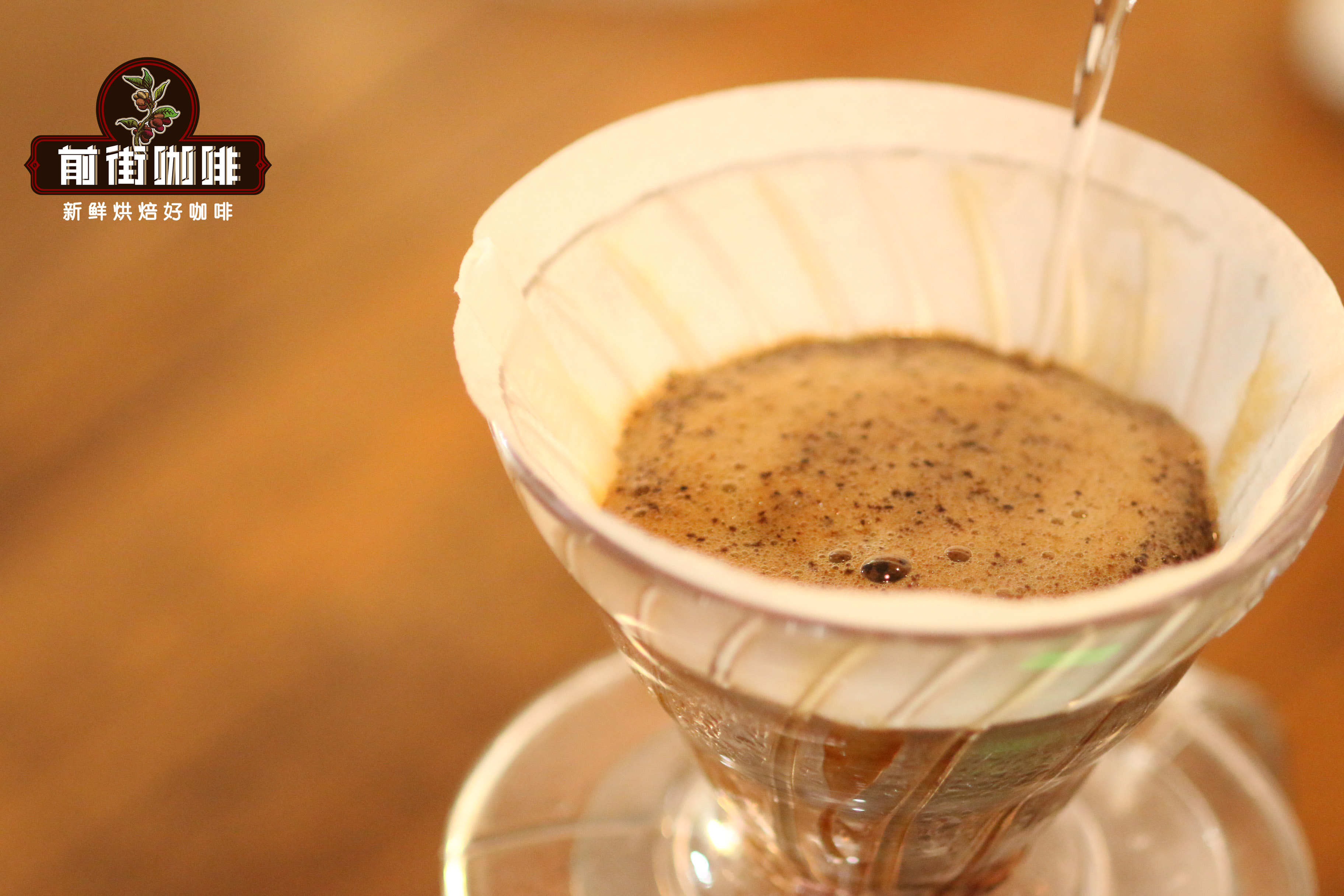
Even if the beans themselves do not hold much carbon dioxide, staged extraction is still worthwhile. Take light roast coffee: the lighter the roast, the denser the bean and the harder it is for flavor compounds to be released. Water then keeps washing away substances on the surface of the particles while the inside has no time to release anything, so the cup suffers from over-extraction of surface substances and tastes flat and unpleasantly astringent. That also explains why an under-extracted coffee can still taste astringent.
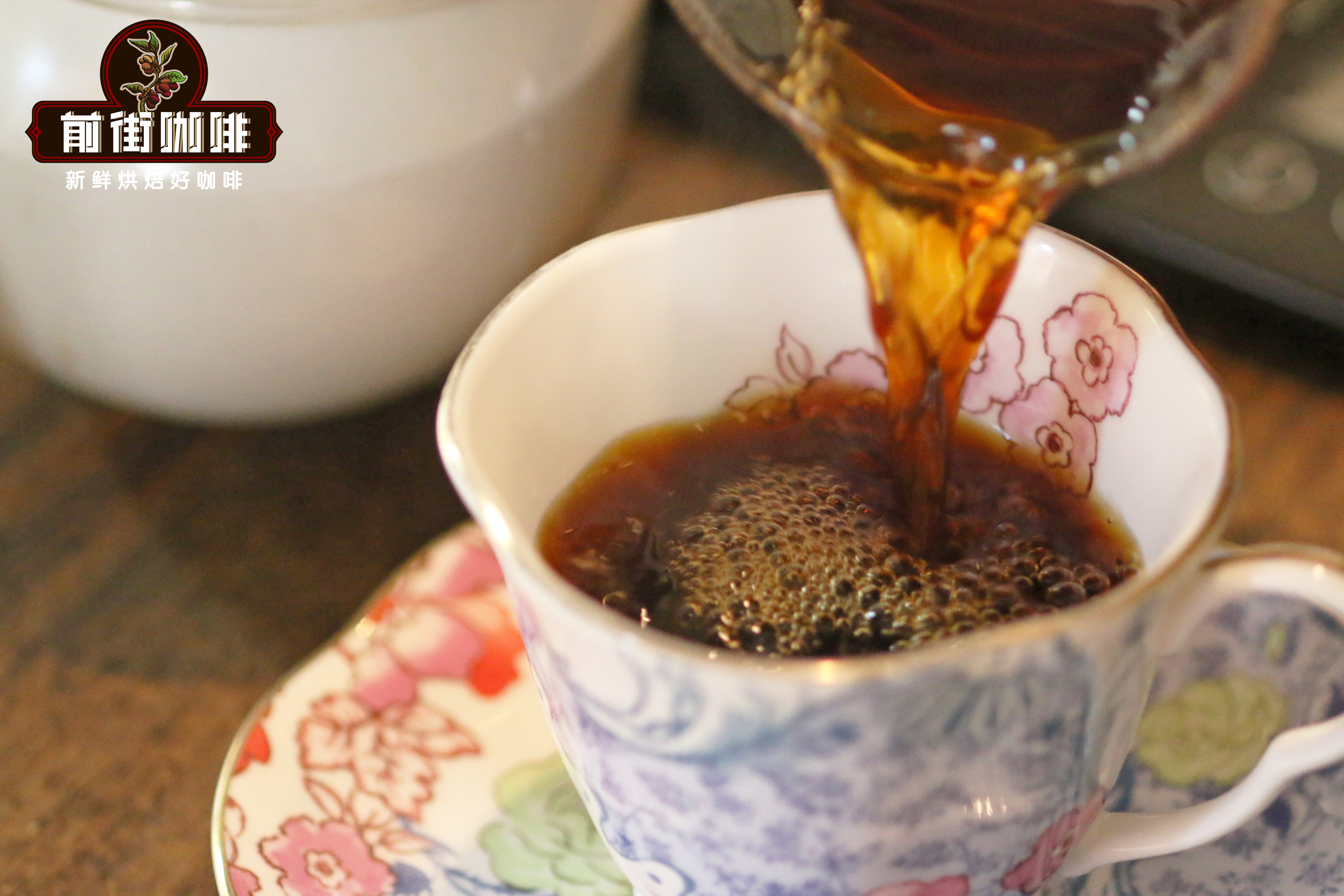
Of course, that doesn't mean you can't brew delicious coffee without staged pours, but it does require that you understand the beans well and have real insight into brewing before you adjust parameters and technique. So if you want more complexity in your cup, three-stage extraction is the best choice. Just keep in mind that more stages isn't automatically better; too many pours can easily backfire.
FrontStreet Coffee Recommendation
The fast, even extraction of a V60 is what makes the three-stage method shine, which is why FrontStreet Coffee so often reaches for a light roast. FrontStreet Coffee's Yirgacheffe Guodingding is a fine first stop for specialty coffee: it carries vivid citrus, berry, and floral notes with a green-tea sweetness on the finish, and its acidity is soft and bright rather than sharp, making it very easy to enjoy.
For something more fruit-forward, FrontStreet Coffee's Ethiopia Huakui is one of the most successful star products in the specialty market, prized for its tropical aromatics of strawberry, passion fruit, jackfruit, and even lychee. It is notably sweet, with very little bitterness, going down smooth and juicy, so it suits anyone who finds traditional coffee bitterness hard to take. If you want to explore a classic washed profile, FrontStreet Coffee's Panama Emerald Estate Red Label Geisha brings elegant jasmine alongside citrus, bergamot, and black tea notes, with a clean, transparent body and a long, layered finish.
Important Notice :
FrontStreet Coffee is a long-established specialty coffee roaster in Guangzhou China, selling freshly roasted beans from its own farm in Yunnan as well as dozens of carefully selected single-origin beans from around the world for both pour-over and espresso. The products deliver consistently excellent quality and great value, with shipping within 24 hours. Guangzhou's FrontStreet Coffee shop is recommended by many coffee lovers, and the beans are now available online at the Tmall 。
FrontStreet Coffee has moved to a new address:
FrontStreet Coffee Address: 315,Donghua East Road,GuangZhou
Tel:020 38364473
 Scan and follow the En Gafei WeChat official account. Please indicate that the reprint comes from "En Gafei".