
Beginner's Guide to Home Coffee Brewing Equipment: Dripper Recommendations for Household Coffee Brewing
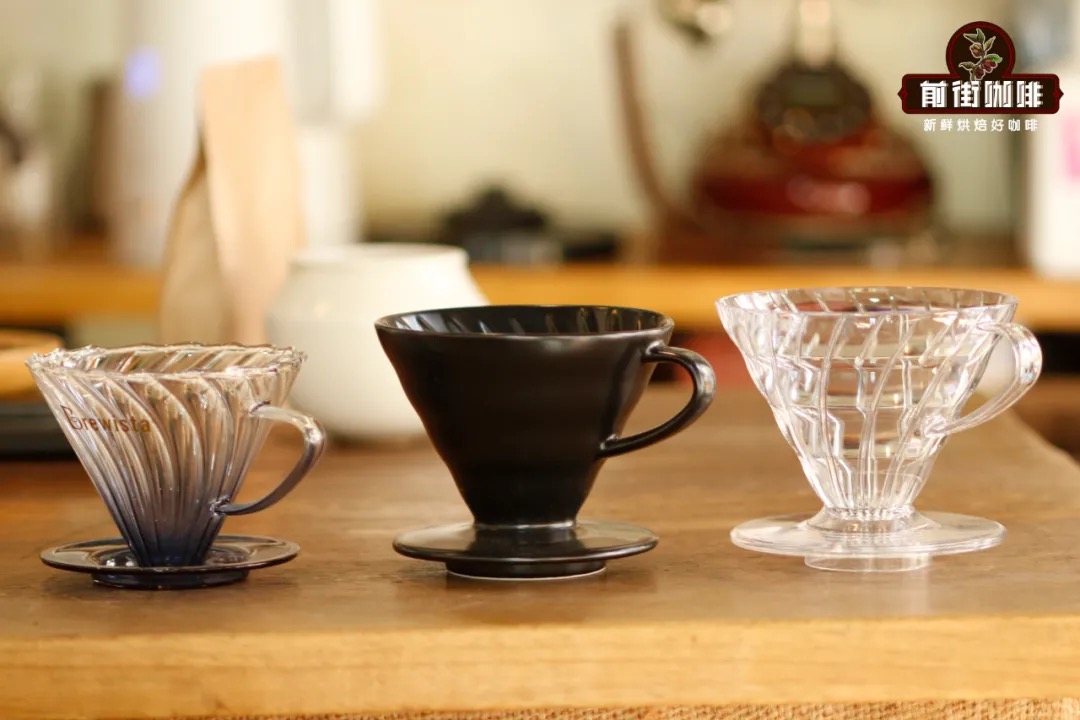
Not long ago, a reader messaged FrontStreet Coffee on WeChat: "I just want to buy a simple V60 dripper... why are there so many different materials? The prices vary so much — do they actually change how the coffee tastes?"
Do drippers made of different materials really brew different coffee?
The most common V60 materials on the market today are resin, glass, and ceramic, and the main differences between them come down to heat retention and flow behavior. (Portable aluminum versions and pricey brass ones exist as well, but since neither is mainstream, this comparison skips them.)
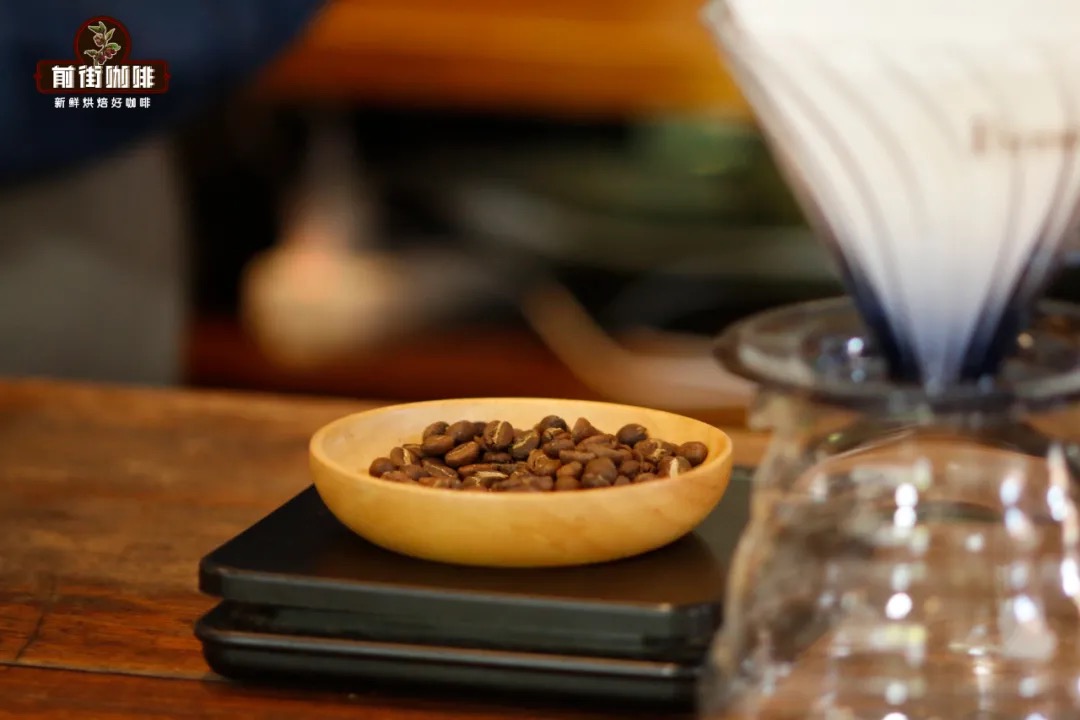
For the comparison, FrontStreet Coffee brewed Ethiopian Yirgacheffe Gedeb washed beans in each dripper, keeping the parameters identical throughout: a 15g dose, 91°C water, a medium-fine grind (matching granulated sugar), a 1:15 coffee-to-water ratio, and two pours.
Heat Retention Test
FrontStreet Coffee first measured the coffee bed temperature at four points — dripper unpreheated versus fully preheated, during blooming, during the pour, and after extraction finished.
Unpreheated Drippers
| Material | Before Wetting | During Blooming | During Pouring | After Extraction |
|---|---|---|---|---|
| Resin | 28.6°C | 80.4°C | 86.2°C | 83.2°C |
| Glass | 29.1°C | 83.5°C | 86.3°C | 83.3°C |
| Ceramic | 44.3°C | 83.7°C | 87.5°C | 87.2°C |
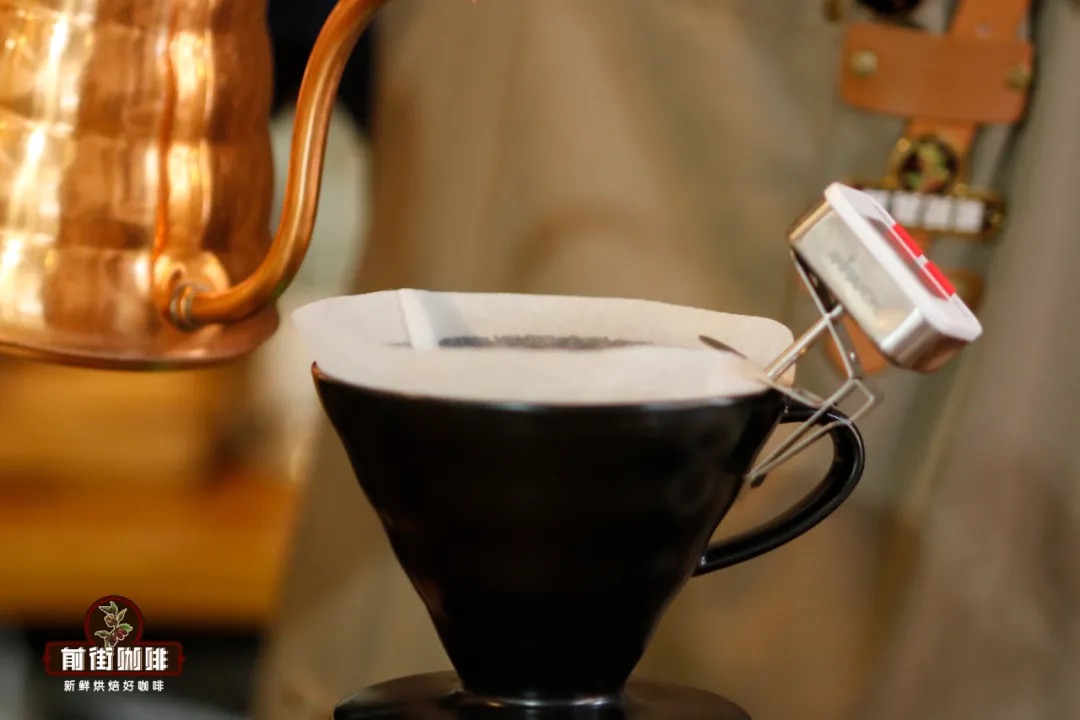
Fully Preheated Drippers
| Material | Before Wetting | During Blooming | During Pouring | After Extraction |
|---|---|---|---|---|
| Resin | 36.1°C | 80.3°C | 86.3°C | 83.1°C |
| Glass | 44.2°C | 83.6°C | 86.5°C | 83.4°C |
| Ceramic | 44.5°C | 83.8°C | 87.7°C | 87.1°C |
The data tells a clear story: ceramic holds heat best during brewing — but only if it's evenly preheated first. Because the material absorbs heat slowly and the walls are thick, a ceramic dripper needs a generous amount of hot water to reach a uniform temperature all the way through.
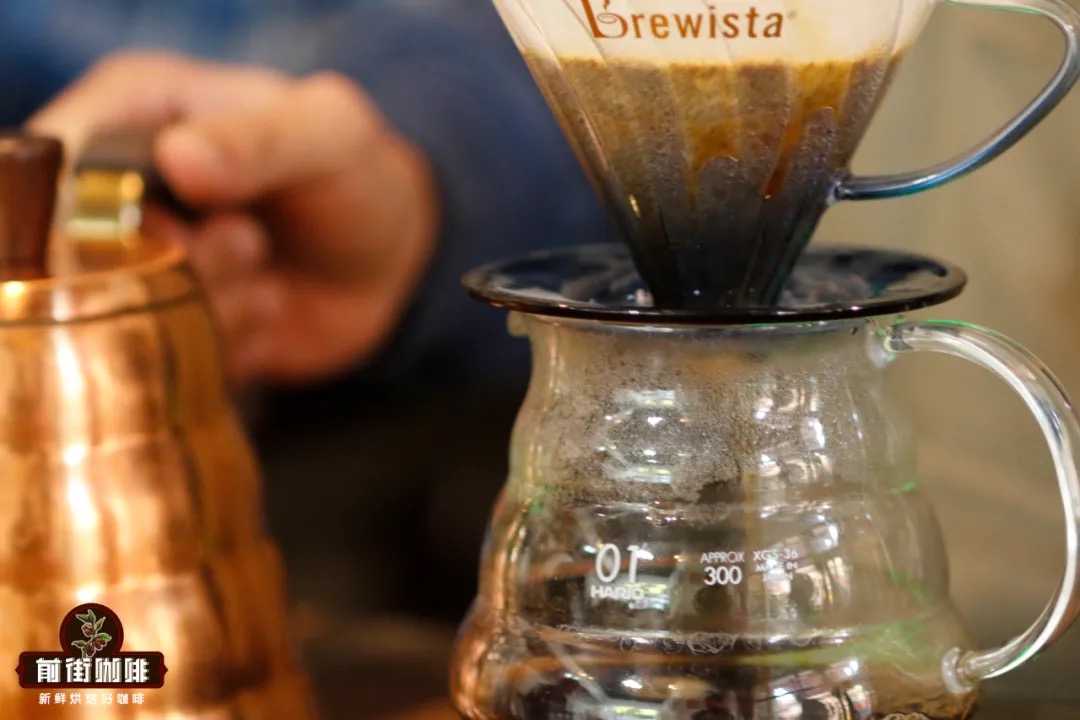
Preheated or not, glass holds a steadier temperature than resin, keeping the coffee's temperature consistent across the whole extraction — without ceramic's slow warm-up or resin's rapid swings.
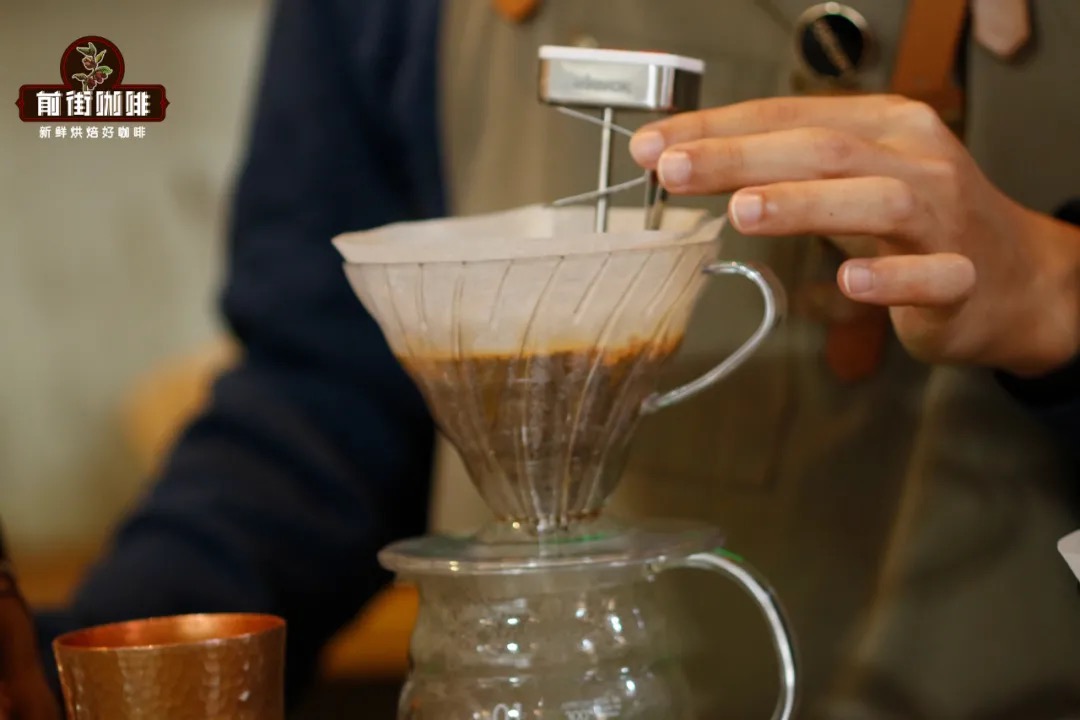
On heat retention, resin ranks last of the three, and it does its own thing regardless: whether you preheat it or not, the bed temperature barely changes during extraction. So with ceramic's superior heat retention, its coffee must taste better, right? Not necessarily.
Cupping the Results
Resin Dripper
Floral notes, lemon acidity, sugary sweetness, green tea, almond
Glass Dripper
Jasmine, lemon acidity, honeyed sweetness, green tea, almond
Ceramic Dripper
White florals, grapefruit, grapefruit peel, oolong tea
Judging by the cup, FrontStreet Coffee finds that resin and glass produce coffee with more complexity and layering, while ceramic delivers a fuller body but with a slightly astringent finish.
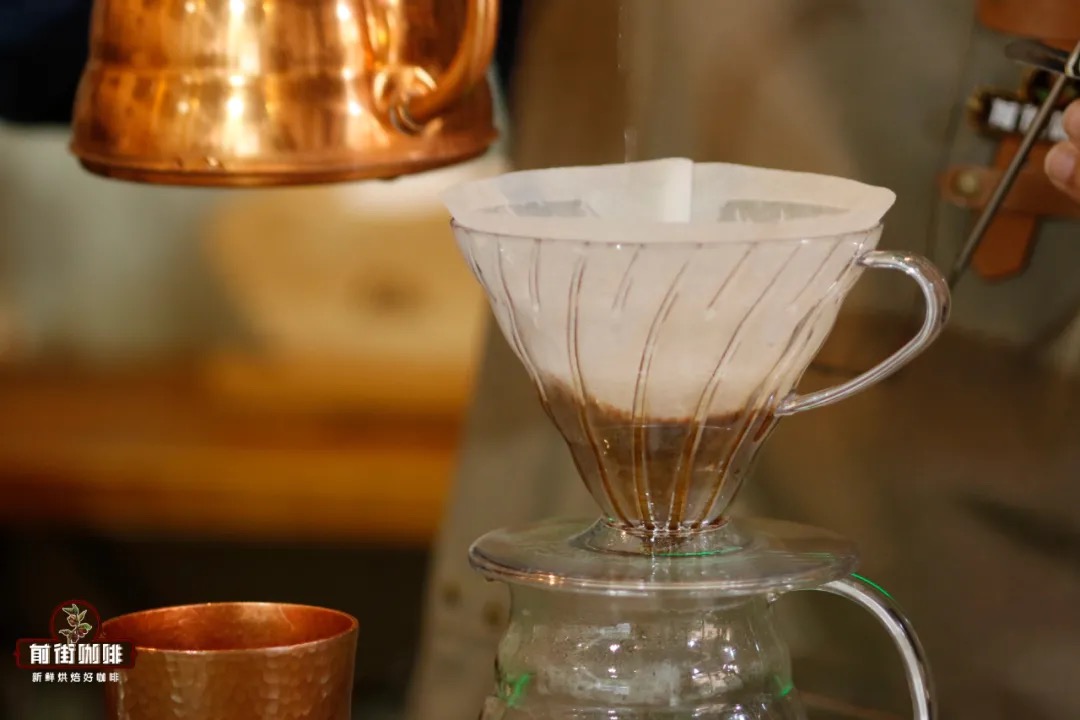
Different flavor compounds extract at different temperatures. Resin and glass shed heat more readily, so the bed temperature rises during the pour and falls between pours, creating a wave-like temperature rhythm during the brew. Ceramic's temperature barely fluctuates, keeping the coffee at consistently high heat throughout extraction. On top of that, ceramic drippers flow more slowly than resin or glass, which pulls out fuller flavors — and occasionally tips into slight over-extraction.
Flow Performance
Every V60's inner wall carries curved spiral ribs running from the rim down to the outlet to maximize degassing as water passes through. But comparing them by eye and by touch, FrontStreet Coffee found the ribs on resin and glass drippers more pronounced than on ceramic. When wet, they hold the filter paper further off the wall, creating wider channels for gas and water to escape — faster flow, which suits coffees with complex, layered flavor profiles.
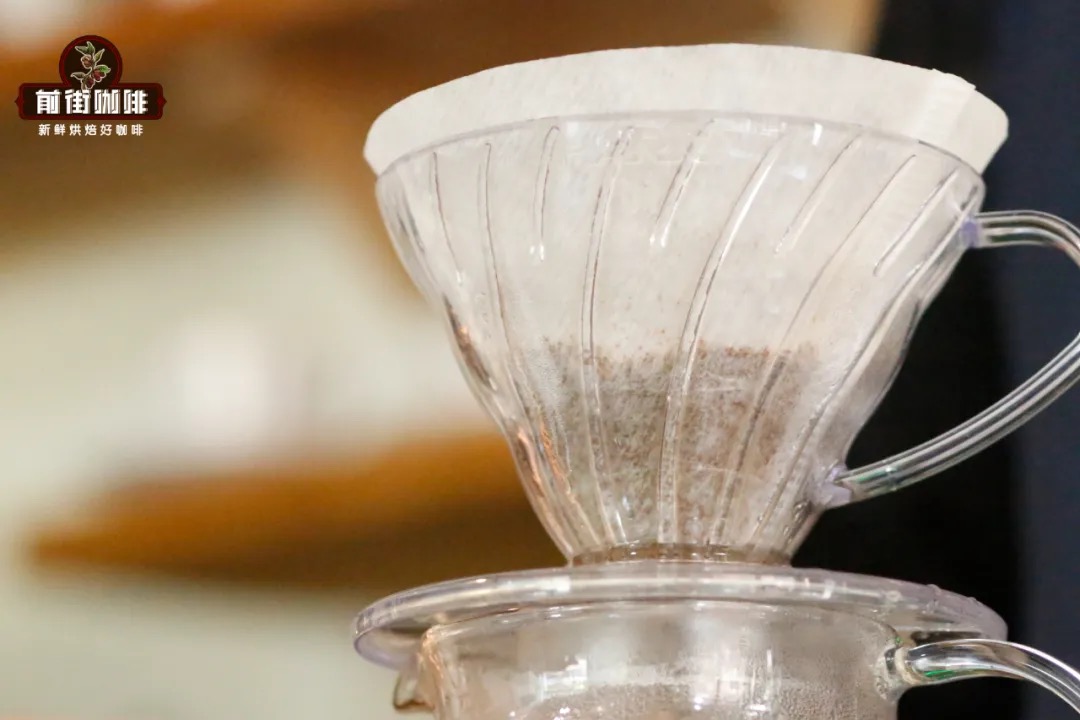
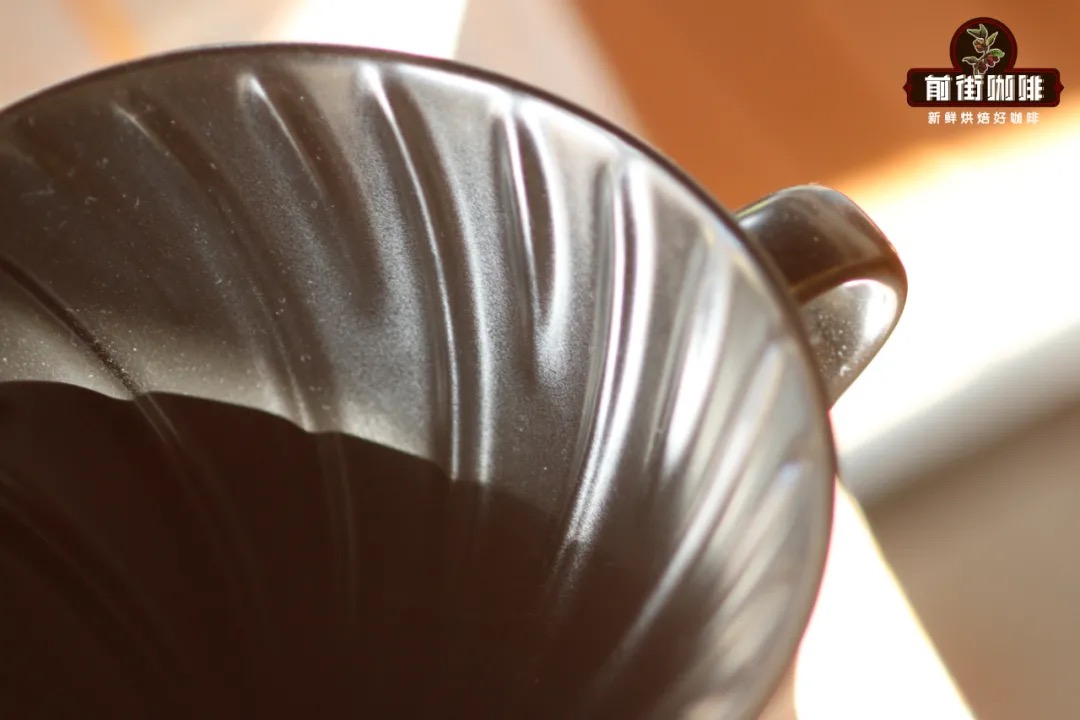
The ribs on ceramic drippers feel more rounded. Wet the paper and it clings tightly to the wall, narrowing the degassing channels. Extraction runs slightly slower than in resin or glass, which makes ceramic the better match for beans where you want maximum body and mouthfeel.
So Which Dripper Should You Buy?
For pure value, resin wins — it's durable, drop-resistant, and perfectly adequate for beginners. Glass and ceramic are more fragile and cost more, glass especially. If you drink dark roasts or fuller-bodied coffees daily, a ceramic dripper is worth considering; if looks matter to you, go with glass.
FrontStreet Coffee Recommendation
Since the brew test above used a washed Yirgacheffe, start there. FrontStreet Coffee's washed Yirgacheffe daily bean is the classic introduction to Ethiopian coffee — white jasmine, bright citrus and lemon acidity, and a tea-like finish at a friendly price. It's the first bean many people buy when stepping into specialty coffee.
Ready to go a layer deeper? The town of Yirgacheffe sits in Sidamo province in southern Ethiopia at roughly 1700–2100 meters, with most coffee trees planted above 1800 meters — among the highest coffee elevations in the world. In 2010, Yirgacheffe's fame grew so large that the Ethiopian Commodity Exchange separated it from Sidamo as its own designation. FrontStreet Coffee's washed Worka (Guodingding) cooperative coffee comes from a village cooperative at the southeastern edge of Yirgacheffe, traditionally washed, with no trace of old-fashioned bitterness — just fresh, bright citrus and lemon acidity wrapped in jasmine. And for a fruitier take, the natural Red Cherry lot uses only fully ripe cherries, sun-dried on raised beds for three to five weeks and turned every 2–3 hours early on; the cup combines classic Yirgacheffe citrus acidity with tropical fruit, a berry-like juiciness, honeyed sweetness, and creamy smoothness.
For any of these, brew as we did here: V60, 15g dose, 90–91°C water, 1:15 ratio, medium-fine grind (80% pass through a #20 sieve), with a 30g bloom for 30 seconds, then pours to 225g finishing around 1:35 and a total drawdown of about 2:00–2:10.
Important Notice :
FrontStreet Coffee is a long-established specialty coffee roaster in Guangzhou China, selling freshly roasted beans from its own farm in Yunnan as well as dozens of carefully selected single-origin beans from around the world for both pour-over and espresso. The products deliver consistently excellent quality and great value, with shipping within 24 hours. Guangzhou's FrontStreet Coffee shop is recommended by many coffee lovers, and the beans are now available online at the Tmall 。
FrontStreet Coffee has moved to a new address:
FrontStreet Coffee Address: 315,Donghua East Road,GuangZhou
Tel:020 38364473
 Scan and follow the En Gafei WeChat official account. Please indicate that the reprint comes from "En Gafei".

