
Panama Deborah Estate Geisha: An Introduction to the Deborah Savić Collection
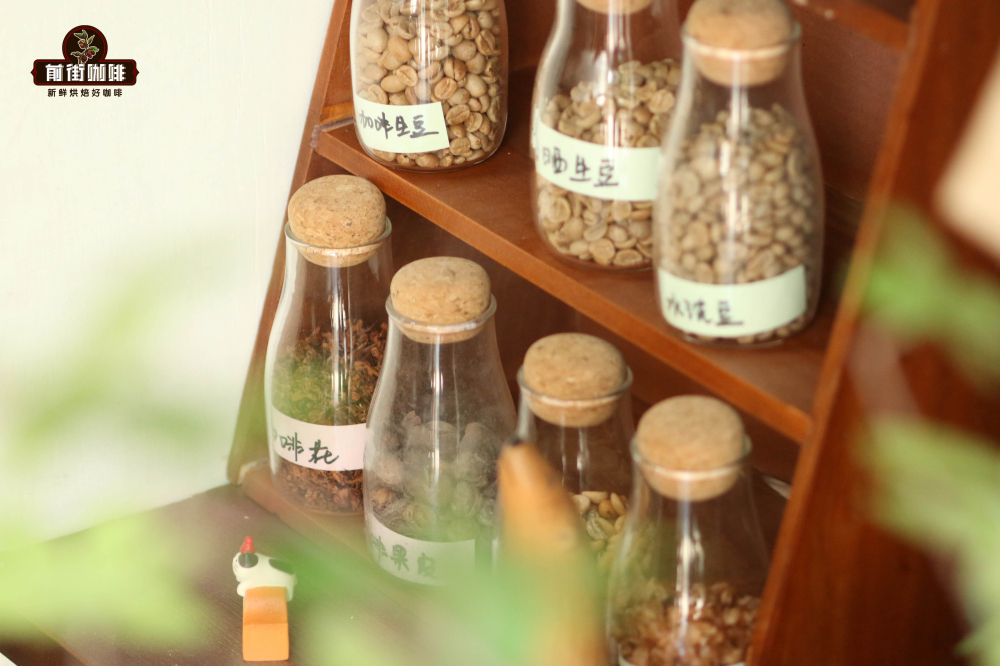
As times have evolved, both green coffee quality and roasting technology have advanced rapidly. Preferences have shifted from rich, full-bodied tastes toward refined flavor profiles. Top-tier coffee was once defined by Japanese-era preferences — Blue Mountain and Mandheling, with their full bodies favored by an older generation of enthusiasts — but today's coffee leans clean and bright, with fruity, juice-like acidity. Among these, Panama Geisha has captivated coffee lovers time and again with its unique florals, fruit acidity, and premium price.
Introducing Deborah: A Rising Star Among Panama Geisha Estates
Geisha's fame has prompted many to buy land in Panama and cultivate their own Geisha. The top Panamanian Geisha estates are well known — several appear on the FrontStreet Coffee menu, including Hacienda La Esmeralda, Finca Aurora, Finca Sophia, and Elida Estate. Here, FrontStreet Coffee introduces the rising star among them: Deborah.
The Origins of Geisha Coffee
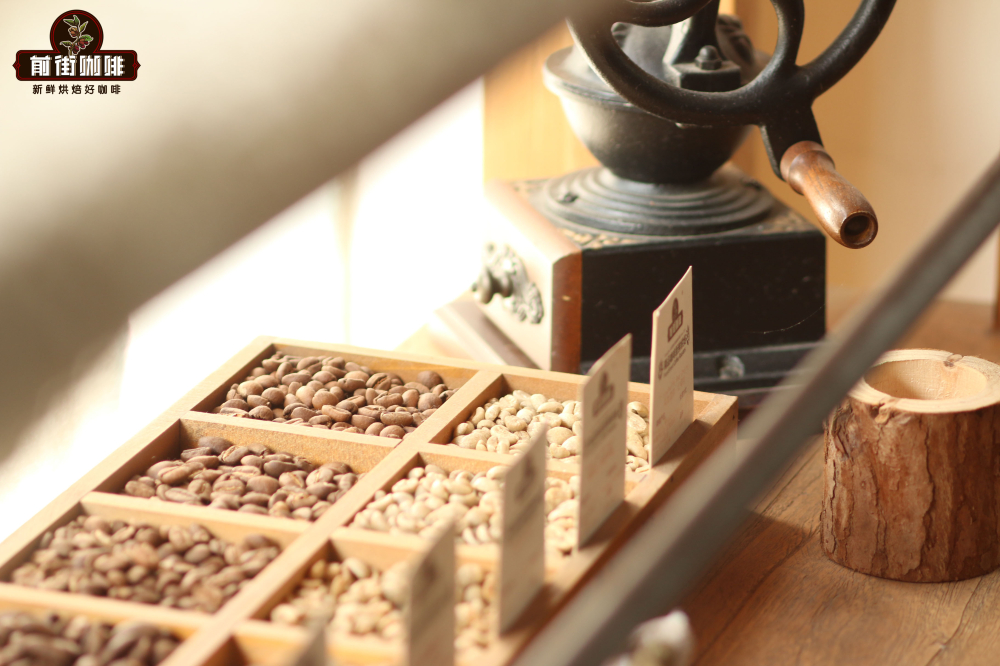
Like many coffee varieties, Geisha originates from the Kaffa forests of Ethiopia. Around 1931, a British representative traveled to Ethiopia and collected Geisha seeds from near the Geisha mountain area. Geisha was then sent to the Coffee Research Institute in Kenya and introduced to Uganda and Tanzania in 1936. After several transitions, the variety crossed the Atlantic to the Tropical Agricultural Research and Higher Education Center (CATIE) in Costa Rica, where it was cataloged as T2722.
Later, during the 1970s, Mr. Francisco Serracin, owner of Finca Don Pachi, brought the Geisha variety from CATIE in Costa Rica to cultivate in Panama, subsequently sharing Geisha seeds with other local estates.

The Discovery of Geisha's Unique Flavors
Geisha's rise to fame, however, would not have happened without the diligent efforts of Daniel Peterson of Hacienda La Esmeralda. Contrary to the popularly circulated "windbreak" story online, the discovery of Geisha's distinctive flavors grew out of experimental cultivation at La Esmeralda.
To improve their coffee quality, Hacienda La Esmeralda tasted, compared, and recorded the differences among hundreds of varieties. After years of documentation, they discovered in 2003 that Geisha possessed unique flavors. Unlike the typical "caramel, nuts, chocolate" notes of Central American beans, Geisha's "floral, citrus, honey, berry" character impressed everyone who tasted it.
Two weeks before the 2004 Best of Panama (BOP) competition, Daniel was selecting competition batches at the cupping table. This Geisha batch's recorded flavors included "jasmine, citrus, peach, blueberry, bergamot, sugarcane." Those extraordinary flavors stunned the competition and won the championship that year, propelling La Esmeralda Geisha to fame overnight.
Deborah Estate: A Unique Approach to Coffee Cultivation
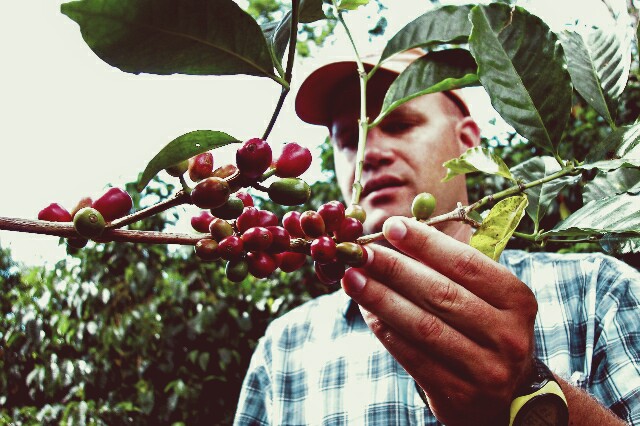
Geisha trees are quite delicate, with scarce yields and fragile branches that break easily, demanding intensive manual care. Precisely that meticulous attention produces Panama Geisha's refined flavors, and Jamison Savage applies the same dedication to his cultivation.
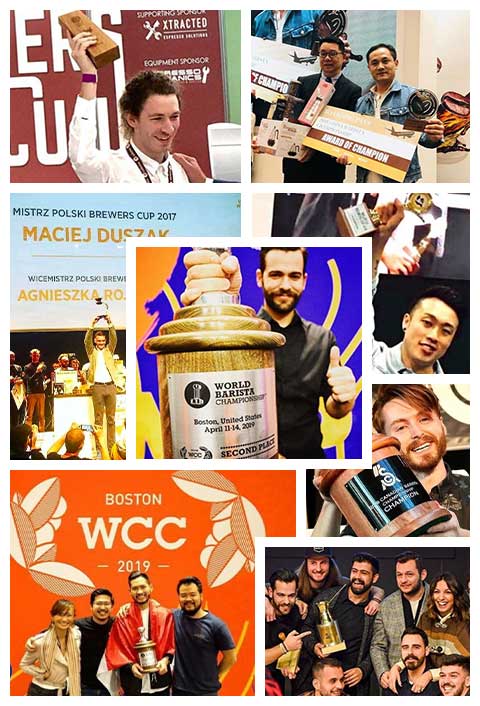
Unlike many Panamanian estates, Deborah has earned recognition as a producer who helps others win major competitions. Contestants in major coffee competitions consistently put Deborah's beans on their shortlists. Although Deborah itself may not have stood on the BOP winner's podium, it has repeatedly helped competitors reach it.
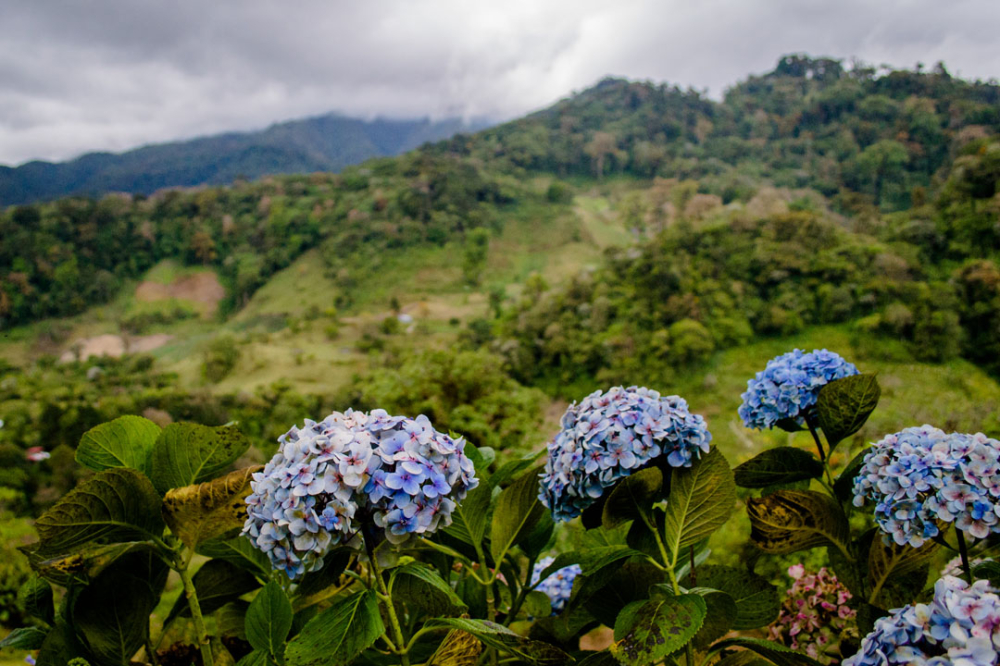
Deborah Estate lies in the fertile volcanic region of Volcán, Panama, surrounded by tropical rainforest deep in the Barú Volcano range. At an altitude exceeding 1,900 meters, it is one of Panama's highest coffee estates. Enhanced by its pristine forest environment, Deborah sees a day-night temperature difference of up to 10 degrees Celsius, with dense jungle and natural microclimates that lend the coffee intense, complex acidity.
Jamison Savage: From Banker to Coffee Visionary
Deborah's owner, Jamison Savage, was originally an American banker who married his Panamanian wife and relocated to Panama. For more than a decade, he has been devoted to building his ideal coffee estate there.
Many were initially skeptical of Savage's vision, but he remained undeterred. Beginning in 2007, he planned the infrastructure for the entire estate. In 2010, he planted the first Geisha trees above 1,900 meters. Small harvests came in 2015, followed by official commercial harvests in 2016.
Extreme Altitude, Exceptional Quality
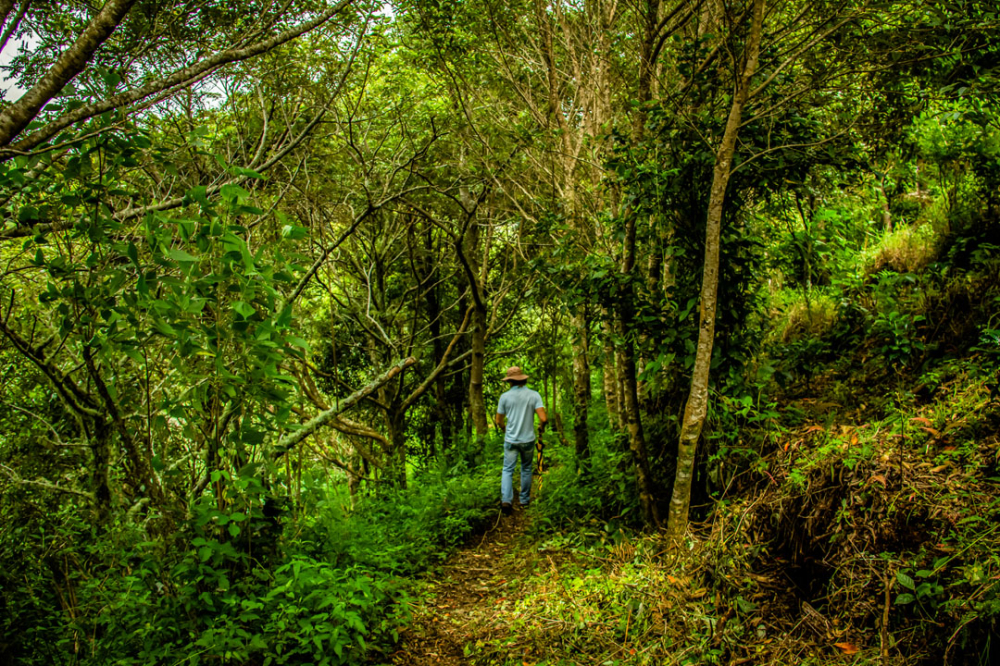
As noted, Deborah is one of Panama's highest estates, with day-night temperature swings reaching 10 degrees Celsius. By the experience of many local growers, such extreme conditions would make quality coffee nearly impossible to cultivate.
Reality proved them wrong. The high altitude keeps coffee diseases to a minimum: lower temperatures and sharp temperature fluctuations reduce fungal infections, other diseases, and pests, letting the trees devote their energy to fruit development rather than fighting disease.
The Savage Series at FrontStreet Coffee
For one of the most demanding varieties in coffee, Geisha not only survives but thrives in Deborah's challenging environment, yielding refined, complex, astonishing flavors. With such a story and terroir, FrontStreet Coffee couldn't pass it up. Its bean shelf features a Savage Series coffee crafted under Deborah's owner himself.
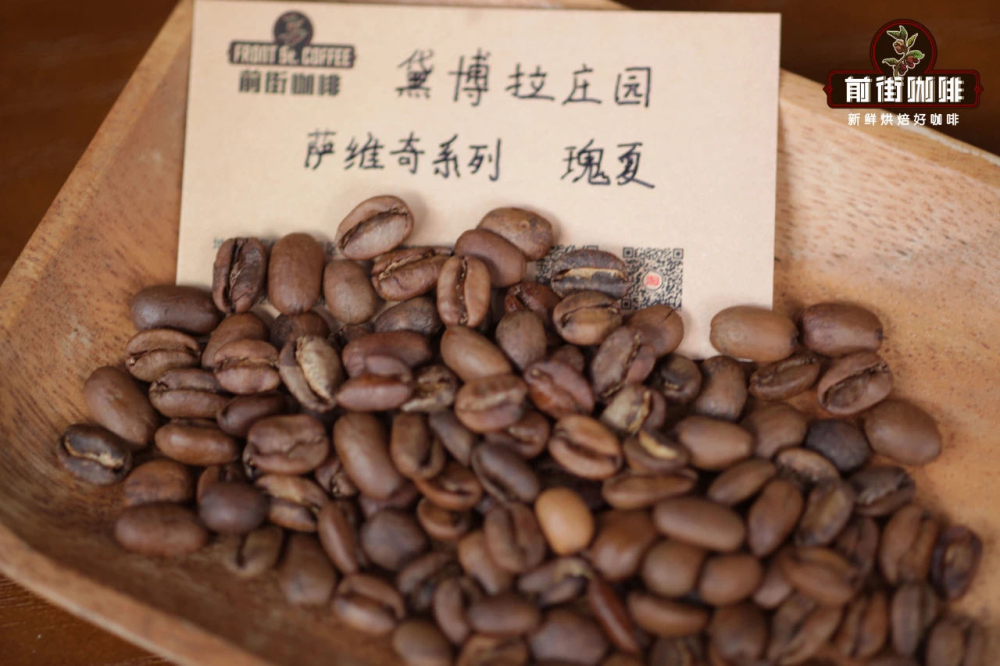
Savage Coffee is a project Jamison Savage initiated in the Boquete region. Its members are small estates and growers from the Boquete and Volcán regions, and all coffee comes from member farms. To secure the best flavor, the project harvests only fully mature red cherries.
Jamison is deeply passionate about coffee. Beyond cultivation expertise, he has considerable knowledge of green coffee processing. To bring the most refined flavors to enthusiasts worldwide, he has spent over a decade researching processing methods at Deborah Estate.

The Savage Series Geisha obtained by FrontStreet Coffee was personally crafted by Jamison, drawing on more than a decade of dedication and using anaerobic natural processing. Freshly selected Geisha cherries are sun-dried in a greenhouse until raisin-like, then placed in sealed containers and stripped of oxygen for 36 hours of dry fermentation. Finally, the beans are depulped while retaining 100% of the fruit pulp for fermentation. This process gives the Savage Series Geisha sweeter flavors, highlighting fresh fruit and floral notes.
Brewing Recommendations
When roasting this Geisha, FrontStreet Coffee chose a light roast profile to showcase Panama Geisha's florals and fruit acidity. Since light-roasted beans are significantly less soluble than dark-roasted ones, FrontStreet Coffee recommends the following parameters to fully extract the flavors:

Dripper: Hario V60
Water Temperature: 91°C
Coffee Amount: 15 grams
Coffee-to-Water Ratio: 1:16
Grind Size: 80% pass-through on the Chinese standard #20 sieve
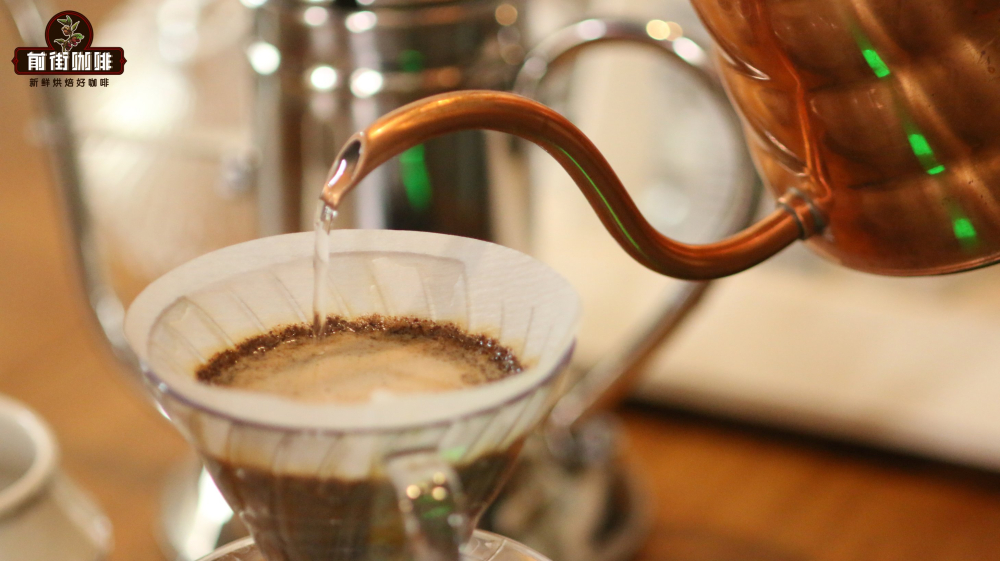
First pour 30 grams of hot water and bloom for 30 seconds. Then, starting from the center, pour with a fine stream in slow circles until reaching 130 grams. When the water level drops to just above the coffee bed, continue pouring in circles until reaching 240 grams. Total extraction time should be approximately 2 minutes.
FrontStreet Coffee Recommendation
If Geisha's florals are out of reach for now, here's a different kind of character worth tasting — the wild side of coffee:
FrontStreet PWN Golden Mandheling — the flagship of Indonesia's PWN company: beans screened at 18 mesh and above, with fewer than 3 defective beans per 300g sample to meet the highest G1 grade, then sorted three times by hand. Medium-dark roast delivers a clean cup, full body, rich roast aroma, and distinct herbal and caramel sweetness — perfect for those who dislike acidic coffee.
FrontStreet Lintong Mandheling — from the traditional Mandheling region around Lake Toba in North Sumatra, shaped by the distinctive wet-hulled process and local fermentation. Fragrant and intense, with clove and woody aromatics, low acidity, minty spice notes, and a strong, lasting sweetness.
FrontStreet Classic Blend — the house espresso blend that adds medium-dark Mandheling to Brazil's creamy nut profile: butter, roasted chestnut, and caramel notes, elevated by sandalwood, herbal, and spice undertones, plus a touch of robusta for rich crema. Effortless for latte art and Dirty-style layering alike.
Important Notice :
FrontStreet Coffee is a long-established specialty coffee roaster in Guangzhou China, selling freshly roasted beans from its own farm in Yunnan as well as dozens of carefully selected single-origin beans from around the world for both pour-over and espresso. The products deliver consistently excellent quality and great value, with shipping within 24 hours. Guangzhou's FrontStreet Coffee shop is recommended by many coffee lovers, and the beans are now available online at the Tmall 。
FrontStreet Coffee has moved to a new address:
FrontStreet Coffee Address: 315,Donghua East Road,GuangZhou
Tel:020 38364473
 Scan and follow the En Gafei WeChat official account. Please indicate that the reprint comes from "En Gafei".

