What Are the Normal Extraction Time Parameters and Ratios for Espresso? Espresso Coffee Dose and Grind Size
What Are the Normal Extraction Time Parameters and Ratios for Espresso? Espresso Dose and Grind Size
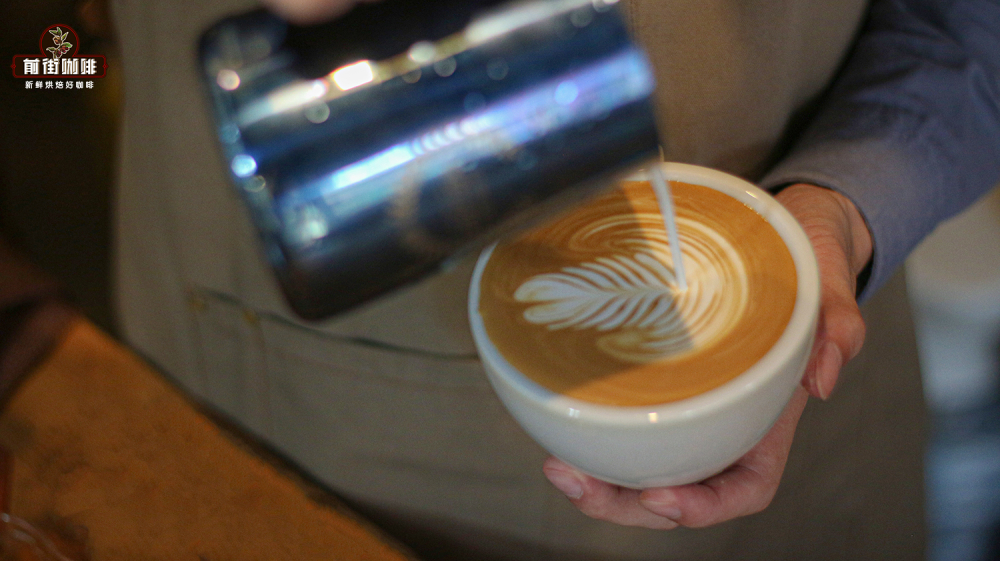
The Challenge of Espresso
Many people find straight espresso hard to drink—its concentrated bitterness invites comparisons to herbal medicine. Diluted with milk or water, it becomes far more palatable. But reality can be cruel: sometimes the coffee stays unpleasant even with milk, or the latte art pattern falls apart within seconds. More often than not, those problems trace back to the espresso extraction itself.
Many of FrontStreet Coffee's customers own home espresso machines and brew now and then. Their shot frequency, however, is nothing like a café's, which makes pulling a great shot that much harder—and calls for a simpler extraction theory and method.

The Challenge of Espresso Extraction
Even in coffee shops, thin crema or overly bitter or sour shots are common enough that cafés routinely calibrate their espresso until it meets standard.
What indicators can you lean on? The established parameters are the relationship between extraction time and the coffee-to-liquid ratio. The Italian Coffee Association originally set the standard as 30ml of espresso in 20-30 seconds. Today, most cafés work with a 1:2 coffee-to-liquid ratio, treating time as a reference and flavor as the real benchmark.
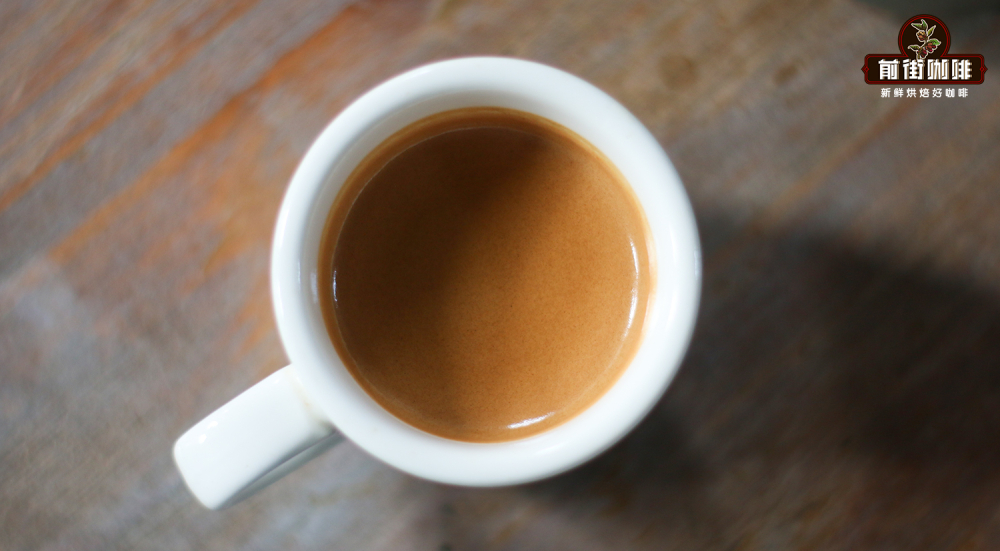
The shift came largely with single origin espresso (SOE) and pressure-profiling machines: extraction is no longer one-size-fits-all but recipe-driven. Pulling a traditional Italian blend and pulling a Yirgacheffe SOE demand different grind sizes, doses, times, and ratios.
Why Espresso Seems Hard Now
Pressure profiling and immersion-assisted extraction may look complicated, but once you understand the key variables of espresso and control them, it's actually hard to pull a bad shot.

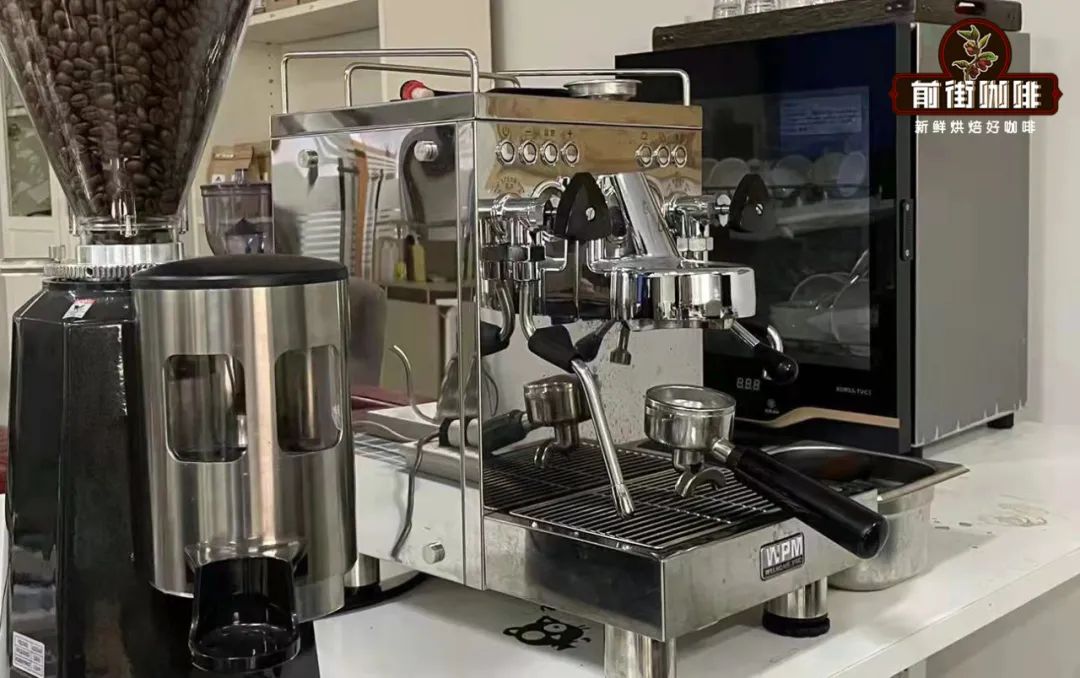
At home, your equipment sets the difficulty. A double-head commercial machine isn't realistic, but a small, underpowered "toy machine" puts you straight into hell mode. FrontStreet Coffee considers machines at the Huijia 310 level or above suitable for beginners.
Beans are the next hurdle. Online, prices range from 30 to 300 yuan, but FrontStreet Coffee cautions: don't be tempted by dirt-cheap "practice beans" while learning to extract. They're fine for drilling the motions, but they make real progress nearly impossible.
From FrontStreet Coffee's experience, poor beans produce shots that are bitter, harshly sour, or short on crema. If the problem is the beans themselves, no amount of practice will fix it—because without having tasted good coffee, you don't know what you're aiming for. That's a matter of calibration. Once you genuinely know what good coffee tastes like, buying practice beans to drill technique is perfectly fine.
Bean Freshness
For the best extraction, espresso beans generally need about 7-10 days of rest from the roast date. Beans that are too fresh produce coarse crema and underdeveloped flavor; beans that are too old give thin crema and flavors drifting toward bitterness and staleness.
Master These Basics and Espresso Becomes Easy
The difficulty in espresso generally lies in controlling extraction time, preventing channeling, and reading whether the shot is flowing correctly. FrontStreet Coffee has distilled a few key points for beginners.
Time control: Start by fixing the dose (based on basket capacity) and a 1:2 coffee-to-liquid ratio, then adjust grind size to land the extraction within 25-33 seconds. One variable, very simple. Shot running long? Grind coarser. Too fast? Finer.
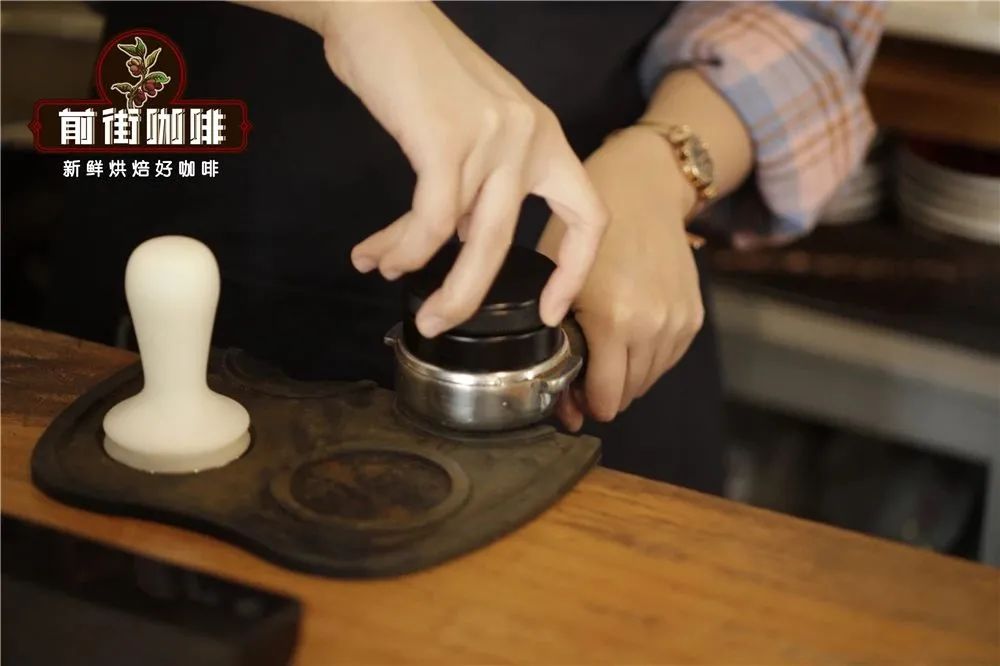
Distribution and tamping: Beginners often introduce their own variables through inconsistent distribution and tamping—another cause of channeling. FrontStreet Coffee's advice: use a distribution tool, then tamp at full force and simply keep it level. If your machine holds 9 bar during extraction, the difference between a firm tamp and a crushingly hard one is negligible, so don't fear tamping too tight.
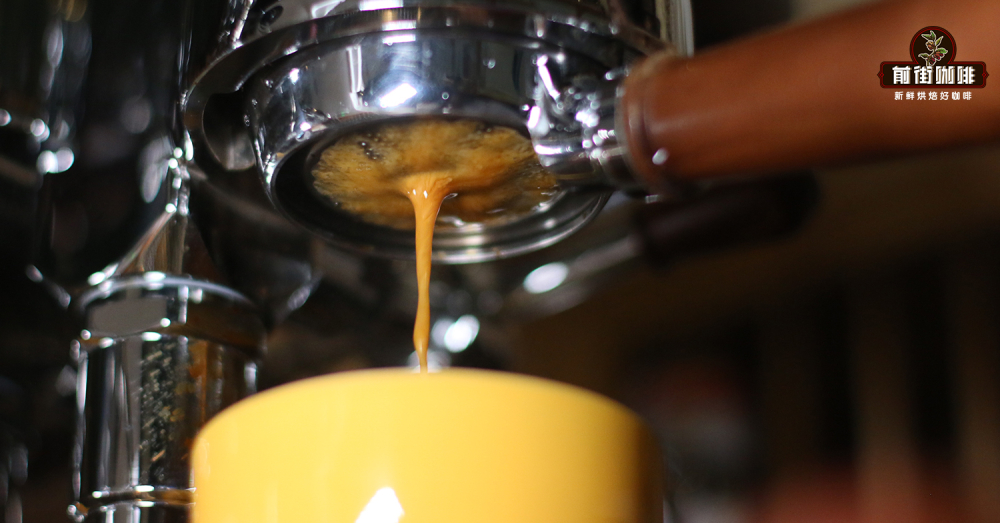
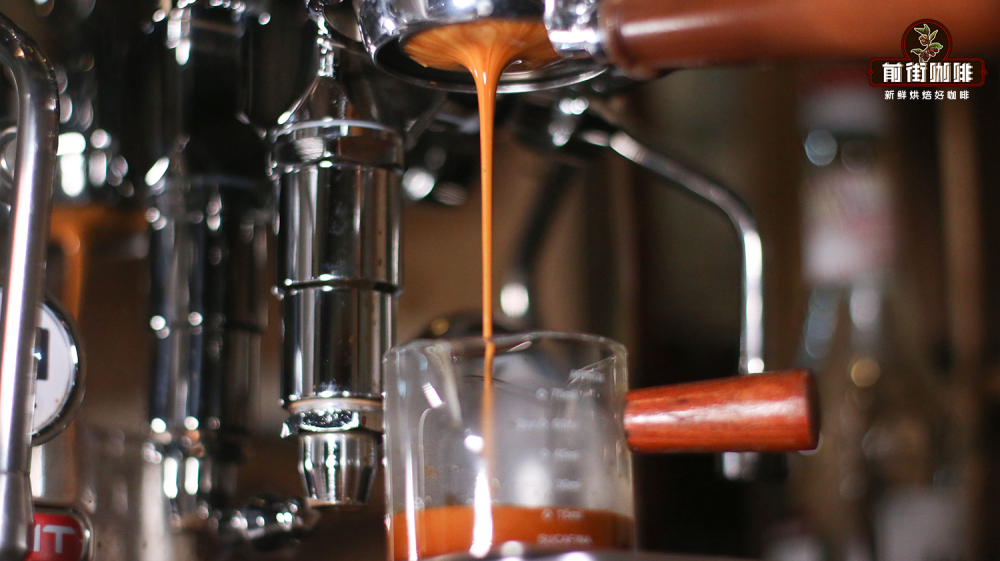
Watch the shot: Observe the flow—is it even? Any spurting? If coffee spurts 2-3 seconds after you start the pump, the grind is too coarse or channeling has occurred. If nothing appears for more than 10 seconds, stop the shot: the grind is too fine or the dose too high. A flow that alternates fast and slow usually points to channeling or uneven tamping.

Troubleshooting: If you've done everything right—a clean 1:2 shot in 25-33 seconds with no channeling—yet the crema is still thin, suspect the beans (stale or roasted too light) or insufficient water temperature or pressure from the machine.
A Note on Pre-Ground Coffee
FrontStreet Coffee also serves many customers who need their espresso beans pre-ground. Fair warning: grounds ground for a café may not match your home machine, and even with identical equipment, a café fine-tunes its grind daily to keep quality consistent.

Pre-ground coffee therefore offers only an approximate coarseness. With grind fixed, you can still steer the extraction through dose and tamping pressure. Say you're extracting 18g to 36g at 1:2 but the flow is painfully slow, barely dripping: first try dropping the dose by 1g while keeping the 1:2 target. If the flow still doesn't improve, ease off the tamping pressure so water can penetrate the coffee bed more freely.
FrontStreet Coffee Recommendation
If you're learning latte art at home—or preparing to open a shop—FrontStreet Coffee's espresso blends are built for the job:
FrontStreet Classic Blend. A medium-dark espresso recipe from three origins, inspired by the old-school "Mamba" (Mandheling + Brazil) combination, with a small share of Robusta for extra aroma and crema. It brews with clear butter, toasted bread, and caramel-biscuit notes—bold flavor, solid body, fine crema, and very stable extractions. The essential home espresso bean for beginners.
FrontStreet Premium Blend. Also medium-dark, for fans of rich nutty profiles: washed Colombian and pulp-natural Brazilian beans that deliver nuts, dark chocolate, and caramel in espresso, with creamy almond and cocoa aromas in milk drinks like lattes and flat whites. Crema on par with café output—more than enough for practicing latte art at home or prepping to open a shop.
FrontStreet Commercial Blend. Where the Classic and Premium blends serve beginners, this one is tailored for those about to open a café: the Premium recipe with a touch of Robusta added for deeper, darker brown crema and heavier body. Americanos, lattes, and mochas all carry nuts, cocoa, and caramel—and latte art becomes effortless.
Important Notice :
FrontStreet Coffee is a long-established specialty coffee roaster in Guangzhou China, selling freshly roasted beans from its own farm in Yunnan as well as dozens of carefully selected single-origin beans from around the world for both pour-over and espresso. The products deliver consistently excellent quality and great value, with shipping within 24 hours. Guangzhou's FrontStreet Coffee shop is recommended by many coffee lovers, and the beans are now available online at the Tmall 。
FrontStreet Coffee has moved to a new address:
FrontStreet Coffee Address: 315,Donghua East Road,GuangZhou
Tel:020 38364473
 Scan and follow the En Gafei WeChat official account. Please indicate that the reprint comes from "En Gafei".