
What to Do When Pour-Over Coffee Temperature Drops Too Fast? Solutions for Coffee Powder Clumping and Whether It's Safe to Drink
Winter Coffee Brewing Challenges
The day before yesterday, Guangzhou shifted straight from summer into winter. Normally that would not matter much, but Guangzhou's cold carries a damp, penetrating quality that reaches even pour-over brewing. Winter brewing takes on a different feel, so FrontStreet Coffee is here to talk about the common problems it brings.

Coffee Powder Clumping
Coffee powder clumping during grinding is not uncommon. It comes mainly from static electricity and moisture, which make finer particles stick together. The situation grows more frequent in winter, to the point of being frustrating.
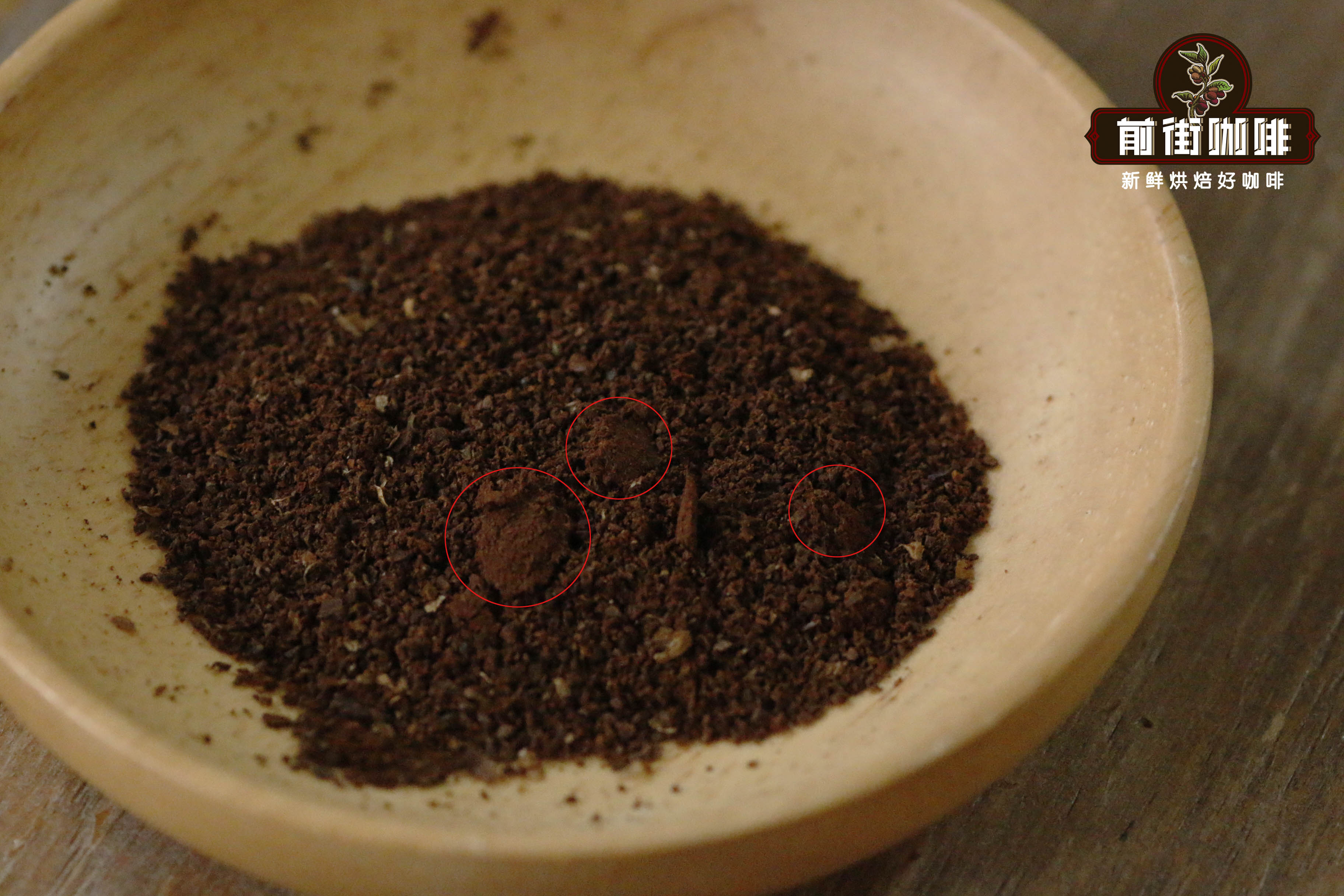
Some grinders have static eliminators at the outlet, but their real effect is minimal. Clumps that fall into the cup are relatively easy to deal with. FrontStreet Coffee's solution is to use a small spoon or needle-like tool to break them up directly. Similarly, powder that stubbornly clings to the upper part of the collection cup can be broken up the same way.
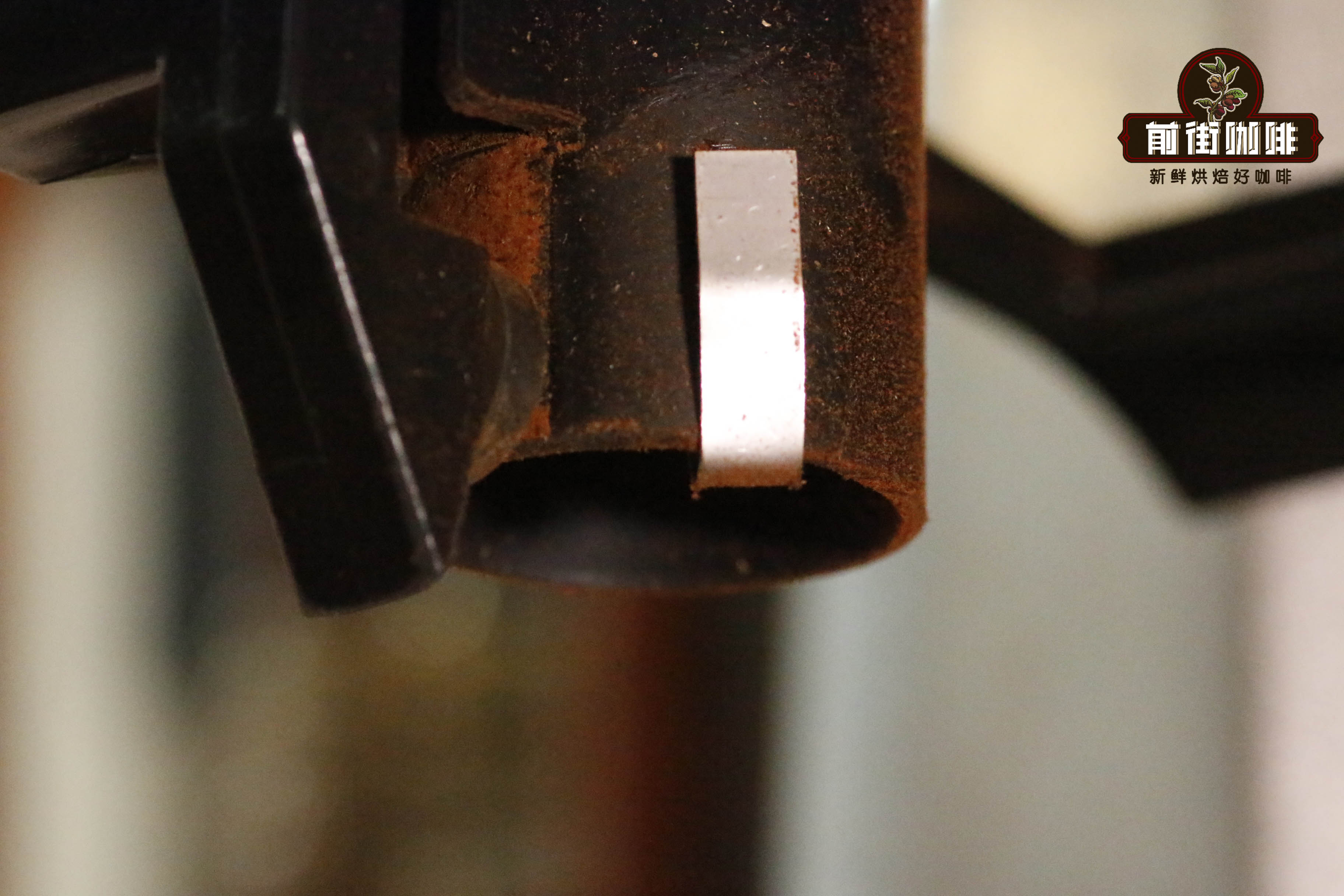
Some powder, however, sticks right at the outlet, which we often call "retention." When you precisely grind 15 grams, for instance, the actual output may come in under 15 grams because the grinder holds some back. FrontStreet Coffee offers two solutions. The first is to pre-grind an extra 0.5-1 gram of beans, depending on the grinder's retention level. If the target is 15 grams, grind 15.5 grams. In the long run, of course, this seems wasteful.
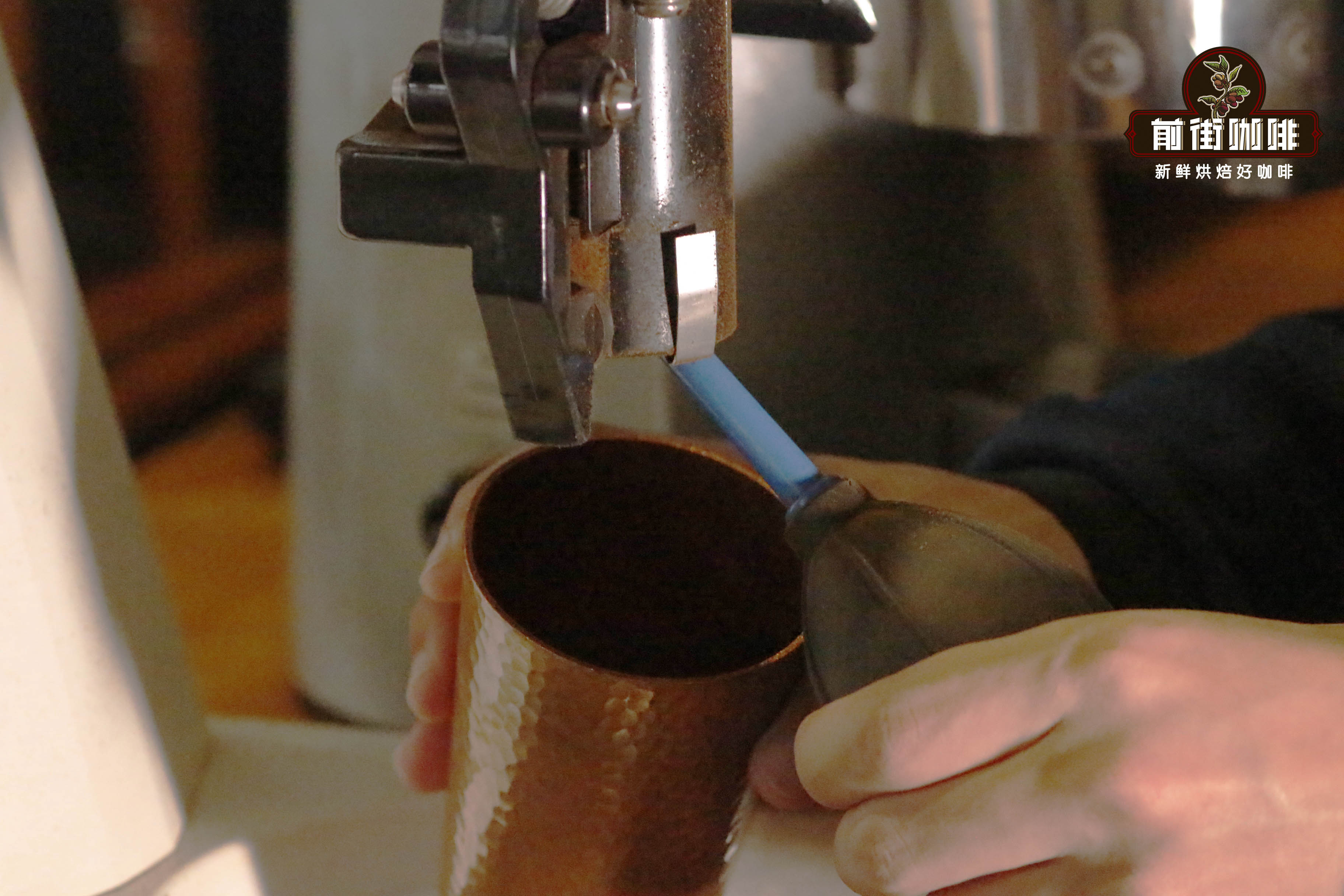
The second is to buy a "puffer," a dust blower, online for under 10 yuan. After grinding, leave the collection cup in place, extend the puffer to the outlet, and blow; the trapped powder drops out, very convenient.
As for the online rumor that adding a drop of water to the beans before grinding solves static clumping, FrontStreet Coffee does not recommend it. Even assuming the method works, controlling the amount of water is difficult. Add too much by accident, and the blade's heat cannot evaporate the moisture; when water mixes with coffee oils, it can do devastating damage to the burrs. The drawbacks outweigh the benefits.
Rapid Water Temperature Drop
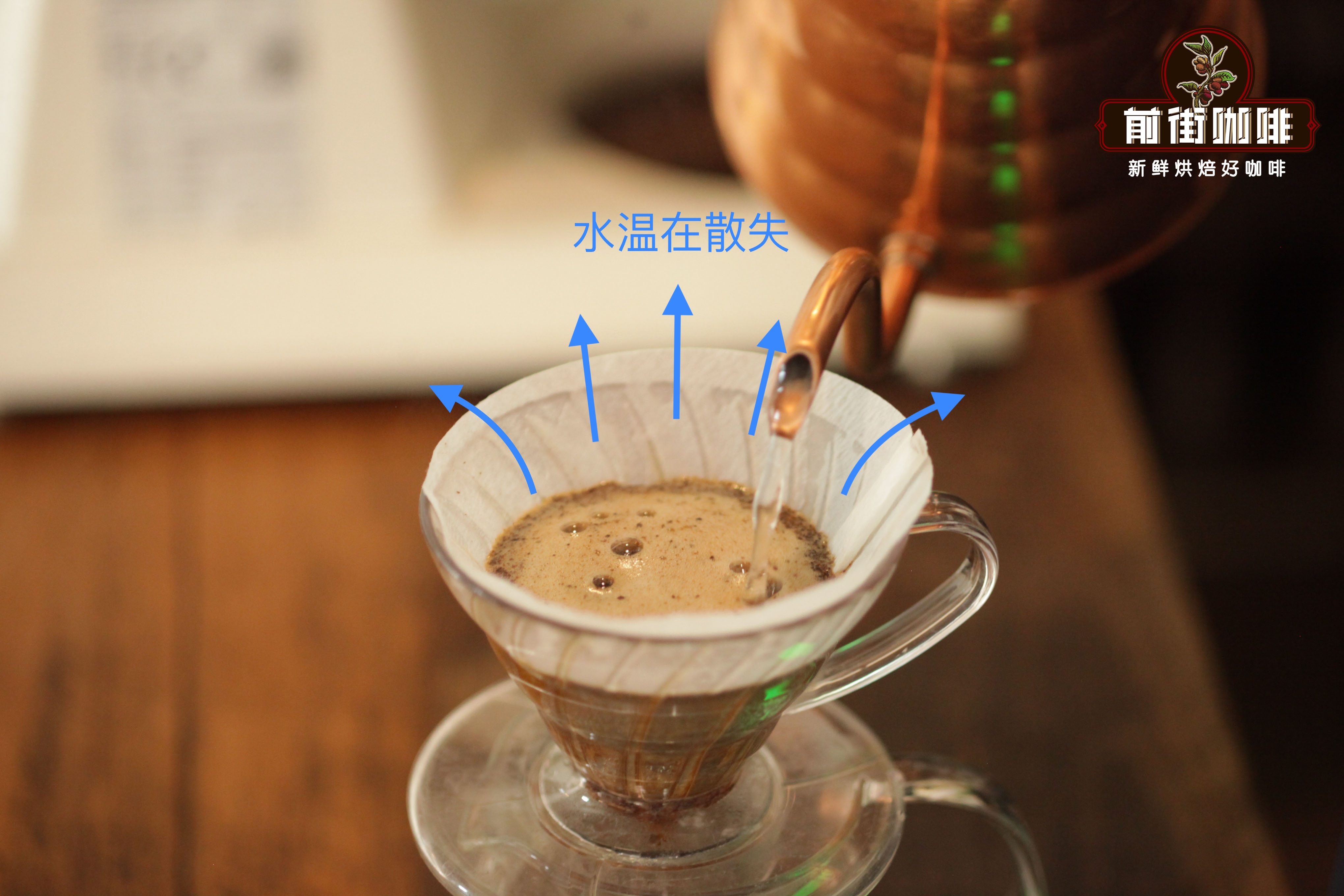
Winter brewing has one notable characteristic: water temperature drops particularly fast, both in the kettle and in the filter cup. Once water loses its heat source, it begins to cool, and even in a thermos it still cools, just more slowly.
In winter, lower room temperatures (indoor temperatures in southern China run lower than outside) make the overall cooling much faster than in summer. Brew at 91°C in summer, for instance, and the kettle stays around 88°C afterward. In winter, brewing at 91°C leaves less than 85°C. If even an insulated kettle behaves this way, the filter cup, continuously exposed to air, will likely see a temperature drop of 1-2°C during extraction, and that is a conservative estimate.
To cope, FrontStreet Coffee suggests that if you are not using a temperature-controlled kettle, first preheat it with a small amount of hot water. Then, when you add hot water to your pour-over kettle, add slightly more than usual. Plenty of hot water helps the kettle fight the cold room and hold its temperature.
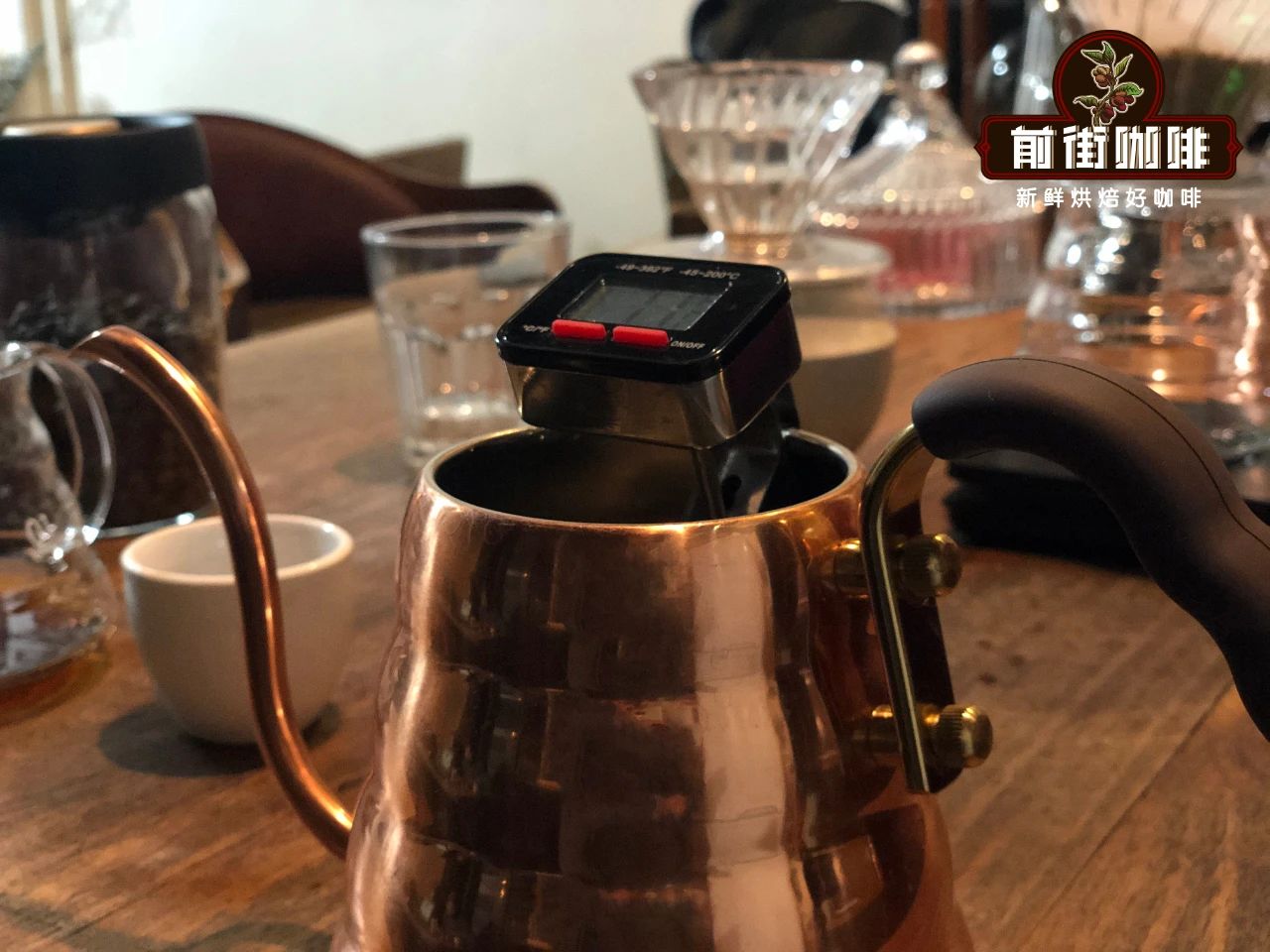
During brewing, use water 2°C higher than usual. This helps hold the temperature through the rest of the process. If you normally use 90°C for a particular bean, for example, you can use 92°C in colder conditions to better reproduce the usual taste. If you do have a temperature-controlled kettle, you can set it back on the heating base between pours to maintain temperature.
FrontStreet Coffee Recommendation
When the room is cold, a coffee that keeps its sweetness is easier to brew well. FrontStreet Coffee's medium-dark options hold up nicely: the Brazil Queen Manor is low in acidity and well balanced, with rich nut and cocoa aromas, clear caramel sweetness, and a smooth body that stays pleasant even as the water cools.
If you prefer a fruitier cup that stays lively in winter, the Ethiopia Yirgacheffe Gudingding brings citrus, berry, and floral notes with a soft, tea-like sweetness, while the Ethiopia Huakui adds tropical fruit, from strawberry and passion fruit to lychee, with strong sweetness and little bitterness. Whichever bean you use, preheat your gear and start about 2°C hotter than usual so the temperature holds through the pour.
Important Notice :
FrontStreet Coffee is a long-established specialty coffee roaster in Guangzhou China, selling freshly roasted beans from its own farm in Yunnan as well as dozens of carefully selected single-origin beans from around the world for both pour-over and espresso. The products deliver consistently excellent quality and great value, with shipping within 24 hours. Guangzhou's FrontStreet Coffee shop is recommended by many coffee lovers, and the beans are now available online at the Tmall 。
FrontStreet Coffee has moved to a new address:
FrontStreet Coffee Address: 315,Donghua East Road,GuangZhou
Tel:020 38364473
 Scan and follow the En Gafei WeChat official account. Please indicate that the reprint comes from "En Gafei".

