
The Origin Story of Natural Yirgacheffe Autumn Cherry Coffee Beans - Is Natural Yirgacheffe Autumn Cherry Coffee Delicious?
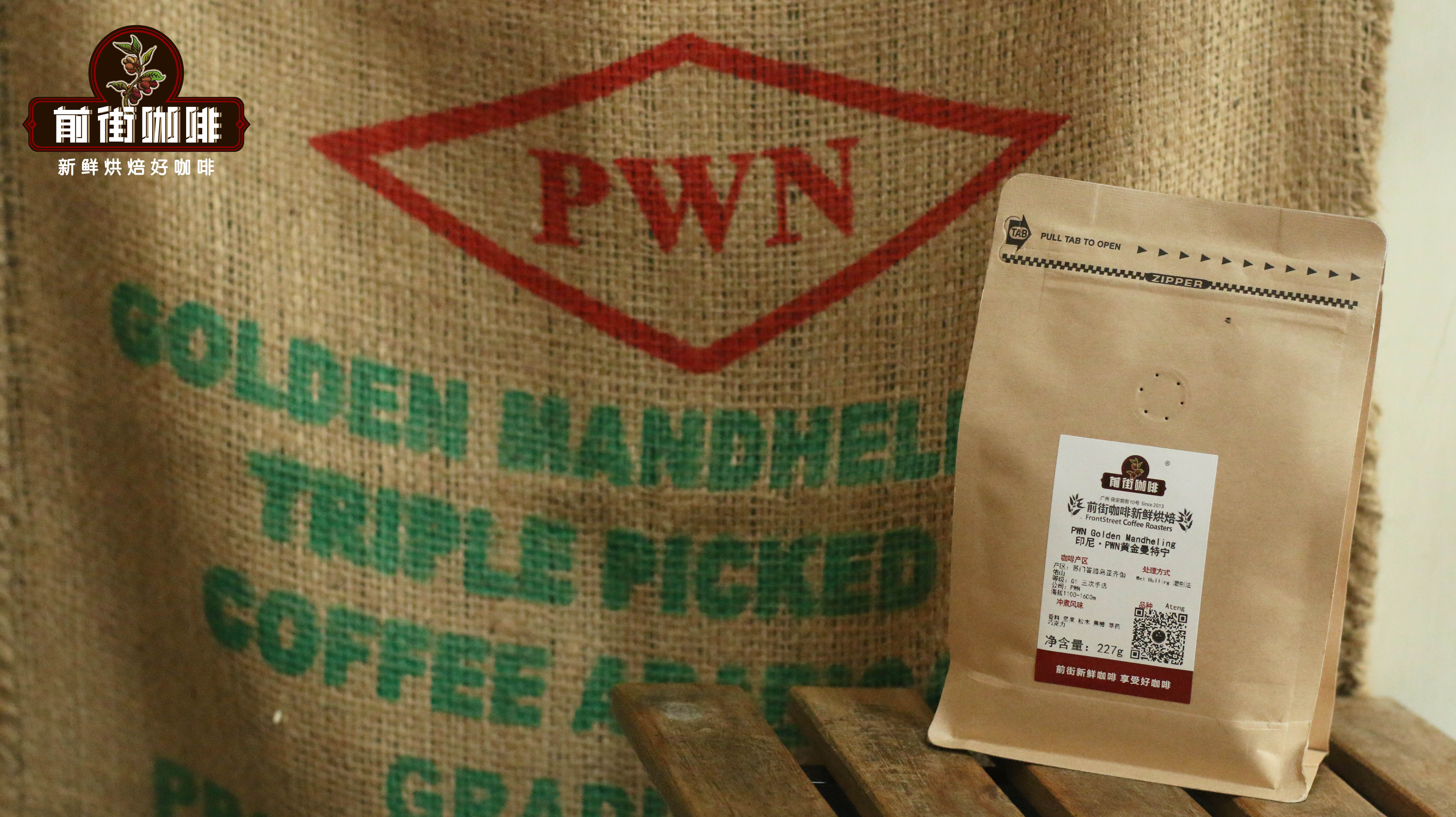
FrontStreet Coffee's Mandheling has become widely popular among coffee enthusiasts. As the third wave of specialty coffee has grown, people's acceptance of different flavors has widened too. Indonesian Mandheling, known for its herbal notes and rich body, was controversial at first, but FrontStreet Coffee now finds that many people love it. To appreciate its unique aroma, FrontStreet Coffee's baristas usually turn to pour-over. Before brewing any bean, FrontStreet Coffee believes it pays to understand it first.
What Variety Is Mandheling?
Indonesia grows numerous coffee varieties. Originally it planted the widely recognized, high-quality Typica, introduced by the Dutch in the late 17th century. In 1877, severe leaf rust disease nearly wiped out coffee trees across Indonesia, with large areas of Typica withering. To solve the crisis, the Indonesian government brought in more disease-resistant Robusta varieties from Africa and elsewhere. Robusta remains Indonesia's main variety to this day.
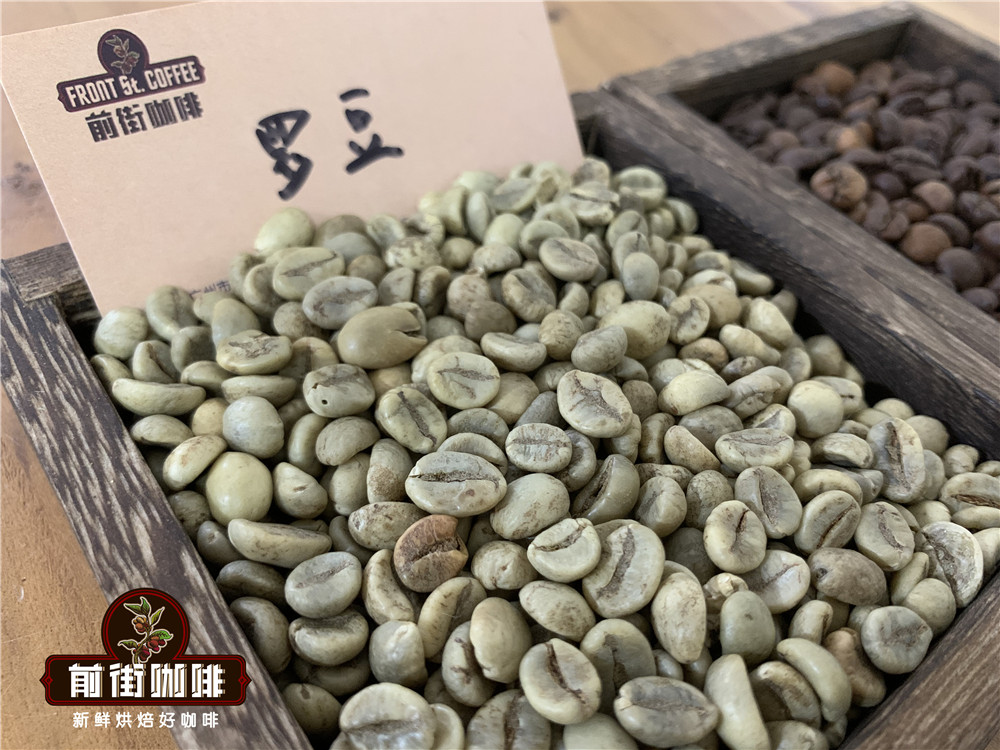
To increase production, Indonesia kept introducing disease-resistant varieties from other countries. Among them, the Tim Tim hybrid (a cross of Robusta and Arabica), Bor Bor, and the Catimor series Ateng adapted so well to Sumatra's terroir, with its distinctive fir-tree aroma, that Ateng and Tim Tim now account for 70 percent of Sumatra's coffee. FrontStreet Coffee's Indonesian Lindong Mandheling daily bean blends Tim Tim and Ateng, while FrontStreet Coffee's Golden Mandheling is selected from Ateng, which we know as Catimor. Both use the most common local method: wet-hulling.
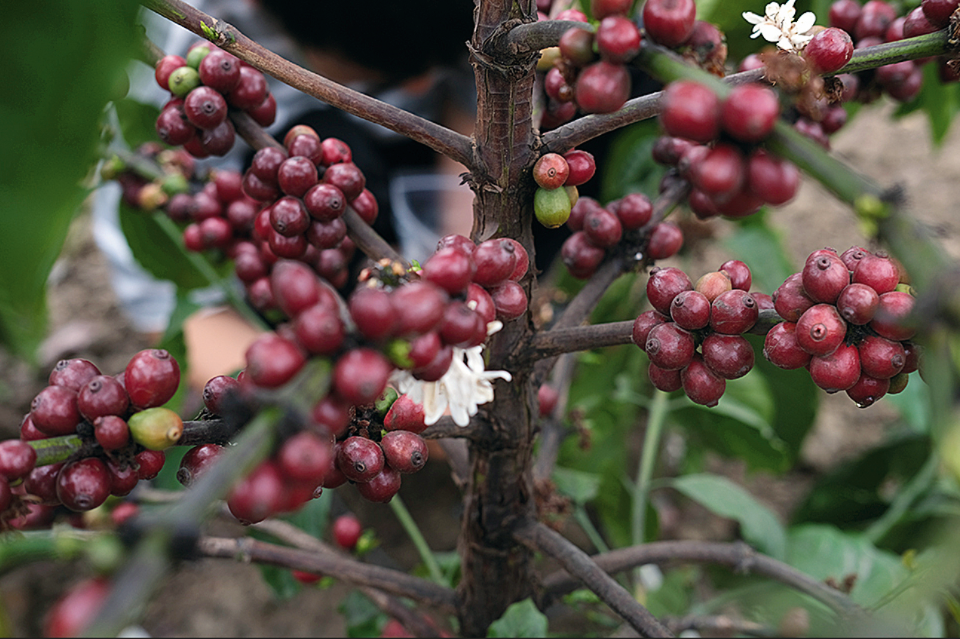
The Sumatran Semi-Washed Method: Wet-Hulling
Coffee arrived in Indonesia with Dutch colonists in 1699 and quickly became a primary cash crop for local farmers. Traditional natural processing took too long, making it hard to sell quickly to merchants for a return, and both sun-dried and washed methods require at least 2-3 weeks of drying. Most critically, Indonesia's islands see frequent wind and rain and high humidity, so beans often mold and spoil before they dry completely.
Wet-hulling begins like the washed method. Farmers remove the pulp from the cherries, ferment them in water for 3 hours, and wash away the mucilage. The parchment-covered beans are then dried for a short 2-3 days. When moisture reaches 20-24 percent and the beans are semi-soft, semi-hard, the parchment layer is removed, and drying continues until moisture drops to 13 percent, at which point the coffee can be packed.
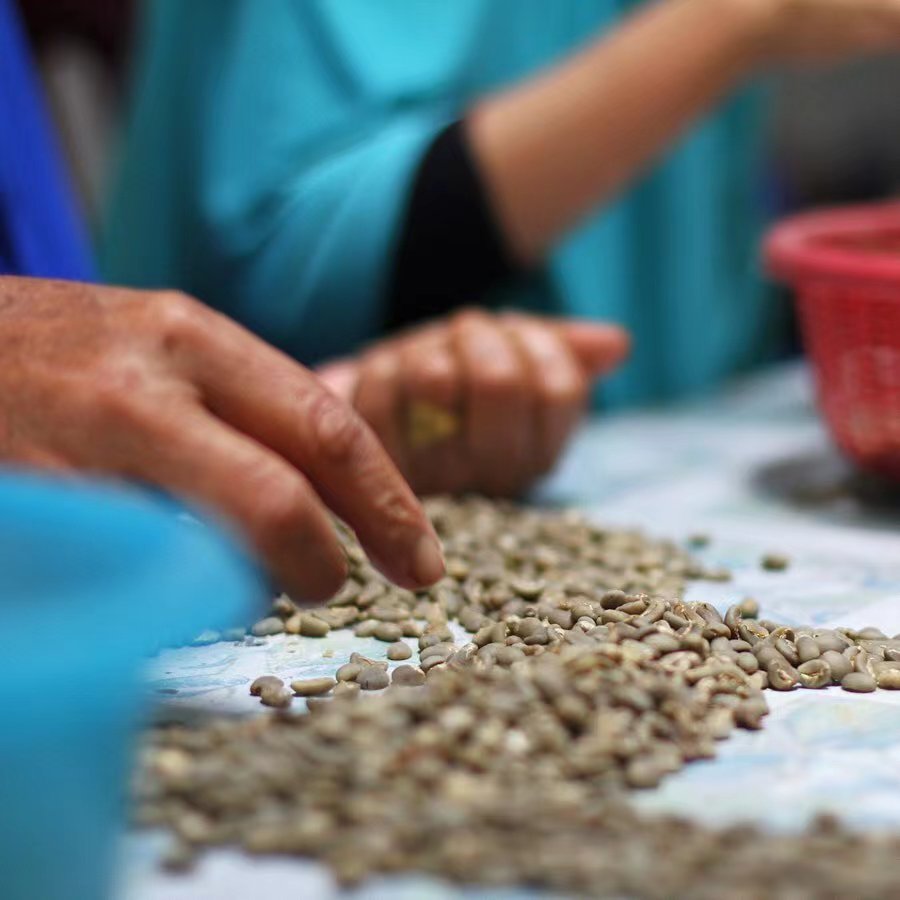
Because the hulling machine relies on heavy friction to tear off parchment that clings tightly to the bean, that same friction makes the green beans prone to crushing and bruising, especially at the ends, forming small gaps that create "elephant foot" beans. These naked beans dry very quickly but are directly exposed to the humid environment, letting all kinds of microorganisms multiply. This is what gives Indonesian coffee its unique woody, spicy, and herbal notes - what we call regional flavor.
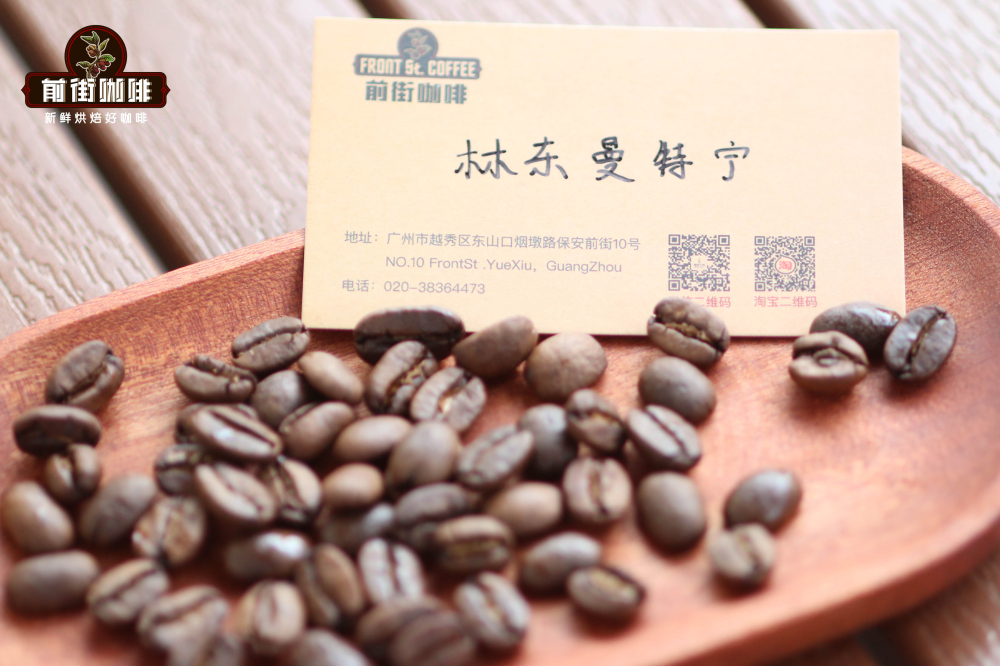
Some readers may wonder how that Southeast Asian flavor actually tastes. If you have not tried FrontStreet Coffee's Mandheling yet, FrontStreet Coffee suggests starting with a small package of wet-hulled Lindong Mandheling daily beans, which present the classic Mandheling profile and are convenient for experimenting at home. If you are an experienced coffee person chasing Mandheling's finer aroma, FrontStreet Coffee's Golden Mandheling coffee is the one for you.
How to Brew High-Quality Mandheling for Great Taste
Dark roasting leaves the bean's internal structure loose; you can crush one with a gentle pinch, a sign that the structure has changed significantly. Ground, it absorbs water strongly. To avoid over-extracting after water absorption and releasing a flood of bitter compounds, FrontStreet Coffee uses a coarser grind than for light roasts: medium-coarse, at a 70 percent pass rate through a China standard 20 mesh sieve, which is EK43s setting 11.
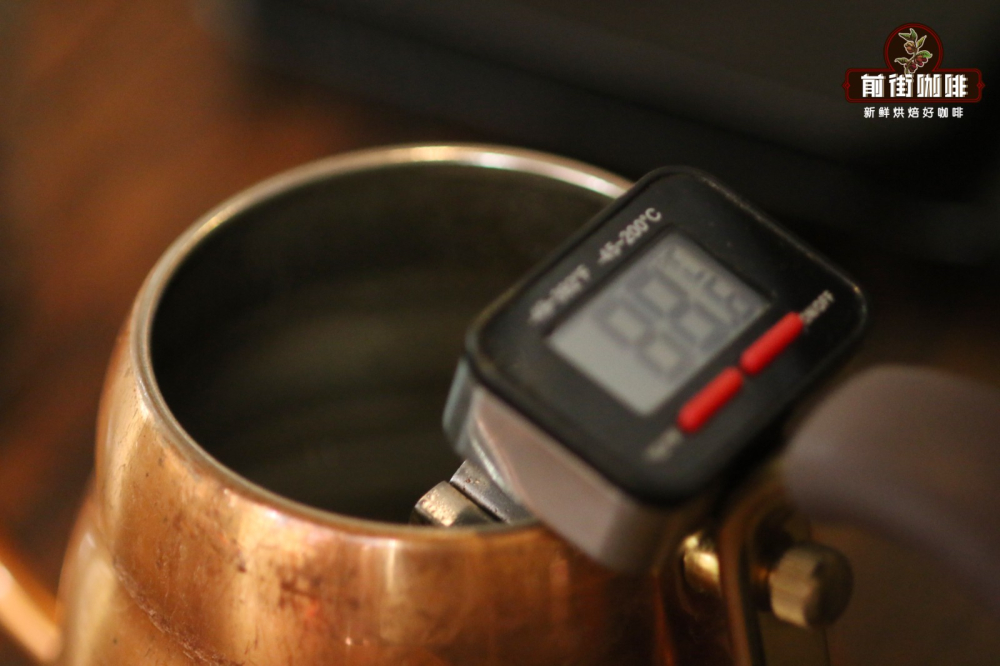
Roasting triggers caramelization and Maillard reactions. As the roast deepens, more non-enzymatic browning occurs as monosaccharides and amino acids interact and break down under heat, releasing bitter large-molecule compounds more readily. To avoid pulling too many undesirable flavors, FrontStreet Coffee lowers the water temperature slightly. Light-roast coffee is brewed at 91-93°C, while FrontStreet Coffee recommends 87-88°C for dark roasts.
FrontStreet Coffee's Mandheling Pour-Over Parameters
Brewing water temperature: 87-88°C
Coffee powder: 15 grams
Powder-to-water ratio: 1:15
Filter cup: KONO filter cup
Grind size: Medium-coarse (70 percent pass rate through a China standard 20 mesh sieve)
Brewing method: Three-stage pouring
FrontStreet Coffee's baristas consistently use the three-stage pour, which better expresses the rich body and caramel sweetness of Golden Mandheling and offers more control over time and water volume.
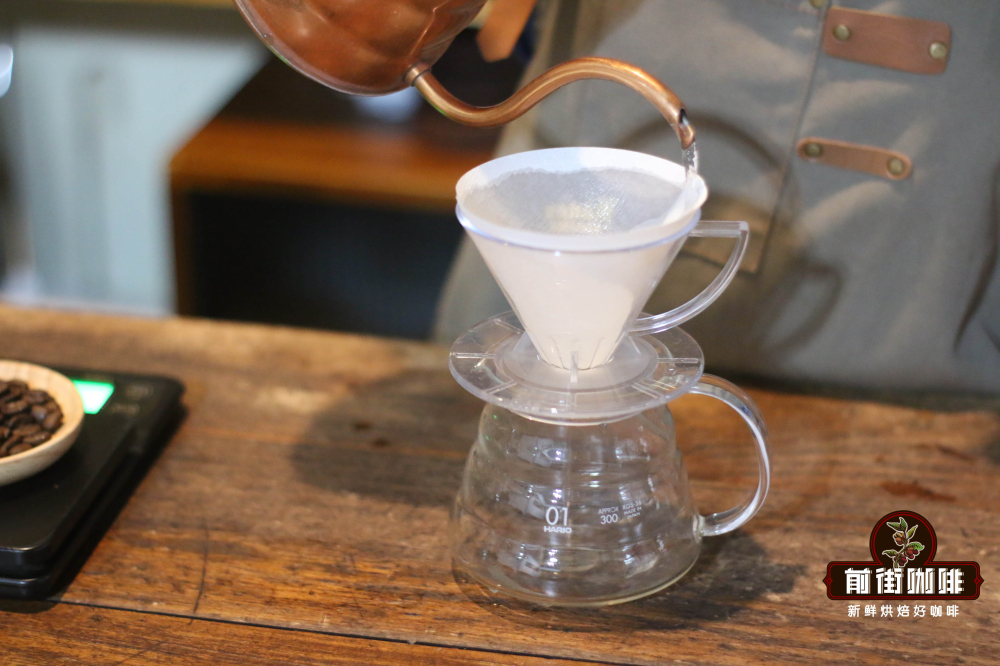
Wet the KONO filter cup so the paper fits the dripper better. After pouring out the water from the sharing pot, add 15 g of ground coffee and bloom with 30 g of water for 30 seconds. This first pour fully wets the grounds for degassing, which helps later steps extract flavor compounds more effectively.
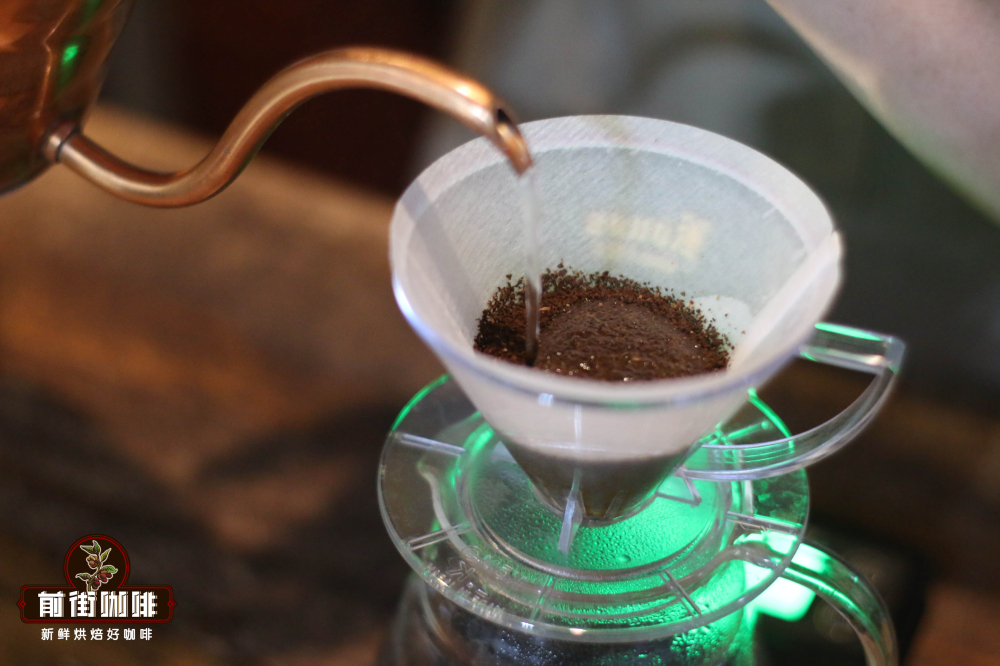
Some friends stretch the bloom to 45 or 50 seconds when brewing light roasts to lift the front-end aroma. For dark-roasted Mandheling, though, too long a bloom releases excessive woody flavors and off-notes, so FrontStreet Coffee chooses a 30-second bloom.
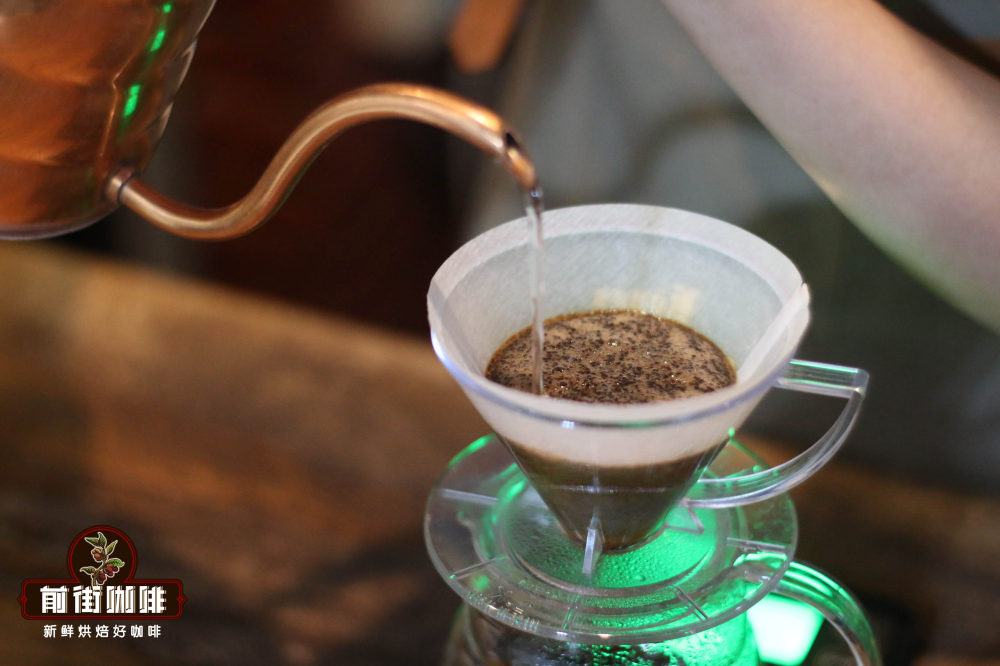
For the second stage, start from the center with a small circular stream, slowly pouring hot water until you reach 125 g, then break. Keep the flow steady throughout; too much agitation easily breaks the coffee bed and leads to uneven extraction.
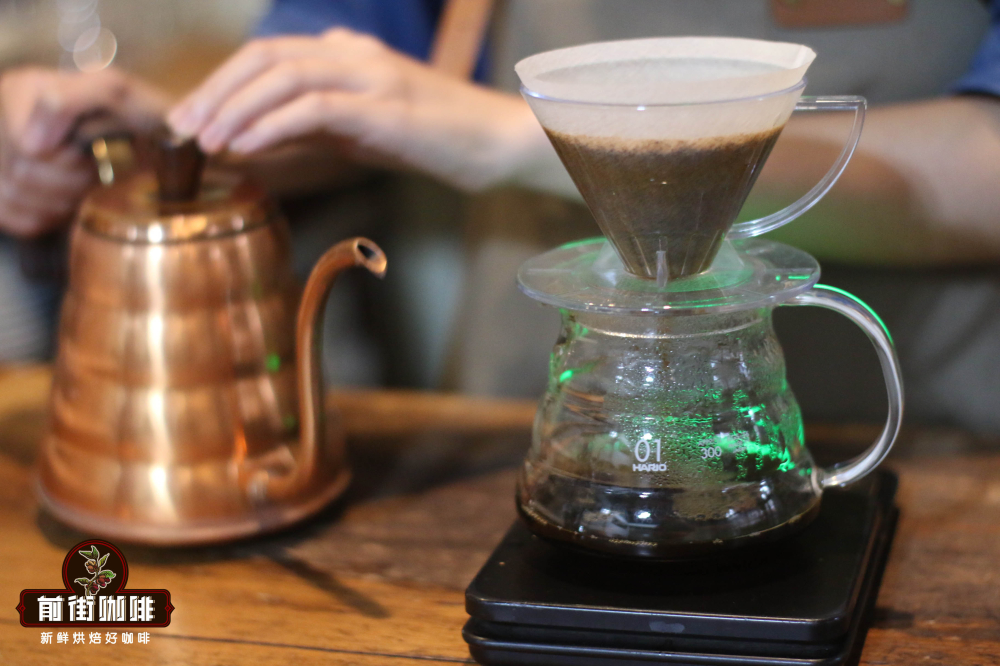
When the coffee bed drops to half the filter cup's height and the bed is exposed, begin the second pour with the same technique until you reach 225 g. Wait until dripping stops before removing the filter cup. Extraction time is two minutes, with a 10-second margin of error.
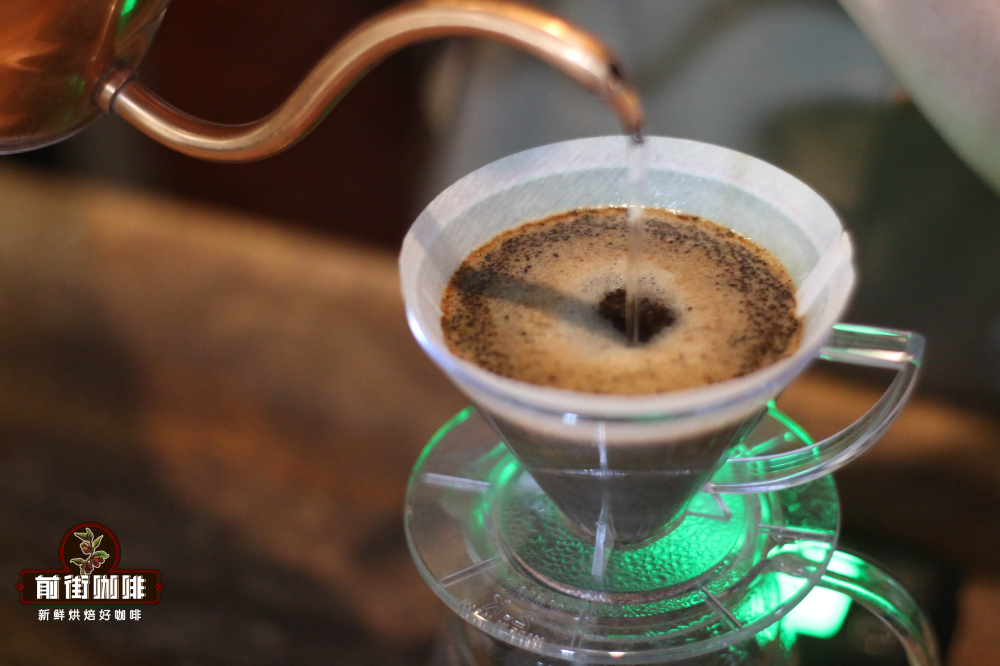
Finally, swirl the coffee in the lower pot to mix it well, and you can start tasting the hand-poured Golden Mandheling black coffee. Brewed FrontStreet Coffee's Mandheling shows aromas of spice, dark chocolate, nuts, caramel, and pine, with a rich, clean mouthfeel, an obvious aftertaste, and a persistent finish.
FrontStreet Coffee Recommendation
If the heavy, herbal side of Sumatra appeals to you, FrontStreet Coffee's Washed Yirgacheffe makes a fascinating contrast. Familiar for white jasmine florals, bright citrus and lemon acidity, and a tea-like body, it is a clean, elegant counterpoint to Mandheling's earthy weight, with a friendly price that suits a first step into specialty coffee.
FrontStreet Coffee's Gedeb Cooperative coffee comes from the Yirgacheffe area in southern Ethiopia, and its traditional washed processing keeps the bean's own aromatics clear: citrus and lemon notes with refined white florals and a bright, delicate overall profile.
For a fruitier expression, FrontStreet Coffee's Sun-Dried Red Cherry Yirgacheffe is made from fully ripe cherries dried with the fruit still on the bean, adding tropical fruit aromas on top of the region's signature citrus acidity, berry-juice body, honey sweetness, and creamy mouthfeel. Tasting it beside a Mandheling is a good way to see how much processing and terroir shape a cup.
Important Notice :
FrontStreet Coffee is a long-established specialty coffee roaster in Guangzhou China, selling freshly roasted beans from its own farm in Yunnan as well as dozens of carefully selected single-origin beans from around the world for both pour-over and espresso. The products deliver consistently excellent quality and great value, with shipping within 24 hours. Guangzhou's FrontStreet Coffee shop is recommended by many coffee lovers, and the beans are now available online at the Tmall 。
FrontStreet Coffee has moved to a new address:
FrontStreet Coffee Address: 315,Donghua East Road,GuangZhou
Tel:020 38364473
 Scan and follow the En Gafei WeChat official account. Please indicate that the reprint comes from "En Gafei".

